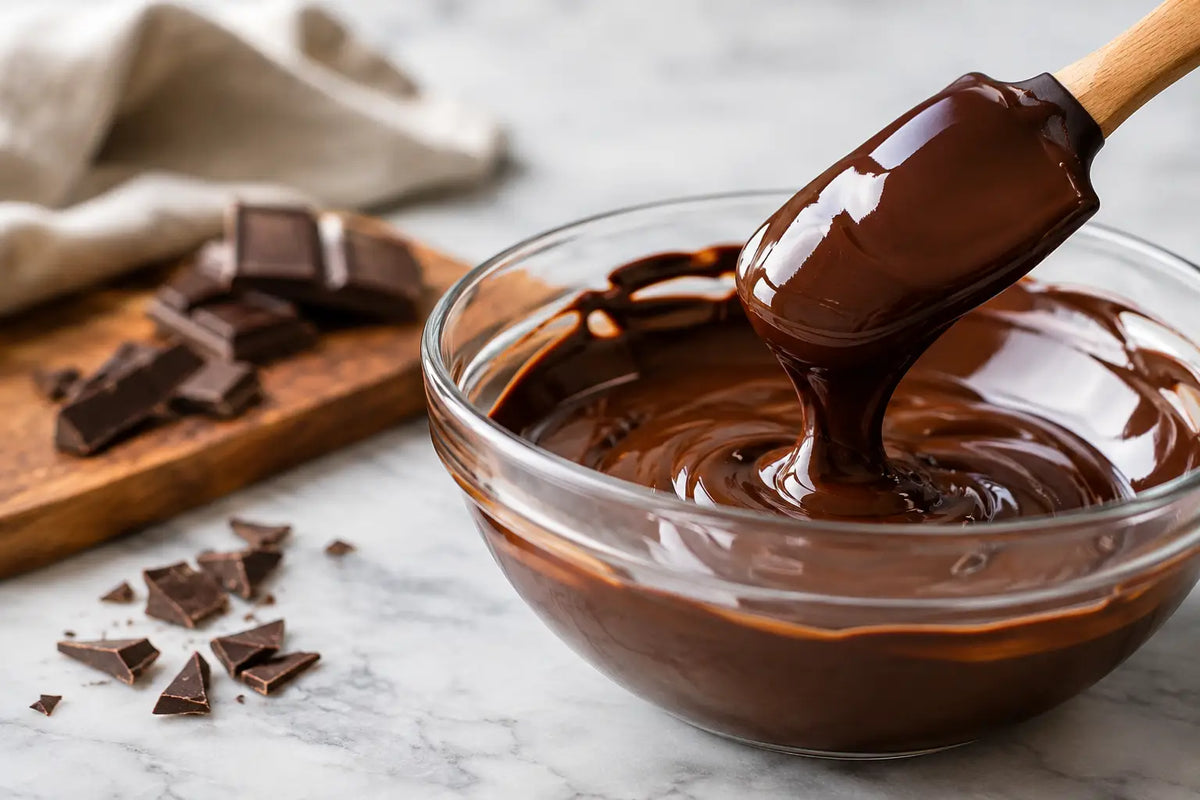
A fine chocolate bar can look perfectly composed at room temperature, then soften almost instantly between warm fingertips. So, does chocolate melt? Yes - but the answer becomes more interesting when you consider which chocolate you are holding, how it was made, and what “melt” means in practice.
Chocolate is designed to melt close to body temperature. That is one reason a well-made square feels firm when it breaks, yet becomes creamy and aromatic on the palate. For bean-to-bar chocolate, that transformation is not accidental. It reflects careful control of cacao beans, cocoa butter, refining, and tempering from the workshop to the finished bar.
Why Does Chocolate Melt So Easily?
The key is cocoa butter, the natural fat found in cacao beans. Cocoa butter has a distinctive melting range of roughly 86 to 97°F. Since this sits near body temperature, chocolate can remain solid on the shelf while dissolving smoothly in the mouth.
Chocolate does not melt at one perfectly fixed temperature in the way pure water turns to ice. Cocoa butter contains several types of fat crystals, each with a different level of stability and melting behavior. The goal of tempering is to encourage the most desirable crystal structure, known as beta V crystals. These crystals give chocolate its clean snap, glossy surface, and elegant melt.
When chocolate is properly tempered, it begins to soften in a warm room and melts gradually as it reaches body temperature. A poorly tempered chocolate may feel soft too quickly, look dull, or melt unevenly. It can still be safe and enjoyable to eat, but it will not deliver the same polished texture or finish.
Different Chocolates Melt Differently
Not every chocolate responds to heat in the same way. The amount of cocoa solids, cocoa butter, sugar, milk ingredients, and added inclusions all influence how firm a piece feels and when it starts to soften.
Dark chocolate
Dark chocolate generally contains a high proportion of cacao ingredients and no milk powder. A 70% dark bar may feel comparatively firm at room temperature, but it is still susceptible to heat. Its flavor often develops beautifully as it melts, releasing the distinct fruit, nut, floral, or roasted notes of its cacao origin.
Higher cacao percentage does not automatically mean a dramatically higher melting point. The cocoa butter is still doing much of the melting. Yet a dark chocolate’s overall formula and lower dairy content can make its texture feel more structured than milk chocolate.
Milk chocolate
Milk chocolate contains milk powder or milk solids in addition to cacao, cocoa butter, and sugar. The milk fat can contribute to a softer, creamier impression and may make the chocolate feel more delicate in warm conditions. A milk chocolate bar left near a sunny window can lose its snap faster than a firm dark bar.
White chocolate
White chocolate is made with cocoa butter, sugar, and milk ingredients, but no cocoa solids. Because it relies on cocoa butter for its identity, it absolutely melts. Its pale color can make discoloration or bloom more visible, however, especially after poor storage.
Filled chocolates and pralines
The shell of a praline may be tempered chocolate, but its filling can be far more sensitive than the shell itself. Ganache, nut praline, caramel, fruit purée, and cream fillings each respond differently to warmth. A truffle may soften long before its chocolate coating visibly melts, which is why premium filled chocolates deserve particular care during transport and storage.
Melting Is Not the Same as Bloom
A pale, streaky, or dusty-looking chocolate does not always mean it has melted. Often, it has developed bloom. Bloom changes appearance and sometimes texture, but it does not necessarily mean the chocolate is spoiled.
Fat bloom occurs when cocoa butter migrates to the surface and recrystallizes. This can happen after temperature fluctuations, such as moving chocolate from a hot car into an air-conditioned room, then back into warmth. The surface may develop grayish marks or a soft haze.
Sugar bloom happens when moisture reaches the chocolate. Condensation dissolves small amounts of sugar on the surface; when the water evaporates, the sugar dries into a rough, grainy layer. Refrigeration can cause this if a bar is not tightly protected before it returns to room temperature.
Both forms of bloom are a reminder that chocolate prefers consistency. The bar may remain entirely edible, but its original sheen, snap, and silky melt may be diminished.
How Heat Affects Flavor and Texture
When chocolate gets too warm, the first sign is often softness rather than a puddle. Edges lose definition, a bar bends instead of breaking, and the surface becomes tacky. At that point, the delicate balance established during tempering is already under pressure.
If chocolate fully melts and then cools without being retempered, it may harden with a matte finish, streaks, or a crumbly bite. Its flavor can still be present, especially in a carefully made single-origin chocolate, but texture is an essential part of the tasting experience. The crisp break before a slow melt is part of what allows aromas to unfold cleanly.
Heat also affects chocolates with inclusions. Roasted nuts can release oils, dried fruit can become sticky, and crisp inclusions may lose their contrast. For gift boxes and seasonal assortments, this is why presentation and temperature matter as much as the selection itself.
The Best Temperature for Storing Chocolate
For most fine chocolate, a cool, dry, stable place is best. Aim for 55 to 65°F, away from direct sunlight, strong odors, and humidity. A pantry, interior cupboard, or temperature-controlled cabinet is usually more suitable than a kitchen counter near an oven or a window.
Keep chocolate in its original wrapping whenever possible. Quality packaging helps protect it from light, air, and surrounding aromas. Chocolate can absorb odors readily, so it should not sit beside coffee, spices, scented candles, or strongly flavored foods.
The refrigerator is not the first choice, because it introduces moisture and temperature swings. Still, in a very hot or humid climate, refrigeration can be preferable to leaving chocolate at 80°F or above. If you must refrigerate it, seal the chocolate tightly in an airtight container or bag. When you take it out, let the unopened package come fully to room temperature before unwrapping it. This reduces the risk of condensation and sugar bloom.
What to Do If Chocolate Melts
If a solid bar has softened but remains in its wrapper, place it in a cool room and let it firm up slowly. Avoid the temptation to put it straight into the freezer. Rapid chilling can encourage condensation and compromise the finish.
For chocolate that has completely melted, the best next step depends on your goal. If appearance matters - perhaps for molding, dipping, or a polished dessert finish - it will need to be tempered again. That process involves heating, cooling, and gently reheating chocolate to rebuild stable cocoa butter crystals.
If you simply want to enjoy it at home, melted chocolate can still be delicious in baking, drinking chocolate, sauces, or ganache. A beautiful bean-to-bar chocolate deserves more than being discarded because a warm day changed its shape.
Protecting Chocolate When Giving or Traveling
Chocolate makes a memorable gift because it carries both pleasure and craft, but it is not indifferent to the journey. In warm weather, choose expedited delivery when available, avoid leaving parcels outdoors, and bring gifts inside promptly. A car can become hot enough to soften chocolate in a surprisingly short time, even when the day itself does not feel extreme.
For travelers, carry chocolate in hand luggage rather than a trunk or checked bag when possible. Place it near the center of your bag, cushioned by clothing and away from heat sources. For filled pralines and truffles, the added protection is especially worthwhile.
At The Belgian Chocolate Makers, the character of each finished piece begins with the cacao bean and continues through roasting, refining, tempering, and molding in our Brussels workshop. Treating chocolate thoughtfully at home helps preserve the work behind that final, satisfying snap.
The simplest rule is also the most useful: keep chocolate cool, dry, and steady, then let it warm gently in your hand and on your palate. That is where its texture, aroma, and origin have the best chance to speak clearly.