A praline box should feel considered from the first piece, not like a collection of familiar shapes dressed in premium wrapping. This artisan praline selection guide is for choosing chocolates with real character: a fine shell, a purposeful filling, clearly handled ingredients, and the kind of finish that makes a gift feel genuinely personal.
For Belgian chocolate lovers, the distinction matters. A praline is not simply a chocolate candy. It is a balance of couverture and filling, texture and aroma, sweetness and restraint. When the chocolate is made bean to bar, that balance begins long before the filling is piped or the mold is closed. It begins with cacao selection, roasting, refining, and the decisions made in the workshop.
Start with how the chocolate is made
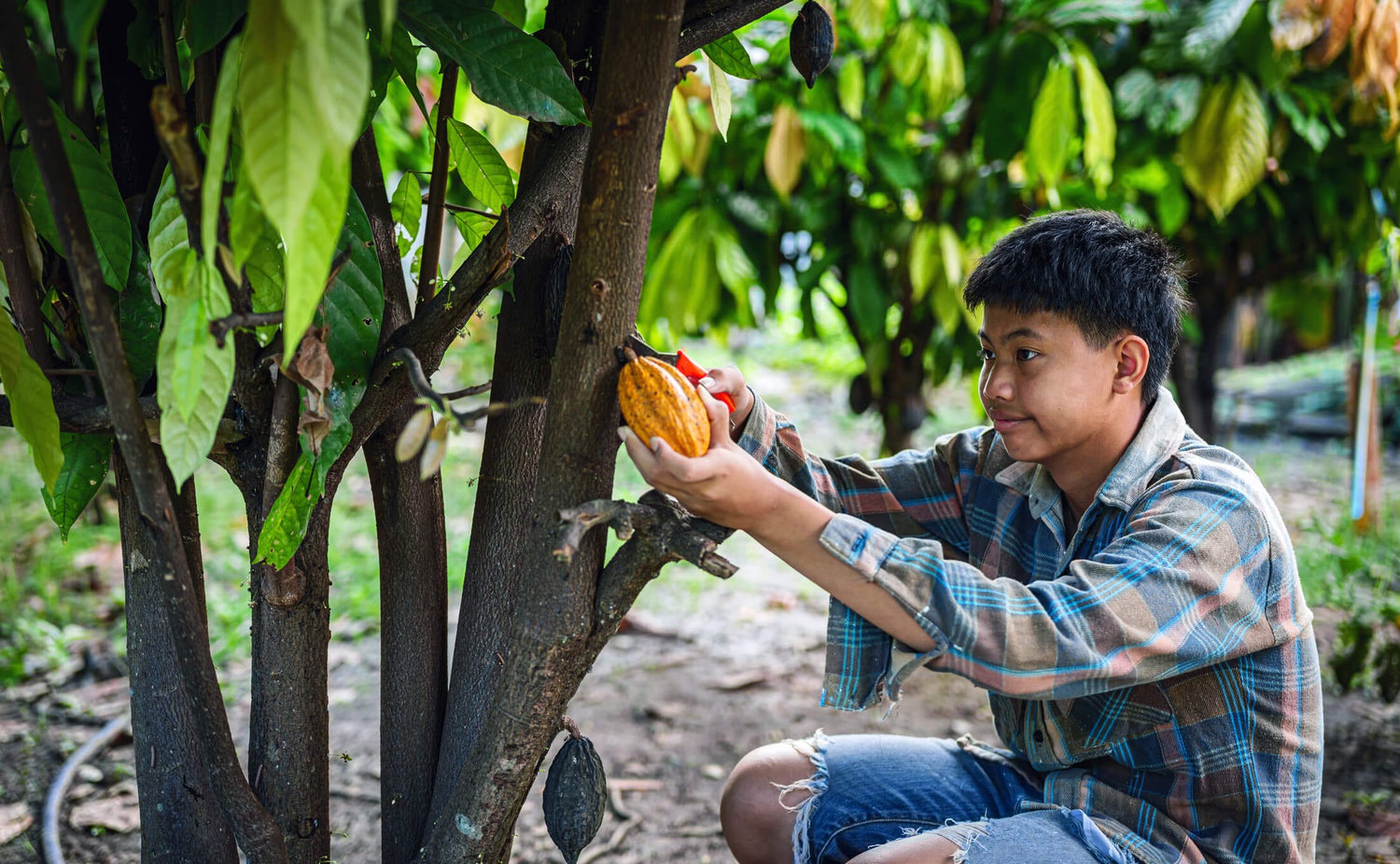
The first question is deceptively simple: who made the chocolate itself? Many chocolatiers work skillfully with purchased couverture, which can produce beautiful results. An artisan bean-to-bar maker takes responsibility for another part of the process as well, transforming carefully sourced cacao beans into chocolate in-house.
That added control affects the praline in the hand. Roasting can draw out nutty, fruity, floral, or deep cocoa notes. Refining determines smoothness. Tempering creates the clean snap and glossy finish expected from fine chocolate. A filling may be exceptional, but it cannot hide a flat or overly sweet shell.
Look for makers who can speak clearly about their process rather than relying only on claims of luxury. “Handmade” is meaningful when it describes real work in a chocolate workshop, but it does not automatically reveal cacao quality, ingredient sourcing, or the age of the pralines.
Read cacao origin as a flavor clue
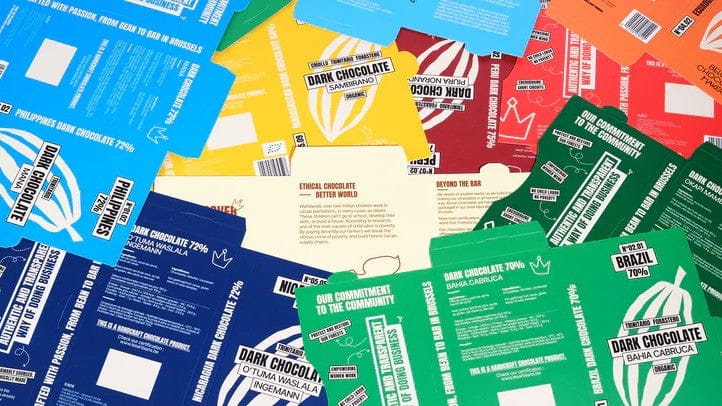
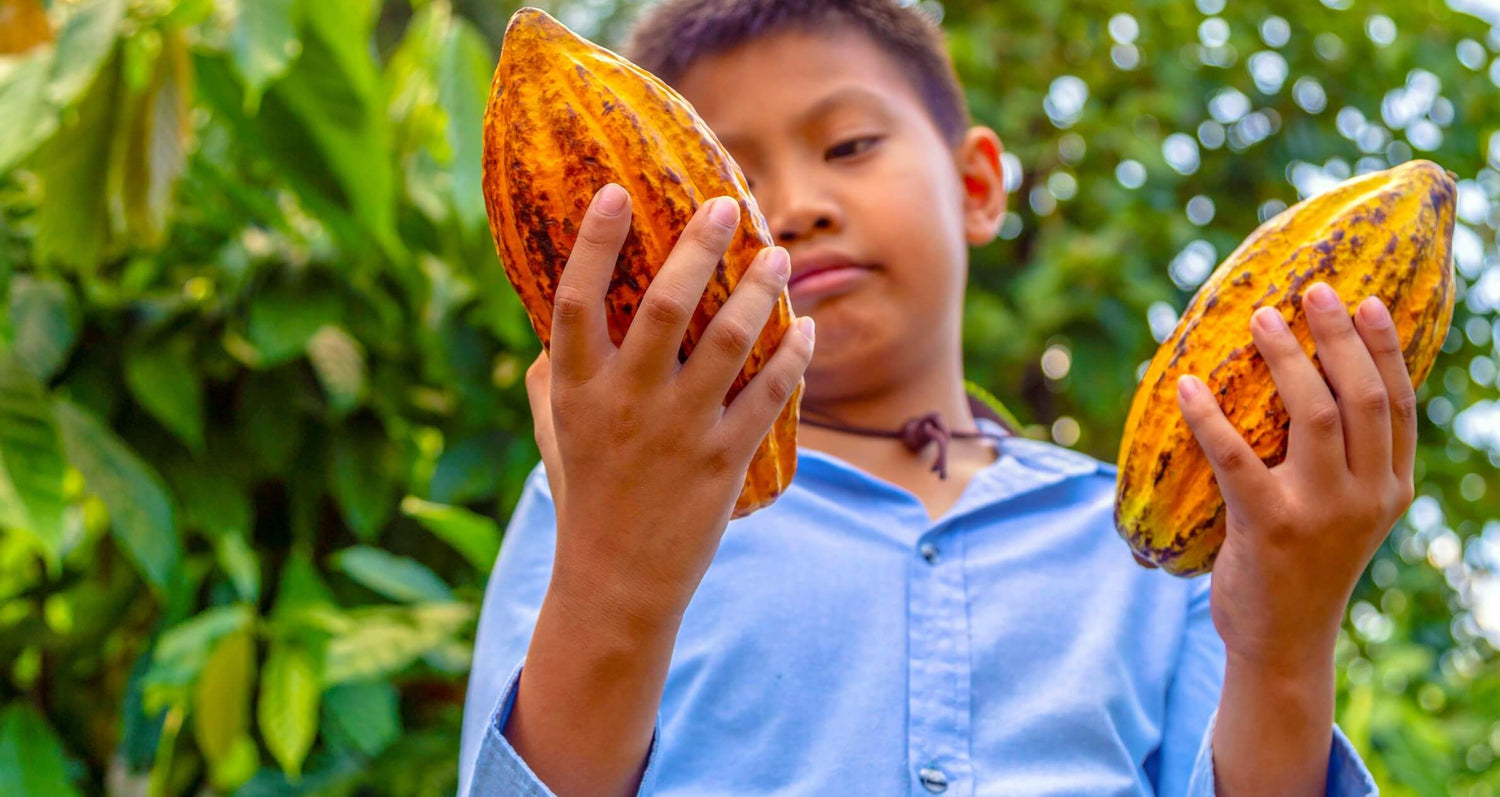
Cacao origin is not a decoration on the label. It is a useful indication of what may be happening beneath the surface. Depending on the beans and the maker’s roasting profile, one chocolate may suggest red fruit and citrus, while another leans toward roasted nuts, caramel, honey, or warm spice.
For a first gift, an assortment with both approachable and more distinctive profiles is usually the best choice. Milk chocolate pralines, hazelnut gianduja, and soft caramel tend to be immediately welcoming. Dark chocolate ganaches and single-origin pieces give the box depth, especially for recipients who enjoy coffee, wine, or darker desserts.
It depends on the recipient, of course. A person who reaches for 70% chocolate may find a very sweet milk chocolate assortment tiring. Someone new to craft chocolate may prefer a gentler entry point, where a bright-fruit cacao is paired with a creamy ganache or praline filling rather than presented at its most intense.
Single-origin does not mean one-dimensional
A single-origin chocolate can be wonderfully expressive, but a praline is still a composed creation. The filling should complement the cacao rather than compete with it. A citrus ganache may amplify a naturally fruity chocolate. Sesame, almond, or hazelnut can add a savory counterpoint to caramelized cocoa notes. Coffee can deepen a dark chocolate, though it can also overwhelm delicate floral beans if used too heavily.
The best assortments offer contrast without confusion. You should be able to taste why each piece belongs in the box.
Choose fillings for texture, not just flavor
The center is where pralines earn their reputation. A well-made ganache should be smooth and clean on the palate, with a flavor that arrives clearly rather than as a sugary blur. A praliné, traditionally made with caramelized nuts, should offer a measured roasted depth and, when intended, a crisp texture from feuilletine or finely crushed nuts.
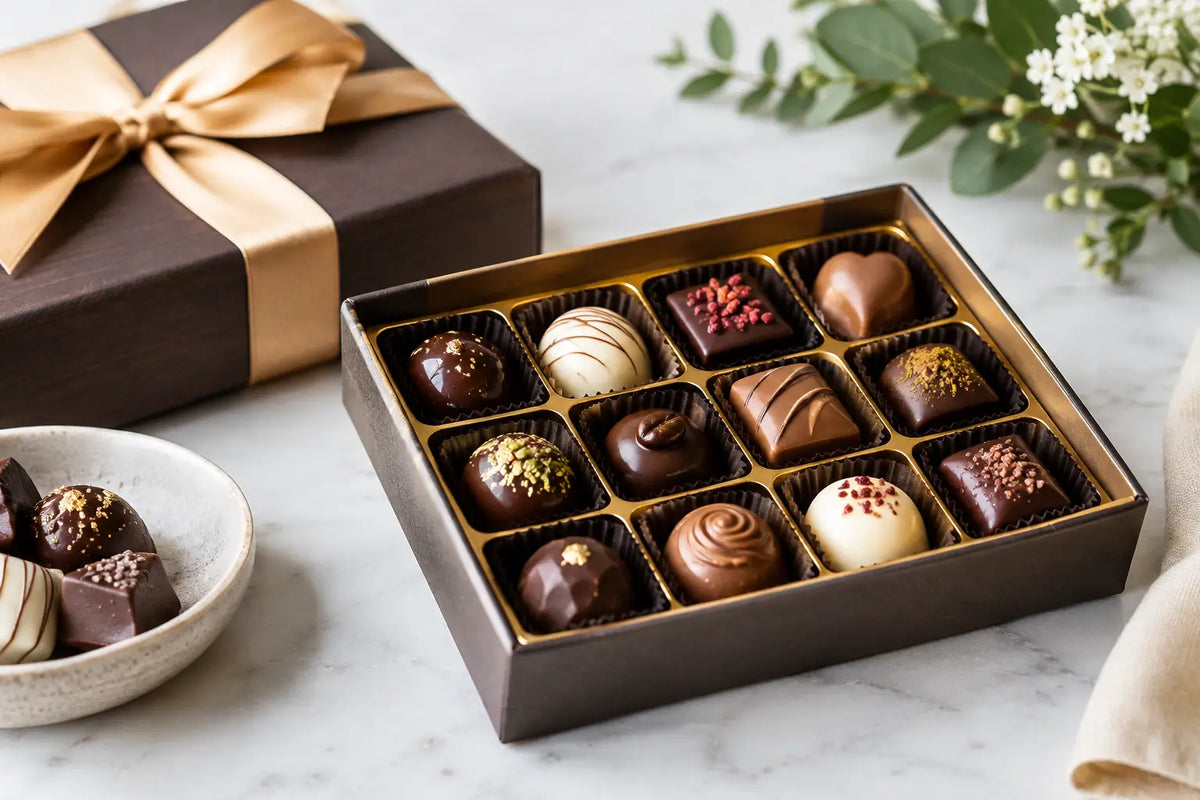
Texture gives a selection its rhythm. If every piece has the same soft ganache center, even excellent flavors can begin to blend together. A thoughtful assortment might move between silky ganache, flowing caramel, nut praliné, marzipan, and a crisp layer, while maintaining a coherent chocolate identity.
Pay attention to ingredient order and specificity when it is available. Real nuts, butter, cream, fruit purées, spices, and carefully selected cacao tell a more convincing story than vague flavor labels. This is especially relevant for fruit pralines. A raspberry or passion fruit center should taste like fruit, with enough acidity to keep the chocolate lively, not like generic candy flavoring.
Freshness is part of the luxury
Pralines are at their best when their textures are alive: shells are crisp, ganaches are supple, and nut fillings retain their aroma. Unlike a standard chocolate bar, filled chocolates often have a shorter ideal enjoyment window because their centers may contain cream, butter, fruit, or other perishable ingredients.
Buy from a maker with clear handling standards and avoid treating a large box as a decorative object to save indefinitely. A smaller, fresher selection is often more generous than a grand box that sits unopened for months. For gifting, timing matters. Choose pralines close to the occasion, and give the recipient a gentle reason to enjoy them soon.
At home, store them in a cool, dry place away from sunlight and strong odors. Refrigeration is not usually the first choice because moisture and temperature changes can dull the finish or affect texture. If a very warm environment makes refrigeration necessary, keep the box tightly protected and allow it to come back toward room temperature before opening.
Artisan praline selection guide for gifting
A good gift selection reflects the moment as much as the recipient. For a host or professional thank-you, choose a polished assortment with broad appeal: nut pralinés, caramel, milk and dark ganaches, and perhaps one fruit-forward piece. The goal is variety without unnecessary risk.
For a close friend, partner, or serious food lover, more contrast is welcome. Look for a collection that includes single-origin dark chocolate, a striking spice or tea infusion, and nut-based centers made with real depth. This is where origin information and maker notes add pleasure, because the recipient can taste with more attention.
If you know dietary needs, be precise rather than assuming. Dark chocolate is not automatically dairy-free, and pralines frequently contain nuts, milk, soy lecithin, gluten-containing crisp inclusions, or alcohol. A beautiful gift loses its generosity if the recipient cannot comfortably enjoy it.
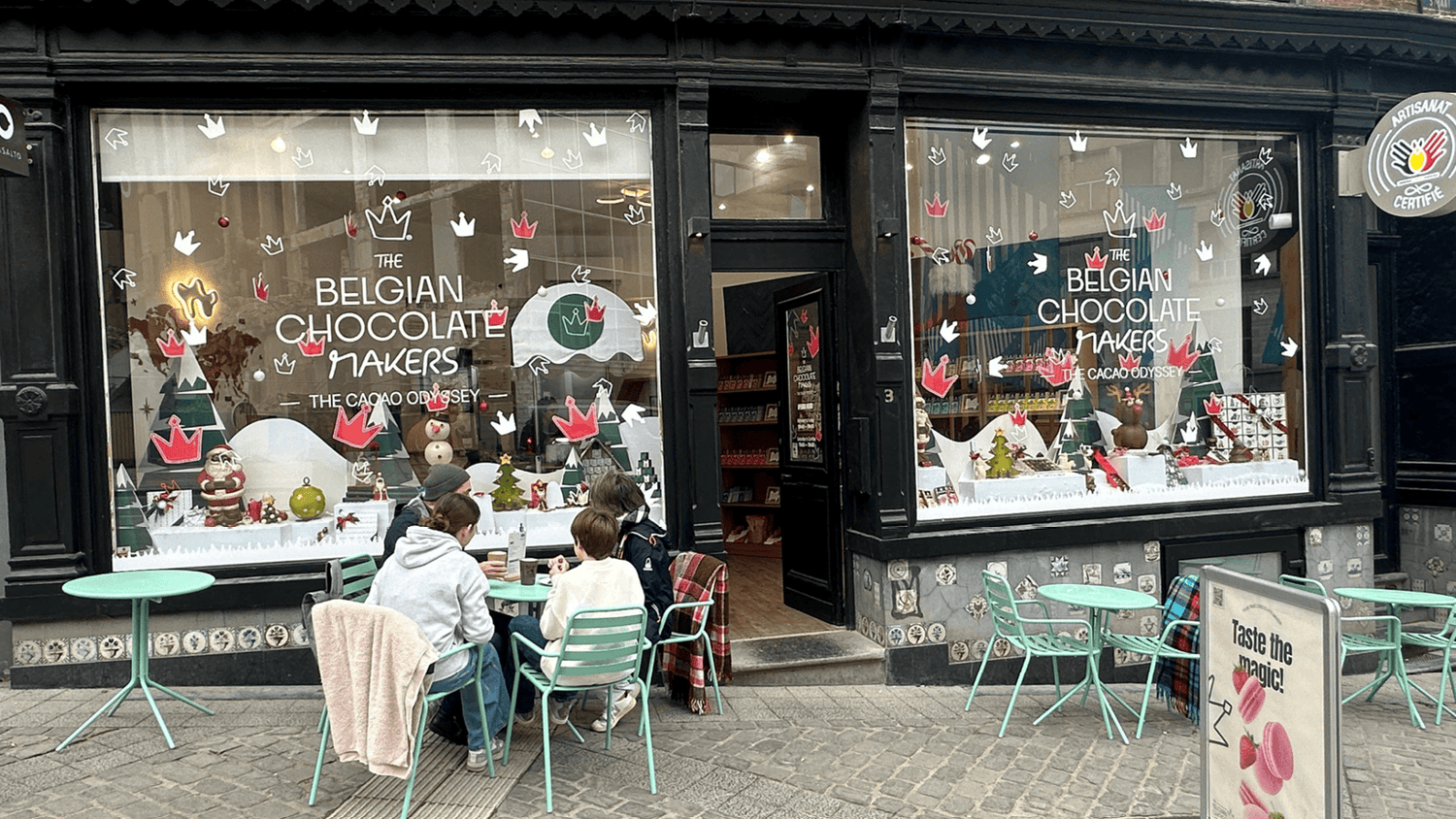
Presentation matters, but it should support the chocolate rather than substitute for it. A well-designed box protects delicate pieces, identifies flavors when possible, and carries the confidence of a maker willing to let the product speak. The Belgian Chocolate Makers approaches pralines from this same bean-to-bar perspective, where the elegance of a gift begins with the integrity of what is inside.
Four signs of a carefully made praline
When comparing options online or in a shop, four details offer a practical starting point:
- A shell with a clean gloss and a neat, even finish, without visible bloom or careless seams.
- A stated approach to cacao, whether that means bean-to-bar production, transparent sourcing, or meaningful origin information.
- Fillings described with real ingredients and clear flavor combinations instead of broad, anonymous labels.
- Sensible storage guidance and a clear indication that freshness is treated as part of quality.
None of these details alone guarantees a perfect box. A glossy shell can still conceal an overly sweet filling, and an impressive origin story does not excuse poor balance. Together, however, they are useful signals that the maker has paid attention to both craft and experience.
Taste in the right order
If you are opening a mixed selection, begin with lighter, creamier, or fruit-forward pieces before moving to dark ganaches, coffee, smoke, and strong spice. This keeps the bolder pralines from flattening the subtler ones. Water is usually enough between pieces; highly aromatic tea, coffee, or wine can be enjoyable, but they change what you notice in the chocolate.
Most of all, choose pralines that invite a moment of attention. The right box does not need to impress through quantity or extravagant decoration. It needs to offer chocolate with a clear point of view, fillings made with restraint, and enough variety for every piece to feel worth choosing.