A chocolate gift box is more than an attractive assortment placed under a ribbon. Understanding how chocolate gift boxes work helps you recognize the difference between a generic confectionery selection and a gift that reflects real craft, thoughtful sourcing, and the person receiving it. The best boxes create an experience: an inviting first look, a gradual discovery of flavors and textures, and chocolate made with enough care to be remembered after the last piece is enjoyed.
How chocolate gift boxes work from selection to delivery
At their simplest, chocolate gift boxes bring together a considered range of chocolates in a protective presentation designed for gifting. That process begins well before the box is filled. A maker chooses the chocolate recipes, fillings, formats, and finishes that belong together, then determines how each piece should be stored, arranged, and presented.
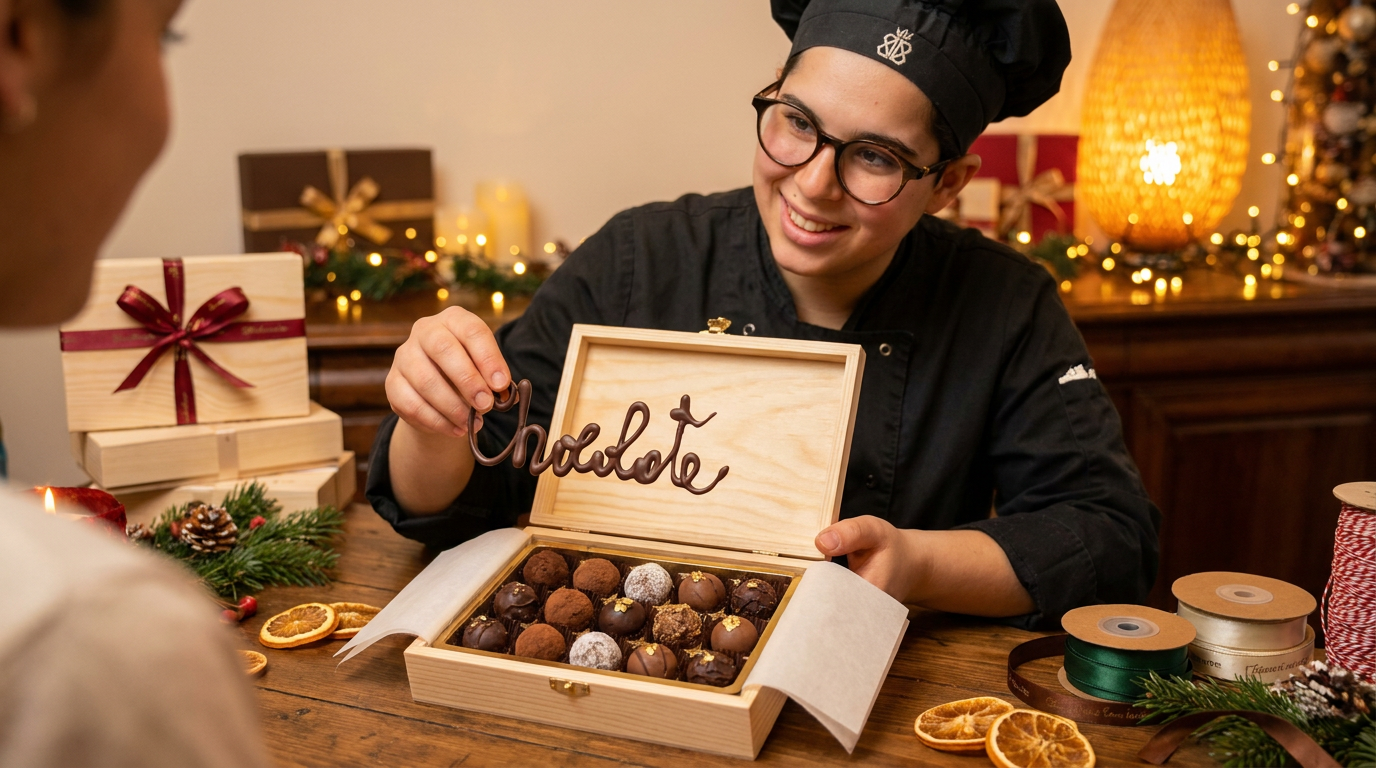
A well-composed box usually offers contrast without becoming confusing. A smooth milk chocolate praline can sit beside a dark ganache, a crisp mendiant, or a truffle with a delicate shell. Each piece should have its own character, while the full assortment should feel coherent. This is why a gift box is not merely a collection of leftovers or individually wrapped sweets. It is a curated tasting experience.
The packaging has a practical role as well as an aesthetic one. Inserts, trays, and compartments help prevent delicate pieces from knocking together in transit. A fitted box limits excess movement, while outer packaging provides another layer of protection from light, handling, and changing conditions during delivery. Premium presentation matters, but it should never compensate for chocolate that lacks flavor, freshness, or integrity.
The chocolate inside determines the gift's value
The quality of a gift box begins with the chocolate itself. Many conventional chocolatiers purchase ready-made industrial couverture, then melt, mold, or fill it. There is skill in that work, but the maker has less control over the flavor journey that starts with the cacao bean.
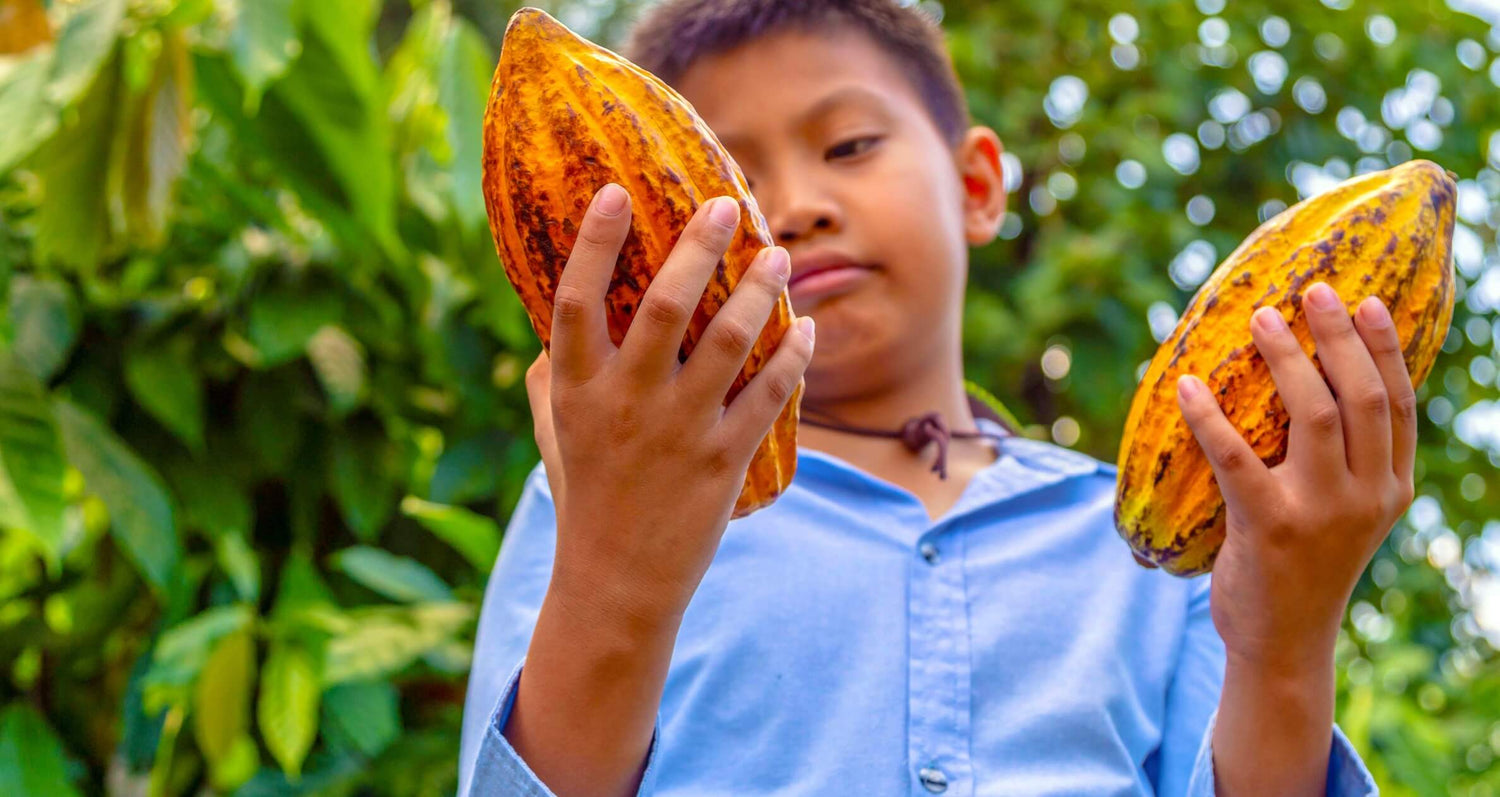
Bean-to-bar makers take responsibility for that journey in-house. They select cacao based on origin and character, roast the beans, refine and conche the chocolate, then temper, mold, and finish it. Every stage influences the final result. Roasting can draw out notes of dried fruit, toasted nuts, or warm caramel. Refining affects smoothness. Careful tempering produces a clean snap and a glossy finish.
For a gift recipient, this work translates into a chocolate that tastes distinctive rather than generically sweet. A dark chocolate may carry the bright fruit notes of its cacao origin. A milk chocolate can be deeply creamy while still allowing the bean's personality to come through. When pralines or truffles are made with such chocolate, their shells are not just containers for a filling. They are a meaningful part of the flavor.
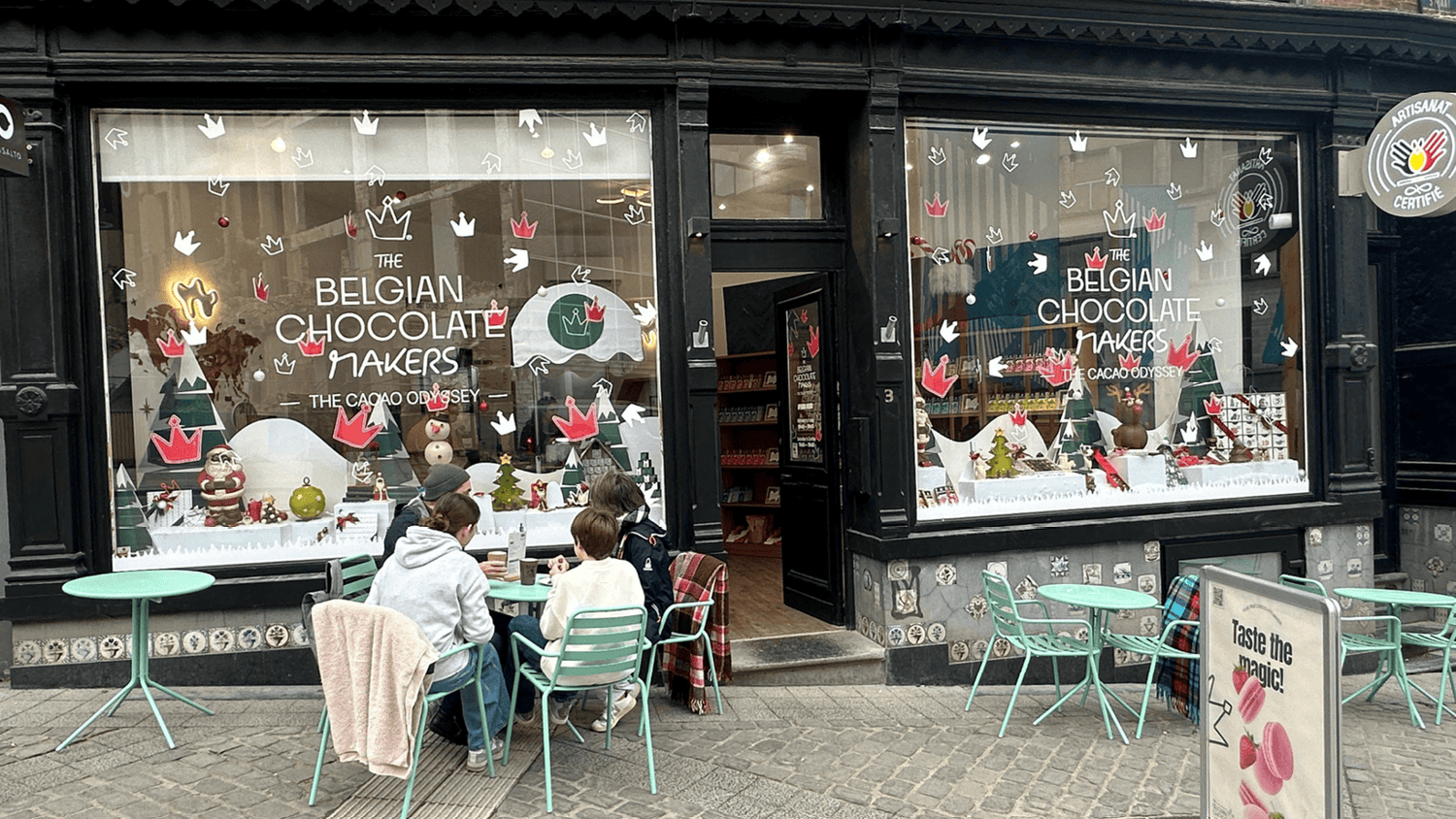
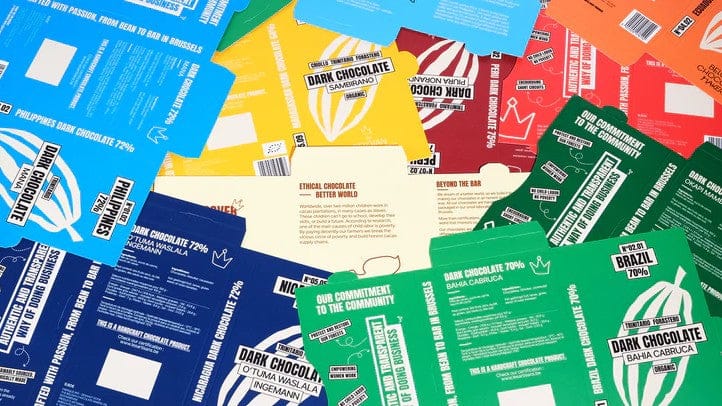
At The Belgian Chocolate Makers, bean-to-bar production in the Brussels workshop makes this level of attention possible. It also gives a gift box a more credible story: the chocolates have been made from carefully sourced cacao beans, not simply assembled from anonymous couverture.
Curation balances flavor, texture, and occasion
A good chocolate box is designed around variety, but variety needs boundaries. Too many similar pieces can make an assortment feel repetitive. Too many highly flavored pieces can overwhelm the palate. The right balance depends on the occasion and the person receiving the gift.
For someone new to fine chocolate, a broad selection of approachable flavors is often the best choice. Think creamy pralines, classic ganaches, gentle fruit notes, and a few darker pieces for contrast. For an experienced chocolate lover, single-origin bars, higher-cacao dark chocolate, or less familiar flavor combinations can add more interest.
Texture is equally important. A box becomes more memorable when it moves between silky ganache, crisp roasted nuts, soft caramel, and the clean break of a tempered shell. The goal is not novelty for its own sake. It is to create small moments of surprise while keeping the experience elegant and easy to enjoy.
Seasonality also changes how chocolate gift boxes work. Holiday boxes may include festive shapes, spices, or seasonal colors. A thank-you gift may favor timeless pralines and truffles. Corporate gifts often need a presentation that feels polished and widely appealing, while a personal celebration leaves more room for bold flavors and specific preferences.
Freshness requires care before and after gifting
Chocolate has a longer life than many fresh foods, but it is not indestructible. Its flavor and finish are best when it has been stored well and enjoyed within the recommended period, particularly when a box contains fresh ganaches, creams, fruit fillings, or other delicate centers.
Heat is the most obvious risk. Chocolate can soften or melt when exposed to warm conditions, and repeated temperature changes may cause cocoa butter to rise to the surface. This creates a pale coating known as bloom. Bloom is generally harmless, but it can affect appearance and texture. Humidity, strong odors, and direct sunlight can also compromise a carefully made assortment.
For that reason, a gift box should be kept in a cool, dry place, ideally around 60 to 68 degrees Fahrenheit. Avoid storing it near a stove, in direct sun, or in a refrigerator unless the maker specifically recommends refrigeration. Refrigerators can introduce moisture and odors, especially if the box is not tightly protected.
If the box is being shipped, timing matters. Warm-weather delivery may require insulated materials or faster transit. A beautiful assortment that arrives softened is not the experience the giver intended. Choosing a maker that understands protective packing is part of choosing a better gift.
Choosing a box for the recipient
The most successful gift boxes feel personal, even when the giver does not know every flavor preference. Start with the recipient's relationship to chocolate. Do they enjoy rich dark chocolate, or do they reach first for softer milk chocolate? Are they likely to appreciate a small-batch origin story, or would they prefer familiar pralines with elegant finishes?
Dietary needs deserve the same attention. Nut allergies, dairy restrictions, gluten concerns, and alcohol preferences can all affect whether a box is suitable. Never assume that dark chocolate is automatically dairy-free or that a piece without a visible nut is safe for someone with a severe allergy. Chocolate workshops often handle multiple ingredients, so clear product information and careful confirmation are essential.
The size of the box should fit the moment. A compact selection can be a gracious gesture for a host, colleague, or dinner invitation. A larger box suits family celebrations, milestone birthdays, or occasions when several people will share. Bigger is not always better. A smaller, beautifully curated assortment of exceptional chocolate can feel more generous than an oversized box filled with ordinary pieces.
Why ethical sourcing belongs in the gift
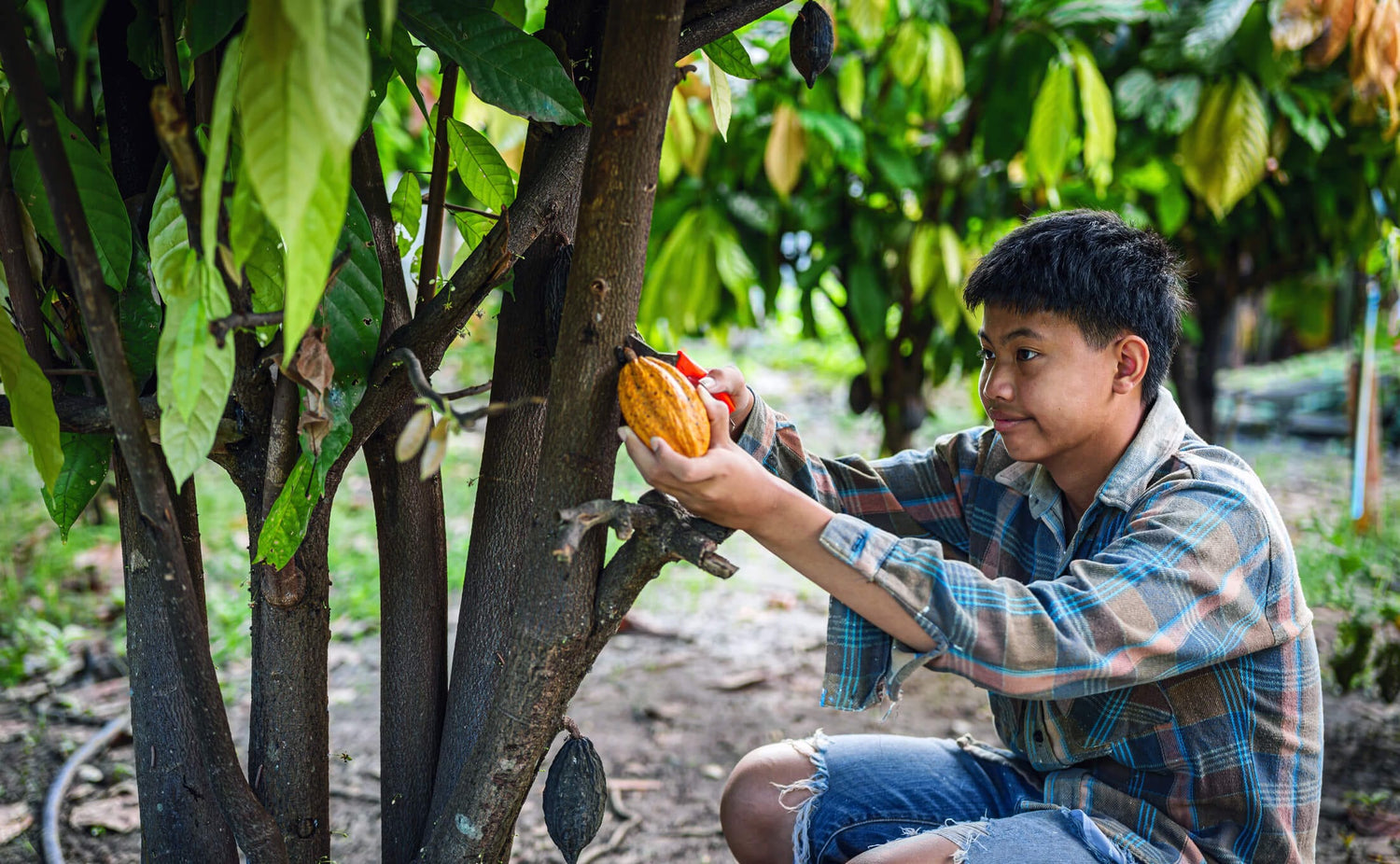
A premium chocolate gift should be pleasurable without asking the recipient to ignore how it was made. Traceable cacao sourcing gives a box more depth because it connects flavor with place and encourages accountability throughout the supply chain.
Origin transparency does not mean every gift needs to become a technical tasting lesson. It simply means the maker can speak honestly about where cacao comes from and why those beans were chosen. This is especially meaningful for food-conscious shoppers who want their gifts to reflect their values as well as their taste.
Ethical sourcing, fairer partnerships, and careful small-batch production do involve trade-offs. They can require more time, more expertise, and a higher price than mass-market chocolate. Yet that difference is often exactly what makes the gift feel considered. The value is not only in the box, but in the standards behind it.
Making the moment feel complete
Presentation sets the expectation, but the giving moment gives the box its meaning. Include a brief note when the occasion allows. Mentioning a favorite shared memory, a thank-you, or simply the hope that the recipient takes time to enjoy each piece can turn a polished gift into a personal one.
When selecting chocolate, trust quality over excess. A thoughtfully chosen box of fresh, expertly made chocolates invites someone to slow down, taste closely, and enjoy the care that brought it to their hands.