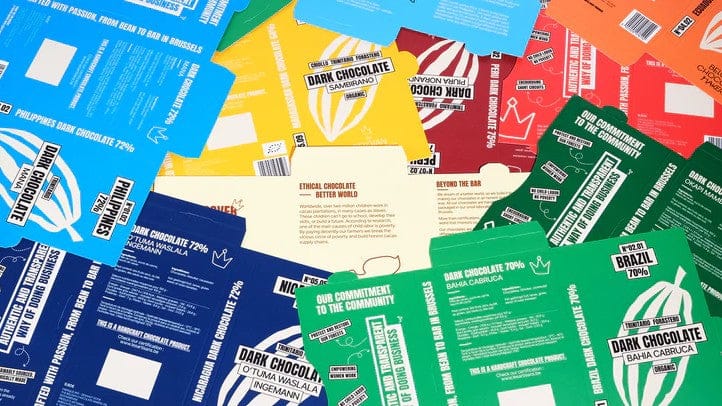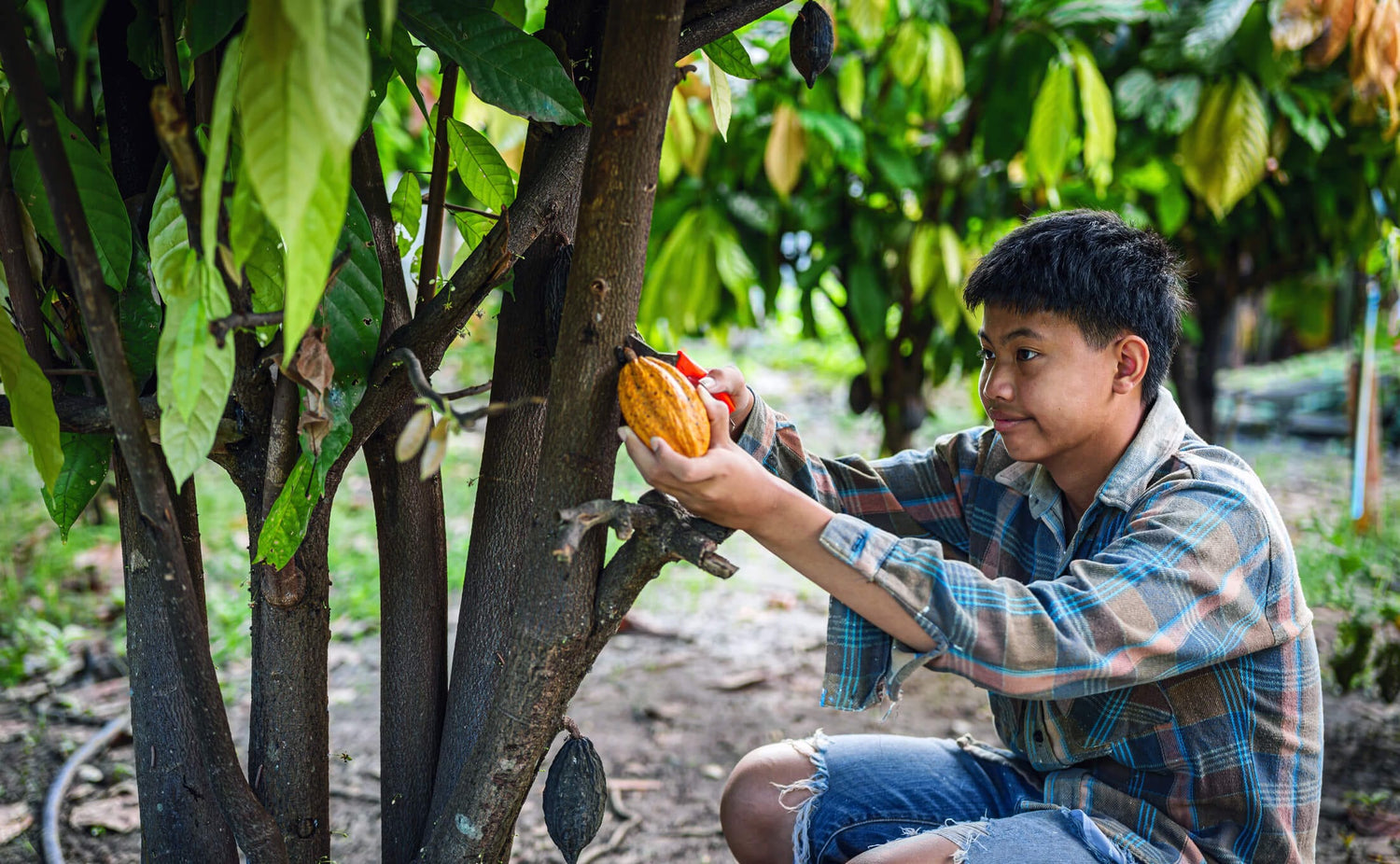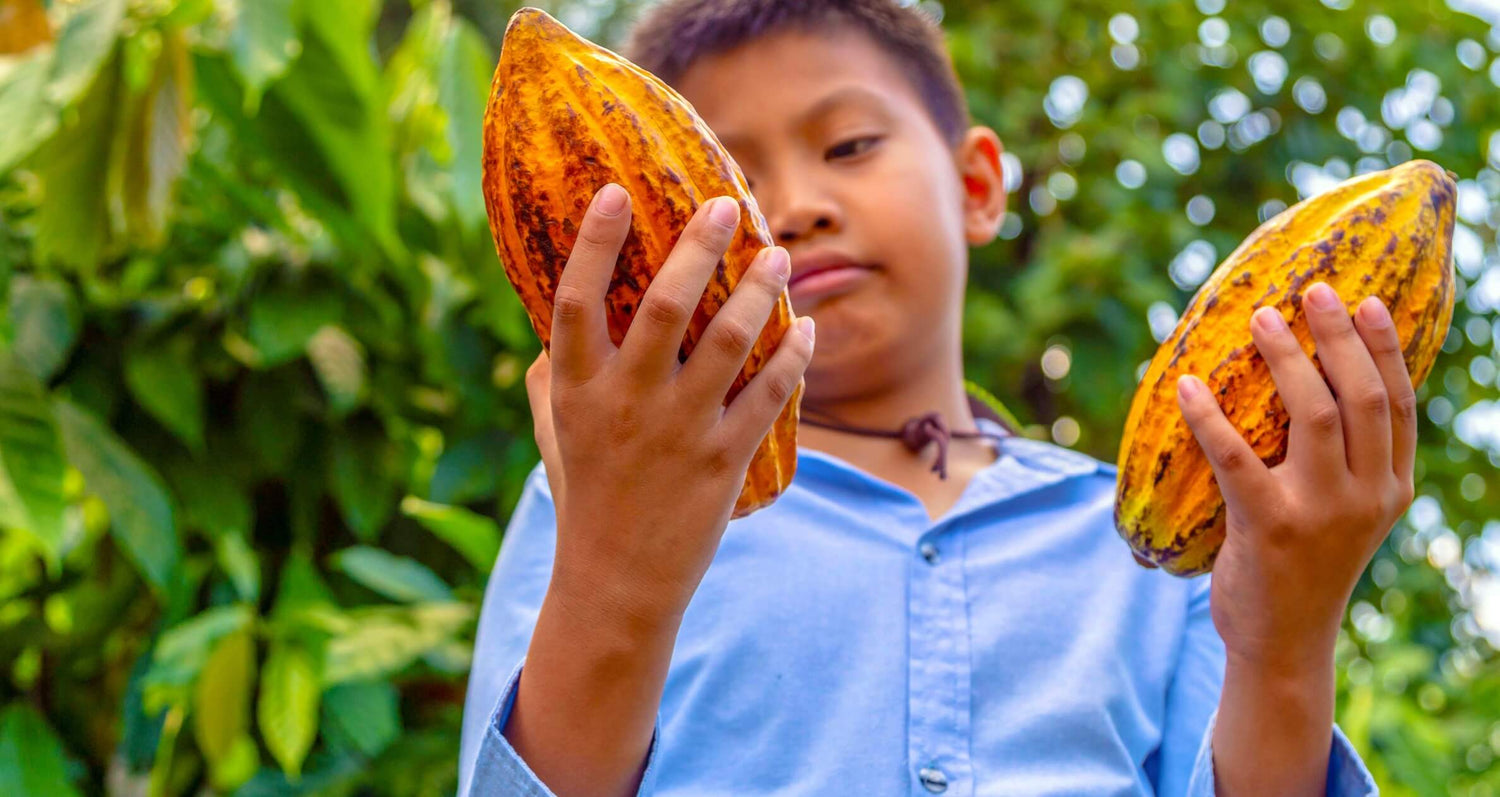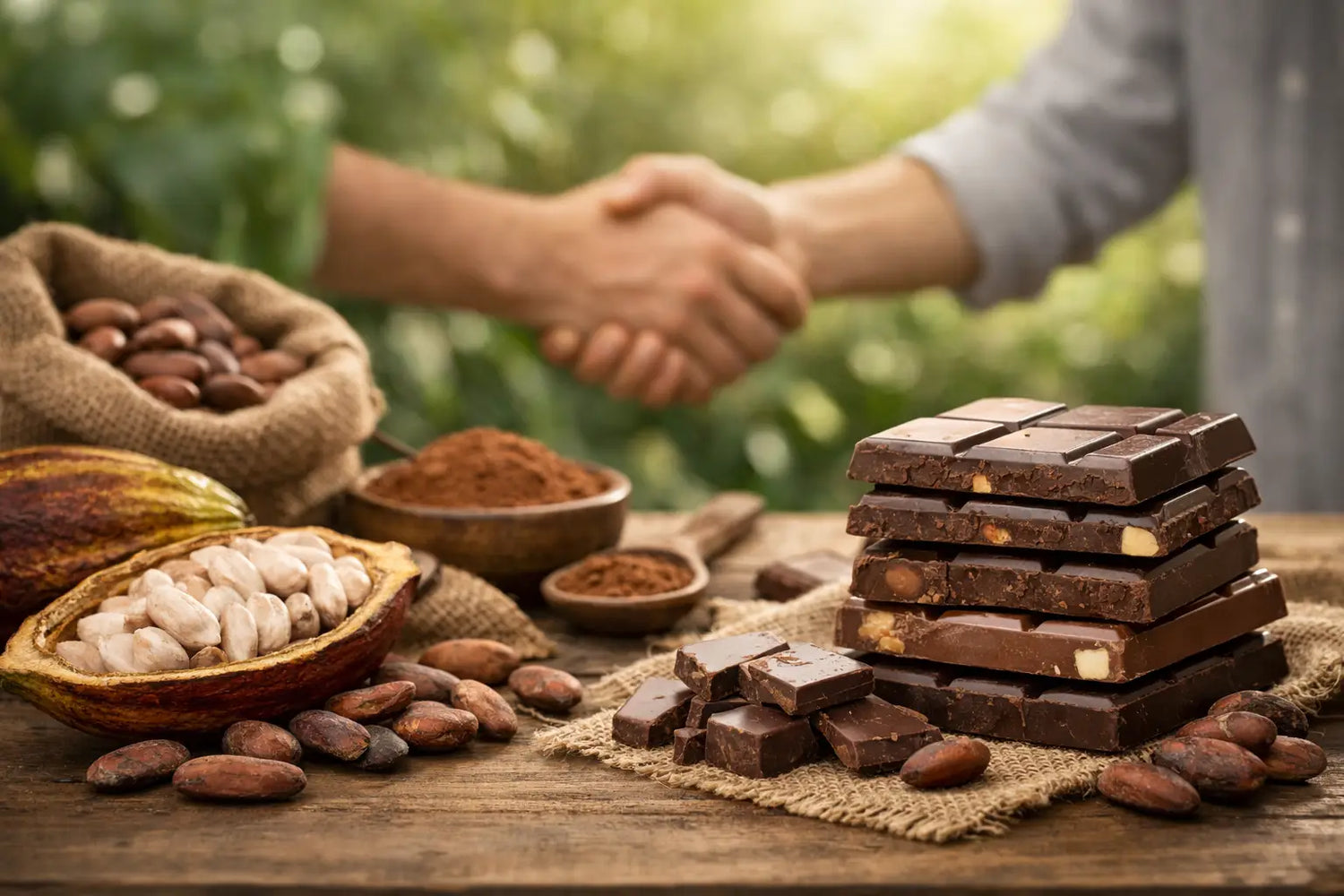
A glossy box and a few well-placed buzzwords can make almost any bar look virtuous. That is exactly why ethical chocolate brands deserve a closer look. If you care about what is inside the wrapper, who grew the cacao, and how the chocolate was actually made, the details matter far more than the packaging.
Chocolate is one of those products where quality and ethics are often linked, but not always in obvious ways. A beautifully designed bar can still hide vague sourcing. A luxury label can still rely on anonymous industrial couverture. And a low price can signal efficiencies, or it can signal that someone in the chain was paid too little. For buyers who want chocolate that feels worthy of gifting and personal indulgence, knowing what to look for changes everything.
What ethical chocolate brands actually do
The phrase gets used loosely, so it helps to define it with some precision. Ethical chocolate brands usually share a set of practices rather than a single label. They pay close attention to where cacao comes from, work with more transparent supply chains, and make sourcing decisions that respect both farmers and the long-term health of cacao-growing regions.
That does not mean every ethical brand works the same way. Some buy through trusted cooperatives. Some purchase from direct trade partners. Some focus on organic farming methods, while others prioritize farmer income, traceability, and stable long-term relationships even when formal certifications are not part of the model. Ethics in chocolate is not one box to check. It is a series of choices, and the best brands explain those choices clearly.
The strongest signal is transparency. If a brand can tell you the country of origin, the region, sometimes even the cooperative or farm, that is meaningful. If it can also explain who transforms the beans, where the chocolate is made, and why it selected a particular cacao, you are looking at something more credible than a generic promise.
Why bean-to-bar matters in ethical chocolate brands
Bean-to-bar is not automatically ethical, but it often makes ethical claims easier to verify. When a chocolate maker purchases cacao beans and controls roasting, refining, conching, tempering, and molding in its own workshop, there are fewer hidden steps. That creates a clearer line between origin and finished product.
By contrast, many conventional chocolatiers start with ready-made couverture produced by large industrial manufacturers. That approach can still result in excellent bonbons or bars, but it adds distance between the brand and the cacao source. The further a maker is from the bean itself, the harder it can be to speak with authority about farming relationships, cacao pricing, and origin-specific flavor.
For buyers, this matters because ethics is not only about a claim. It is also about control and accountability. A true bean-to-bar maker is usually better positioned to discuss sourcing standards, harvest variation, flavor development, and production decisions in a way that feels grounded rather than promotional.
The labels help, but they are not the whole story
Certifications can be useful. They create standards, improve auditing, and give shoppers a quick reference point. For many consumers, they are a practical place to start. If you are comparing products on a crowded shelf, a recognized certification may be better than no sourcing information at all.
Still, labels have limits. They do not always capture the full economics of a relationship. A certified bar may still reveal very little about the actual flavor journey from bean to finished chocolate. Some exceptional artisan makers work outside certain certification systems because they source in smaller volumes, pay above commodity rates, or maintain close partnerships that do not fit neatly into broad frameworks.
This is where nuance matters. A brand that relies only on a logo without offering any deeper information may be asking you to stop at the surface. A brand that explains its sourcing model, pricing philosophy, and production process is giving you something far more valuable than a stamp alone.
How to evaluate a bar before you buy it
The front of the package rarely tells the full story, so turn it over. Look for specifics. Does the brand name the cacao origin clearly, or does it use broad language like “sustainably sourced” with no supporting detail? Does it identify itself as bean-to-bar or simply present finished chocolate under a luxury image?
Ingredient lists also say a lot. Fine chocolate often has a short, disciplined list: cacao beans or cocoa mass, sugar, cocoa butter, and perhaps vanilla. When a dark bar is crowded with additives, fillers, emulsifiers, or flavor masking agents, that can indicate a product built for uniformity rather than expression of origin.
Price is another useful clue, though not a perfect one. Ethical sourcing and small-batch production cost more. Farmers deserve fair compensation, and careful in-house transformation requires time, equipment, and skill. That does not mean the most expensive bar is the most ethical. It does mean a very cheap bar marketed as premium and fully ethical deserves some skepticism.
The taste test is part of the ethical story
People sometimes separate ethics from pleasure, as if choosing responsibly means accepting something worthy but dull. Good chocolate proves the opposite. When cacao is thoughtfully sourced and carefully made, flavor becomes more distinct, not less.
Single-origin bars are especially revealing. They allow you to taste how beans from one place can express fruit, spice, roasted nuts, floral notes, or deep cocoa richness. That clarity of flavor is often a sign that the maker respects the raw material enough not to flatten it into sameness.
This does not mean every ethical chocolate brand should only make austere tasting bars for specialists. A well-made praline, truffle, spread, or gift assortment can still reflect strong ethical standards if the chocolate at its core is thoughtfully sourced and skillfully handled. For many buyers, especially those shopping for gifts, the ideal choice balances integrity, beauty, and broad appeal.
Ethical chocolate brands and gifting
Gifting changes the buying criteria slightly. You want the chocolate to feel generous and polished, but also genuine. That is where artisanal brands often stand apart. A gift becomes more meaningful when the story behind it is real, not manufactured by marketing language.
A beautifully presented box matters, especially for holidays, hosts, and business gifting. But presentation should support the product, not distract from it. The most compelling brands pair elegant packaging with substance: transparent origin, disciplined recipes, and clear evidence that chocolate making happens under their own roof.
This is one reason craft Belgian chocolate continues to hold such appeal with international buyers. Belgian heritage still carries weight, but heritage alone is not enough anymore. Today’s customer wants proof of craftsmanship. A maker that roasts and refines in-house, rather than decorating industrial chocolate, offers a more convincing kind of luxury.
Questions worth asking ethical chocolate brands
If you want to buy with confidence, ask a few direct questions. Where are the cacao beans sourced? Who makes the chocolate? Is the chocolate produced from beans in-house or from purchased couverture? How much origin information is shared? Why does this brand believe its sourcing model is responsible?
You do not need a dissertation from every chocolatier. But serious makers should be able to answer with clarity. Vague language is often the giveaway. So is an overemphasis on branding with little explanation of process.
The best chocolate makers tend to speak with precision because they have done the work. They know their beans, their profiles, and their production choices. They can talk about flavor and ethics in the same breath because, for them, those two things are connected.
What to remember when choosing ethical chocolate brands
There is no single shortcut. Ethical chocolate brands earn trust through evidence: transparent sourcing, credible production methods, realistic pricing, and a willingness to tell the full story behind the bar. Certifications can help. Bean-to-bar production can help. Origin detail can help. None of these elements means much on its own unless the brand brings them together with honesty.
For thoughtful buyers, that is good news. You do not need to memorize industry jargon or chase perfection. You simply need to look for substance over slogans. Choose chocolate made with traceable cacao, real craft, and respect for the people behind the beans. When a brand offers that, the chocolate tends to taste better, gift better, and mean more.