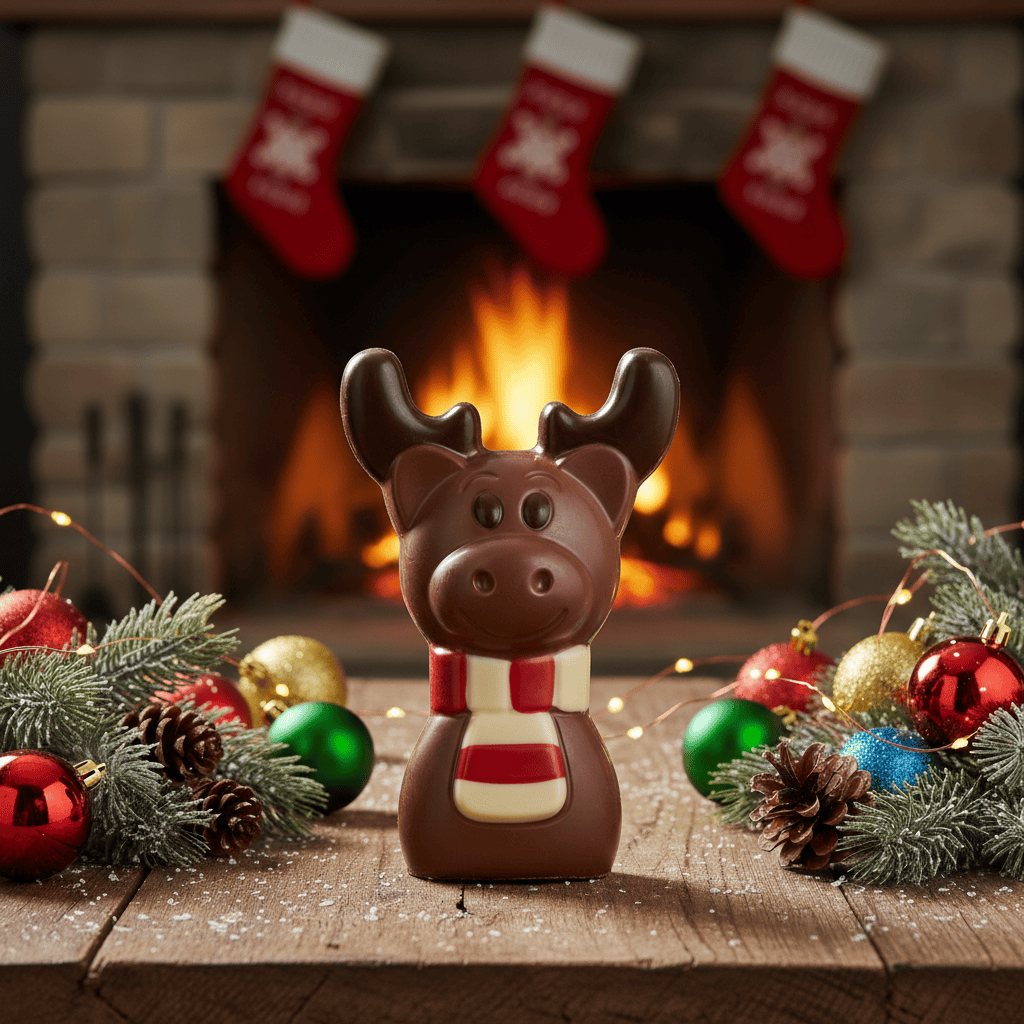
Les fêtes de fin d'année s'accompagnent d'une ambiance familière, un moment où les maisons s'emplissent des chaudes senteurs de cannelle, de pin et de chocolat onctueux. Si vous recherchez un cadeau à la fois attentionné et gourmand, une figurine en chocolat artisanale peut constituer la pièce maîtresse idéale. renne d'hiver en chocolat au lait 180g depuis
Avant d'entrer dans les détails, il est utile de comprendre la grande variété de chocolats disponibles. On entend souvent parler de chocolat noir, de chocolat au lait, de chocolat blanc, et même de nouvelles variétés comme le chocolat ruby ou le chocolat « de la fève à la tablette ». Ces appellations ne relèvent pas uniquement du marketing : elles reflètent des ingrédients, une teneur en cacao et des méthodes de fabrication différents qui influencent la saveur, le goût et la texture. Par exemple, le chocolat au lait est réputé pour sa texture plus onctueuse et crémeuse, grâce à l'ajout de lait en poudre ou de lait concentré sucré à la base de cacao. Ce plaisir quotidien reste un cadeau très apprécié, car sa saveur douce et accessible séduit un large public pendant les fêtes.
Ce qui fait du renne d'hiver un cadeau exceptionnel pour les fêtes, c'est l'alliance de son esthétique et de ses saveurs. Une figurine en chocolat de qualité est bien plus qu'une simple gourmandise ; c'est une petite sculpture à admirer, à partager et à savourer.
Quels sont les différents types de chocolat ?
Vous avez probablement déjà vu des étiquettes comme « au lait », « noir », « mi-amer » ou « blanc ». Ces noms indiquent non seulement le goût, mais aussi la composition : la quantité de cacao, le type de matières grasses utilisées et la présence ou non de produits laitiers ou d’ingrédients alternatifs. Le chocolat au lait, par exemple, associe des solides de cacao à du beurre de cacao et du lait en poudre ou du lait concentré pour obtenir une texture onctueuse et une douce saveur. Le chocolat noir, en revanche, est plus riche en cacao et contient moins de produits laitiers, ce qui lui confère des notes plus intenses et plus amères. Le chocolat blanc se distingue par sa composition : il contient du beurre de cacao mais pas de solides de cacao, ce qui lui donne un profil aromatique totalement différent. Chaque catégorie a son charme, et le meilleur choix dépend de l’occasion et des goûts de la personne à qui vous offrez le cadeau.
Ingrédients du chocolat au lait : qu’est-ce qui lui donne sa texture onctueuse ?
Le chocolat au lait doit son onctuosité caractéristique à un mélange de poudre de cacao, de beurre de cacao, de lait en poudre ou de lait concentré sucré et de sucre. Des émulsifiants comme la lécithine permettent d'obtenir une texture lisse, conférant au chocolat un fini brillant et une agréable sensation de fondant. Dans les créations belges haut de gamme, on remarque également un tempérage soigné et des ingrédients raffinés qui équilibrent la douceur et l'intensité du cacao. En croquant dans un renne d'hiver en chocolat au lait, vous savourez cette harmonie : un fondant soyeux, une douce saveur sucrée et les subtiles notes réconfortantes d'un cacao de grande qualité, le tout sublimé par une forme festive que vous aurez envie de conserver précieusement.
Un autre point important pour les amateurs de chocolat est le concept de chocolat de couverture, un chocolat de haute qualité contenant un pourcentage plus élevé de beurre de cacao. Cela lui confère une saveur plus riche et une fonte supérieure, ce qui explique en partie pourquoi les chocolats au lait haut de gamme peuvent paraître plus luxueux que les tablettes classiques de supermarché. Pour ceux qui offrent un cadeau, reconnaître un chocolat de couverture est un gage de qualité qui promet une expérience gustative vraiment mémorable.
Substitut de chocolat mi-amer lorsque vous souhaitez quelque chose de moins sucré
Si vous souhaitez explorer d'autres saveurs de chocolat que le chocolat au lait, le chocolat noir ou amer offre une expérience cacaotée plus intense avec moins de sucre. Pour les pâtissiers et les cuisiniers amateurs, un chocolat amer peut s'avérer pratique lorsqu'une recette demande du chocolat mi-sucré mais que vous préférez une saveur plus riche et plus cacaotée. Pour choisir un chocolat de substitution, commencez par vérifier le pourcentage de cacao et ajustez le niveau de sucre avec une touche d'ingrédients locaux comme des fruits ou de la crème, si besoin. Pour offrir, un petit assortiment comprenant une figurine en chocolat au lait et quelques morceaux de chocolat noir constitue un ensemble équilibré et élégant, idéal pour les amateurs de chocolat qui apprécient les contrastes.
tablette de chocolat au lait : à quoi s'attendre d'une tablette classique par rapport à une figurine
Une tablette de chocolat au lait est un choix sûr et apprécié de tous. Onctueuse, légèrement sucrée et facile à partager, elle transforme un simple cadeau en une expérience unique. La figurine en chocolat au lait apporte une dimension tactile et visuelle qui la rend idéale à exposer, à offrir ou comme centre de table sur un buffet de desserts. Son format de 180 g offre un équilibre parfait entre quantité et praticité : suffisamment généreux pour témoigner d'une attention particulière, mais aussi facile à déguster sans gaspillage. Au moment de choisir entre tablette et figurine, pensez au message que vous souhaitez transmettre : une tablette évoque le partage, tandis qu'une figurine symbolise un précieux souvenir.
Chocolat mi-sucré vs chocolat au lait : différences de goût et d’utilisation
Le chocolat mi-amer se situe entre le chocolat au lait et le chocolat noir en termes de douceur et d'intensité de cacao. C'est un choix populaire pour la pâtisserie et la dégustation, offrant une texture plus riche que le chocolat au lait tout en conservant un profil doux et agréable. Pour vos desserts de fêtes ou votre fondue, le chocolat mi-amer se marie à merveille avec certains fruits secs. Le chocolat au lait, quant à lui, est souvent privilégié pour offrir ou simplement grignoter, car sa texture onctueuse et sa douceur agréable sont très appréciées. Comprendre ces différences vous permettra de composer un petit assortiment qui conviendra à tous les goûts et à toutes les occasions pendant les fêtes.
Concrètement, choisir le bon chocolat est une question d'équilibre : texture, saveur et occasion. renne d'hiver au chocolat au lait Elle allie le réconfort d'une saveur familière au plaisir d'une figurine festive, idéale à offrir, à partager ou à savourer comme une gourmandise personnelle pendant les fêtes.
Pour vos fêtes de fin d'année autour du chocolat, n'oubliez pas que la présentation compte autant que le goût. Un joli paquet accompagné d'un petit mot manuscrit peut transformer une simple gourmandise en un cadeau précieux.
Comment conserver et déguster les chocolats offerts pendant les fêtes
La conservation est essentielle pour préserver la saveur et la texture du chocolat. Conservez-le dans un endroit frais et sec, à l'abri de la lumière directe du soleil, idéalement entre 15 et 20 °C. Évitez de le mettre au réfrigérateur trop longtemps, car cela peut provoquer de la condensation et un voile terne. Avant de le déguster, laissez-le revenir à température ambiante quelques minutes pour apprécier pleinement son arôme et sa texture fondante. Pour offrir, une jolie boîte ou un emballage agrémenté d'un ruban transformera ce petit geste gourmand en un souvenir mémorable. Le plaisir d'offrir est décuplé lorsque le chocolat est présenté avec soin et conservé correctement, permettant ainsi à ses saveurs de s'exprimer pleinement lors de la dégustation.