A chocolate mendiants gift box can look deceptively simple. Discs of chocolate, a few carefully placed fruits and nuts, elegant packaging - it is easy to assume they are all roughly the same. They are not. The difference lies in the chocolate itself, the quality of the toppings, and the care taken from cacao bean to finished piece.
For a gift buyer, that difference matters. Mendiants sit at the intersection of fine chocolate and easy enjoyment. They feel generous without being heavy, refined without being fussy, and familiar enough to please a wide range of tastes. When made well, they offer more than visual charm. They show the character of the cacao, the balance of texture, and the standards of the maker behind them.
What makes a chocolate mendiants gift box worth giving
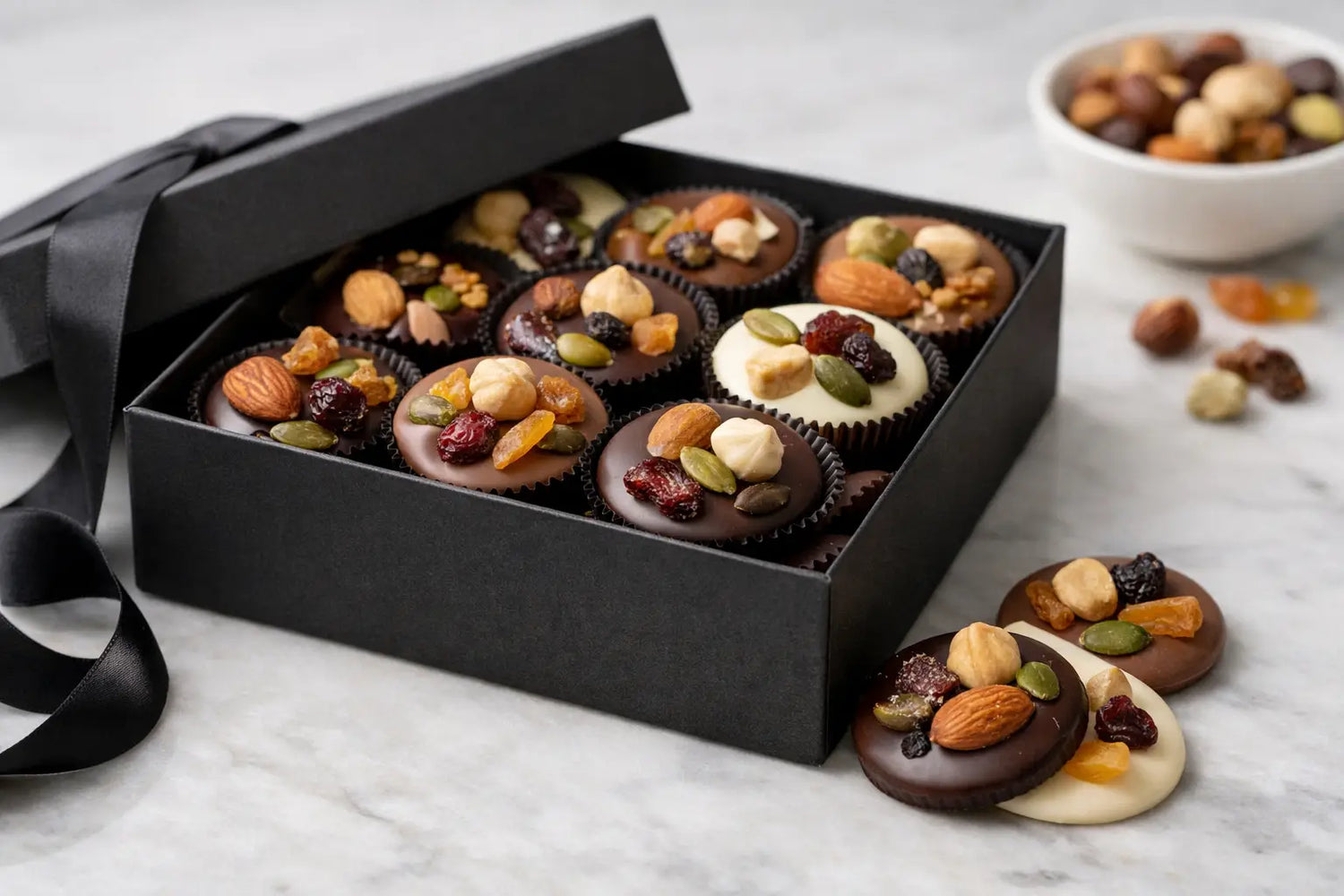
A strong gift box begins with real chocolate craft, not decoration. Mendiants are often judged first by appearance, and presentation does matter. A neat arrangement of pistachios, almonds, candied orange, or dried berries gives each piece its appeal. But toppings should support the chocolate, not hide it.
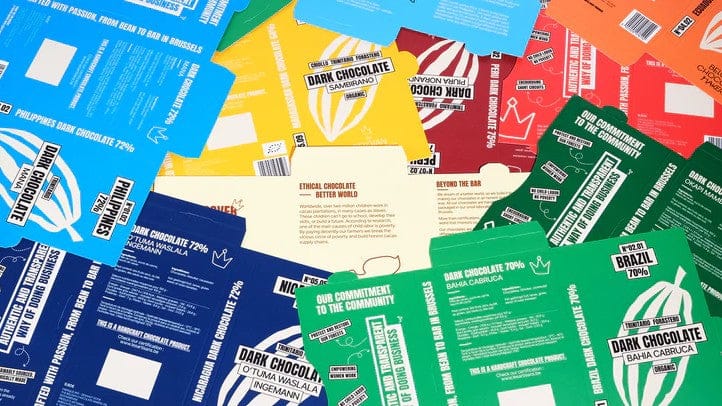
That is why the chocolate base deserves the closest attention. If the maker works from finished industrial couverture, the result may still be pleasant, but it tells a different story from bean-to-bar production. A bean-to-bar workshop controls roasting, refining, conching, tempering, and molding in-house. That level of involvement shapes flavor in a direct way. It also gives the buyer clearer insight into sourcing and production standards.
In a gift format, this matters for two reasons. First, the recipient can taste a more distinctive chocolate, with real depth rather than generalized sweetness. Second, the gift carries more meaning. It reflects thoughtfulness, not just expense.
Why bean-to-bar matters in chocolate mendiants gift box selection
Mendiants are a good test of chocolate quality because there is nowhere to hide. A praline can rely on filling. A truffle can lean on texture. A mendiant puts the chocolate front and center, then adds contrast through carefully chosen toppings.
When the chocolate is made in-house from selected cacao beans, the final piece usually feels more precise. Dark chocolate mendiants can show notes of dried fruit, spice, roasted nuts, or subtle acidity depending on origin and roast profile. Milk chocolate versions may carry caramel or toasted grain notes without becoming cloying. White chocolate, when handled with restraint, can provide a creamy base for sharper toppings such as cranberry or citrus.
The trade-off is that true craft chocolate can be less uniform than mass-market chocolate. Some buyers expect every piece to taste broadly sweet and identical. Bean-to-bar mendiants often offer more variation and more character. For most premium gift buyers, that is a strength, not a drawback.
The role of toppings in a chocolate mendiants gift box
The classic idea behind mendiants is balance. Nuts bring richness and crunch. Dried fruits contribute chew and brightness. Seeds or spices can add another layer if used lightly. Good makers understand proportion. Too many toppings make the piece messy and overly sweet. Too few, and the concept loses its charm.
Texture is as important as flavor. A crisp tempered chocolate shell with well-kept pistachios or almonds creates clean contrast. Soft or stale toppings flatten the experience immediately. Candied citrus should taste vivid, not syrupy. Raisins or berries should add fruit character, not just sugar.
There is also a visual discipline to well-made mendiants. The toppings should be arranged with intention, not scattered at random. In a gift box, every piece should feel finished. That sense of care is part of what the recipient notices before the first bite.
Dark, milk, or assorted?
For gifting, assorted boxes tend to be the safest choice because they invite sharing and suit different preferences. Dark chocolate appeals to buyers who want depth and a less sugary finish. Milk chocolate is often the most crowd-pleasing option. Assorted selections create a more complete experience, especially when each chocolate type is paired with toppings that suit its profile.
If you know the recipient well, a single-style box can feel more personal. If you do not, assortment usually wins on versatility.
Presentation matters, but not in the obvious way
A premium chocolate mendiants gift box should look elegant, but packaging is not only about appearance. It protects fragile pieces, preserves finish, and signals how seriously the maker takes the product.
Thin discs of chocolate can scuff, crack, or bloom if packed carelessly. A good box keeps pieces stable and separated enough to arrive in excellent condition. That matters even more for shipping, especially in warmer seasons or for international orders.
Presentation should also match the product inside. If the branding feels extravagant but the chocolate is ordinary, the effect is hollow. The best gift boxes communicate confidence through restraint. Clean design, quality materials, and thoughtful arrangement usually say more than ornate excess.
Freshness and shelf life
Mendiants are not as perishable as cream-filled chocolates, but freshness still matters. Nuts can lose crispness, dried fruits can harden, and chocolate can absorb storage flaws over time. When buying a gift box, it is worth choosing a maker with steady production and good stock rotation rather than one relying on long shelf-life convenience.
This is another advantage of an artisan workshop model. Small-batch production tends to support fresher output, especially when the maker controls finishing and packing directly.
What ethically minded buyers should look for
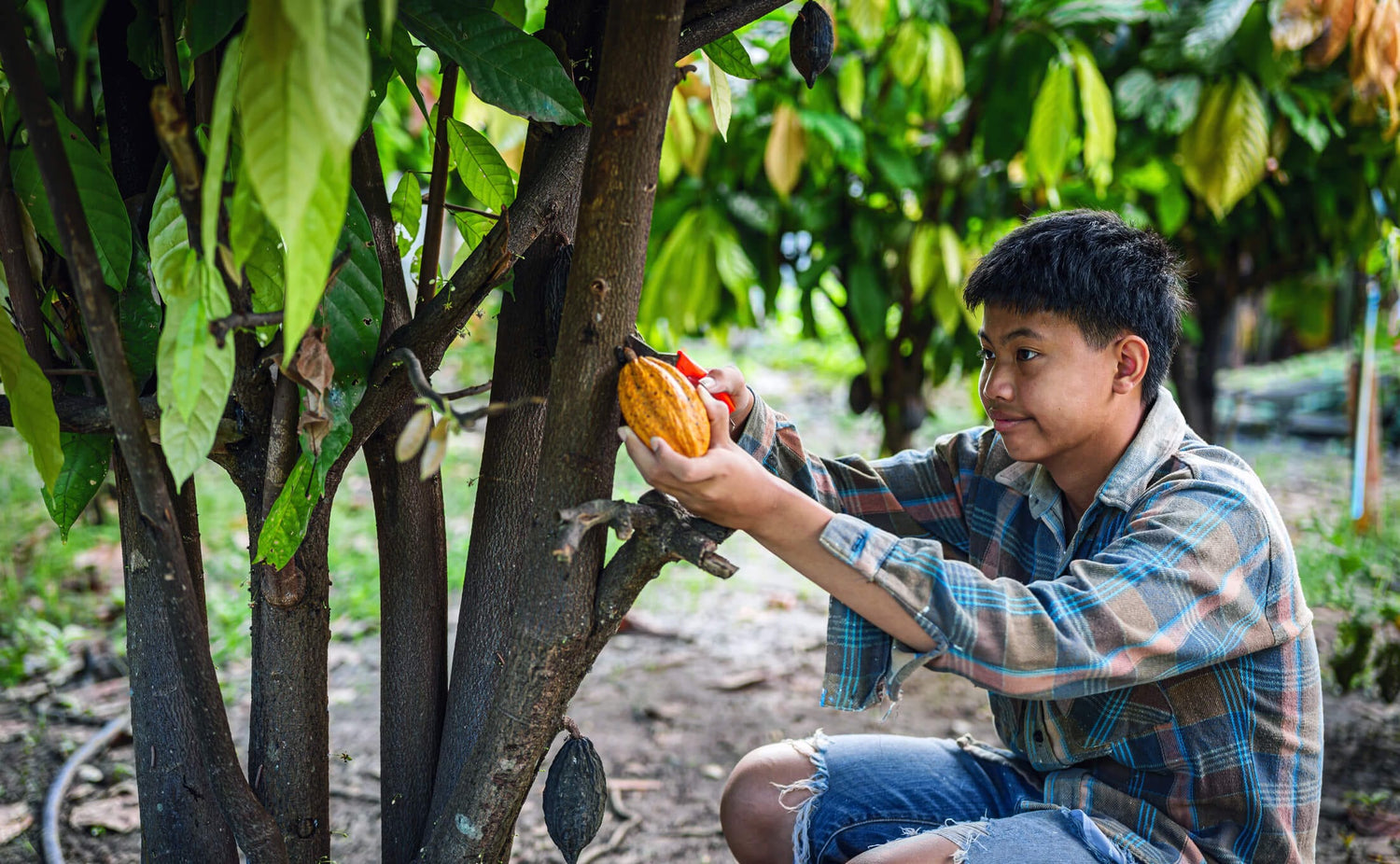
For many premium shoppers, a gift is not only about taste. It is also about the values behind it. Chocolate is one of those categories where sourcing matters deeply. Cacao origin, transparency, and production control affect both ethics and flavor.
A chocolate mendiants gift box made by a bean-to-bar producer offers a stronger basis for trust because the maker can speak directly about where the cacao comes from and how it is transformed. That does not automatically guarantee perfection, but it does create accountability. You are not buying an anonymous finished couverture with a luxury label placed on top.
Ethical sourcing is especially meaningful in gifting because it aligns the gesture with substance. The gift feels polished on the surface and considered beneath it. For many recipients, that combination is part of what makes artisan chocolate memorable.
When mendiants are the right gift
Mendiants work especially well when you want something elegant but broadly appealing. They suit host gifts, corporate gifting, holiday giving, thank-you gestures, and personal treats sent from afar. They are easier to share than a single bar and less formal than a large boxed assortment of filled chocolates.
They also travel well compared with more delicate confections, though season and shipping conditions still matter. In warm climates, proper packing becomes essential. In cooler months, a gift box of mendiants can be one of the most dependable ways to send fine chocolate without compromising quality.
There are cases where another format may be better. If the recipient loves intense tasting experiences, a set of single-origin bars may offer more complexity. If they expect classic Belgian indulgence, pralines may feel more celebratory. Mendiants shine when you want refinement, ease, and a gift that invites immediate enjoyment.
How to recognize real quality before you buy
A strong product description should tell you more than flavor names. Look for evidence of in-house production, cacao origin, and attention to ingredients. If a maker speaks clearly about roasting, refining, or sourcing, that usually reflects genuine involvement. If the focus is almost entirely on packaging and gifting occasions, the chocolate itself may be secondary.
Photos can help, but they only go so far. Glossy finish, even temper, and clean topping placement are positive signs. Beyond that, the reputation of the maker matters. A workshop that produces its chocolate from bean to bar is making a more serious commitment than one assembling finished chocolate into attractive formats.
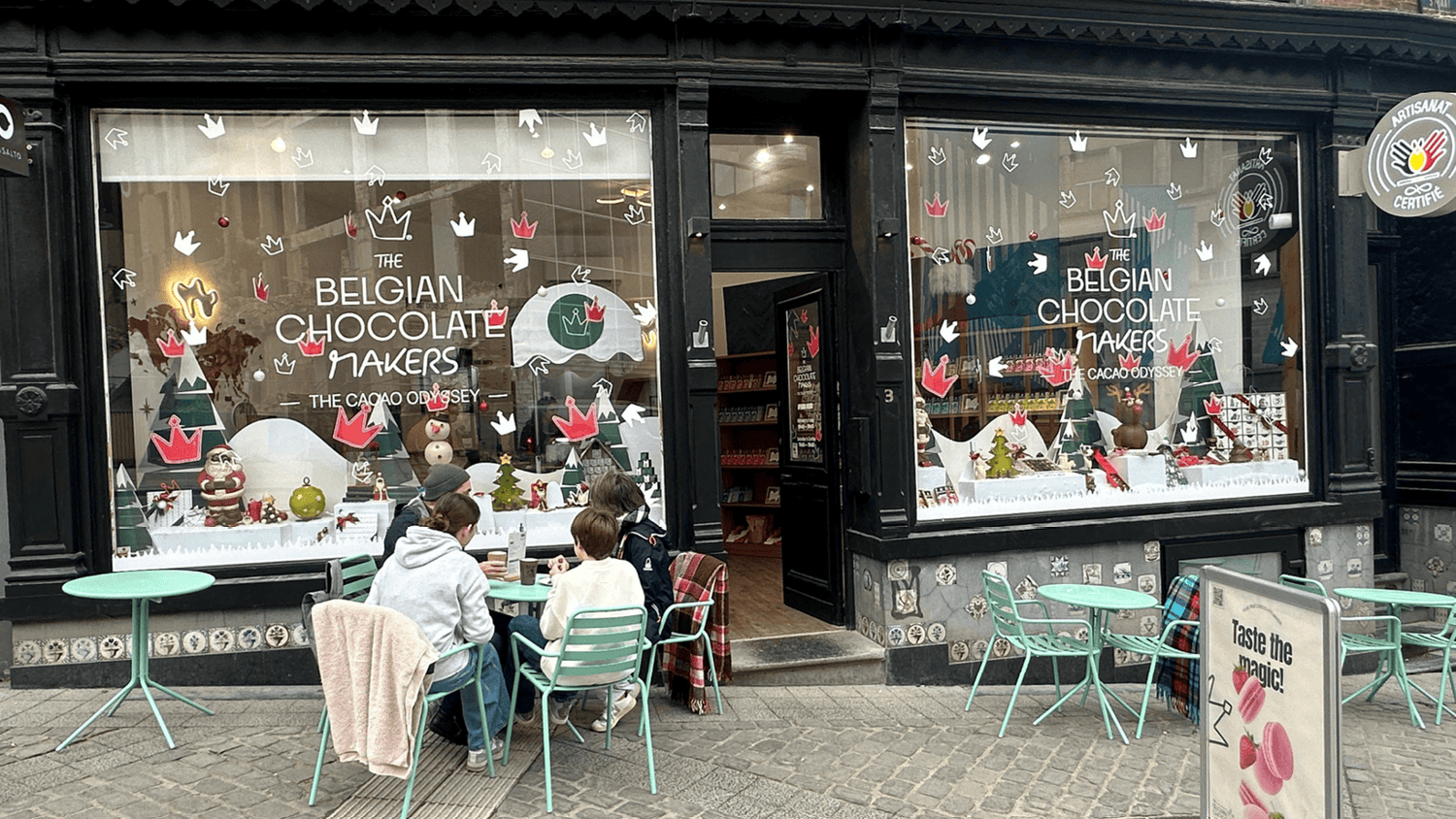
For buyers seeking a premium Belgian expression of this craft, The Belgian Chocolate Makers stands out precisely because the full process happens in-house. That changes the final product in ways a gift recipient can actually taste.
A good gift should feel considered before it is opened and satisfying after it is shared. That is why a well-made box of mendiants earns its place so easily. It offers beauty, texture, and true chocolate character in one gesture - and when the craftsmanship is real, the simplicity becomes the luxury.