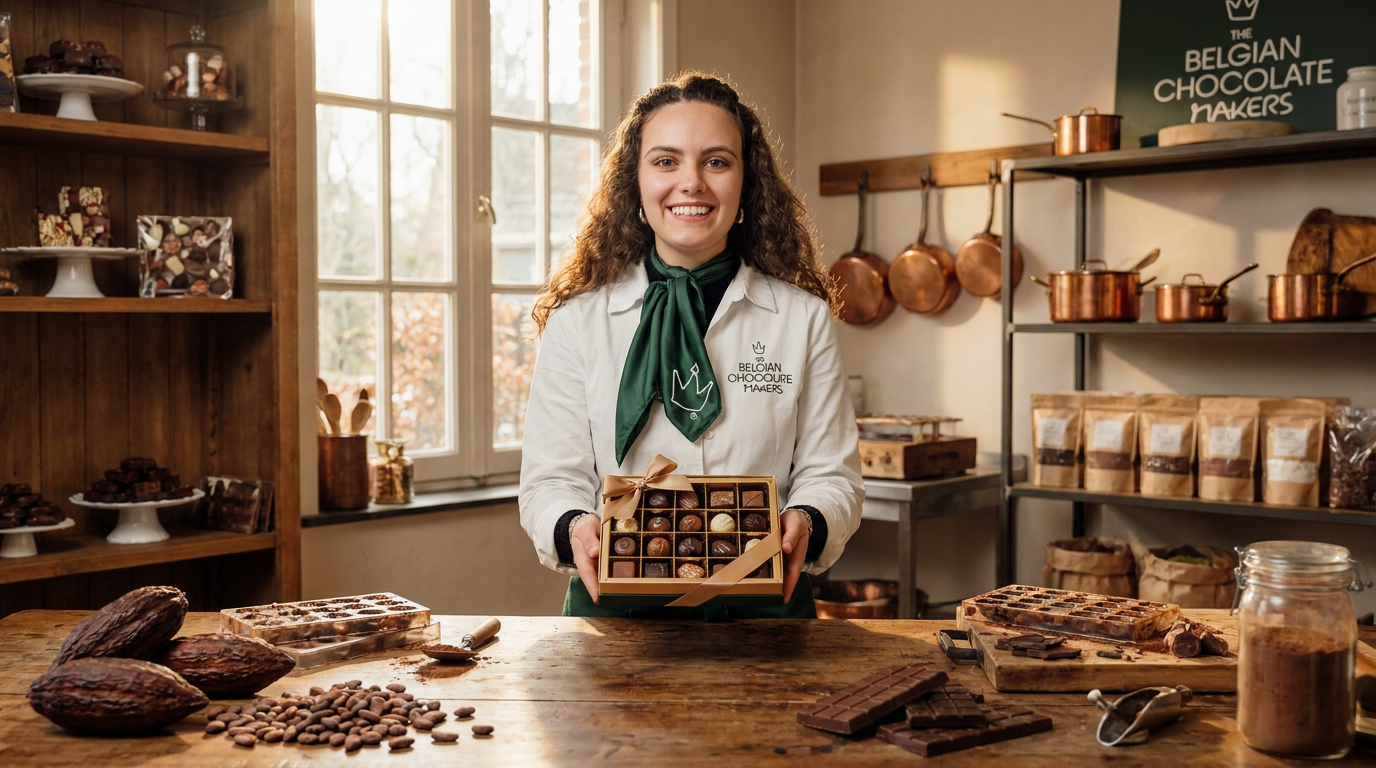
A Belgian chocolate workshop review should begin before the first bite. The real question is not whether a box looks luxurious, but whether the chocolatier makes chocolate or simply works with chocolate made elsewhere. For buyers who care about flavor, provenance, and the meaning behind a gift, that distinction changes everything.
Belgium has earned its place in chocolate history through technical skill, praline-making traditions, and a deep culture of gifting. Yet the term “Belgian chocolate” alone does not reveal how a bar or bonbon was produced. A workshop that transforms cacao beans into finished chocolate offers a closer connection to the product, its ingredients, and the people who made it.
What this Belgian chocolate workshop review assesses
A thoughtful workshop review should look beyond polished packaging and familiar flavor names. It should consider the maker’s level of involvement, the quality of the cacao, the clarity of origin information, and the care given to the final assortment. These details are especially relevant when selecting chocolate for a host, client, colleague, or someone whose taste you know well.
The strongest workshops are clear about their role in the process. They do not treat chocolate as an anonymous ingredient. Instead, they begin with cacao beans, then roast, crack, winnow, refine, conche, temper, mold, and finish the chocolate in-house. Each stage affects the finished flavor and texture.
That approach requires more expertise than melting industrial couverture and filling shells. It also gives the maker more responsibility. Roasting can bring forward fruit, nuts, caramel, or deeper cocoa notes. Refining determines whether a bar feels silky or gritty. Conching shapes aroma and softness. Tempering provides the clean snap and gloss expected of fine chocolate.
A true workshop is not automatically superior simply because it is small. Small-batch production can be inconsistent if technique is weak or ingredients are poorly chosen. But when skilled chocolate makers control the process carefully, bean-to-bar production offers a level of authorship that conventional production cannot easily match.
Bean-to-bar changes what you taste
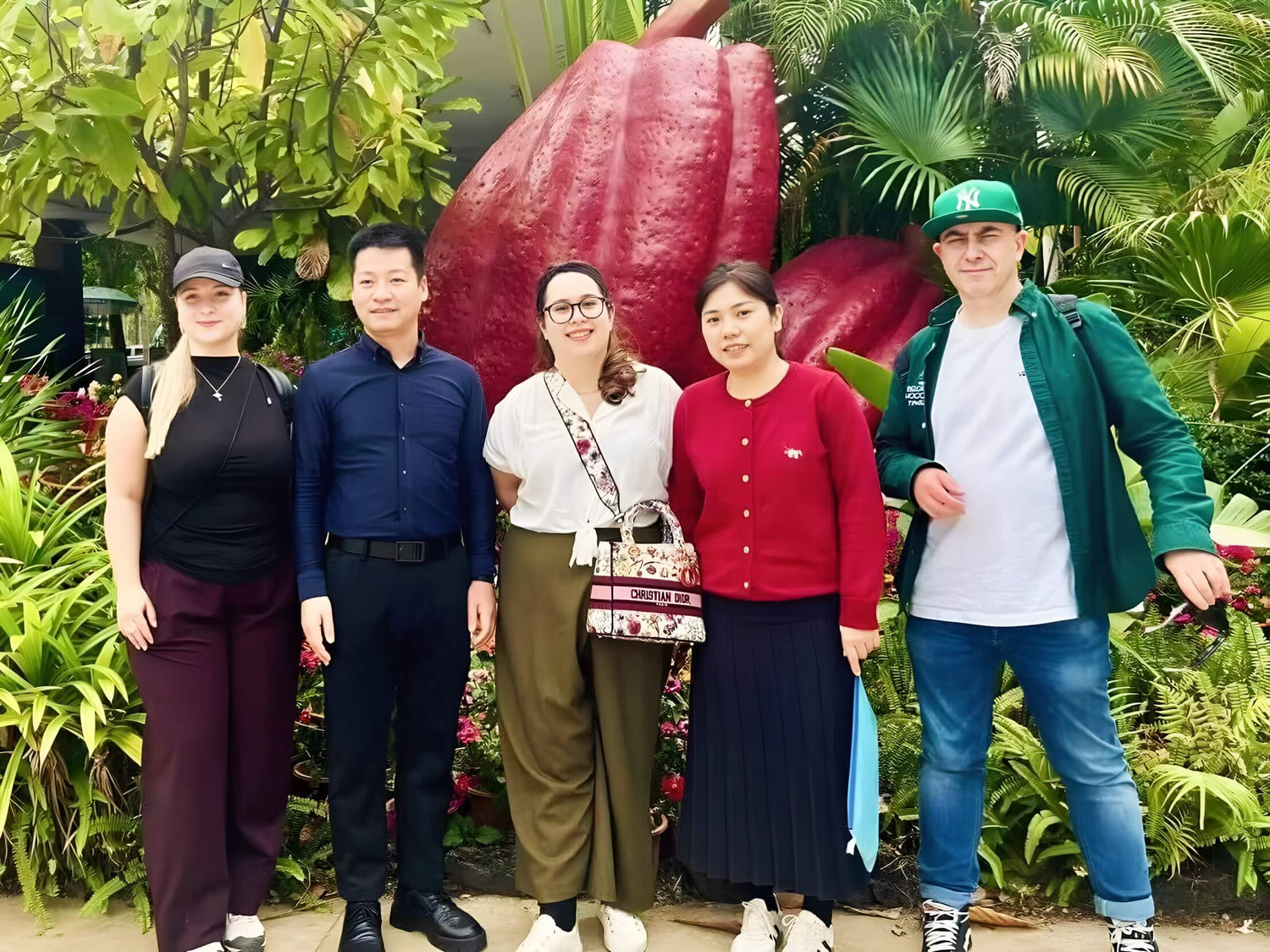
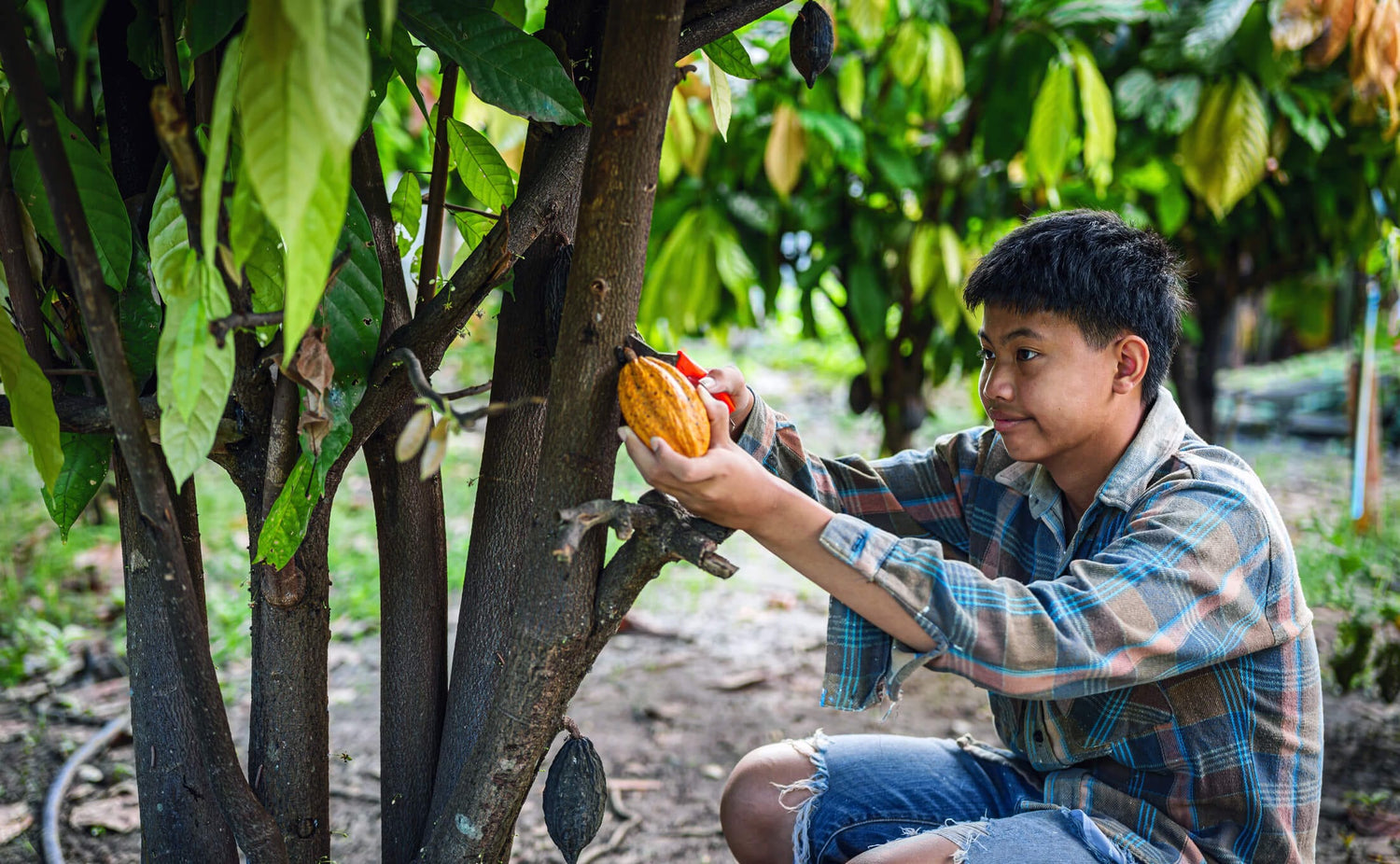
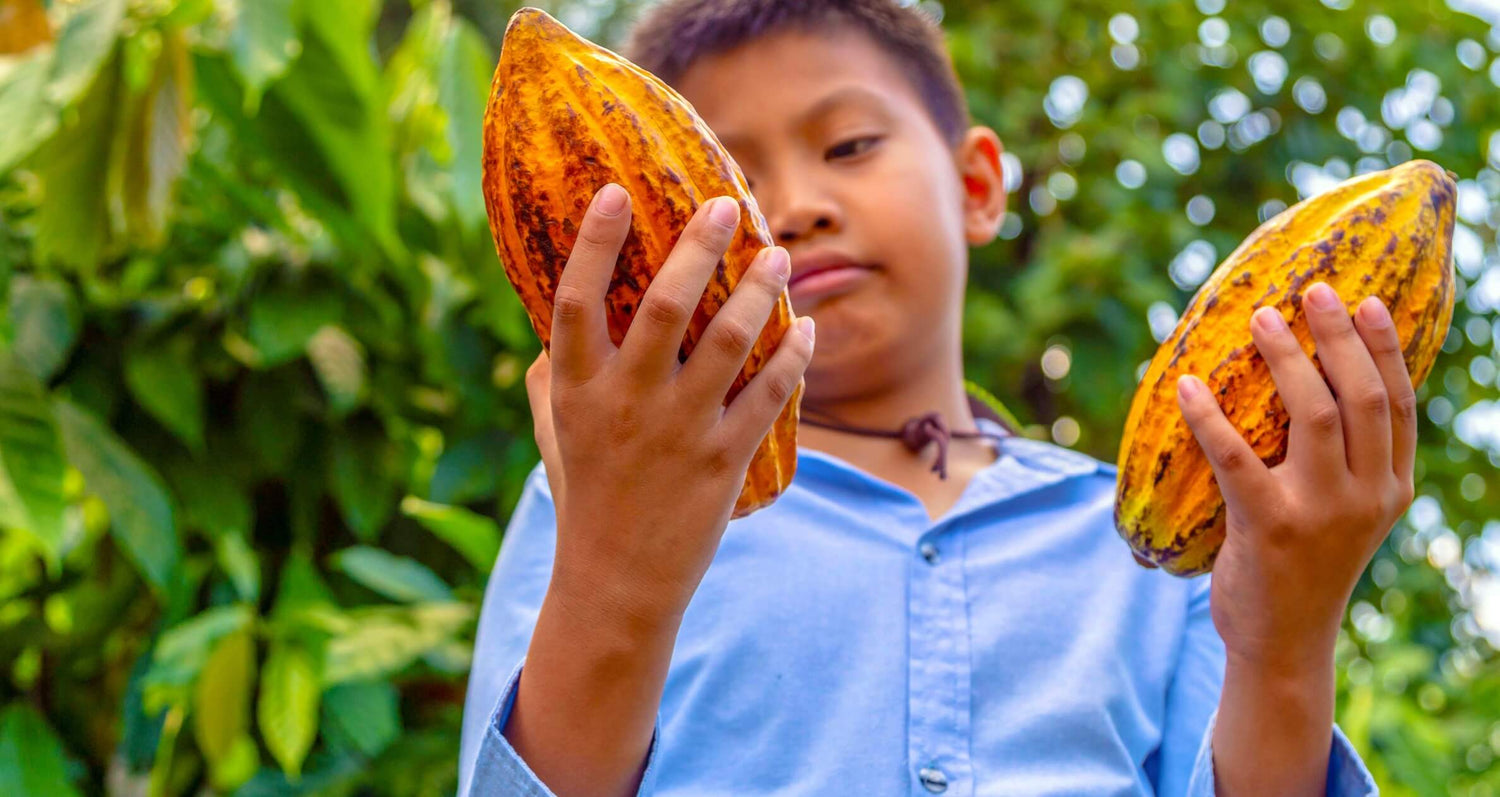
Cacao is agricultural. Like coffee grapes or wine grapes, its character is influenced by where and how it is grown, fermented, dried, and handled after harvest. A well-made single-origin chocolate can express notes that are specific to its cacao: red fruit, citrus, roasted almond, honey, spice, or a mellow earthy depth.
This does not mean every bar should taste sharply distinctive. Some people prefer a balanced dark chocolate with a familiar cocoa profile, while others enjoy comparing the bright acidity of one origin with the rounder, more caramel-like quality of another. The value lies in having a choice that is intentional rather than generic.
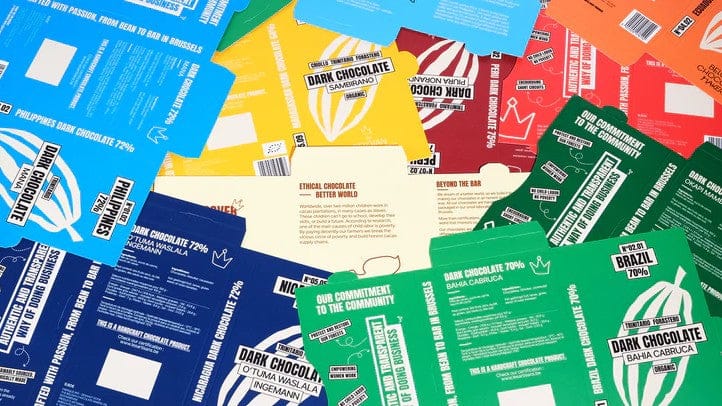
Origin transparency is therefore more than a marketing detail. A maker that identifies a cacao’s country, region, cooperative, or farm gives the buyer useful context. It shows that sourcing is part of the chocolate’s story, not an afterthought added to the label.
Ethical sourcing deserves the same scrutiny. No short phrase can solve the complicated realities of cacao farming, but a credible workshop should take responsibility for how it selects suppliers and speak clearly about traceability. Buyers should be able to recognize that a premium price supports more than a decorative box. It should reflect better ingredients, skilled labor, careful production, and a more accountable supply chain.
Flavor should feel precise, not overworked
The best chocolate does not need to announce itself with excessive sweetness, heavy flavorings, or a long list of inclusions. Its quality is apparent in the finish. A plain dark bar should melt evenly, release a clean cocoa aroma, and leave a lingering flavor rather than a waxy coating or blunt sugar rush.
For milk chocolate, the balance is different but no less demanding. Fine milk chocolate should retain cacao character while offering creaminess and warmth. It should not taste like sugar with a faint cocoa background. White chocolate, often dismissed too quickly, can also be exceptional when its cocoa butter, dairy notes, vanilla, and sweetness are handled with restraint.
Pralines and truffles introduce another measure of skill. The shell should be thin enough to complement the filling, not dominate it. A ganache should taste fresh and composed, with a texture that is smooth rather than oily or overly dense. Fruit, spice, nuts, coffee, and liqueur should support the chocolate instead of hiding it.
Workshop craft meets the needs of gifting
Craft matters, but presentation matters too. Chocolate is often chosen for occasions when the gift needs to feel considered: a thank-you, a celebration, a business gesture, or a small luxury sent across distance. A serious chocolatier should make it easy to choose something appropriate without reducing every decision to a generic assortment.
A well-rounded collection gives buyers several ways to shop. Bars are ideal for exploring cacao origins and finding a personal favorite. Pralines and truffles suit immediate sharing. Mendiants offer a more textural, ingredient-led experience, while spreads bring workshop chocolate into breakfast or dessert. Seasonal pieces and refined gift boxes make an occasion feel timely without sacrificing quality.
The trade-off is worth acknowledging. A broad assortment can be exciting, but it can also make a gift feel less focused if every item follows a different flavor direction. For an experienced chocolate lover, a small selection of single-origin bars may be the most meaningful choice. For a household, office, or host gift, a varied praline box is often more generous and accessible.
Freshness also matters. Delicate filled chocolates have a shorter ideal window than solid bars, and they deserve sensible storage away from heat, sunlight, and strong odors. A beautiful box left in a warm car can lose the snap, sheen, and fine texture the workshop worked hard to achieve.
A Brussels workshop has a particular standard to meet
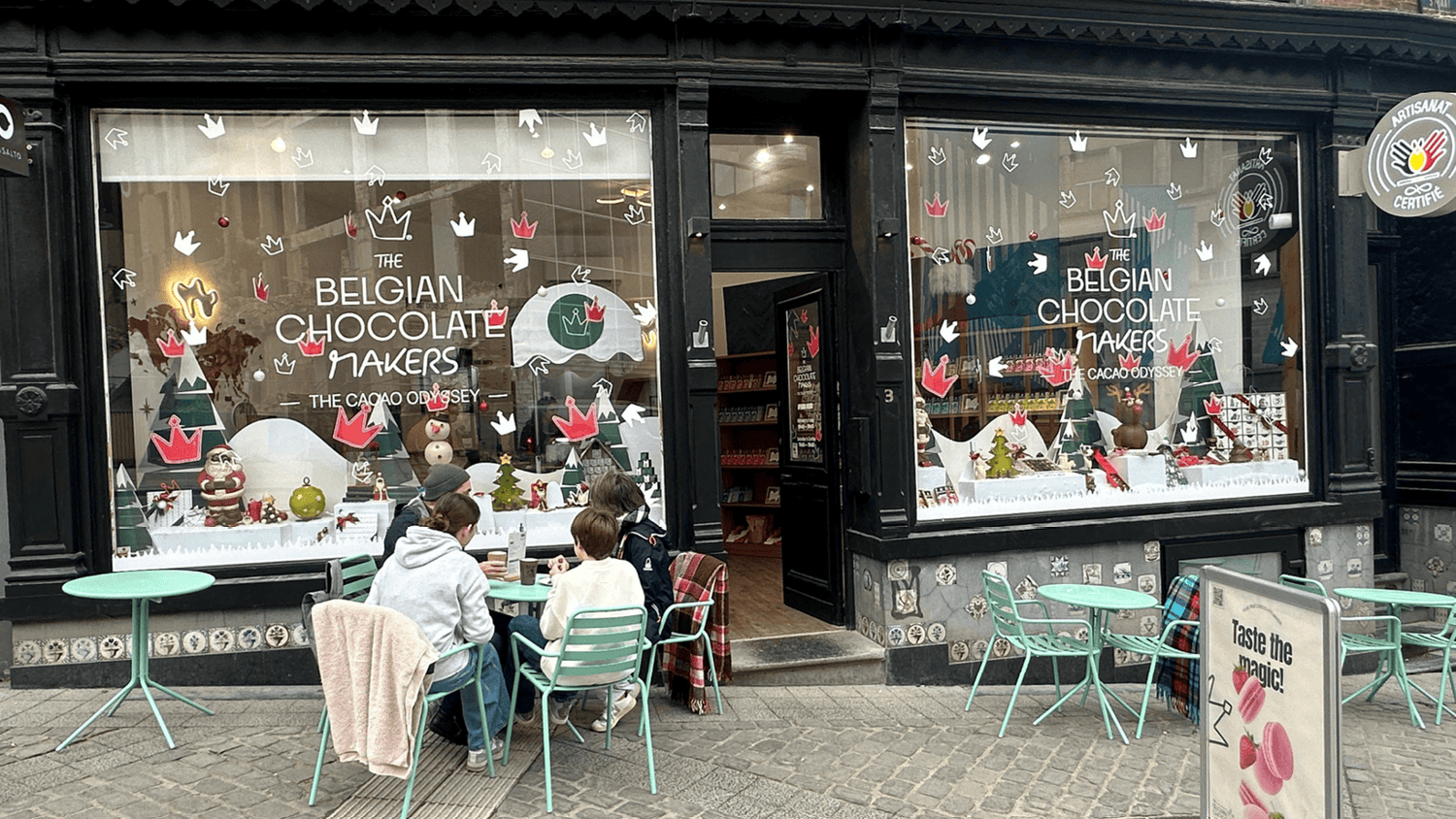
Brussels is associated with chocolate for good reason, but the city’s reputation creates a high bar. Visitors can find countless shops carrying the language of Belgian tradition. What separates a modern artisan workshop is evidence of actual production, thoughtful sourcing, and a point of view about flavor.
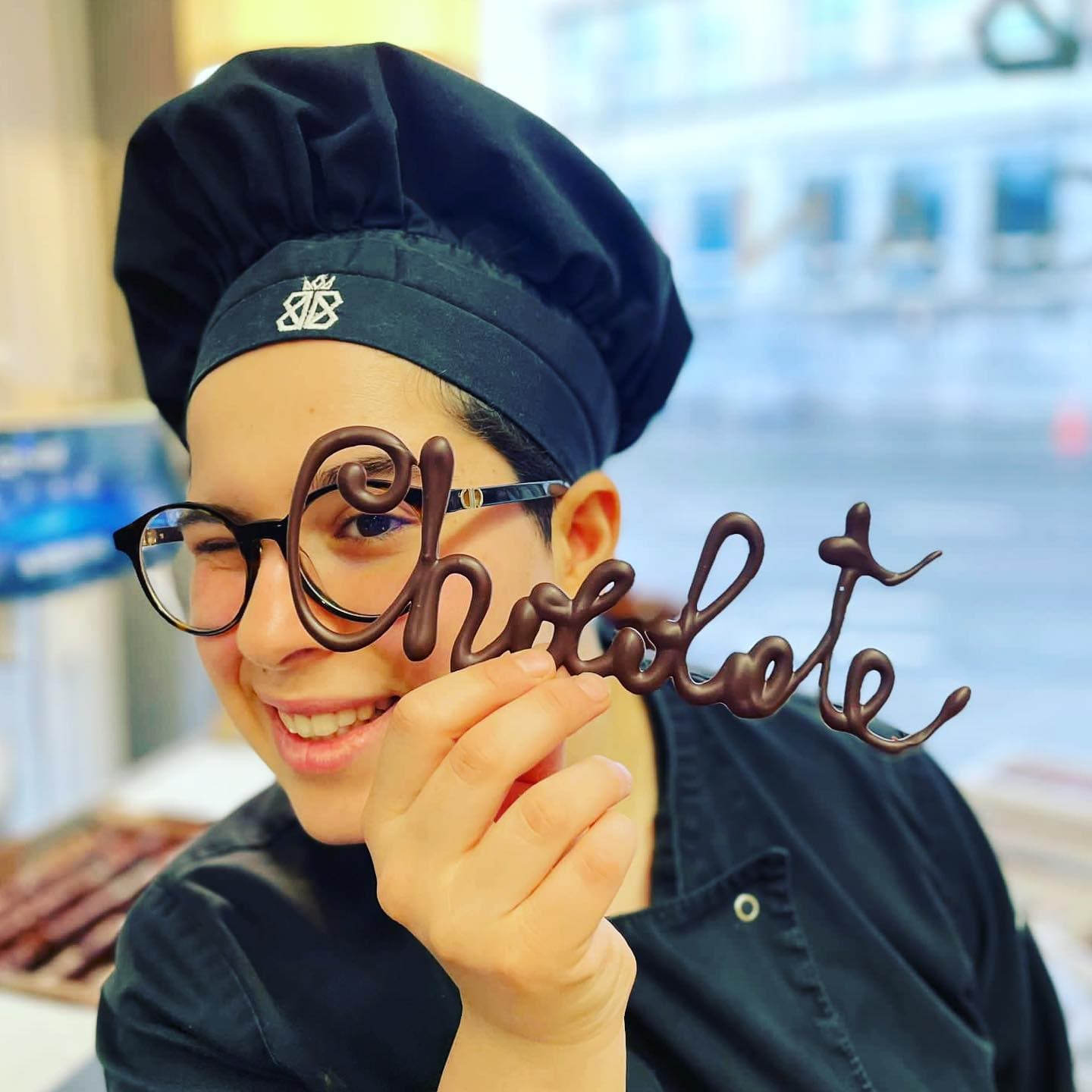
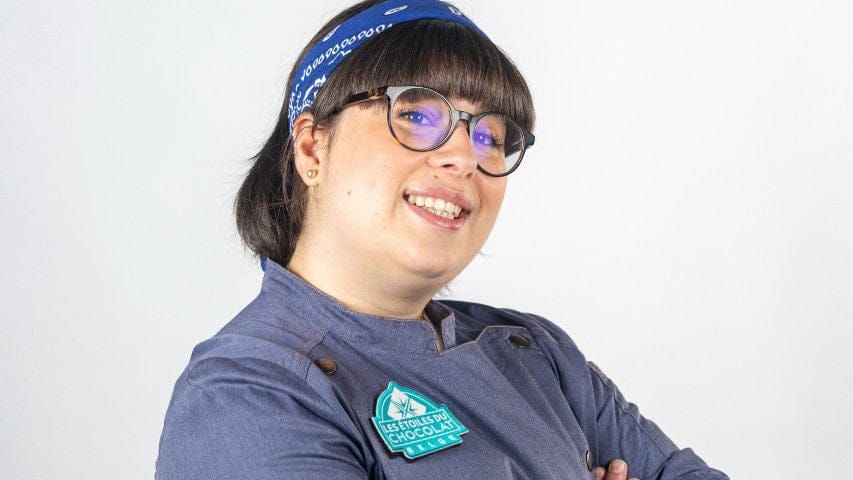
At The Belgian Chocolate Makers, chocolate is produced from carefully sourced cacao beans in the company’s own central Brussels workshop. That in-house process creates a direct line between raw cacao and the finished bar, praline, or gift selection. For a buyer, it is a meaningful indicator that the product has been shaped by makers rather than assembled from standardized chocolate.
This model also preserves an appealing tension between heritage and modern expectations. Belgian craftsmanship remains visible in the precision of molds, praline work, and gift presentation. At the same time, bean-to-bar production invites a more contemporary conversation about origin, ingredient integrity, and responsible sourcing.
How to choose from an artisan chocolate collection
Start with the recipient, then let the workshop’s range guide the choice. For a dark-chocolate enthusiast, select a bar with a clearly stated cacao origin or percentage and allow its flavor to be the focus. For someone new to craft chocolate, a balanced milk bar or a mixed selection offers an inviting introduction without demanding a trained palate.
When choosing a gift, consider whether the moment calls for discovery or abundance. A curated box of pralines feels celebratory and ready to share. A collection of bars feels personal, especially when each origin offers a different tasting experience. Seasonal creations work well when you want the gift to feel connected to a particular holiday or gathering.
It is also wise to read ingredient information closely. A short, understandable ingredient list is often a positive sign, although simplicity alone does not guarantee quality. Look for a clear relationship between the product name and what is inside. A hazelnut praline should taste of hazelnut. A fruit ganache should have brightness and definition. A dark bar should allow cacao to lead.
The most satisfying chocolate purchases reward attention. Choose a workshop that can explain its cacao, demonstrate its craft through flavor, and present its creations with the care worthy of a gift. Then take time to taste slowly. A clean snap, a gradual melt, and a memorable finish are often the clearest review a chocolate maker can earn.