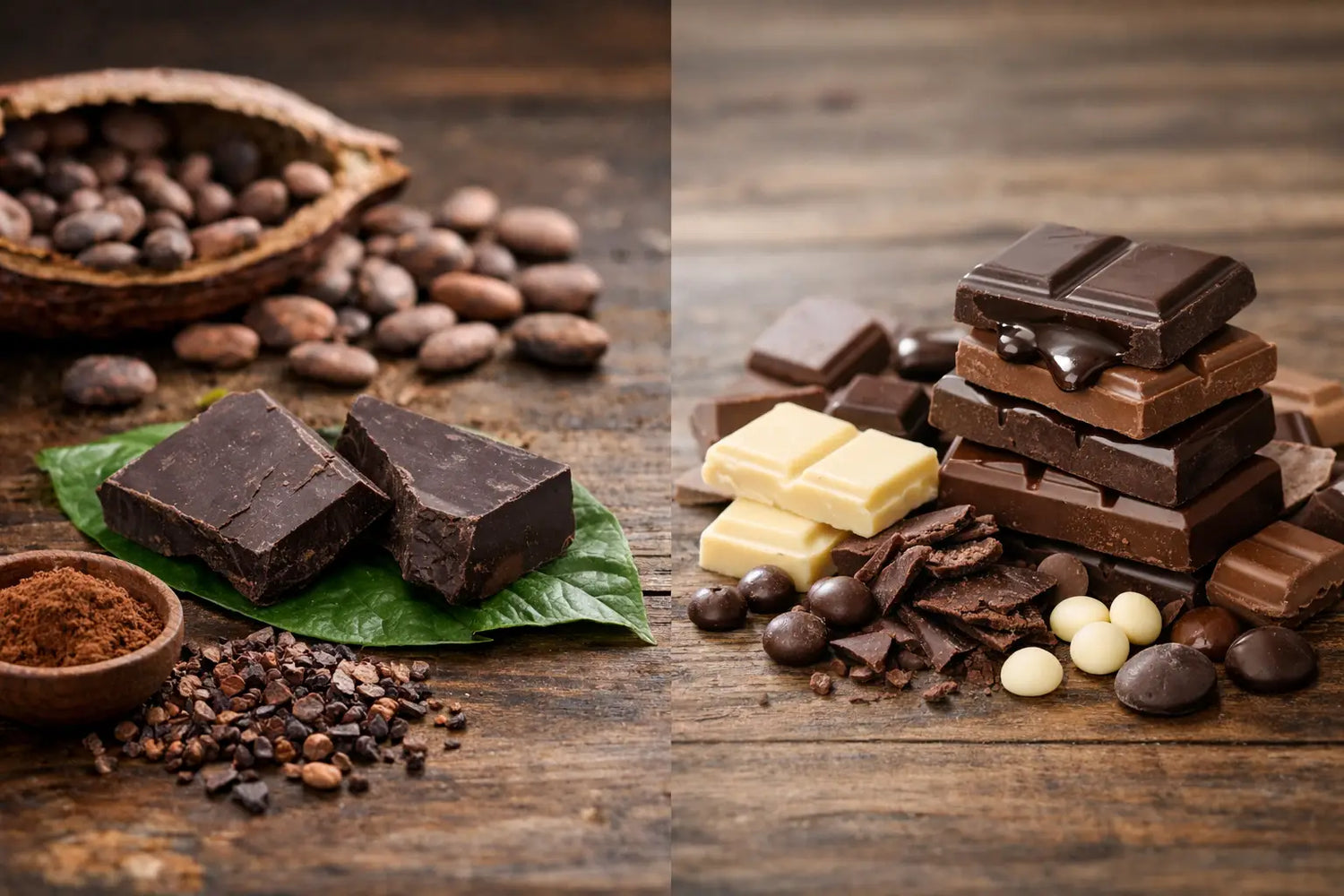
A cacao label can tell a story before the first square is tasted. In the question of single estate versus blended chocolate, the meaningful distinction is not simply one origin against many. It is about how clearly a chocolate expresses place, how deliberately its flavor has been composed, and what the maker chooses to reveal about the beans behind the bar.
Both styles can produce exceptional chocolate. A single-estate bar may offer a precise sense of terroir, while a thoughtfully blended bar can be beautifully balanced and reliably expressive. The better choice depends on what you hope to taste, whether you value a particular harvest story, and whether the chocolate is intended for quiet tasting, baking, or a generous gift.
What single-estate chocolate really means
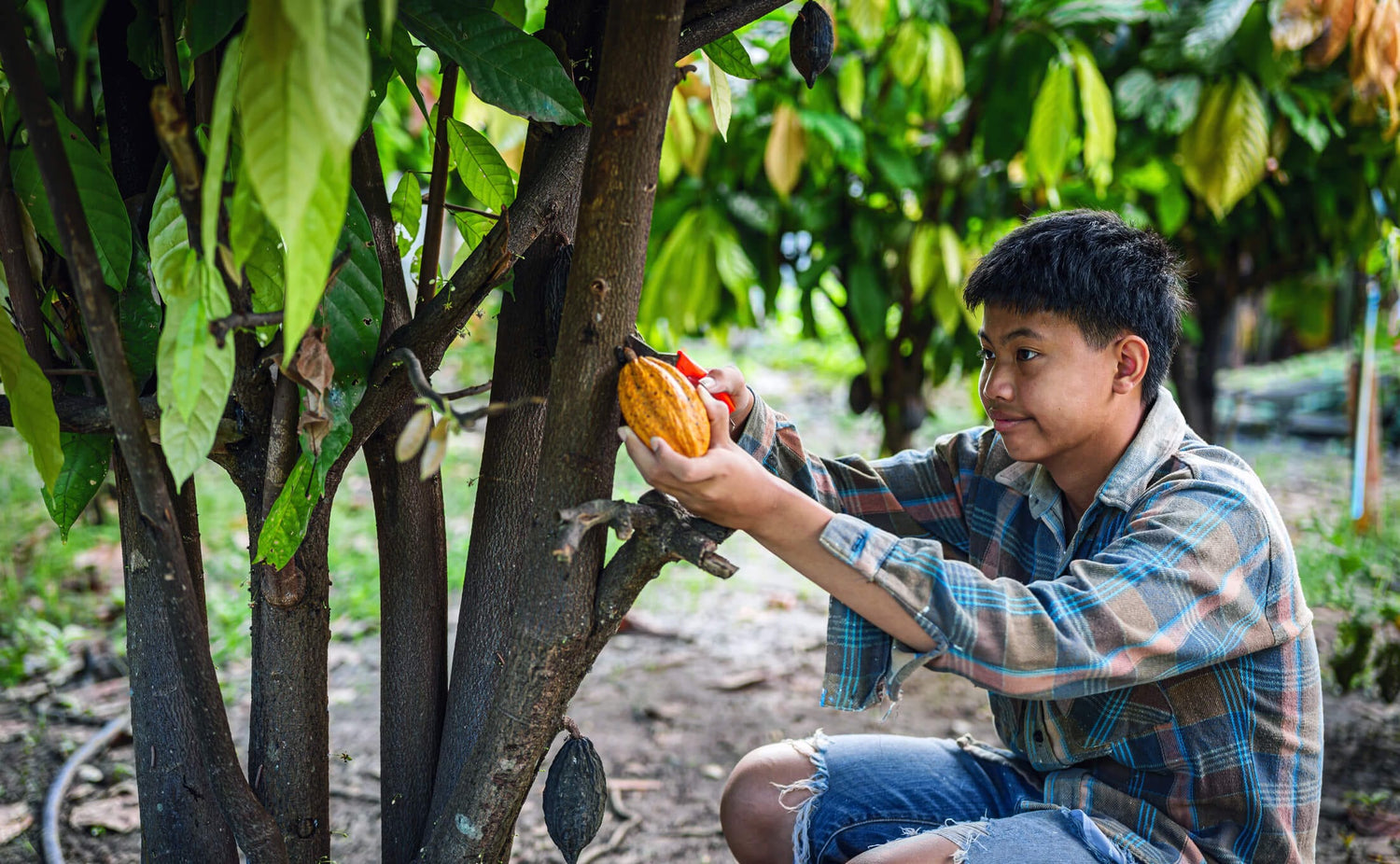
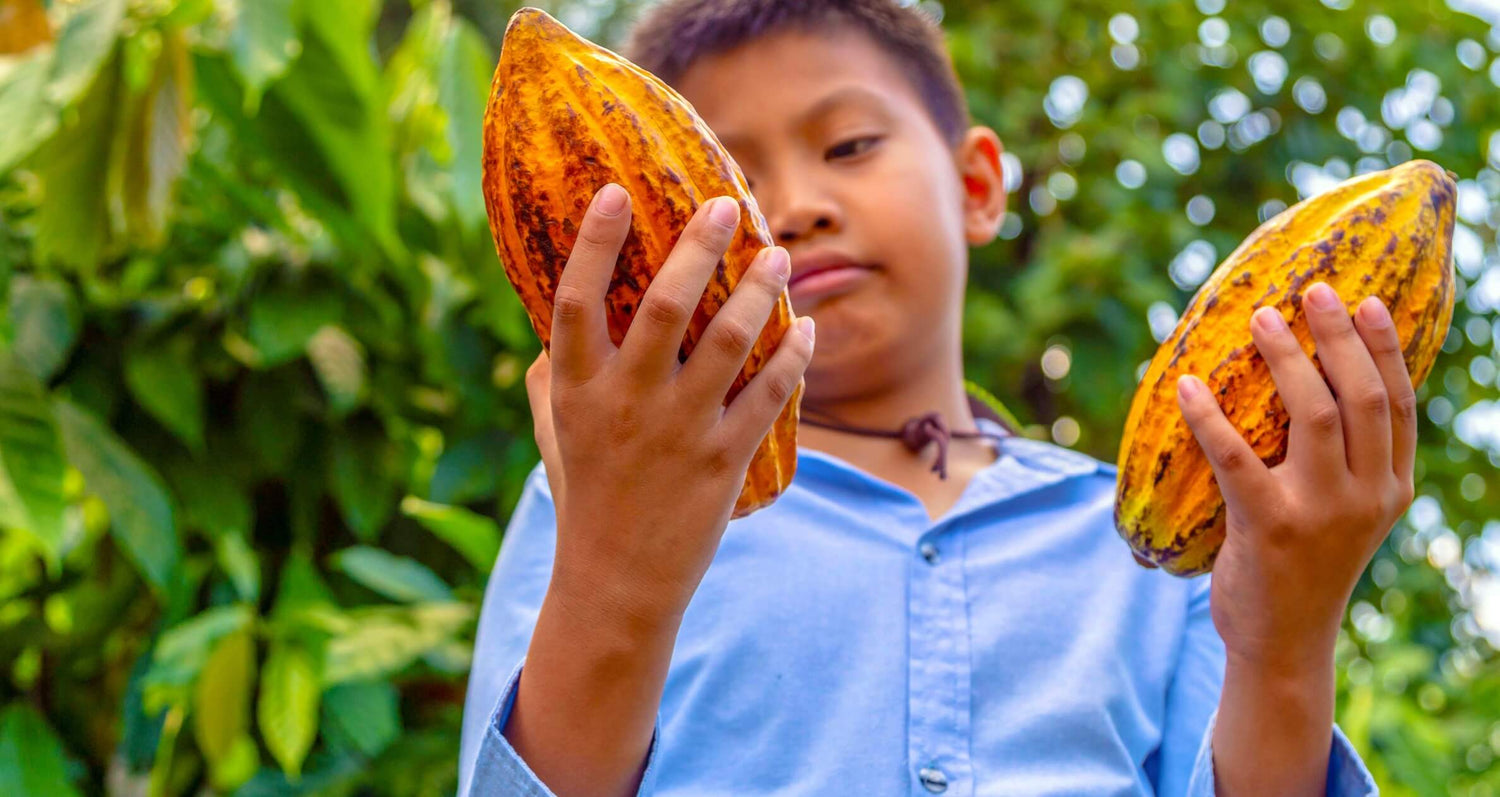
Single-estate chocolate is made with cacao sourced from one named estate or farm. Ideally, that designation gives the maker and the buyer a direct connection to a defined growing site, rather than a broad region or a mixture of supply chains. Soil, rainfall, shade, fermentation practices, drying, and the cacao varieties grown there all contribute to the beans' character.
That specificity is what makes single-estate chocolate compelling. One estate may yield a bar with red-fruit brightness and a gentle floral finish. Another may be deeper and more rounded, suggesting roasted nuts, molasses, or warm spice. These are not added flavors. They are sensory notes created by the cacao itself, then preserved or shaped through careful roasting, refining, and conching.
The word “estate” should also invite a closer look. It is more specific than “single origin,” which can refer to a country, region, cooperative, or collection of farms. A country named on a wrapper is useful, but a named estate generally offers a narrower point of traceability. It does not automatically guarantee superior flavor or ethics. It does, however, give a conscientious maker a clearer foundation for discussing where the beans came from and how they were produced.
For bean-to-bar chocolate makers, this level of identification matters. Working from raw cacao beans in the workshop creates the opportunity to adjust each stage of production to a particular lot. A delicate estate cacao may need a lighter roast to protect its fruit notes. A denser, earthier bean may benefit from a different roast curve or longer refinement. The aim is not to force every cacao into the same house profile, but to let its best qualities come forward.
Why harvest variation is part of the appeal
Like coffee, wine, or olive oil, cacao is agricultural. Weather conditions and post-harvest handling can change from one harvest to the next, even on the same estate. A single-estate bar may therefore evolve subtly over time.
For curious chocolate lovers, that variation is a pleasure rather than a flaw. It makes a tasting feel connected to a living crop and the people who cultivate it. For gifting, it also gives a bar a distinct sense of occasion: this is chocolate with a particular provenance, not an anonymous commodity.
How blended chocolate is made
Blended chocolate combines cacao from more than one source. Those sources might be several estates within one region, different regions within a country, or beans from multiple countries. The blend can be created by the chocolate maker before roasting, or by combining chocolates after each cacao has been processed separately.
The purpose is not to hide inferior ingredients, as blended chocolate is sometimes unfairly assumed to do. In skilled hands, blending is a precise craft. A maker may pair one cacao's lively acidity with another's cocoa depth, or use a small portion of aromatic beans to lift a mellow base. The result can be a flavor that no single lot could deliver on its own.
Blends also help maintain a consistent profile. If an intended bar is known for smooth caramel notes, gentle bitterness, and a long roasted finish, a carefully managed blend can preserve that familiar experience despite seasonal variation in individual harvests. This consistency is valuable for people who return to a favorite chocolate and expect it to taste recognizably the same.
There is a practical side as well. Responsible sourcing requires makers to work with the realities of agricultural supply. A blend can support long-term relationships with several producers while allowing flexibility when a particular harvest is limited. The key is transparency. A blend can be fully aligned with traceable, ethically sourced cacao when the maker can clearly account for its components and purchasing practices.
Single estate versus blended chocolate: flavor and purpose
Neither format wins by definition. Single-estate chocolate is often the natural choice when you want to study cacao in detail. Taste it slowly, let it melt rather than chew it immediately, and notice how the flavor moves from the opening notes to the finish. It is particularly rewarding for those building a personal understanding of origin and terroir.
Blended chocolate is often ideal when harmony is the goal. It may have fewer dramatic peaks, but that can make it more rounded, versatile, and approachable. A balanced blend can pair exceptionally well with coffee, spirits, or dessert because its profile has been intentionally composed to feel complete.
Cacao percentage matters, but it does not settle the question. A 70% single-estate bar and a 70% blend may taste entirely different. The percentage tells you the proportion of cacao ingredients relative to sugar and other ingredients. It does not tell you the quality of the beans, how they were fermented, how the maker roasted them, or whether the resulting chocolate will be bright, bitter, creamy, fruity, or earthy.
For the same reason, a higher percentage is not necessarily more refined. Some cacao is expressive and balanced at 70%; another may shine at 75% or 80%. A well-made milk chocolate can communicate origin with remarkable clarity, too. The right bar is the one whose ingredients and flavor profile suit your palate, not the one with the most imposing number on its wrapper.
What to look for on the wrapper
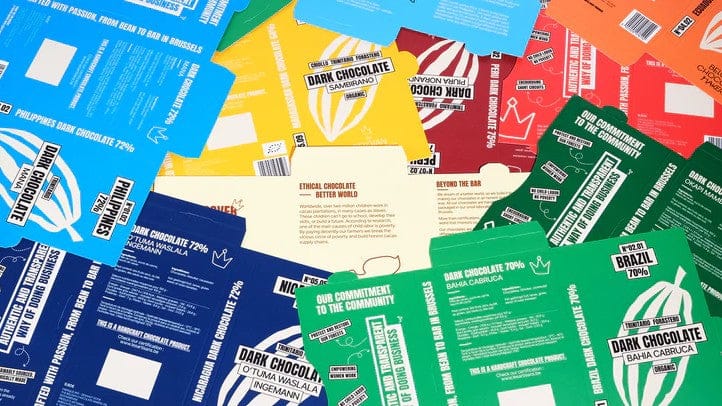
A premium chocolate label should make it easier to make an informed choice. Look for a named estate, farm, region, or producer group when origin specificity matters to you. If the chocolate is blended, clear language about the origin or sourcing approach is a sign that the maker treats transparency seriously.
Then consider the ingredient list. Short does not automatically mean better, but it is useful to know what is present. Fine dark chocolate can be beautifully simple: cacao beans, cacao butter, and sugar. Milk chocolate adds milk ingredients, while inclusions such as nuts, fruit, or spices should support rather than obscure the chocolate beneath them.
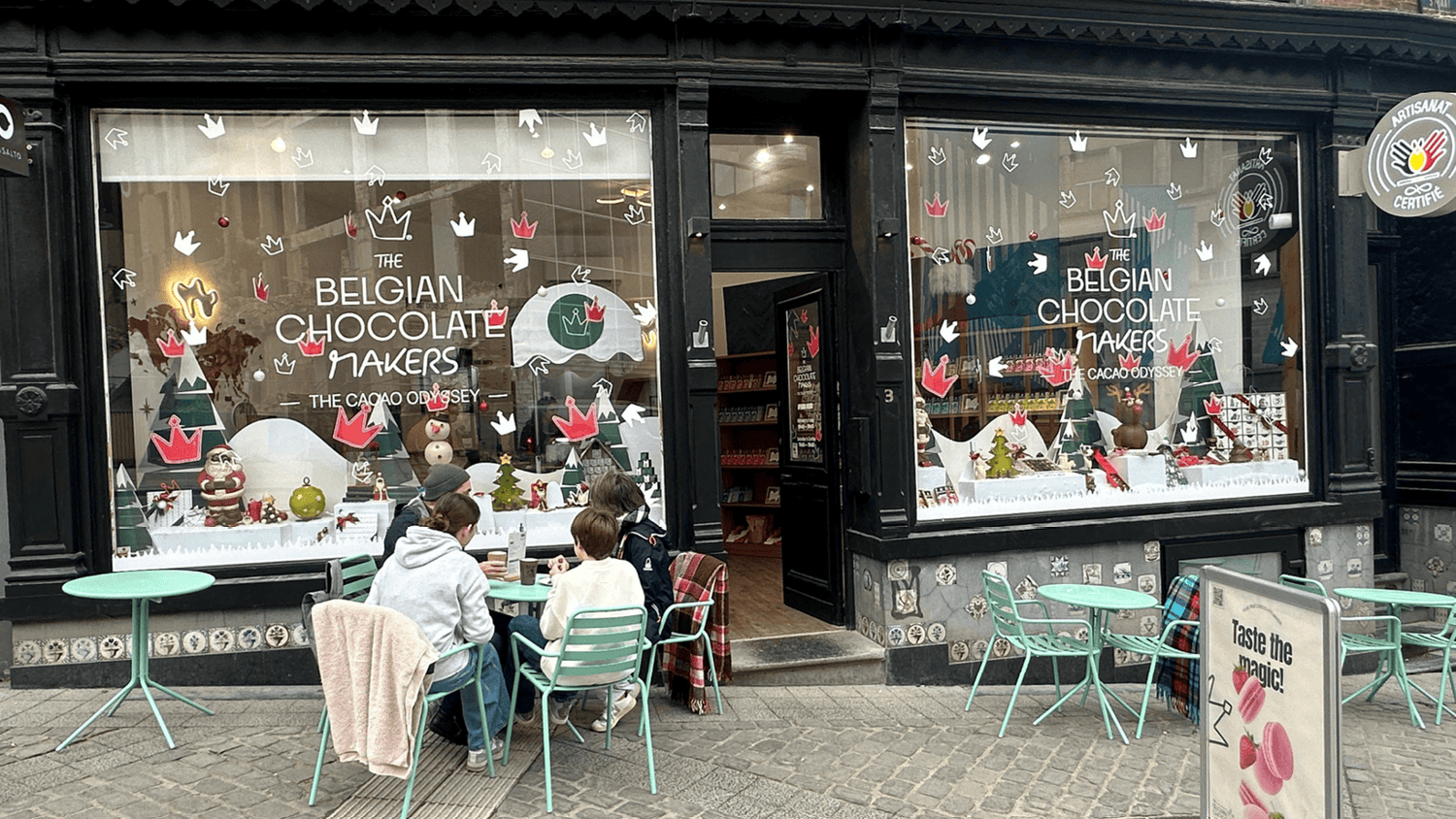
Finally, look beyond the wrapper's claims. Chocolate made from bean to bar gives the maker direct responsibility for transforming cacao, from roasting through molding. That control does not eliminate the need for careful sourcing, but it creates a closer relationship between bean quality, production choices, and the final flavor. At The Belgian Chocolate Makers, this work happens in our Brussels workshop, where cacao is selected and made into chocolate in small batches rather than built from industrial couverture.
Choosing chocolate for tasting, sharing, and gifting
For a personal tasting, choose a single-estate bar when you want a focused experience of place. Open it when you have time to notice its aroma, texture, and finish. Comparing two estates at a similar cacao percentage can be especially revealing, because it shows just how much origin shapes flavor.
For sharing with a group, a blend can be an excellent starting point. Its balance often appeals to a wider range of palates, including guests who enjoy fine chocolate but are not yet looking for pronounced acidity or unusual fruit notes. This does not make it less sophisticated. It makes it composed with a different purpose.
When choosing a gift, let the recipient guide you. A named estate is memorable for the food lover who appreciates origin stories and distinctive flavors. A refined blend is a confident choice for someone who values elegance, smoothness, and a bar they will want to return to. In a gift box, offering both creates a more generous experience: one chocolate speaks of a particular place, while the other demonstrates the maker's ability to create balance.
The most rewarding way to choose is to treat the label as an invitation, not a verdict. Select a single-estate chocolate when you want to meet a cacao's individual character. Select a blend when you want to taste thoughtful composition. Then let the final decision happen where it should: with a square of chocolate allowed to melt slowly on the palate.