A box of chocolate can feel forgettable, or it can feel chosen. The difference usually has less to do with ribbon and more to do with what is inside: flavor, freshness, craftsmanship, and a sense that the gift belongs to the moment. That is why seasonal chocolate gifts continue to stand apart. When they are made with care, they do more than mark a holiday. They carry a sense of time, place, and intention.
For gift buyers, seasonality is not just decorative. It shapes ingredients, flavor profiles, presentation, and even the emotional tone of a chocolate gift. Spring invites lighter textures and brighter notes. Fall can handle spice, roasted nuts, and deeper cacao character. Winter holidays often call for generosity; assortments, elegant boxes, and shareable pieces that feel celebratory without becoming generic.
Why seasonal chocolate gifts resonate
Seasonal gifting works because it feels timely. A gift that reflects the season shows attention in a way that year-round products sometimes cannot. That does not mean novelty should come first. In fine chocolate, seasonality is most convincing when it is anchored in substance: well-made ganaches, carefully balanced pralines, single-origin bars with distinct tasting notes, and formats designed for how people actually give and receive gifts.
There is also a practical reason these gifts perform so well. Many people buy chocolate when they need something elegant, widely appreciated, and easy to present. Seasonal collections answer that need with more precision. They give the buyer a framework. Instead of choosing from everything, you choose from what fits the occasion.
That said, not every seasonal release deserves attention. Some rely heavily on packaging while the chocolate remains ordinary. Others overdo flavor trends and lose the clean, satisfying character that makes chocolate worth giving in the first place. The best seasonal collections balance visual appeal with true chocolate quality.
What separates good seasonal chocolate gifts from great ones
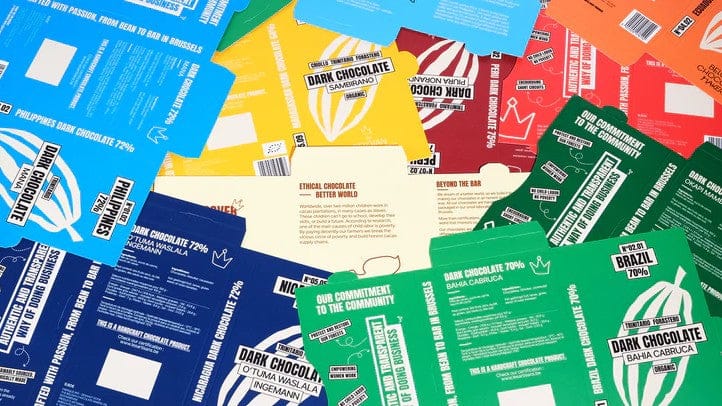
The first marker is how the chocolate is made. Bean-to-bar production matters here because it gives the maker control over the full process, from cacao bean selection to roasting, refining, molding, and finishing. That level of control affects flavor clarity, texture, and consistency. It also creates traceability, which matters to buyers who want to know more than just the percentage on the label.
For a seasonal gift, this makes a real difference. A holiday praline made with excellent chocolate has depth before the filling even arrives. A molded figure or festive assortment is more convincing when the shell has snap, the ganache is fresh, and the sweetness is balanced rather than blunt. Seasonal formats can be playful, but the chocolate itself should still meet a serious standard.
Presentation also matters, though not in the obvious way. Premium packaging should protect the chocolate, suit the occasion, and feel polished in the hand. But excess can work against the gift. The most effective presentation tends to be elegant rather than loud, with enough design to feel special and enough restraint to signal confidence.
Choosing seasonal chocolate gifts by occasion
Different seasons invite different kinds of chocolate gifts, and the right choice depends on who will receive them.
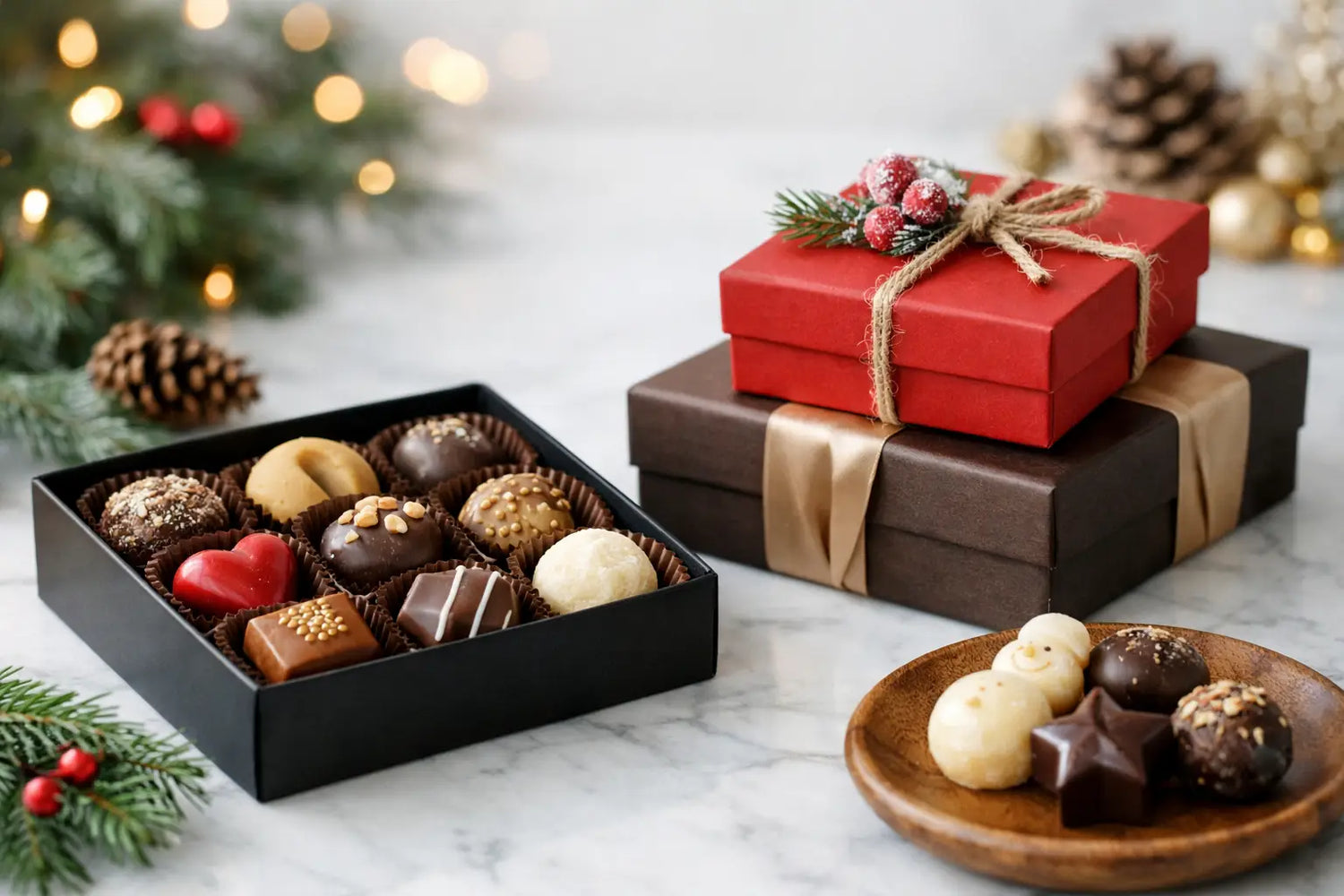
Winter holidays and year-end gifting
This is the season when larger assortments make sense. Families share. Offices circulate gifts. Hosts need something polished that can be offered immediately. Boxes of pralines and truffles work well because they combine variety with broad appeal, while mendiants, orangettes, and small festive bites suit more casual giving.
For business gifting, restraint is usually better than theatricality. A refined assortment with clear craftsmanship tends to land well across tastes and cultures. If you are choosing for a client, partner, or colleague, quality and presentation should lead. Overly gimmicky flavors can feel less premium, even when the packaging is expensive.
Valentine’s Day and romantic gifting
This is where many chocolate gifts become predictable. Heart shapes alone are not enough. A more thoughtful approach is to choose pieces with a sense of intimacy and finish: fine pralines, silky truffles, or a curated selection that offers contrast in texture and flavor.
Dark chocolate often performs especially well here because it reads as more sophisticated, though milk chocolate can be equally elegant when made with balance and depth. What matters is not whether the gift looks romantic from across the room. It is whether it feels personal once opened.
Spring celebrations and Easter
Spring chocolate should feel lighter, fresher, and more precise. This can mean filled eggs, delicate pralines, bright fruit notes, or elegant molded pieces with a clean finish. The season naturally lends itself to visual detail, but again, the strongest gifts are not all appearance.
A spring chocolate gift benefits from contrast. Crisp shells, airy fillings, and flavors that do not linger too heavily suit the season well. This is also a moment when gift buyers often choose for families, children, and hosts at once, so assortment and shareability matter.
Fall gifting and cooler-weather occasions
Autumn is an underrated chocolate season. It supports richer flavor pairings without the excess of the winter holidays. Think toasted hazelnut, caramelized notes, warm spice, coffee, or deeper single-origin profiles with natural hints of red fruit, wood, or earth.
For recipients who care about food, fall is often the best time to give chocolate with a more pronounced cacao identity. The season invites complexity. A selection that includes craft bars alongside bonbons or spreads can feel especially thoughtful because it offers both tasting and enjoyment.
How to choose seasonal chocolate gifts well
Start with the recipient, not the calendar. Some people want a polished gift box they can share. Others would rather receive a few exceptional bars with clear origin notes and a more direct expression of cacao. Neither is better. It depends on whether the gift is meant to impress, delight, introduce, or comfort.
Then consider how much the season should shape the selection. Sometimes a subtle seasonal touch is enough - a festive sleeve, a limited-edition assortment, a flavor that nods to the time of year. In other cases, especially during major holidays, the recipient may expect a more clearly themed gift. The best choices avoid forcing the issue. If the chocolate feels excellent and the timing feels right, that is often enough.
Freshness should never be treated as secondary. This is especially true for pralines, truffles, and filled chocolates. A seasonal gift should feel current not just in design but in production. Chocolate made in smaller batches and finished with care usually shows it in texture and flavor.
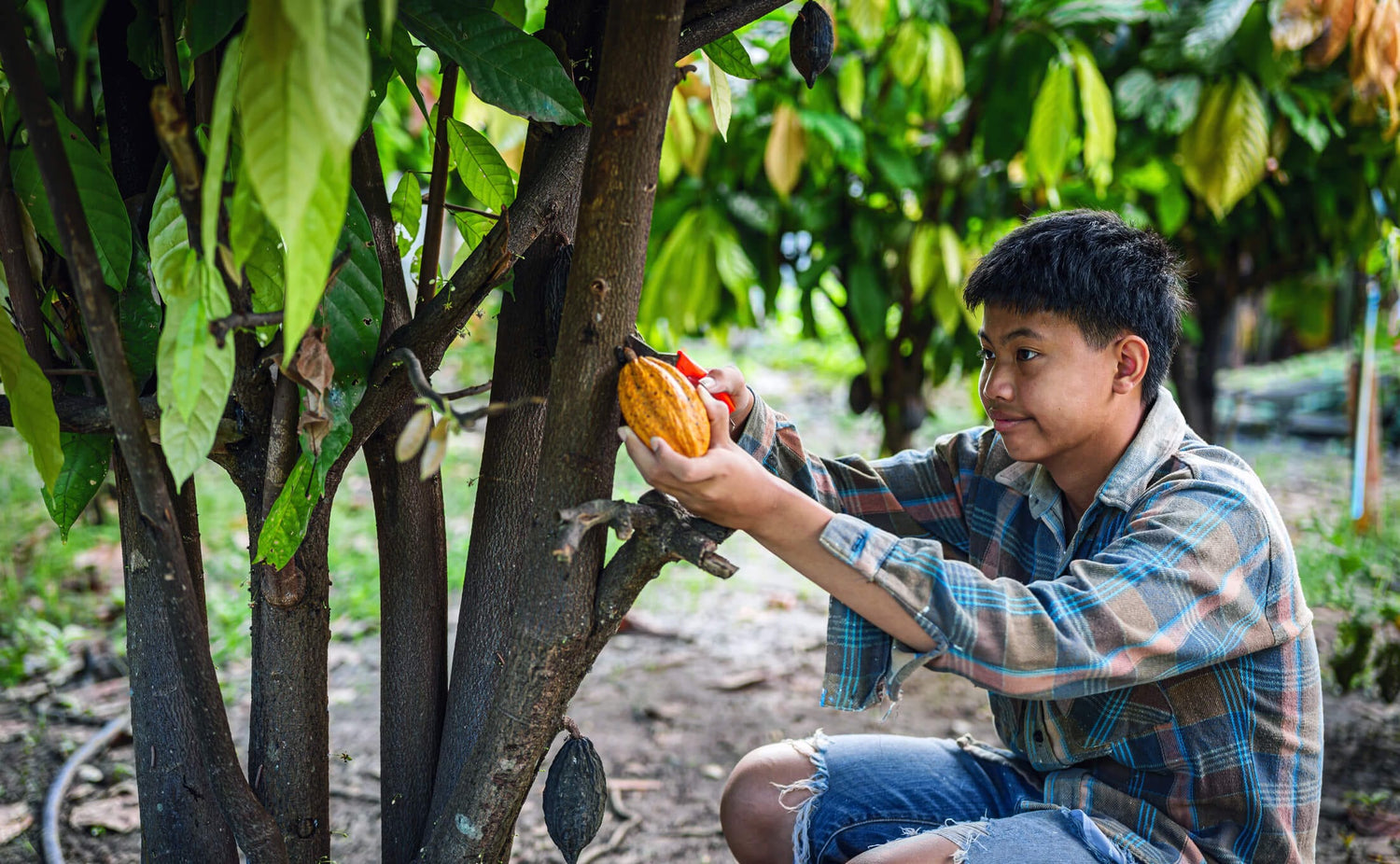
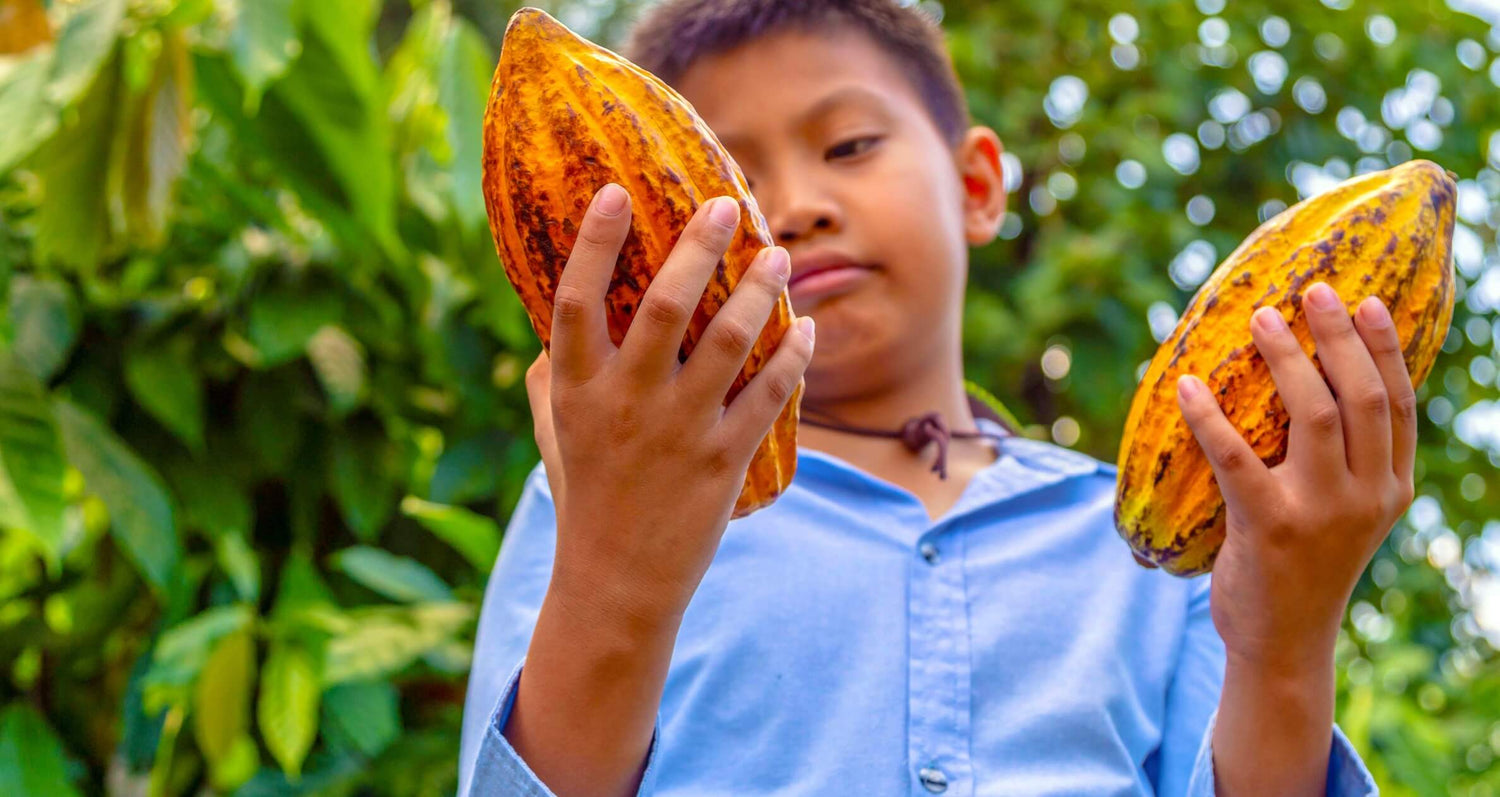
Ethical sourcing also deserves a place in the decision. For many premium buyers, gifting is no longer only about luxury. It is also about values. Chocolate with transparent sourcing and a clear making process carries a different kind of credibility. It tells the recipient that quality was considered from the beginning, not added at the end through packaging.
Seasonal chocolate gifts and the value of bean-to-bar craft
Seasonality has more meaning when the maker actually works with chocolate from the bean onward. In a true workshop setting, seasonal collections are not simply assembled from standard industrial bases. They are built on a chocolate profile the maker understands intimately, because the maker has shaped it.
That gives seasonal products a stronger foundation. A praline shell can be adjusted to support a filling. A single-origin bar can be selected for a winter collection because its natural profile suits the season. A festive assortment can feel coherent, not because every piece looks similar, but because every piece begins with the same commitment to flavor and process.
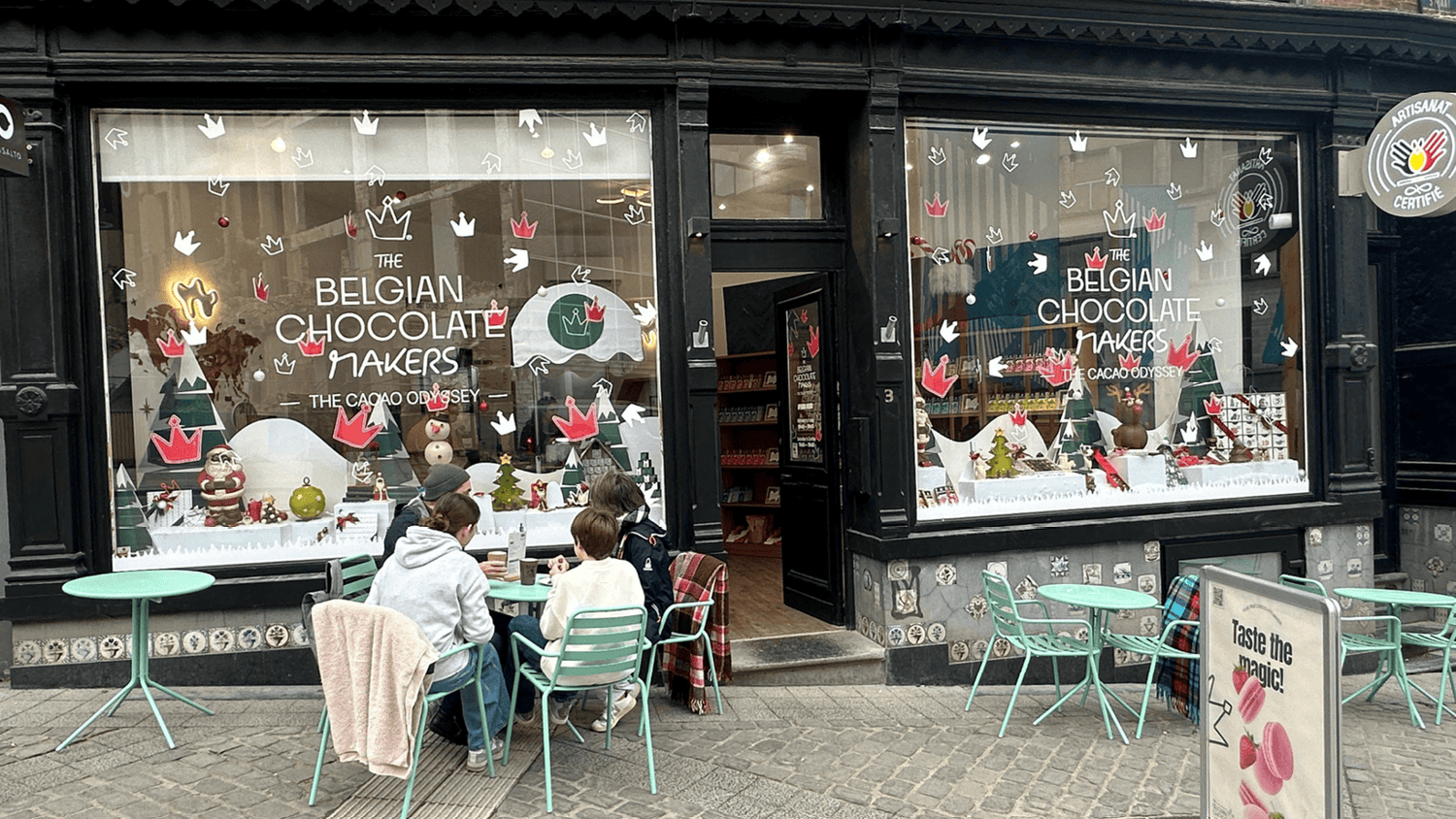
For buyers who care about Belgian chocolate, this point matters even more. Heritage is meaningful, but heritage alone is not enough. What distinguishes an artisan maker is not only where the chocolate is sold, but how it is produced. At The Belgian Chocolate Makers, that bean-to-bar approach gives seasonal gifting a level of authenticity that packaging alone cannot create.
When a simpler chocolate gift is the better choice
Not every occasion calls for an elaborate box. Sometimes the most memorable seasonal gift is a beautifully made bar, a compact assortment, or a few signature pieces selected with care. This is especially true when the recipient enjoys food and prefers clarity over abundance.
There is a trade-off here. Large seasonal boxes often create stronger visual impact. Smaller formats can feel more personal and more credible, especially when they showcase distinct ingredients or origins. If you know the recipient appreciates craft, a concise gift with clear character may say more than a large assortment trying to please everyone.
Seasonal chocolate gifts work best when they feel considered rather than obligatory. The season should guide the gift, not excuse a weaker one. Choose chocolate with real flavor, honest sourcing, and presentation that respects the product inside. When all three align, the gift does what good chocolate should do; it leaves a lasting impression after the box is gone.