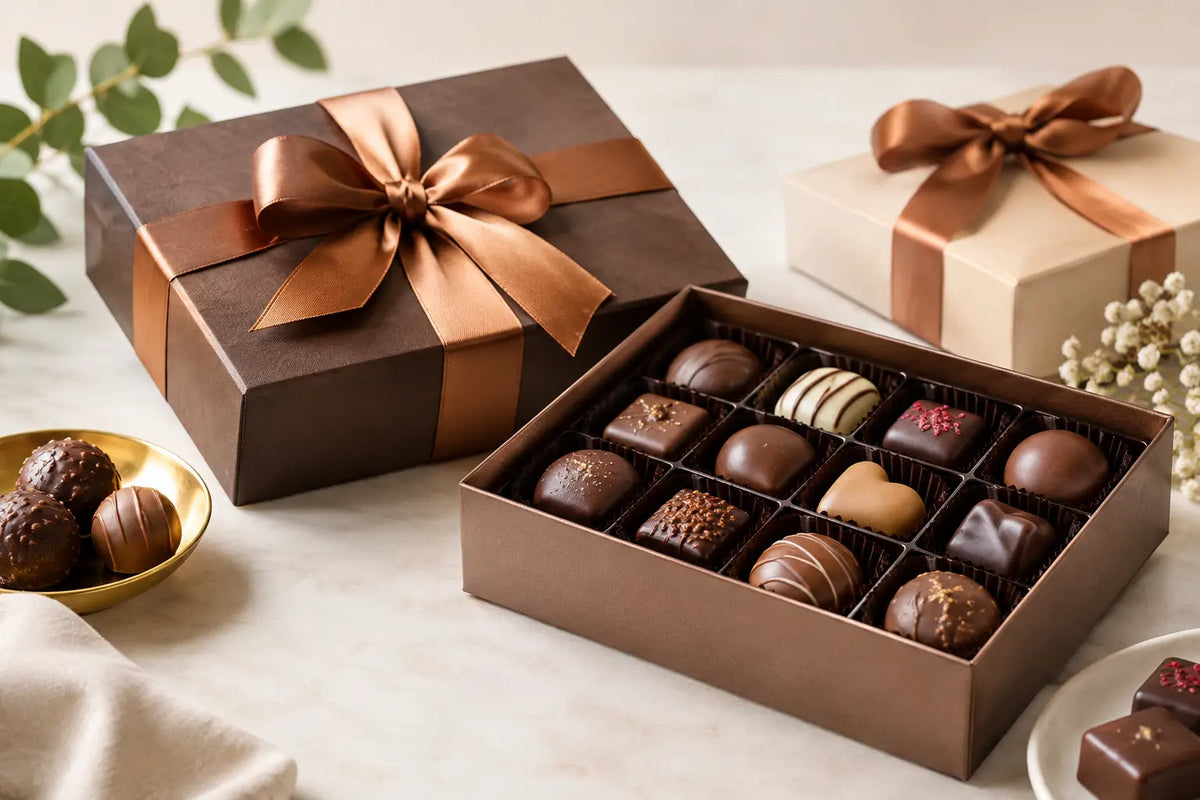
A gift box can be beautiful, but it cannot hide ordinary chocolate for long. The most meaningful premium chocolate gifting trends are moving beyond ribbons and gold foil toward what is inside: real cacao character, clear provenance, thoughtful formats, and a sense that someone chose the gift with care. For buyers who value craft food, the new standard is not simply luxury. It is integrity presented beautifully.
Premium Chocolate Gifting Trends Are Becoming More Personal
Premium gifting is becoming less generic. Rather than selecting the largest assortment available, shoppers are choosing chocolates that reflect a recipient's taste, a shared memory, or the moment being marked. A single-origin dark chocolate selection can suit the curious food lover. A refined praline box may be right for a host, client, or family celebration. Creamy truffles and spreads make a more approachable choice for someone who enjoys chocolate but may not describe themselves as a connoisseur.
This shift favors curated gifts over excess. A carefully composed collection of a few exceptional pieces can feel more considered than a large box filled with familiar but indistinct flavors. It also gives the giver a better story to share: these chocolates were made from beans selected for their origin, crafted in small batches, and chosen because their character felt right for the recipient.
Personalization does not always require a printed name or custom sleeve. In premium food gifting, it often means selecting with intention. A dark chocolate lover may appreciate a tasting progression from bright, fruit-forward cacao to deeper, roasted notes. Someone who favors texture may enjoy mendiants with nuts and fruit or pralines with crisp, smooth, and ganache-filled centers.
Traceability Has Become Part of the Gift
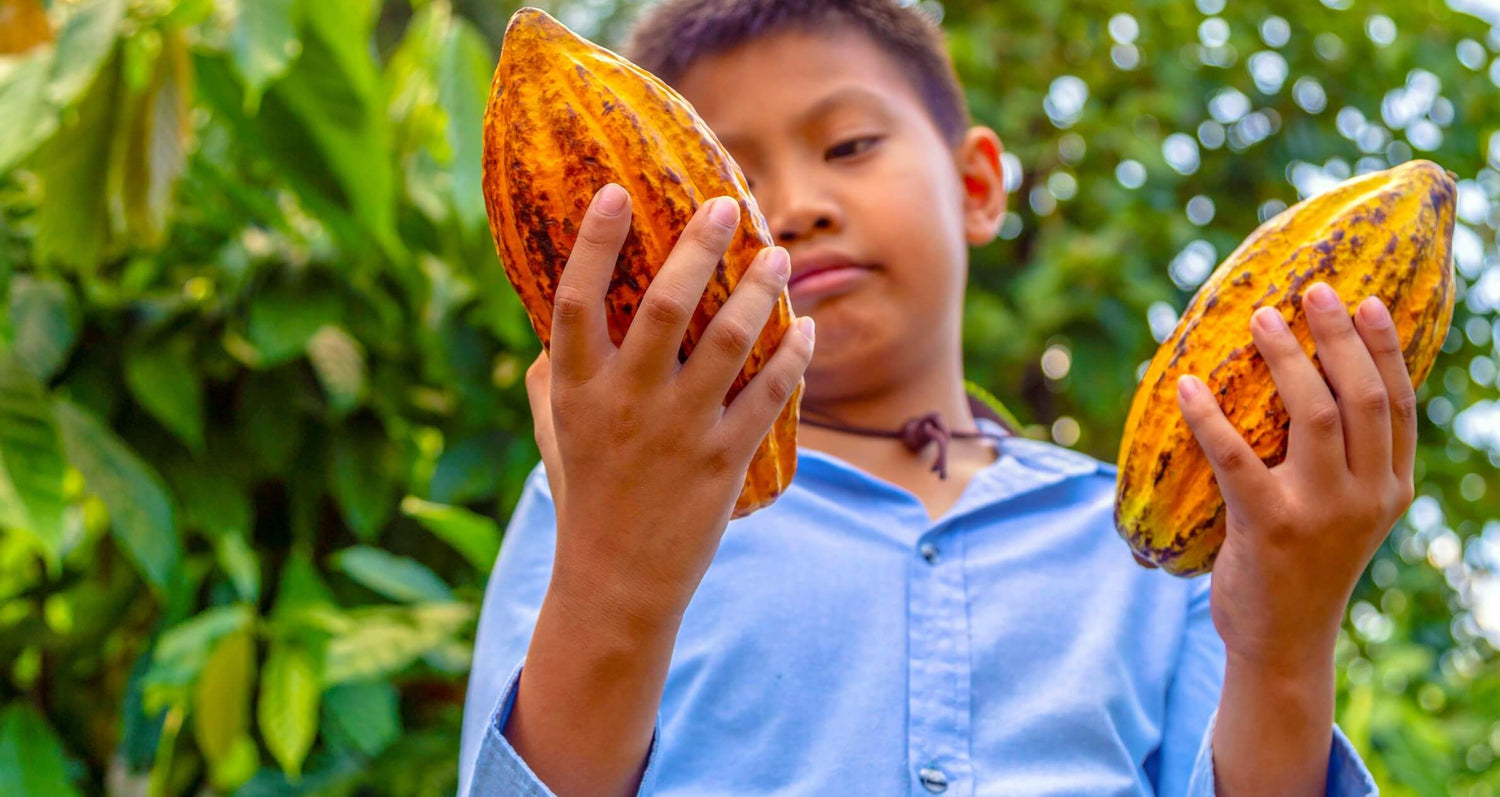
Origin is no longer a detail reserved for specialists. More gift buyers want to know where cacao comes from, who made the chocolate, and what distinguishes it from a conventional confection. This does not mean every present needs a technical tasting note. It means the product should have an honest answer when a recipient asks what makes it special.
Bean-to-bar chocolate offers that answer because the maker oversees the transformation of cacao beans into finished chocolate. Roasting, refining, conching, molding, and finishing are not outsourced steps hidden behind a polished package. They are the work that shapes aroma, texture, and flavor. That degree of involvement gives a gift substance as well as style.
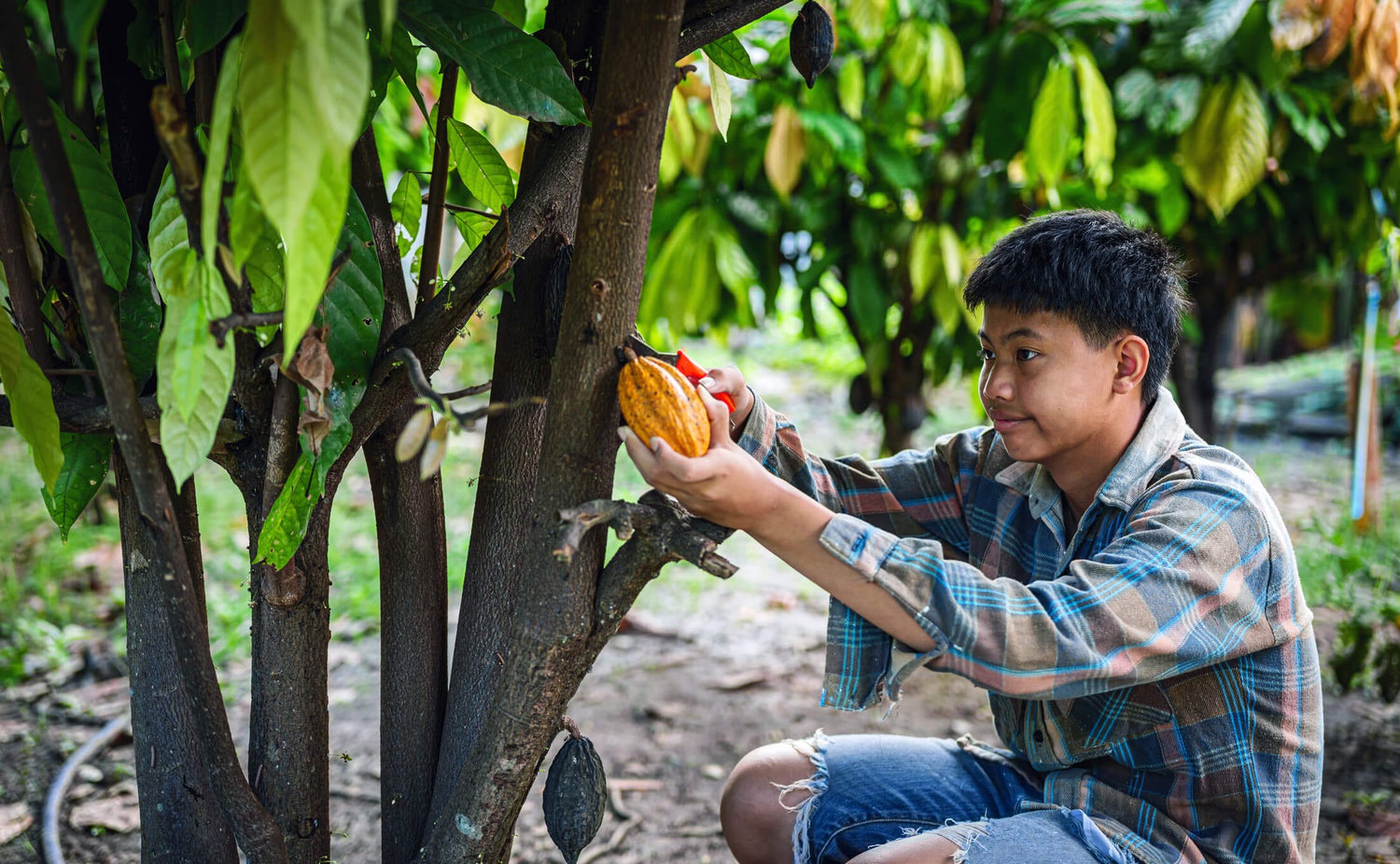
For ethically minded shoppers, traceability also carries emotional weight. A premium gift should feel generous without asking the recipient to overlook how it was made. Responsible sourcing, transparent origin information, and respect for cacao as an agricultural product increasingly influence what luxury means. The finest presentation feels more credible when it is matched by care further back in the supply chain.
There is a practical reason this trend matters, too. Origin makes choosing easier. Instead of comparing a wall of nearly identical boxes, shoppers can look for a clear point of difference: cacao from a particular region, a maker's own workshop process, or a flavor profile that suits the occasion.
Flavor Is Taking the Lead Over Sweetness
The premium chocolate buyer is looking for more than sweetness. They are seeking contrast, balance, and recognizable cacao flavor. Single-origin bars have helped introduce more people to the idea that chocolate, like coffee or wine, can express a sense of place. One cacao may suggest red fruit and citrus; another may be rounder, nuttier, or more deeply cocoa-driven.
That interest is influencing gift assortments. Rather than relying only on elaborate decoration, strong collections now create variety through cacao percentage, origin, texture, and filling. A thoughtful assortment can include a crisp dark chocolate bar, a smooth milk chocolate piece, a delicate truffle, and a praline with a pronounced nut or fruit note. The result is generous without becoming unfocused.
The trade-off is that bolder chocolate is not for everyone. A 75% dark bar may delight an experienced taster yet feel intense for someone accustomed to sweeter milk chocolate. Good gifting accounts for the recipient rather than treating high cacao percentage as a status symbol. Premium means well judged, not merely more severe or more expensive.
Presentation Is Becoming Quieter and More Considered
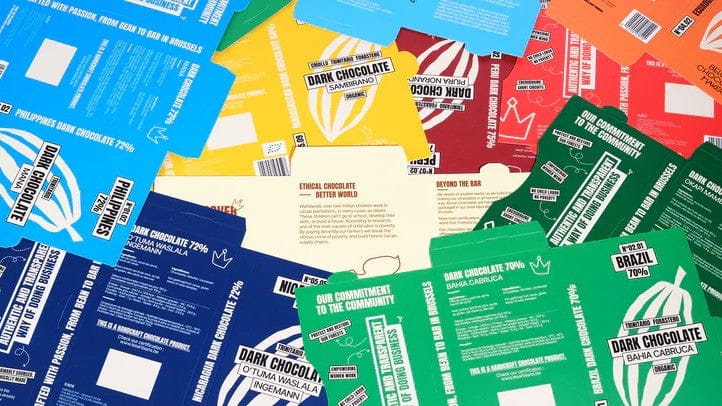
Luxury packaging is evolving toward restraint. Shoppers still expect a gift to look polished, particularly for holidays, anniversaries, corporate occasions, and thank-yous. Yet the most convincing presentation no longer needs to be excessively ornate. A well-made box, clear labeling, elegant color choices, and chocolate arranged with care can communicate more than layers of unnecessary decoration.
This is especially relevant to buyers who consider waste alongside appearance. Reusable tins, practical boxes, recyclable materials where possible, and packaging sized to protect rather than overwhelm the product all support a more modern idea of premium. The goal is not to remove ceremony from gifting. It is to make the ceremony feel proportionate to the product.
Seasonal collections remain important, but the strongest ones avoid novelty for novelty's sake. Holiday chocolates, spring gifts, and celebration assortments should preserve the maker's recognizable standards while bringing a fresh visual or flavor-led expression to the occasion. A seasonal format earns its place when it feels limited because it is genuinely timely, not because the calendar demands another variation.
Gifts That Create a Tasting Moment
One of the most appealing trends is the move from chocolate as a quick treat to chocolate as an experience. A gift can invite the recipient to slow down, compare pieces, and notice what they taste. This is why assortments, origin selections, and mixed formats are so effective: they create a small tasting ritual without requiring specialized knowledge.
The best guidance is simple. Let chocolate come to room temperature before tasting. Begin with lighter or gentler flavors, then move toward darker and more intense pieces. Take a moment to notice aroma before the first bite, and allow the chocolate to melt rather than rushing through it. These details turn a box of chocolates into a memorable evening, a shared conversation, or a quiet personal pause.
For corporate gifting, this experience can be especially valuable. A generic branded item may be quickly forgotten, while a refined chocolate selection offers immediate pleasure and a clear expression of appreciation. The key is relevance. Smaller, beautifully presented gifts can work well for a large group, while a more substantial origin-led assortment may be better reserved for close partners or milestone occasions.
Belgian Heritage Still Matters, but Craft Gives It New Meaning
Belgium remains closely associated with fine chocolate, and for good reason. Its praline tradition, technical skill, and long relationship with chocolate have shaped expectations around quality. But heritage is most compelling when it is active rather than decorative. A Belgian identity gains meaning when it is connected to present-day craftsmanship, careful ingredient choices, and chocolate made with genuine attention in the workshop.
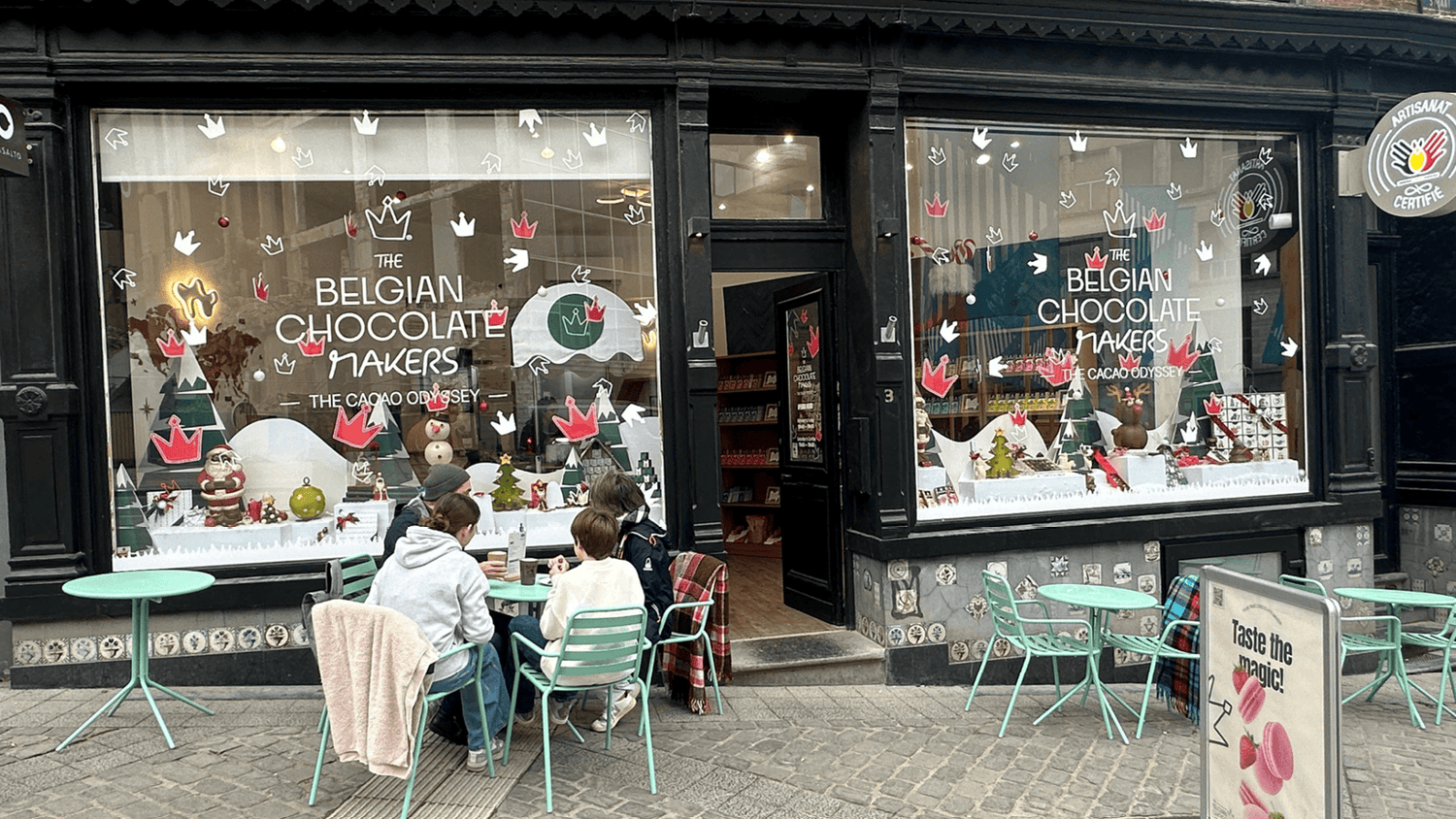
For visitors to Brussels, this can offer a more rewarding souvenir than a familiar international label. For American and international gift buyers, it provides confidence without reducing the purchase to a postcard version of luxury. The Belgian Chocolate Makers brings this perspective together by making chocolate from selected cacao beans in its own Brussels workshop, then presenting it in formats suited to both tasting and gifting.
What to Look for When Choosing a Premium Chocolate Gift
A strong gift does not need to meet every possible criterion. Some occasions call for a playful seasonal assortment; others call for a focused collection of dark chocolate bars. Still, a few signs consistently point toward quality: chocolate made by a producer who can explain its process, ingredient choices that support rather than disguise cacao flavor, a format suited to the recipient, and packaging that feels intentional.
Also consider timing. Fine chocolate is best enjoyed at its peak, so order and storage matter, particularly in warm weather. Keep gifts in a cool, dry place away from sunlight and strong odors. Refrigeration is usually not ideal unless conditions make it unavoidable, as condensation can affect the surface and texture when chocolate returns to room temperature.
The most lasting premium chocolate gift is not the one with the loudest package. It is the one that gives the recipient something real to taste, something worthwhile to learn about, and a reason to pause for one more piece.