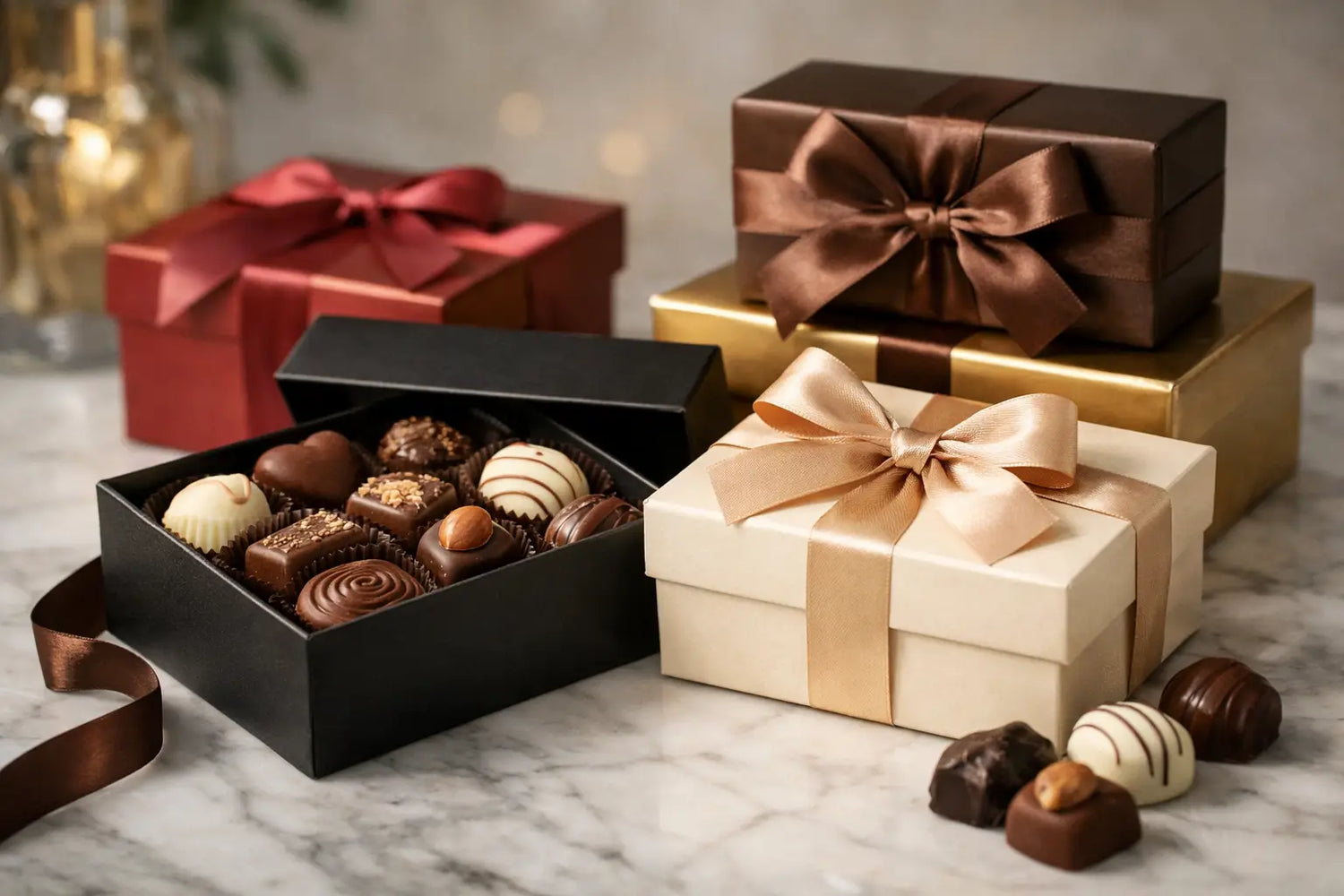
A gift box of chocolate can feel predictable; until you open one that was made with real care. The difference is immediate. Aroma arrives first, then the clean snap of a well-tempered shell, then a filling that tastes of hazelnut, coffee, fruit, or ganache rather than just sweetness. A Belgian chocolate gift box should deliver that kind of experience, not just attractive packaging.
That is where buyers often face a quiet but important choice. Many chocolate gifts trade heavily on Belgian identity while relying on standard industrial couverture and generic assortments. Others are made by chocolate makers and chocolatiers who work with greater control, from sourcing cacao to final finishing. If you are buying for a client, a host, a family member, or simply someone with better taste, those distinctions matter.
What makes a Belgian chocolate gift box worth giving
The best gift boxes do more than present a selection of sweets. They communicate discernment. A well-composed assortment shows attention to ingredients, texture, balance, and presentation. It should feel generous without being excessive, polished without looking mass produced.
Belgian chocolate carries strong expectations for a reason. Belgium has a long confectionery tradition, and gift buyers often associate it with pralines, truffles, elegant finishes, and technical precision. Still, not every Belgian box represents the same level of craft. Some are built for shelf volume and broad appeal. Others are assembled with a maker's mentality, where flavor and process lead the decision making.
For the recipient, that difference translates into a more memorable gift. Instead of a box where every piece tastes vaguely similar, a better assortment offers contrast. You might find a dark ganache with real depth, a praliné that tastes distinctly of roasted nuts, or a fruit filling with brightness rather than candy-like sweetness. The pleasure comes from variation, but also from clarity.
Belgian chocolate gift box or luxury packaging?
Packaging matters in gifting. It shapes the first impression and signals occasion. But packaging should support the chocolate, not compensate for it.
A premium box should feel substantial, neatly finished, and appropriate for the price. That said, there is always a trade-off. Some brands invest heavily in visual luxury while the chocolate itself remains conventional. Others put more of the value into ingredients and production, with understated but elegant presentation. Neither approach is automatically wrong, but for many discerning buyers, the strongest gift is the one where the box and the chocolate feel aligned.
This is especially true if the recipient cares about food quality. A polished exterior raises expectations. If the flavors inside are flat, overly sweet, or repetitive, the effect fades quickly. A thoughtful Belgian chocolate gift box should make a strong first impression and reward the second one.
How real craftsmanship changes the gift
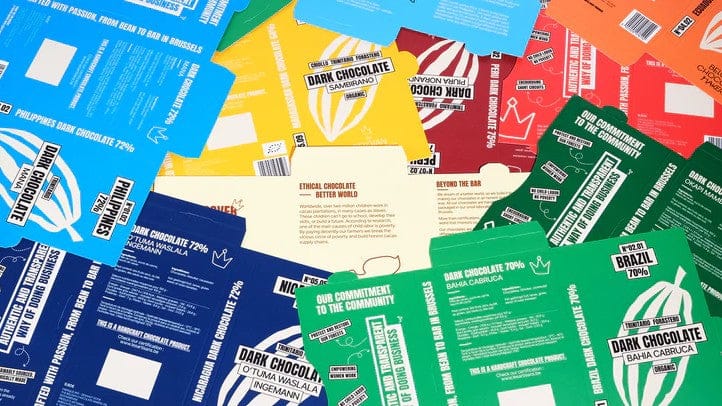
When chocolate is made with close control over production, quality becomes easier to taste. Bean-to-bar makers stand apart here because they handle the chocolate-making process themselves rather than starting from ready-made couverture. That means they can influence roasting, refining, texture, and flavor development from the beginning.
For gift buyers, this matters even if they never use the phrase bean-to-bar. They notice freshness. They notice when dark chocolate tastes layered rather than bitter, and when milk chocolate tastes of cacao and dairy rather than sugar alone. They notice when fillings feel balanced, not heavy.
Craftsmanship also affects assortment design. A carefully produced box usually has a point of view. It may highlight single-origin chocolate, classic Belgian pralines with cleaner ingredients, or a mix of textures that moves from silky ganache to crisp mendiant to soft truffle. The box feels curated rather than filled.
In Brussels, where Belgian chocolate heritage is part of everyday culture, that standard is not abstract. It is a practical benchmark. Buyers can look beyond branding and ask a simpler question: who actually made the chocolate, and how much control did they have over the process?
What to look for before you buy
If you want a gift that feels elevated rather than generic, a few details are especially useful. The first is transparency. A serious maker usually tells you something meaningful about ingredients, cacao origin, production method, or fillings. Vague language about tradition and luxury is easy to write. Specific information is harder to fake.
The second is assortment balance. A good gift box should include enough variety to feel interesting, but not so much that quality becomes inconsistent. A tightly edited selection often performs better than a large box padded with less distinctive pieces.
The third is freshness and finish. Filled chocolates are at their best within a reasonable window, especially when made with fresh cream, nuts, fruit preparations, or delicate textures. This does not make them inconvenient. It simply means a gift box made with real ingredients may behave more like fine food and less like a shelf-stable commodity.
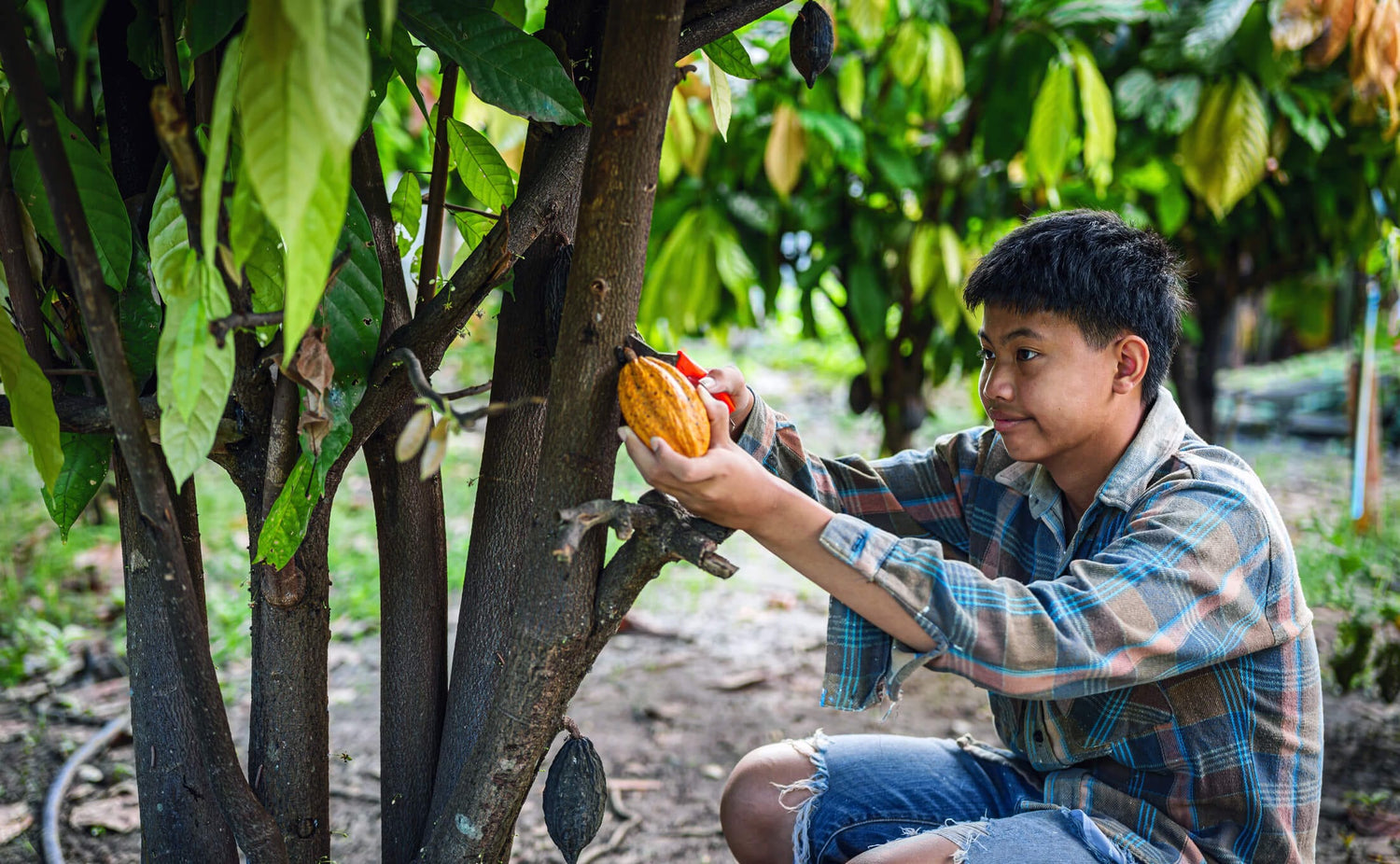
Finally, consider whether the maker's values matter to your recipient. Ethical sourcing and traceability are not marketing extras for many buyers anymore. They are part of what makes a gift feel thoughtful. When a chocolatier can speak clearly about cacao sourcing and in-house production, the gift gains credibility.
Choosing the right box for the occasion
Not every gifting moment calls for the same format. A host gift usually benefits from elegance and ease - something refined, shareable, and visually polished. Corporate gifting often calls for wider appeal, but that does not have to mean bland. A balanced assortment of pralines, truffles, and classic flavors can still feel sophisticated.
Personal gifts allow for more character. If the recipient enjoys food craftsmanship, a selection that includes single-origin bars alongside filled chocolates can be especially strong. It gives them both immediate pleasure and something to explore. For holidays, a slightly more generous assortment makes sense, but size should still follow quality.
This is where restraint can work in your favor. A smaller box of excellent chocolate often leaves a stronger impression than a large, forgettable one. Gift buyers sometimes assume quantity reads as generosity. In premium chocolate, care tends to read louder.
Why origin and ethics belong in the conversation
Chocolate is a pleasure product, but that does not mean buyers ignore how it is made. In fact, many of the most engaged gift purchasers now want both excellence and accountability. They want to know that the cacao was sourced with intention, that production standards are high, and that craftsmanship is real rather than decorative.
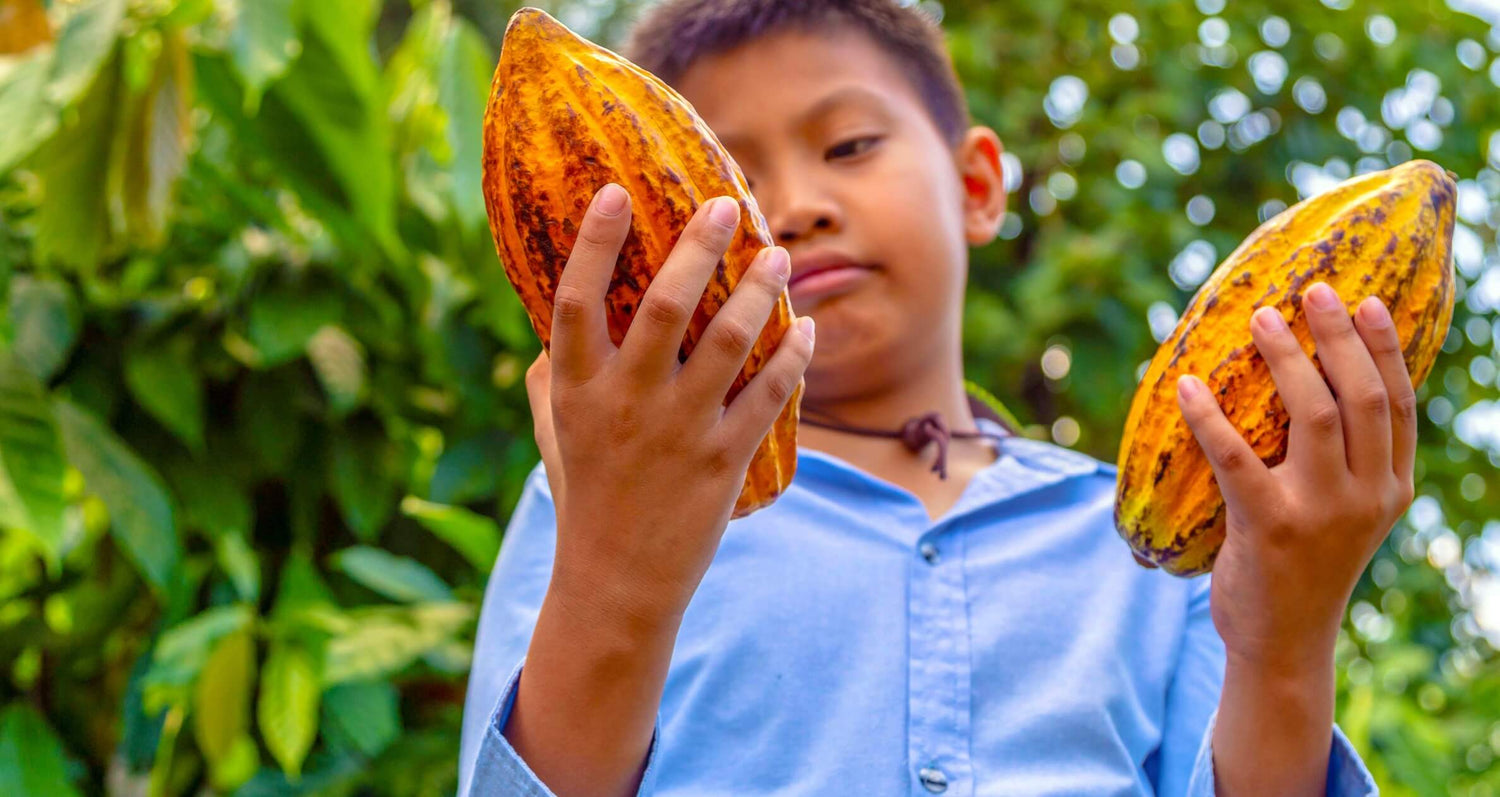
Origin matters because cacao has flavor character, just as coffee and wine do. Ethical sourcing matters because luxury without integrity feels increasingly thin. The strongest chocolate gifts bring these values together. They respect the recipient's palate and their judgment.
For some buyers, this may be the deciding factor between an attractive box and a meaningful one. A gift that reflects taste, transparency, and care has more staying power. It tells the recipient they were worth choosing well for.
When classic Belgian style still matters
Modern craft chocolate does not replace Belgian tradition. At its best, it sharpens it. There is still real pleasure in classic pralines, smooth ganaches, precise shells, and gift-ready presentation. The point is not to abandon those expectations, but to meet them with better ingredients and greater honesty.
That balance is what makes the category compelling. A gift can feel unmistakably Belgian while also being contemporary in how it approaches sourcing, production, and flavor. For many buyers, that is the sweet spot - heritage without cliché, polish without compromise.
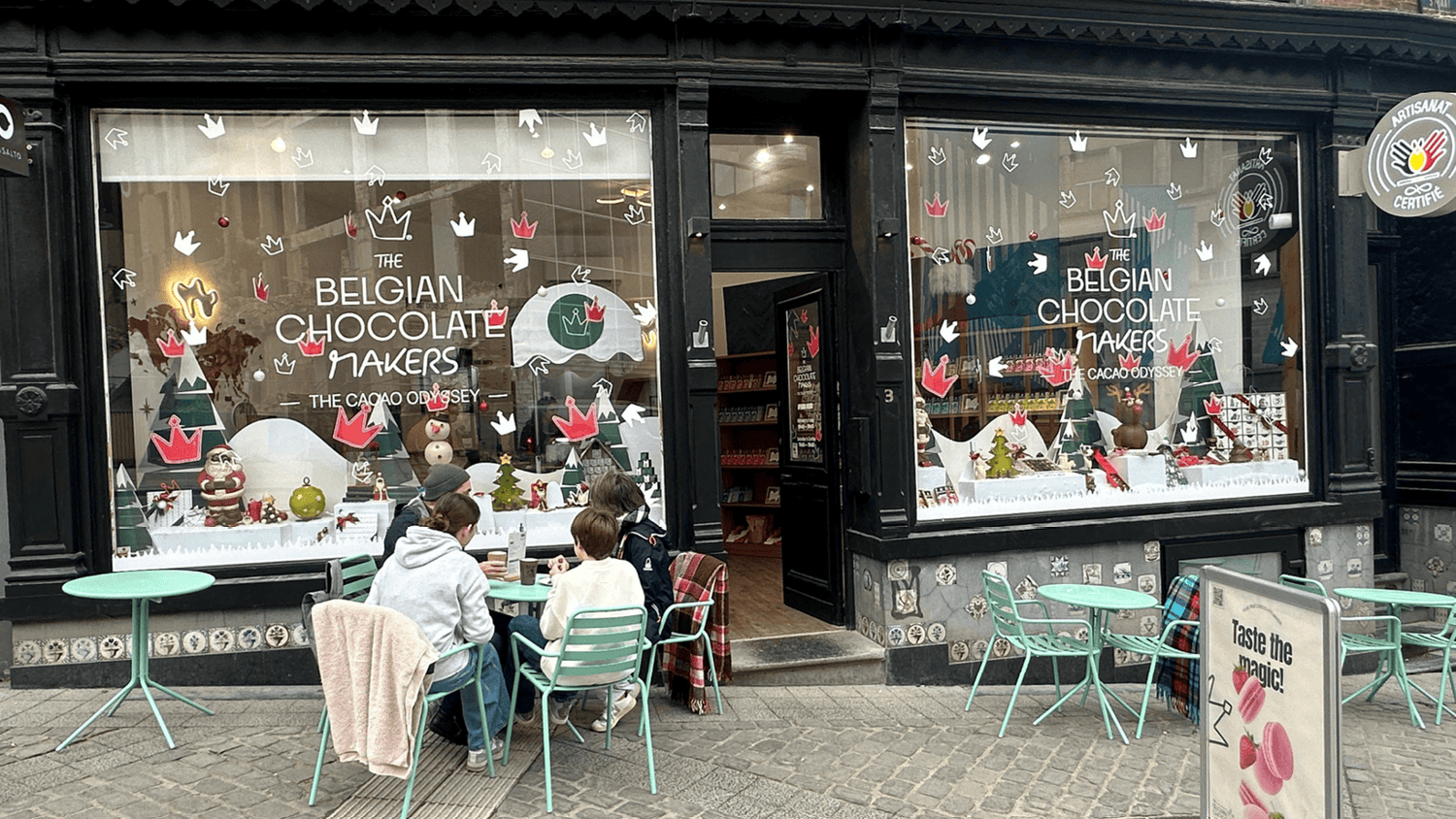
A maker such as The Belgian Chocolate Makers shows how that balance can work when chocolate is produced in-house with attention to both origin and finish. The gift feels rooted in Belgian expertise, but it also feels current, credible, and genuinely crafted.
The best choice, then, is not simply the fanciest-looking box or the one with the longest assortment card. It is the one that respects chocolate enough to treat it as a craft product and respects gifting enough to present it beautifully. When those two things come together, the gesture lands exactly as it should; generous, memorable, and quietly discerning.