Call for greater transparency and protection of artisanal chocolate in Belgium
Belgium enjoys a worldwide reputation for the quality of its chocolate. However, this image is increasingly undermined by a growing confusion between genuine artisanal chocolate makers and commercial actors relying primarily on marketing claims rather than actual production practices.
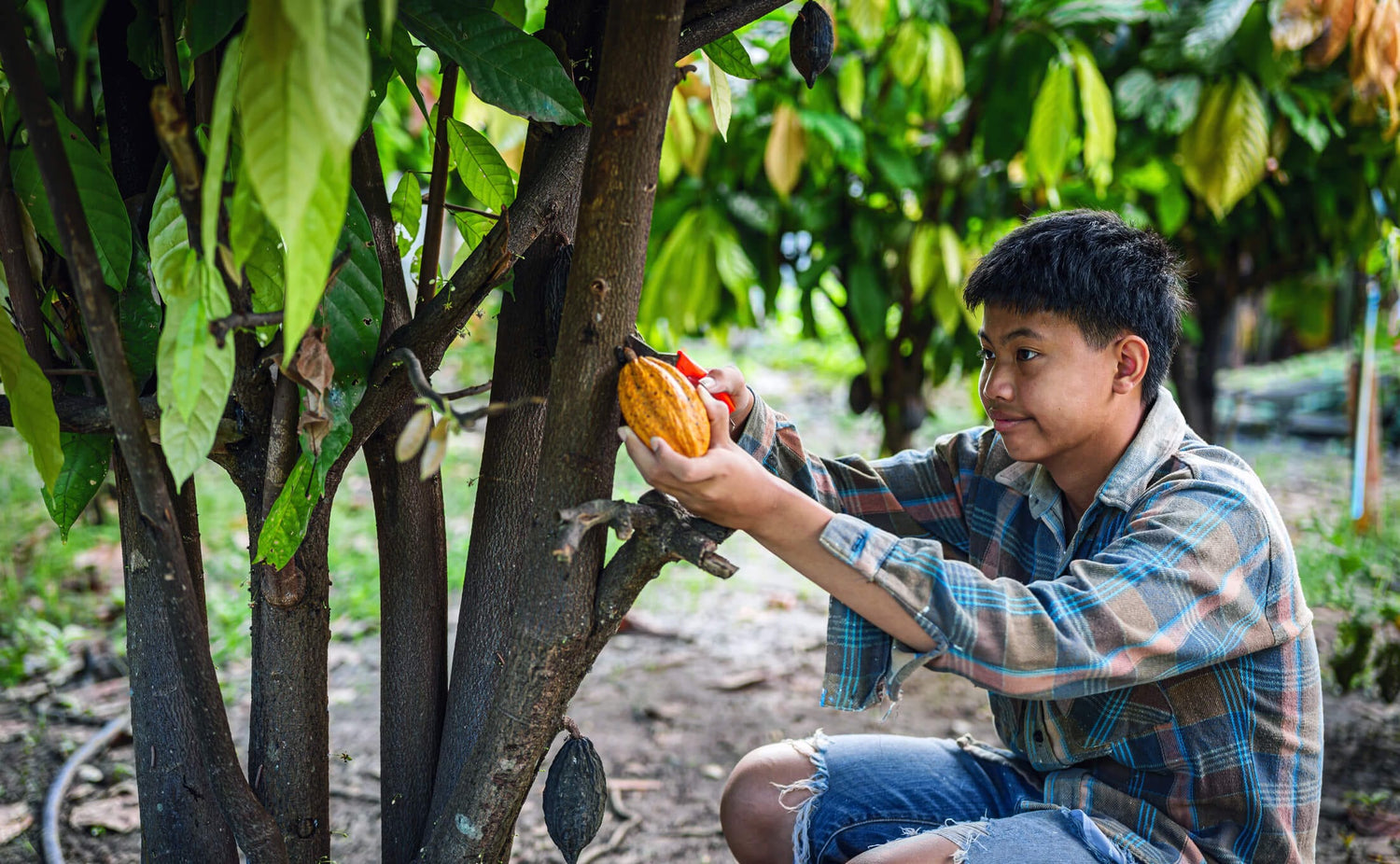
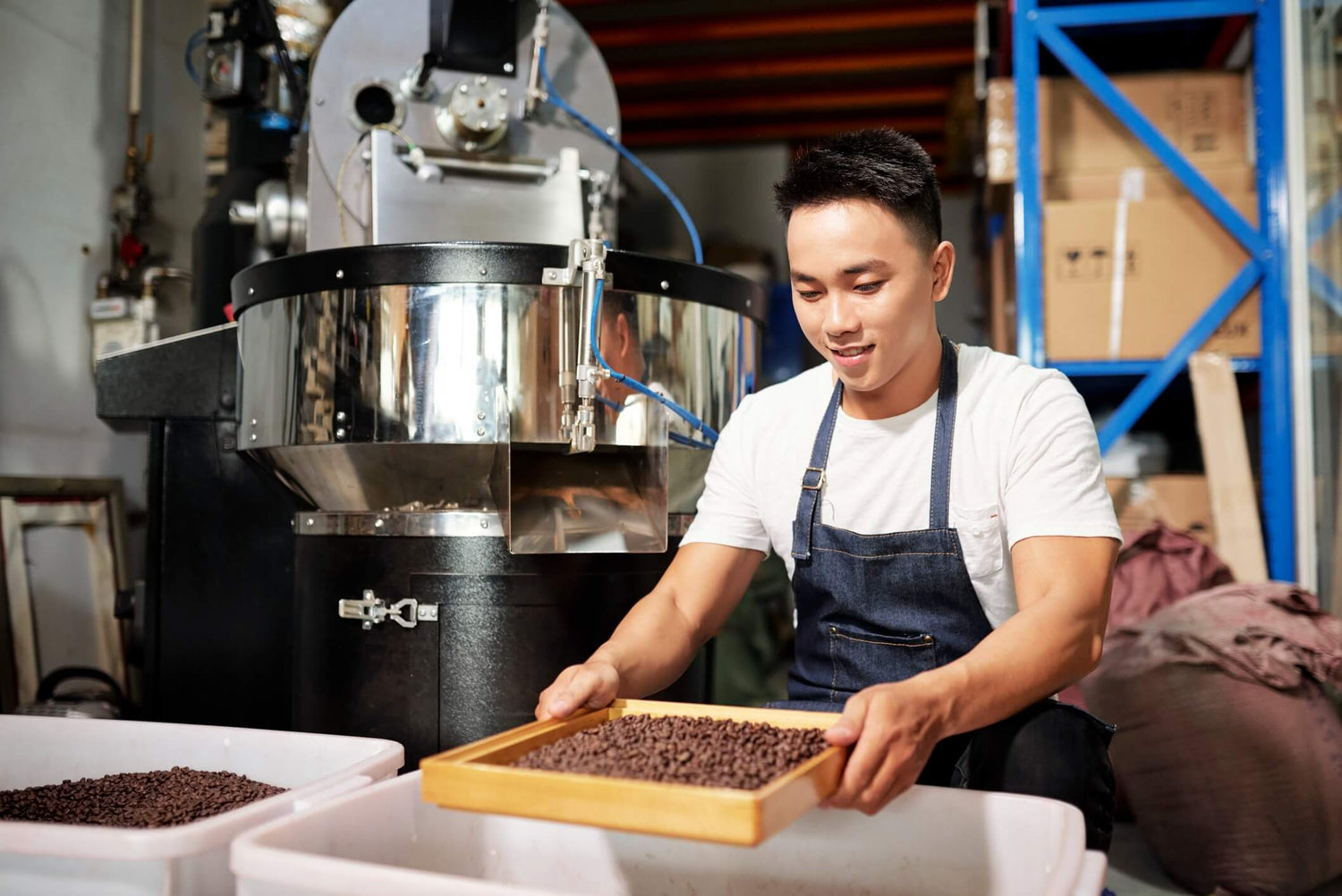
In Brussels alone, there are more than 2,000 chocolate retail outlets. Among them, only a very limited number, estimated at around five, can be considered true “bean-to-bar” craft chocolate makers, meaning they transform cocoa beans into chocolate in-house. This structural imbalance creates significant distortion in consumer perception.
Many establishments present themselves as “artisan” or “bean-to-bar,” while in reality:
- they do not process cocoa beans,
- they rely on industrial chocolate (couverture),
- or they operate primarily as retail or tourism-driven businesses.
This situation has several consequences:
- Consumers are misled about the nature and origin of the products they purchase;
- Genuine artisans are disadvantaged, as their work is not distinguishable in the marketplace;
- The reputation of Belgian chocolate is weakened by the dilution of its meaning;
- Local economic value is affected, as industrial and imported products dominate visibility.
The issue is further amplified by digital systems, including search engines, tourism platforms, and artificial intelligence tools, which tend to prioritize visibility, marketing content, and popularity signals rather than objective production criteria. As a result, authentic craft chocolate makers remain largely invisible to the public.
To address this situation, we call for the following measures:
- Official recognition and prioritization of the “Artisan Certifié” label as a key indicator of authenticity;
-
The establishment of a national classification framework distinguishing clearly between:
- Bean-to-bar chocolate makers (majority of production from cocoa beans),
- Artisan chocolatiers (working from couverture with genuine craftsmanship),
- Assemblers,
- Tourist-oriented or misleading retail operations;
- Integration of this framework into digital systems, including search engines and AI-based tools, to ensure more accurate representation;
- Strengthened public communication to improve consumer awareness and understanding.
A key principle must be reaffirmed:
A chocolate maker cannot be considered “bean-to-bar” unless the transformation of cocoa beans represents the majority of their production.
Protecting Belgian chocolate today requires more than preserving tradition; it requires adapting regulatory and informational tools to the realities of the digital age.
We invite policymakers, industry stakeholders, and digital platforms to collaborate in restoring clarity, fairness, and transparency within the sector.