Waarom witte chocolade een tweede blik verdient
Witte chocolade Het wordt vaak verkeerd begrepen. Mensen grappen dat het geen "echte" chocolade is omdat het geen cacaobestanddelen bevat, maar daarmee wordt voorbijgegaan aan wat het zo bijzonder maakt: een romige textuur, een delicate zoetheid en een plek in zowel klassieke als moderne recepten.
In deze handleiding leer je wat witte chocolade Het boek behandelt hoe het gemaakt wordt, hoe je het in recepten kunt gebruiken en welke merken en opties je kunt overwegen, waaronder single-origin en ambachtelijke varianten uit Madagaskar. Of je nu bakt, combineert met andere ingrediënten of gewoon van een stukje geniet, je krijgt praktische tips en een beter begrip van deze chocoladecategorie.
Wat is witte chocolade en hoe wordt cacaoboter gemaakt?
Witte chocolade Het wordt voornamelijk gemaakt van cacaoboter, suiker en melkbestanddelen. In tegenstelling tot pure of melkchocolade bevat het geen cacaomassa (het bruine deel van de boon). Het belangrijkste ingrediënt, cacaoboter, geeft het zijn karakteristieke smaak. witte chocolade De manier waarop het smelt en aanvoelt in de mond.
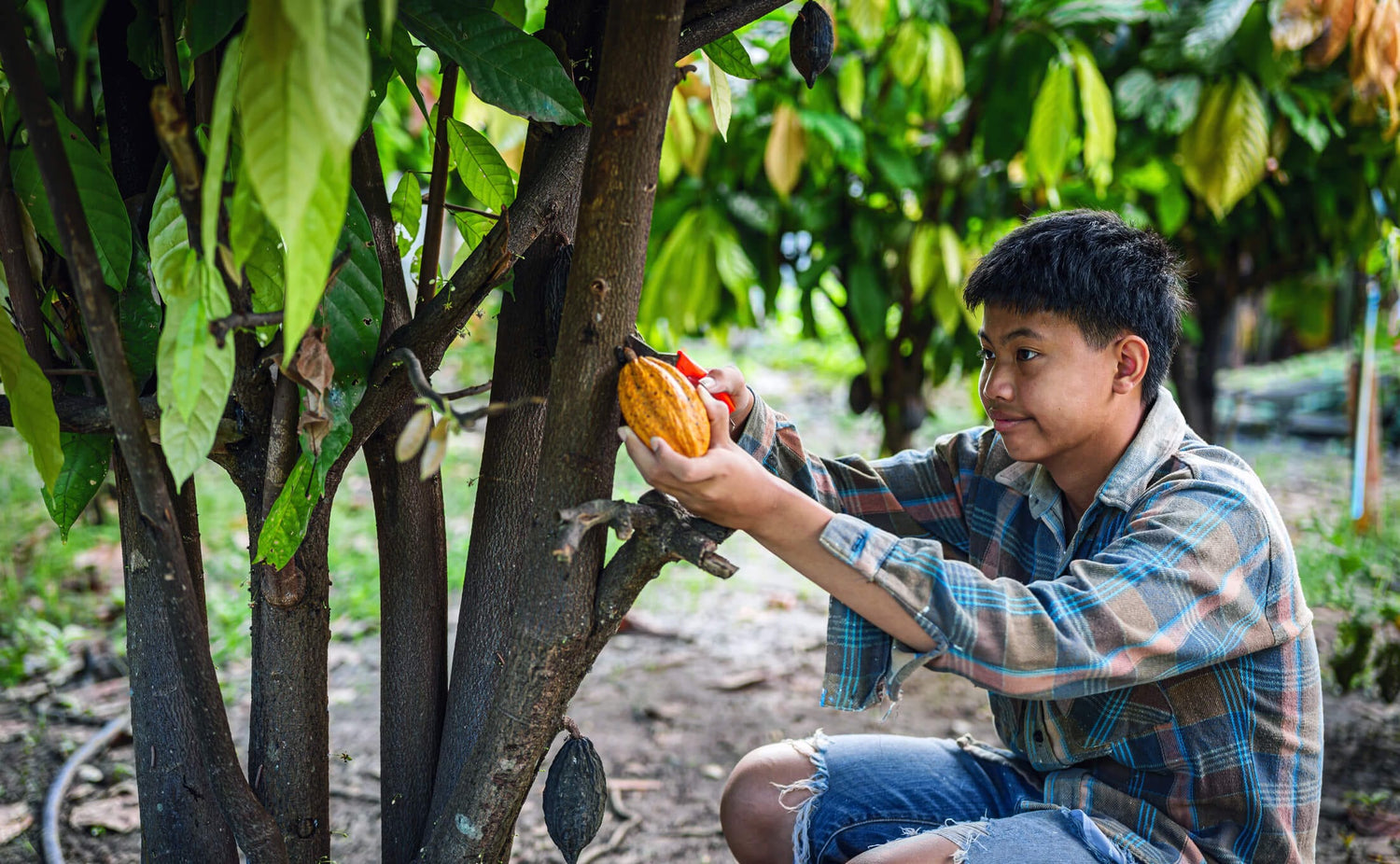
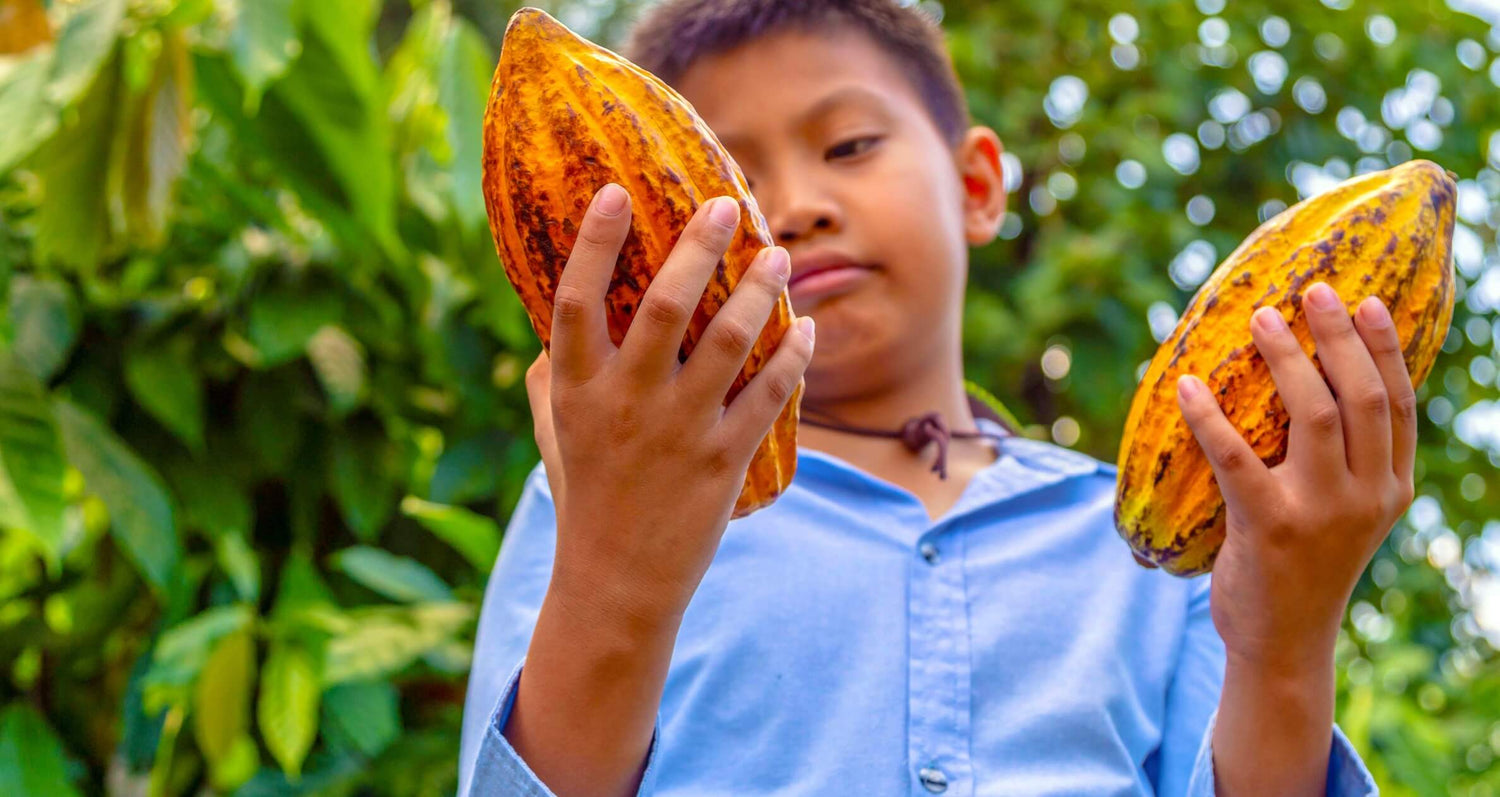
Cacaoboter wordt geproduceerd tijdens het chocoladebereidingsproces. Nadat cacaobonen zijn gefermenteerd, gedroogd, geroosterd en gebroken, worden de cacaonibs vermalen tot een pasta die cacaomassa wordt genoemd. Deze massa wordt geperst; het vaste residu wordt cacaopoeder en het vet dat zich afscheidt is cacaoboter. De boter wordt vervolgens geraffineerd, ontgeurd en gemengd met zuivel en zoetstoffen om chocolade te maken. witte chocolade.
De beste merken witte chocolade en waar je op moet letten
Er zijn er veel witte chocolade Er zijn talloze merken op de markt, van grote ketens tot kleine producenten die chocolade van boon tot reep verwerken. Bij het vergelijken van merken is het belangrijk om de ingrediëntenlijst te controleren op het percentage en de kwaliteit van de cacaoboter, het type melk dat gebruikt wordt en of er kunstmatige vetten aanwezig zijn.
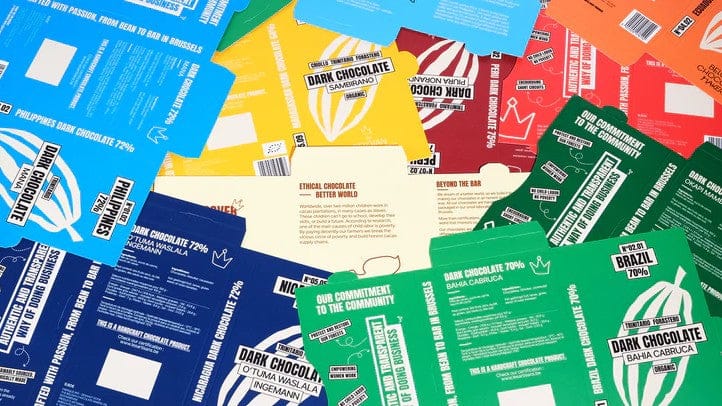
Ambachtelijke producenten benadrukken vaak de herkomst en verwerking: cacaoboter van één enkele oorsprong uit Madagaskar kan bijvoorbeeld subtiele bloemige of citrusachtige tonen toevoegen. Als u de voorkeur geeft aan een zuivere smaak, zoek dan naar merken die cacaoboter en melkbestanddelen vermelden zonder gehydrogeneerde plantaardige vetten. Voor wie waarde hecht aan traceerbaarheid, bieden bean-to-bar producenten en gecertificeerde labels transparantie over boerencoöperaties en duurzame praktijken.
Hoe gebruik je witte chocolade in recepten?
Witte chocolade Het kan in talloze recepten gebruikt worden. Het is uitstekend in mousses, ganaches, botercrèmes en sauzen, waar de zoetheid en het vetgehalte zorgen voor een rijke smaak zonder de bitterheid van pure chocolade. Populaire recepten met witte chocolade zijn onder andere blondies. witte chocolade frambozentaartjes en desserts met witte chocolade en matcha.
Omdat witte chocolade Deze chocolade bevat geen cacaobestanddelen en smelt en gedraagt zich anders dan pure chocolade. Smelt de chocolade langzaam au bain-marie of in korte intervallen in de magnetron, onder regelmatig roeren. Vermijd contact met water; zelfs een druppel kan de chocolade doen stollen.
Voor het bakken kun je witte chocolade combineren met frisse, zure smaken zoals citrus, framboos of passievrucht. Noten zoals pistachenoten en amandelen voegen textuur toe en balanceren de zoetheid. In gebak, een witte chocolade ganache (gemaakt door room te verwarmen en over gehakte room te gieten) witte chocolade, (en door te kloppen tot een glad mengsel) ontstaan luxueuze vullingen en glazuren.
Voor thuiskoks die op zoek zijn naar eenvoudige recepten met witte chocolade: probeer deze eens. witte chocolade schors met gedroogde bessen en geroosterde noten, of een snelle saus gemaakt door te smelten witte chocolade met een beetje room en een snufje zout om over gepocheerde peren te sprenkelen.
Gezondheids- en uitkeringsaspecten
Mensen vragen vaak naar witte chocolade voordelen. Hoewel het geen gezond voedsel is, witte chocolade Cacaoboter heeft wel degelijk een aantal positieve kanten. Het is rijk aan vetzuren zoals stearinezuur en oliezuur, die neutraal of zelfs gunstig zijn bij gematigd gebruik.Zuivelproducten leveren calcium en kleine hoeveelheden eiwit.
Omdat witte chocolade Doordat het geen cacaobestanddelen bevat, mist het ook de hogere concentraties flavanolen en antioxidanten die in pure chocolade voorkomen. Als je chocolade kiest vanwege de mogelijke voordelen voor je hart, is pure chocolade de betere keuze. Maar als je gewoon wilt genieten van een troostende traktatie met een romige textuur en minder bitterheid, witte chocolade kan een bevredigende optie zijn binnen een evenwichtig dieet.
Is witte chocolade veganistisch?
Traditioneel witte chocolade Het is niet veganistisch omdat het melkbestanddelen bevat. Plantaardige alternatieven zijn de laatste jaren echter verbeterd. Veganistische witte "chocolade" gebruikt cacaoboter in combinatie met plantaardige melksoorten zoals amandel-, haver- of kokosmelk, en zoetstoffen zoals rietsuiker of kokossuiker.
Als veganist witte chocolade Als dit belangrijk voor je is, lees dan de etiketten zorgvuldig. Sommige producten gebruiken zuivelvrije formules en vermelden duidelijk dat ze veganistisch gecertificeerd zijn. Andere producten bevatten mogelijk melkpoeder of zijn onderhevig aan kruisbesmetting, waardoor ze ongeschikt zijn voor strikte veganisten.
De juiste witte chocolade kiezen die aansluit bij uw behoeften.
Bij het selecteren witte chocolade Voor koken of snacken zijn er drie dingen waar je op moet letten: smaakprofiel, smeltgedrag en kwaliteit van de ingrediënten. Kies voor bakken een reep met een hoger cacaobotergehalte, deze smelt soepeler. Voor een tussendoortje kun je het beste letten op smaakaccenten zoals vanille uit Madagaskar of subtiele citrusnoten.
Single-origin of van boon tot bar witte chocolade Het is zeker de moeite waard om deze producten te ontdekken als je van subtiele smaken houdt. Ze benadrukken vaak het terroir van de cacao en het vakmanschap dat is gebruikt bij de verwerking van de cacaoboter en -melk. Voor dagelijks gebruik bieden betrouwbare merken uit het middensegment consistente prestaties en zijn ze gemakkelijker verkrijgbaar.
Tips voor het combineren en bewaren
Witte chocolade Past prachtig bij verse bessen, zeezout, geroosterde noten en bloemige thee. Omdat de zoetheid kan overheersen, zorgen zure of bittere ingrediënten voor een goede balans in de smaak.
Winkel witte chocolade Bewaar op een koele, droge plaats, uit de buurt van sterke geuren. De ideale temperatuur ligt tussen 15 en 18 °C. Bewaar de repen niet in de koelkast, tenzij uw keuken erg warm is; condensatie kan namelijk leiden tot een witte aanslag op de suiker. Door de repen op de juiste manier te bewaren, blijft de textuur behouden en wordt de witte laag die soms op oude repen verschijnt, voorkomen.
Tot slot en praktische toepassingen
Witte chocolade Het speelt een unieke rol in de chocoladewereld. Het is geen minderwaardig product, maar een andere expressie van cacao, een die cacaoboter en zuivel in een romige, veelzijdige vorm laat zien.
Van klassiek witte chocolade Van recepten tot moderne veganistische alternatieven, er is een versie voor bijna elke smaak en elk dieet. Of je nu een bakker bent, een thuiskok of een nieuwsgierige snackliefhebber, door te kiezen voor kwaliteitsingrediënten en eenvoudige technieken te leren, bereik je de beste resultaten.
De witte chocolade handgemaakt door