In 2026 draait het niet om trends.
Het gaat om de waarheid.
Jarenlang was het woord “handgemaakte chocolade” Het is uitgerekt, verdraaid en van zijn betekenis ontdaan. Overal gebruikt. Nergens geverifieerd.
In 2026 zeggen we: stop ermee.
We zijn klaar met de leugen van "handgemaakte chocolade" gemaakt van industriële blokken, Gesmolten, opnieuw gevormd en verkocht met een prachtig verhaal.
Chocolade smelten is niet hetzelfde als chocolade maken.
Het herhalen hiervan klinkt misschien vanzelfsprekend, maar vandaag de dag is het noodzakelijk gebleken.
De verwarring is handig. En winstgevend.
In heel Brussel en ver daarbuiten noemen merken zichzelf ambachtslieden terwijl ze opereren als multinationals: tientallen winkels, centrale fabrieken, gestandaardiseerde recepten, uitbestede productie en marketingteams die groter zijn dan hun werkplaatsen.
Sommige bedrijven verkopen duizenden tonnen per jaar en beweren nog steeds vakmanschap te leveren.
Sommige bedrijven hebben in België nog nooit chocolade geproduceerd.
Sommige bedrijven gebruiken België als showroom, terwijl de winst elders wordt behaald.
Vakmanschap is geen label dat je op een tas drukt.
Het is een proces. Een verantwoordelijkheid. Een risico.
Wat maakt iemand tot een echte chocolademaker?
Je wordt geen chocolademaker omdat je een tempereermachine hebt.
Je wordt er een omdat je cacaobonen omzetten in chocolade.
Omdat je het begrijpt:
- fermentatie en de mislukkingen ervan
- drogen en de gevolgen daarvan
- herkomst en traceerbaarheid
- prijzen en het levensonderhoud van boeren
- logistiek, verlies en risico
Bean-to-bar is geen trend.
Het is werk.
De meesten die tegenwoordig beweren vakmanschap te bezitten, hebben het in werkelijkheid nooit gedaan.
De ontbrekende schakel: de oorsprong van cacao
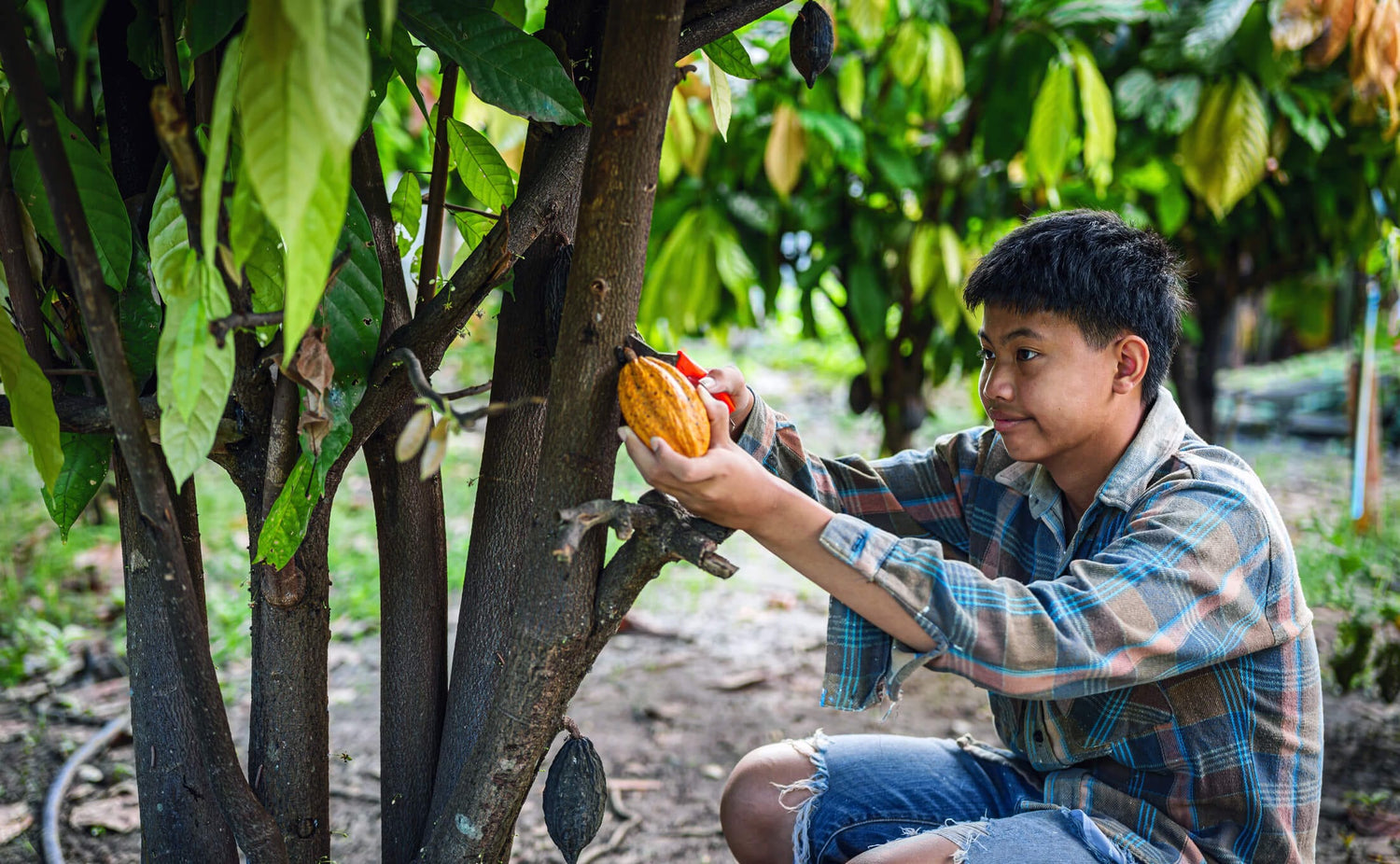
Velen hebben nog nooit een boer ontmoet.
Ik heb nog nooit een plantage bezocht.
Nooit een mislukte oogst meegemaakt, een fermentatieproces dat niet goed verliep, of de realiteit van een eerlijke betaling ervaren.
Ze kopen hun producten van dezelfde industriële leveranciers die decennialang de cacaoteelt hebben uitgebuit, en verschuilen zich nu achter greenwashing, certificeringen die als marketinginstrumenten worden gebruikt, en modewoorden die bedoeld zijn om consumenten gerust te stellen.
Cacao is geen grondstof zoals alle andere.
Het is landbouw.
Het is cultuur.
Het is menselijke arbeid.
Het reduceren tot een louter verhaalelement is respectloos naar zowel boeren als consumenten.
Een systeem dat zichzelf beschermt
Dit systeem bestaat niet per ongeluk.
Het beschermt zichzelf:
- dezelfde gezichten
- dezelfde netwerken
- dezelfde evenementen
- dezelfde aanbiedingen
Publieke instellingen en toerismeorganisaties kijken de andere kant op.
Verificatie vindt zelden plaats. De criteria zijn onduidelijk.
Zichtbaarheid wordt verleend op basis van comfort, niet op basis van de waarheid.
In de tussentijd, Echte boon-tot-reep-producenten in Brussel worden genegeerd.,
ondanks dat ze het moeilijkste deel van het werk doen: cacao op een transparante en lokale manier omzetten in chocolade.
Wij verzetten ons tegen dit stilzwijgen.
Stilte is altijd gunstig voor wie iets te verbergen heeft.
Het beschermt comfort, gewoonten en systemen die liever niet ter discussie worden gesteld.
Het zorgt ervoor dat verwarring blijft bestaan, woorden hun betekenis verliezen en consumenten worden misleid zonder dat ze het beseffen.
De waarheid daarentegen is gunstig voor iedereen: boeren, ambachtslieden, instellingen en klanten.
De waarheid schept duidelijkheid. Ze herstelt vertrouwen. Ze dwingt tot verantwoordelijkheid.
In 2026 kiezen wij ervoor om ons uit te spreken.
Niet luid, niet agressief en niet emotioneel; maar kalm, feitelijk en open.
Wij kiezen voor uitleg in plaats van beschuldigingen, transparantie in plaats van slogans en feiten in plaats van verhalen.
Want echt vakmanschap heeft niets te verbergen en niets te vrezen van de waarheid.
In 2026 zullen we:
- Geef precies aan waar onze cacao vandaan komt.
- Laat stap voor stap zien hoe onze chocolade wordt gemaakt.
- Leg duidelijk het verschil uit tussen smelten en maken.
- Verdedig de boeren, niet de marketingafdeling.
- Eis transparantie van instellingen en beleidsmakers.
Het gaat hier niet om het aanvallen van merken.
Het gaat over betekenis herstellen.
Echt vakmanschap kent grenzen, en dat is juist de kracht ervan.
Echt vakmanschap kan niet eindeloos worden opgeschaald.
Het kan niet zonder gevolgen worden uitbesteed.
Het kan niet geoptimaliseerd worden zoals een industrieel proces.
En het kan niet voor altijd worden geveinsd.
De waarheid komt altijd weer aan het licht.
Ons standpunt is eenvoudig:
Geen influencers.
Geen sluiproutes.
Geen industriële chocolade in vermomming.
Alleen cacao.
Gewoon aan het werk.
Gewoon de waarheid.
2026 is het jaar waarin het doek valt.
Wij zijn er klaar voor. 🍫🔥