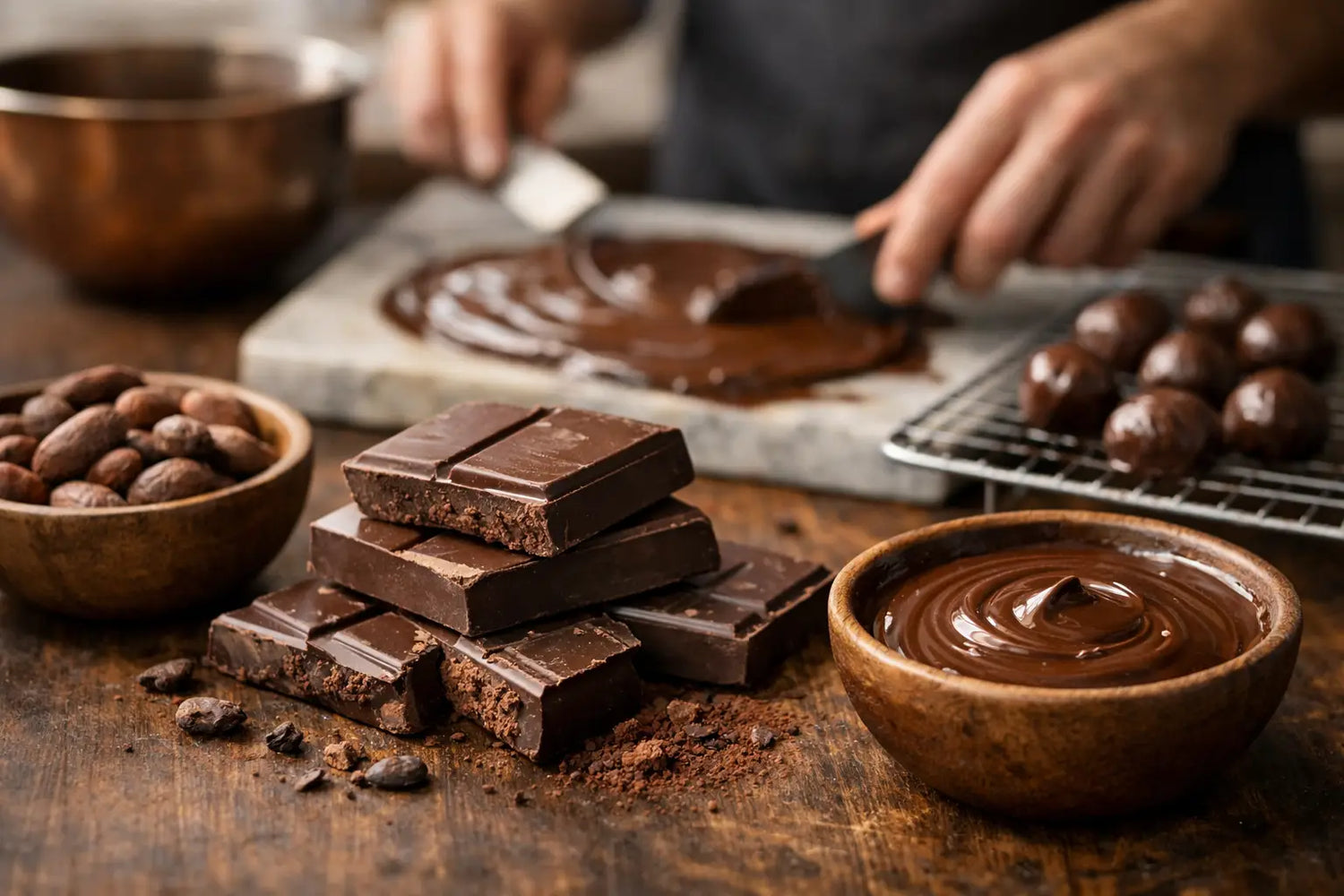
A chocolate bar can tell you more than its cocoa percentage. Its aroma, texture, and finish can reveal whether the maker had the time to listen to the beans at every stage. The small batch chocolate benefits begin there: with closer attention to flavor. But they also reach into cacao sourcing, production choices, and the confidence of giving chocolate that feels genuinely considered.
For buyers who value both pleasure and provenance, small-batch chocolate offers a more direct connection between cacao bean and finished piece. It is not simply chocolate made in smaller quantities. Done well, it is chocolate made with greater intention.
What small-batch production changes
In large-scale chocolate production, consistency is often achieved by blending cacao from many sources and relying on standardized processes designed for volume. That approach can produce familiar, reliable chocolate, but it can also smooth away the personality of individual beans.
Small-batch makers work with more manageable quantities of cacao at a time. This allows them to adjust roasting, refining, conching, and tempering according to the particular characteristics of a bean. One origin may need a gentler roast to preserve floral notes; another may benefit from deeper development to bring forward caramel, toasted nut, or red-fruit flavors.
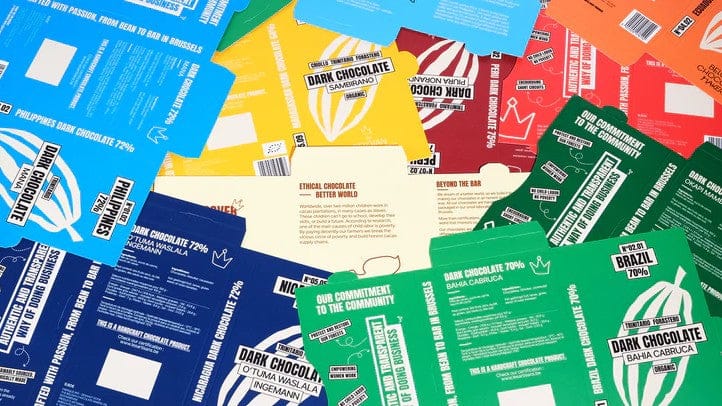
The result is not chocolate that is deliberately unusual for its own sake. It is chocolate with a clearer sense of place. Cacao grown in Madagascar, Peru, Tanzania, or Ecuador can express markedly different profiles, much as coffee, wine, and tea do. A careful maker aims to reveal those distinctions rather than cover them with excessive sugar, vanilla, or heavy processing.
More control at every stage
Bean-to-bar production matters because the chocolate maker controls the transformation from raw cacao to finished chocolate. Roasting develops flavor and reduces moisture. Winnowing separates the shell from the cacao nib. Refining creates smoothness, while conching further shapes texture and aroma. Tempering gives chocolate its clean snap, gloss, and satisfying melt.
When these stages happen in-house, decisions can be made batch by batch rather than accepted from a supplier of pre-made couverture. A maker can taste along the way, make a precise adjustment, and protect the character of a particular harvest. This is craftsmanship in its practical form: not decoration added at the end, but attention built into the chocolate itself.
Flavor is the most iImmediate benefit
The most compelling reason to choose small-batch chocolate is simple: it can taste more expressive. A well-made dark bar may begin with citrus, move toward dried fruit or honey, and finish with a gentle toasted note. A milk chocolate can offer real cacao depth alongside creaminess rather than tasting only sweet.
Texture matters just as much. Proper refining and conching create a smooth melt without making the chocolate flat or greasy. Proper tempering produces a polished surface and a decisive break. These details are easy to overlook until you taste chocolate where they have been handled with care.
Still, small batch is not a guarantee of excellence. A small maker can over-roast beans, use poor ingredients, or produce an unbalanced recipe. The better signal is a combination of small-scale production, transparent sourcing, skilled technique, and a flavor profile that feels clean and intentional. The words on the wrapper should be supported by what happens on the palate.
Small batch chocolate benefits beyond the bar
Flavor may bring people to craft chocolate, but traceability often gives them a reason to return. When a maker works closely with cacao origins and purchases thoughtfully, it becomes easier to communicate where the beans came from and why they were selected.
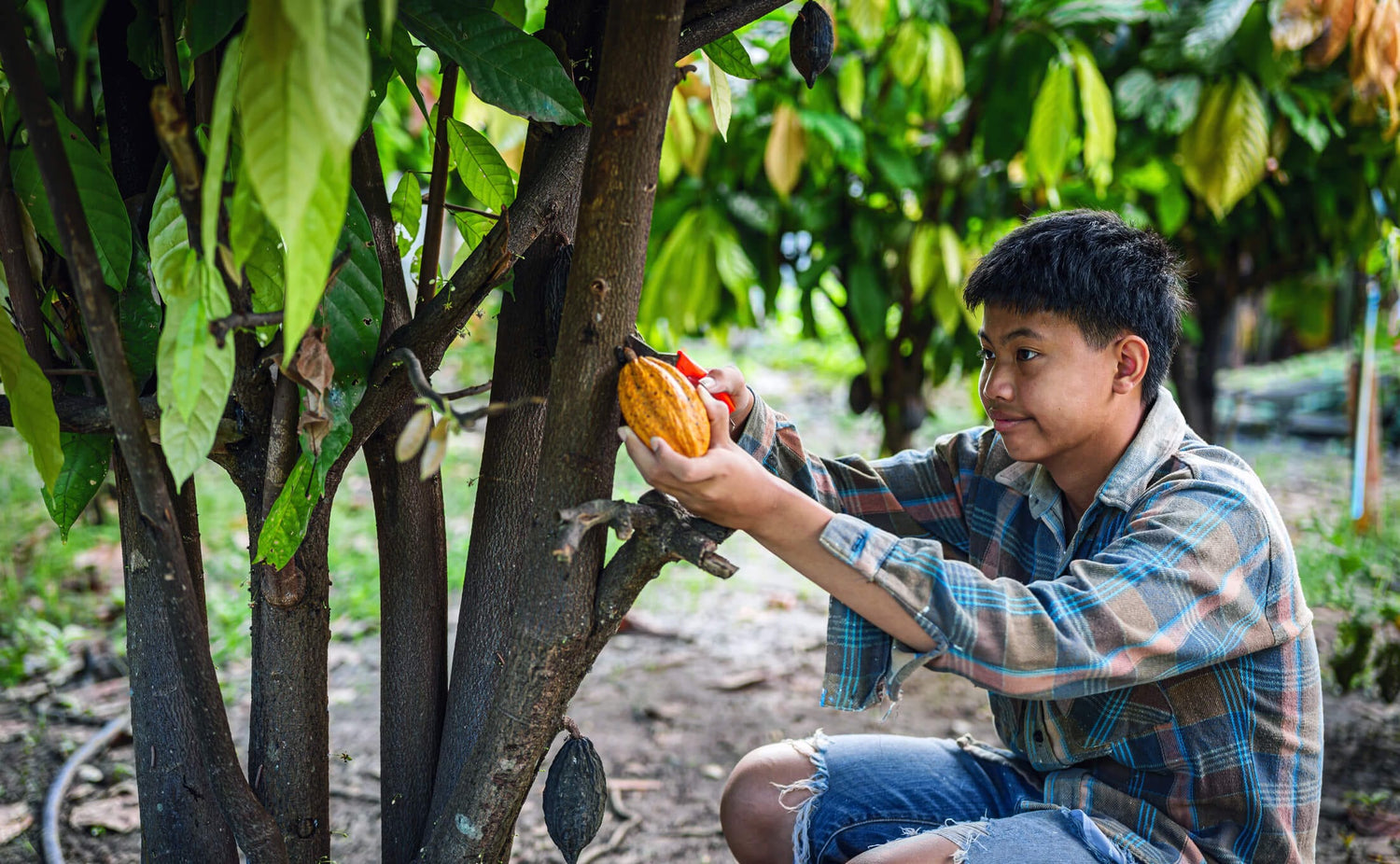
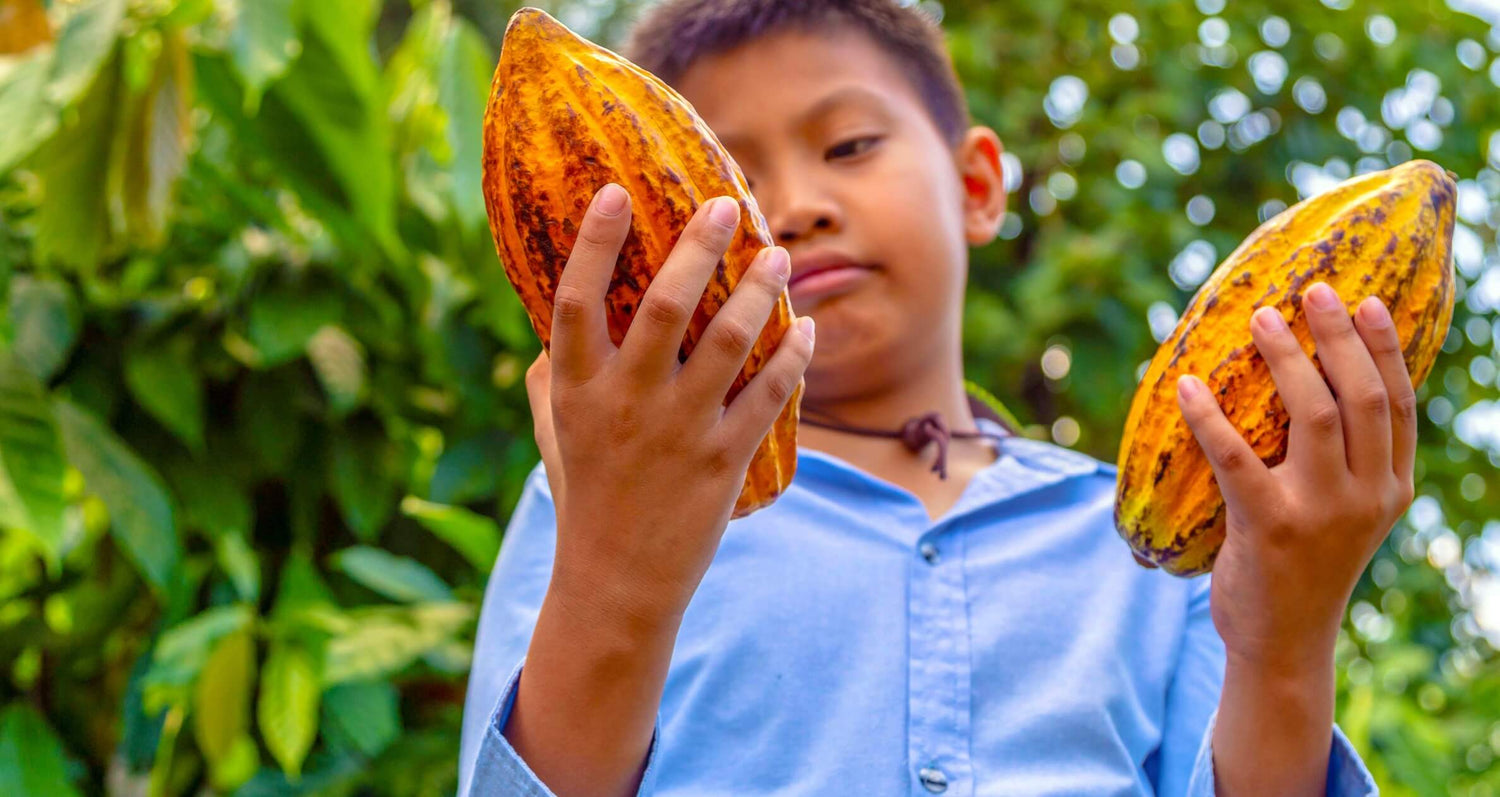
That information has real value. Cacao is an agricultural crop, shaped by variety, climate, fermentation, drying, and harvest conditions. Naming an origin, farm, cooperative, or region recognizes that chocolate begins long before it reaches a workshop. It also invites a more respectful relationship with the people whose work makes fine chocolate possible.
Ethical sourcing deserves the same careful standard as flavor. Small-batch production can support stronger relationships and greater transparency, but it does not automatically make a chocolate ethical. Responsible buyers should look for clear sourcing information, credible commitments to fairer value distribution, and makers willing to explain their choices plainly. Vague claims are less meaningful than specific origin details and long-term accountability.
For gift shoppers, this adds a dimension that conventional luxury packaging alone cannot provide. A box of pralines or a selection of single-origin bars can feel generous because it is beautiful, but it can also feel personal because there is a real story behind it. The gift says more than “I brought chocolate.” It says, “I chose something made with care.”
Why fresh production matters
Chocolate has a long shelf life compared with many foods, but freshness still affects the experience. Aromas fade over time, especially in delicate single-origin chocolate. Fillings in pralines and truffles have their own ideal window, depending on ingredients and storage.
Small workshop production can help makers produce in rhythms that are closer to actual demand, particularly for seasonal collections and gift assortments. This does not mean every piece is made the day it is purchased. It means production can be more responsive, with closer oversight of inventory and finish.
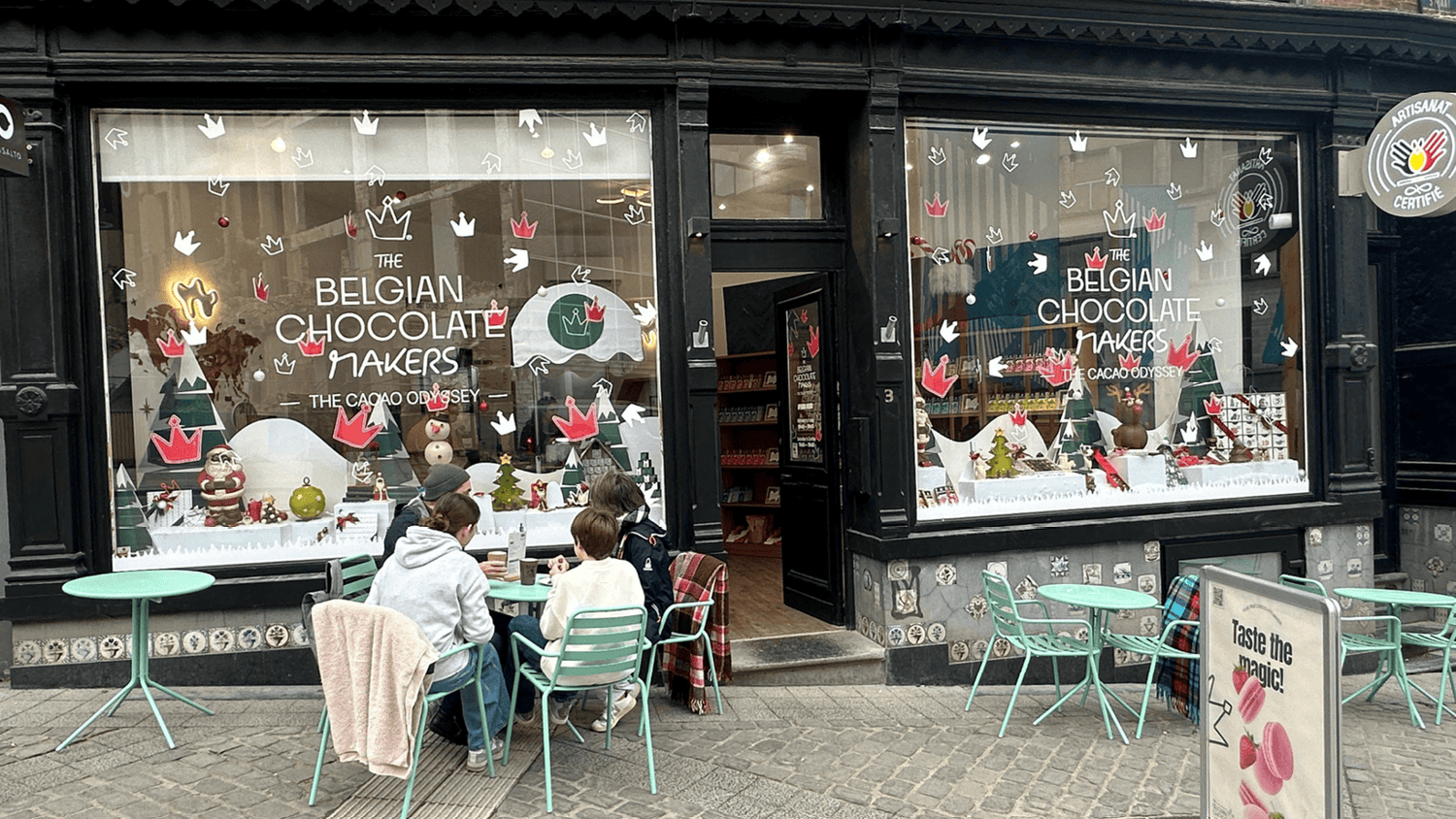
At The Belgian Chocolate Makers, making chocolate from carefully sourced cacao beans in a Brussels workshop allows the process to remain connected from roasting through molding and finishing. That continuity is especially meaningful in products where chocolate is the central ingredient, whether it is a single-origin bar, a mendiant, a spread, or a finely finished praline.
A better way to choose chocolate for gifting
Not every occasion calls for the same chocolate. A single-origin bar is an excellent choice for someone who enjoys tasting notes and wants to compare cacao profiles. Pralines and truffles offer a more celebratory experience, particularly when a gift needs variety and visual appeal. Mendiants bring texture and a sense of abundance, while spreads make an everyday ritual feel more special.
When choosing a small-batch chocolate gift, consider the recipient before focusing on the most dramatic packaging. A dark-chocolate enthusiast may appreciate a focused selection of origins. Someone who prefers approachable sweetness may enjoy milk chocolate, hazelnut, or softly flavored pralines. For a host gift or business occasion, a balanced assortment often works best because it gives several people something to enjoy.
Presentation still matters. Fine chocolate is both food and gesture. A carefully made gift box, wrapped bar, or seasonal collection should feel polished without distracting from what is inside. The strongest premium gifts unite both: a memorable first impression and chocolate worth lingering over.
How to taste the difference
You do not need formal training to appreciate craft chocolate. Start by letting a small piece melt rather than chewing it immediately. Notice the first aroma, then the flavors that develop as the chocolate warms. Is it predominantly sweet, bitter, fruity, nutty, floral, creamy, or roasted? Does the finish remain clear and pleasant?
Then pay attention to balance. Fine chocolate does not need to be aggressively bitter to prove it is serious, and milk chocolate does not need to be overly sweet to be comforting. The goal is harmony between cacao, sugar, milk where used, and any inclusions or fillings.
A side-by-side tasting can be revealing. Compare two dark chocolates with similar cocoa percentages but different origins. The percentage tells you the proportion of cacao ingredients, not the whole flavor story. Origin, recipe, roast, and process all contribute to what you taste.
The value of chocolate made with intention
Small-batch chocolate can cost more than mass-market alternatives because skilled labor, carefully selected cacao, smaller production runs, and premium finishing all require investment. That difference is worth considering honestly. It will not make sense for every everyday purchase, and a higher price alone is never proof of quality.
But when chocolate is chosen for a quiet moment, a thoughtful gift, or a shared celebration, making room for craftsmanship can change the experience. You are not only buying sweetness. You are choosing flavor with character, a clearer connection to origin, and the work of people who treat cacao as something worth understanding.
The next time you open a bar or lift a praline from its box, pause before the first bite. Good small-batch chocolate rewards that moment of attention; and often gives you a reason to remember it.