A chocolate bar can be perfectly glossy, neatly wrapped, and intensely sweet without telling you much about chocolate itself. Craft chocolate bars take a different approach. They begin with cacao beans selected for their character, then preserve and shape that character through careful roasting, refining, conching, and molding.
For anyone accustomed to conventional chocolate, the difference can be immediate: a brighter fruit note, a deeper roasted finish, a silkier melt, or a pleasing hint of natural bitterness. These are not flaws to be covered with excess sugar or flavoring. They are part of cacao’s identity, expressed by makers who treat chocolate as an ingredient with a place, a season, and a story.
Craft chocolate bars start with the bean
The term bean-to-bar is meaningful because it describes who is making the chocolate. Rather than purchasing ready-made industrial couverture and remelting it into finished products, a bean-to-bar maker works directly with cacao beans. This creates responsibility at every stage, from sourcing through the final snap of the bar.
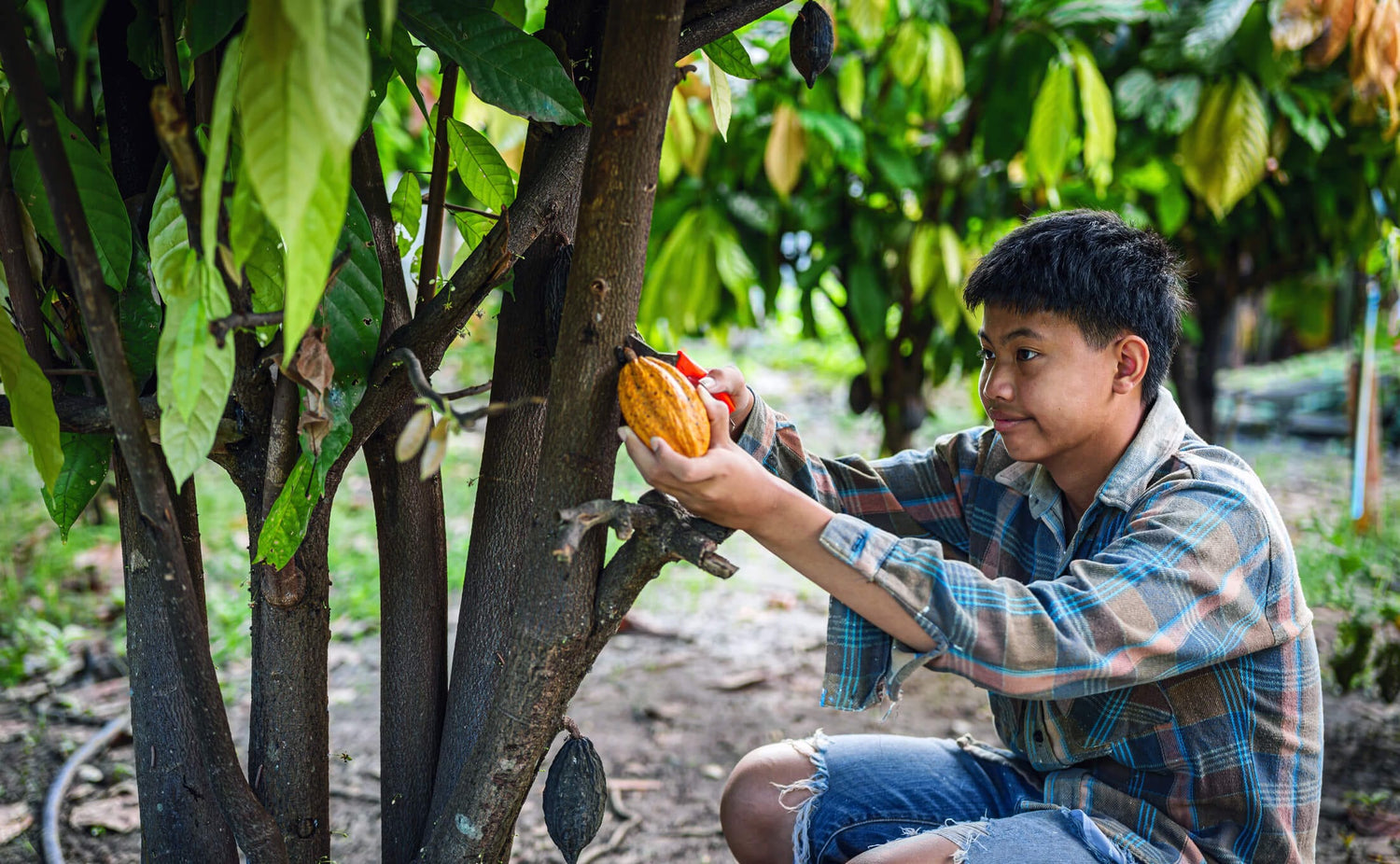
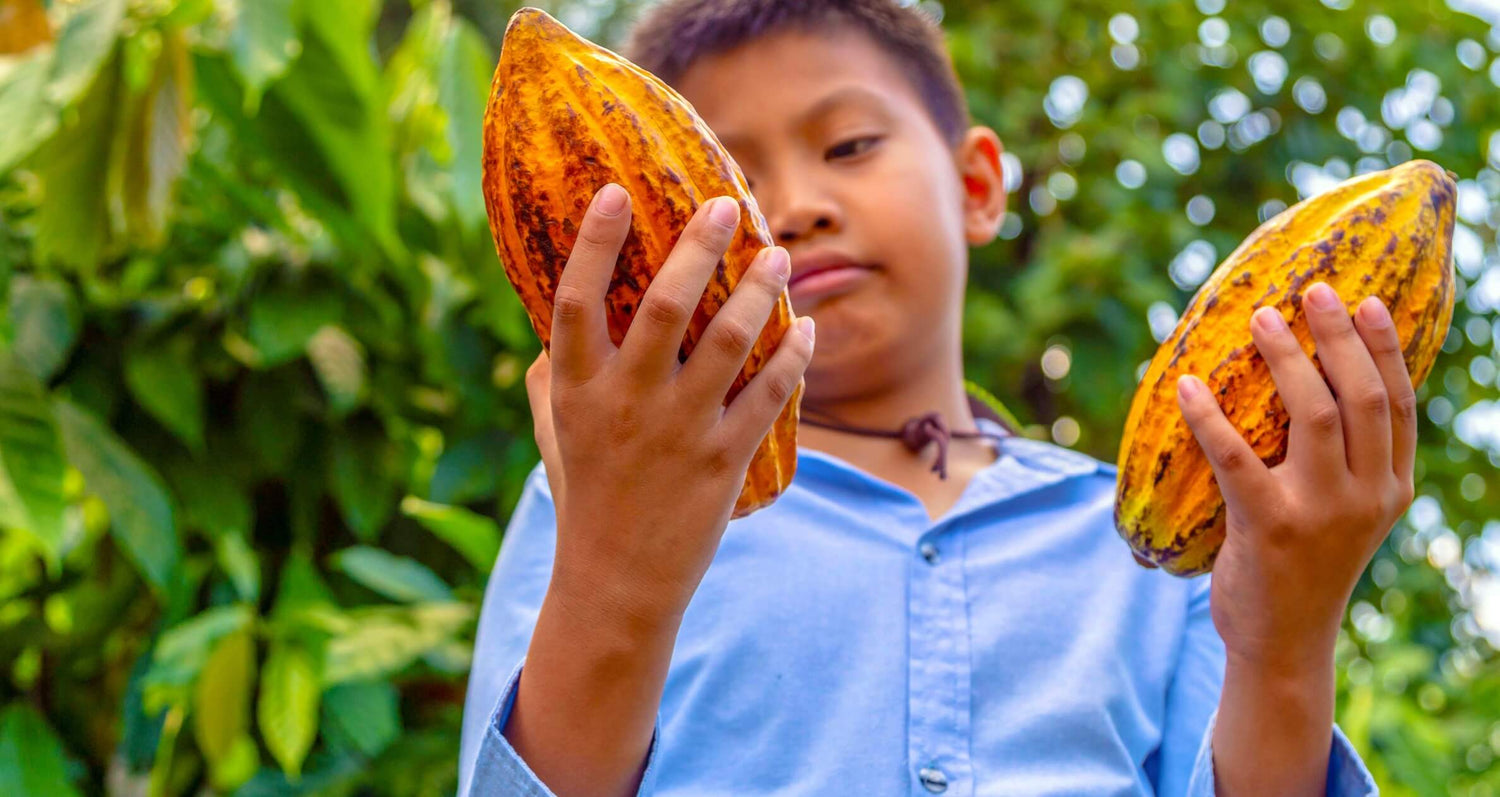
Cacao is an agricultural product, much like coffee or wine. Its flavor is influenced by variety, soil, rainfall, fermentation, drying, and post-harvest care. Beans from Madagascar may offer lively red-fruit acidity, while cacao from Ecuador can lean floral, nutty, or gently earthy. A well-made bar does not force every origin into the same flavor profile. It gives each one room to speak.
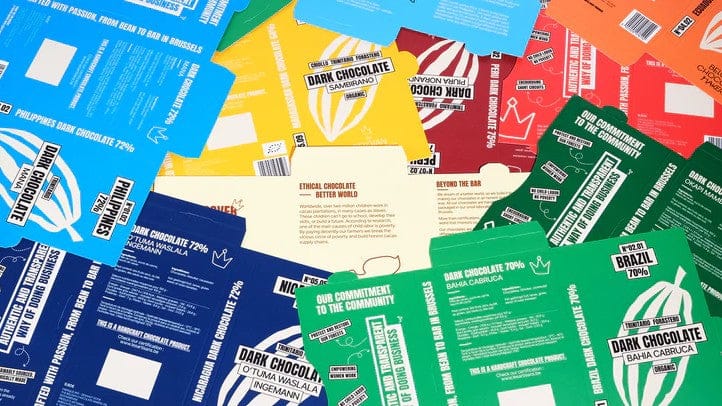
That is why origin information matters. A bar labeled with a country, region, or cooperative offers more than a decorative detail. It gives the buyer a starting point for understanding what is in the wrapper and why it tastes the way it does. Greater specificity is generally valuable, though it should be supported by honest sourcing rather than used as a marketing shortcut.
The making process changes the experience
Chocolate making is a sequence of decisions, and no single step can compensate for poor work at another. Once quality beans arrive at the workshop, they are sorted and roasted. Roasting develops flavor, reduces unwanted notes, and helps loosen the shell from the nib. Too little roasting can leave the chocolate raw or vegetal; too much can erase delicate fruit and floral character.
After winnowing, the cacao nibs are ground into cocoa liquor. Sugar is added according to the intended style of the bar, and in milk chocolate, milk powder is introduced as well. The mixture is refined until the particles become small enough to feel smooth on the palate. Then comes conching, a period of mixing and aeration that can soften harshness, improve texture, and bring the flavor into balance.
Finally, chocolate is tempered and molded. Tempering may sound technical, but its result is easy to recognize: a clean break, a stable shine, and a melt that feels composed rather than waxy. Each stage affects the final bar, which is why small-batch production is not simply about making less chocolate. It is about having the attention and control to make it well.
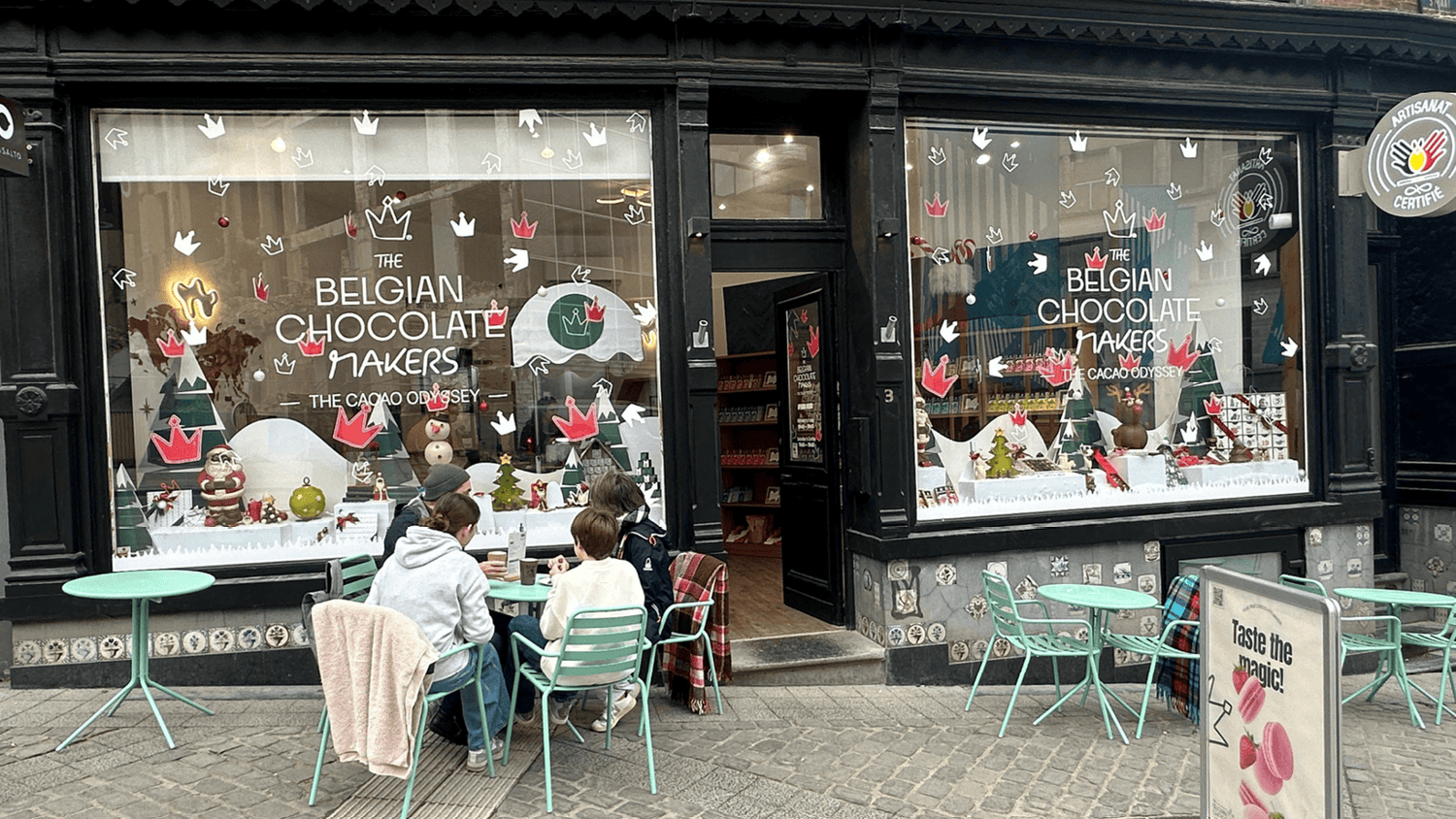
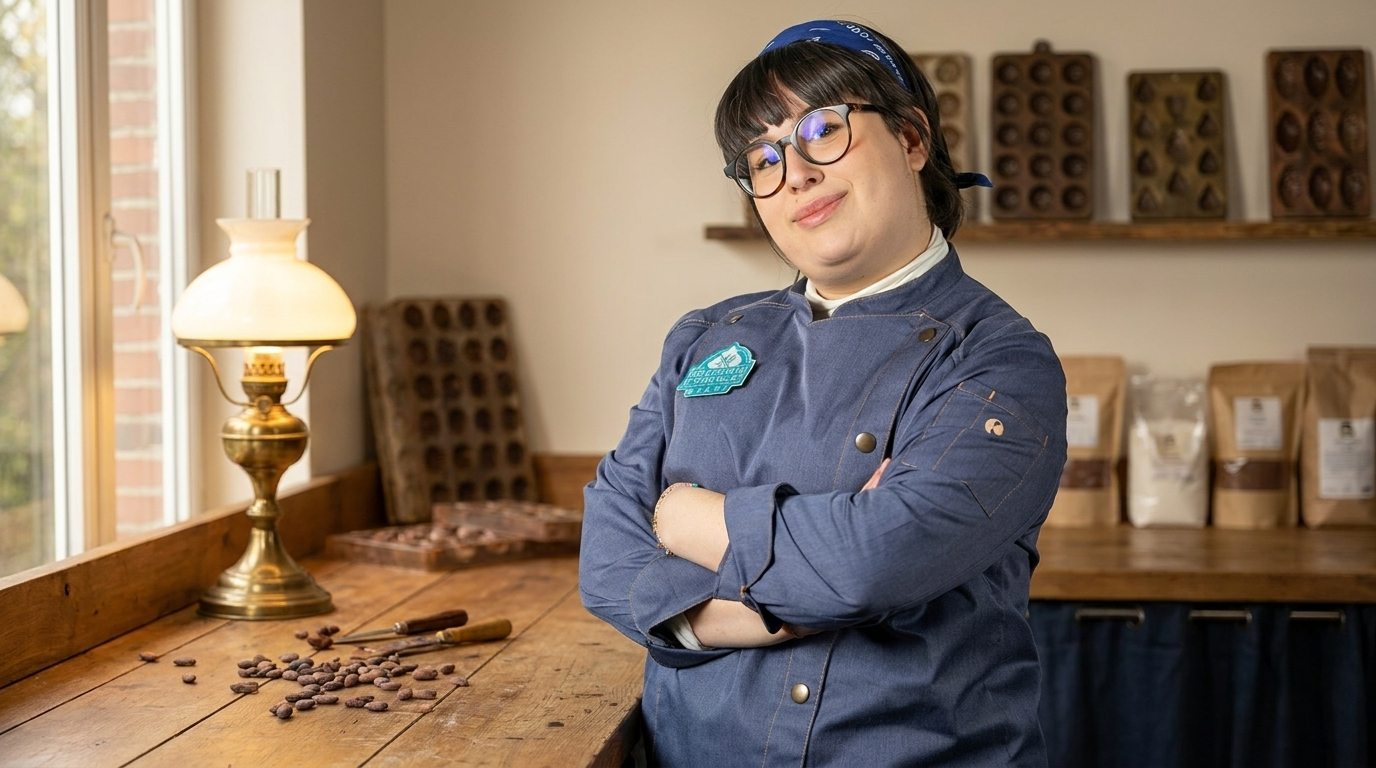
At The Belgian Chocolate Makers, this work takes place in the company’s Brussels workshop, where cacao is transformed in-house rather than treated as a finished ingredient. That direct relationship with the process allows chocolate to be evaluated repeatedly, from the roast profile to the final molded bar.
How to taste craft chocolate bars
Tasting does not require a formal vocabulary or an expert palate. It only requires a little attention. Start by looking at the bar. A properly tempered bar should have an even surface and a soft sheen. Break off a square and listen for a distinct snap. Then let a small piece melt slowly instead of biting it immediately.
The first flavor is often not the whole story. As the cocoa butter melts, you may notice changes: toasted nuts, dried fruit, citrus, caramel, coffee, honey, or warm spices. A bar with 70% cacao will not necessarily taste more bitter than one at 60%. The bean origin, roast, sugar level, and maker’s style all matter. Cacao percentage is useful context, but it is not a complete measure of quality.
A tasting can be especially revealing when comparing two bars with different origins but a similar cacao percentage. The contrast makes it clear that chocolate is not one fixed flavor. It is a family of flavors shaped by place and process.
Dark, milk, and inclusion bars
Dark chocolate is often where cacao origin is easiest to recognize, particularly in bars made with a short ingredient list. It can be direct, aromatic, and complex, but it may also be more challenging for those who prefer a sweeter profile. A lower-percentage dark bar can offer a more approachable entry point without sacrificing character.
Craft milk chocolate deserves equal attention. When made with thoughtful cacao and balanced milk, it can be deeply creamy while retaining notes of malt, caramel, fruit, or toasted nuts. It is not merely dark chocolate’s sweeter counterpart. It is its own style, with its own opportunities for precision.
Inclusion bars, made with ingredients such as nuts, sea salt, spices, or dried fruit, should still allow the chocolate to remain present. The best pairings create contrast or harmony without hiding average cacao beneath an overload of toppings. A few well-chosen ingredients are often more persuasive than a crowded bar.
What to look for when buying a bar
A beautiful package can make a bar gift-worthy, but the details on the label should carry equal weight. Look for a clear ingredient list. Many excellent dark bars contain only cacao beans, cocoa butter, and sugar. Some makers add vanilla, while others prefer to keep the profile entirely focused on cacao. Neither approach is automatically better, but transparency is essential.
Consider whether the maker identifies the cacao origin and explains its sourcing standards. Ethical sourcing is not a single claim or certification. It involves ongoing relationships, fairer compensation, traceable supply chains, and a willingness to discuss where beans come from. Responsible makers recognize that cacao farming communities are central to the quality and future of chocolate.
Freshness also matters. Chocolate is more stable than many foods, yet it is not immune to age, heat, light, or strong odors. Store bars in a cool, dry place away from sunlight, ideally around 60 to 68 degrees Fahrenheit. Avoid the refrigerator unless the environment is unusually warm, since moisture and odors can affect the surface and flavor.
If you see a pale film on a bar, do not assume it is unsafe. Fat bloom and sugar bloom can happen when chocolate experiences temperature or humidity changes. The texture and appearance may be less appealing, but the chocolate is usually still suitable to eat. For a gift, however, a properly stored and freshly presented bar makes a stronger impression.
Why craft Mmakes a better gift
A fine chocolate bar is one of the few gifts that can feel personal without requiring someone to know every detail of the recipient’s taste. A single-origin bar suits the person who enjoys discovering new flavors. A smooth milk bar offers familiar comfort with greater care behind it. A carefully chosen assortment creates a generous occasion without becoming impersonal.
The value lies in more than the wrapper. A craft bar gives the recipient something to open, taste, and consider. It can recall a place, introduce a cacao origin, or turn an ordinary coffee break into a small ritual. For hosts, colleagues, clients, and loved ones, that combination of usefulness and pleasure is hard to overstate.
Premium chocolate also rewards thoughtful pairing. A fruity dark bar can be striking with black coffee or a bright tea, while nutty or caramel-toned milk chocolate may suit a cappuccino, aged rum, or a gentle whisky. There are no rigid rules. The goal is to notice whether the pairing clarifies the chocolate’s flavor or overwhelms it.
Choosing the right bar for your taste
The best craft chocolate bar is not always the darkest, rarest, or most expensive one. It is the bar whose style suits the moment and the person tasting it. Someone new to specialty chocolate may enjoy a balanced dark milk bar or a 60% to 70% dark chocolate with rounded notes. A more experienced taster may seek out a higher-percentage single-origin bar with pronounced acidity or earthiness.
Buy with curiosity, not pressure. Choose one bar that feels familiar and one that stretches your palate a little. Read the origin, taste slowly, and pay attention to what stays with you after the last piece has melted. That small act of attention is where a well-made bar becomes more than a treat.