Understanding the power of single-origin chocolate
Single-origin chocolate is more than a flavor profile; it is a story told by terroir, cacao genetics, harvest practices, and the people who cultivate the trees. In this guide, we explore how origin shapes aroma, texture, and sweetness, and how to evaluate quality beyond the label. By paying attention to where cacao grows, how it is processed, and how it is roasted, you can begin to taste the landscape itself in every bite.
Meet Colombia Betulia B6 70%: a case study in origin and craft
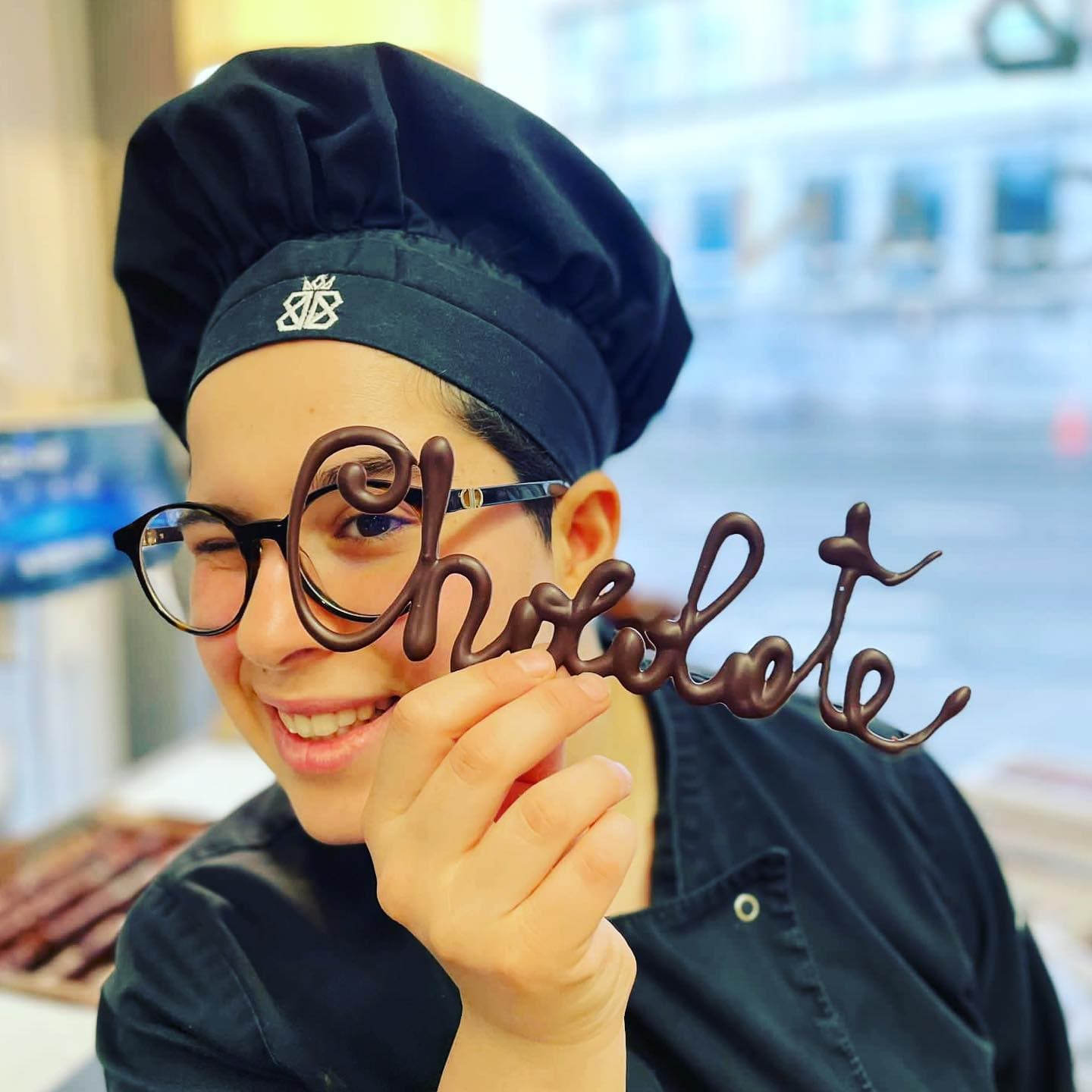
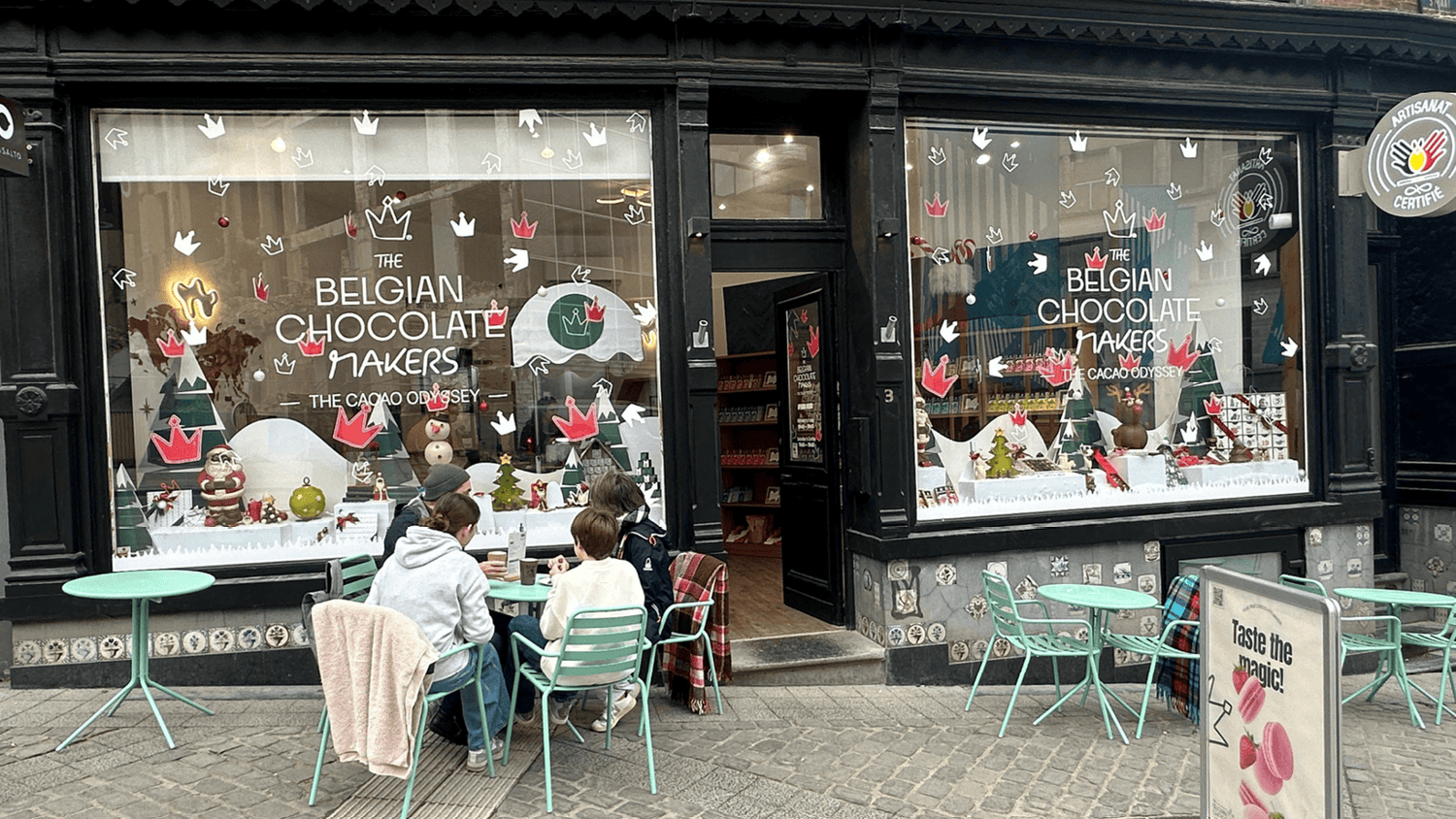
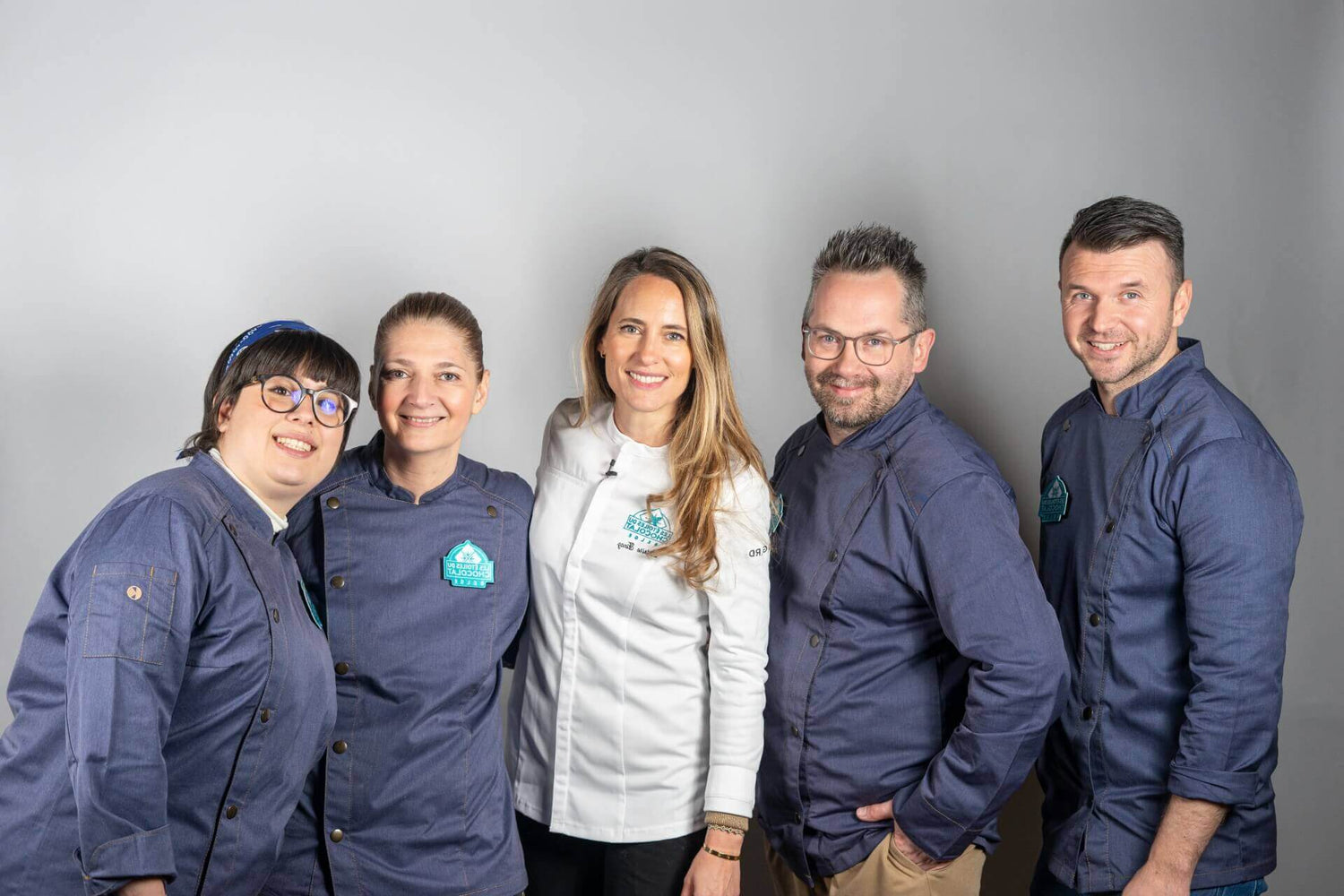
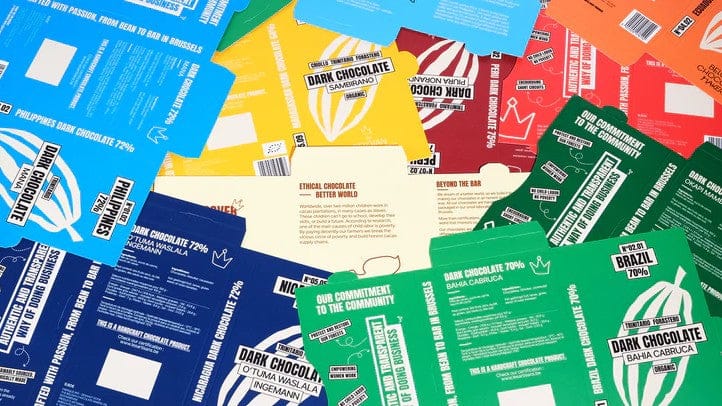
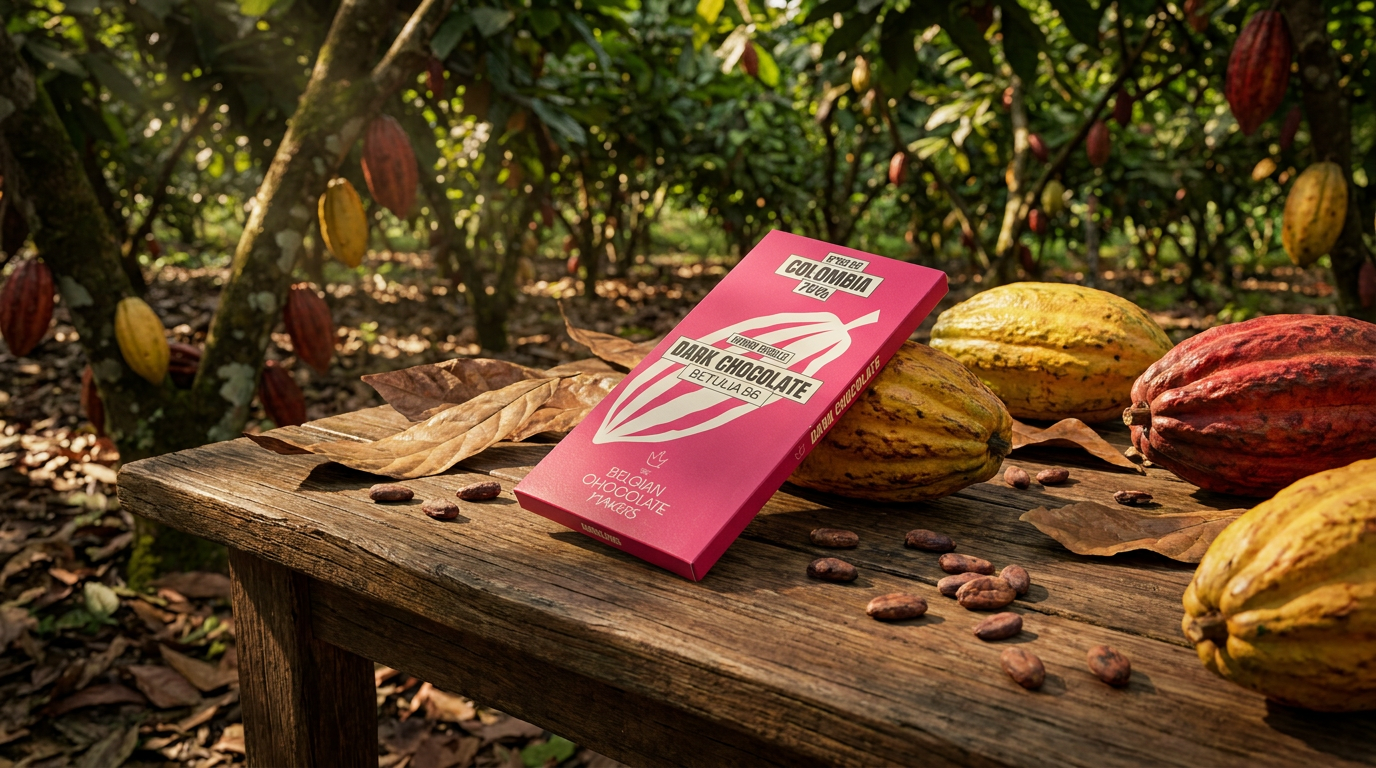
Origin: Colombia, Betulia region, grown from Criollo cacao; the rare bean type known for delicate aromatics. This bar is crafted in Brussels by The Belgian Chocolate Makers and presents a 70% cacao content. Its tasting notes emphasize fruity and floral characters, complemented by subtle maple sweetness and notes reminiscent of red apple, all balanced by a gentle sweetness that persists on the palate.
The bean-to-bar journey: from Colombian cacao to Belgian chocolate
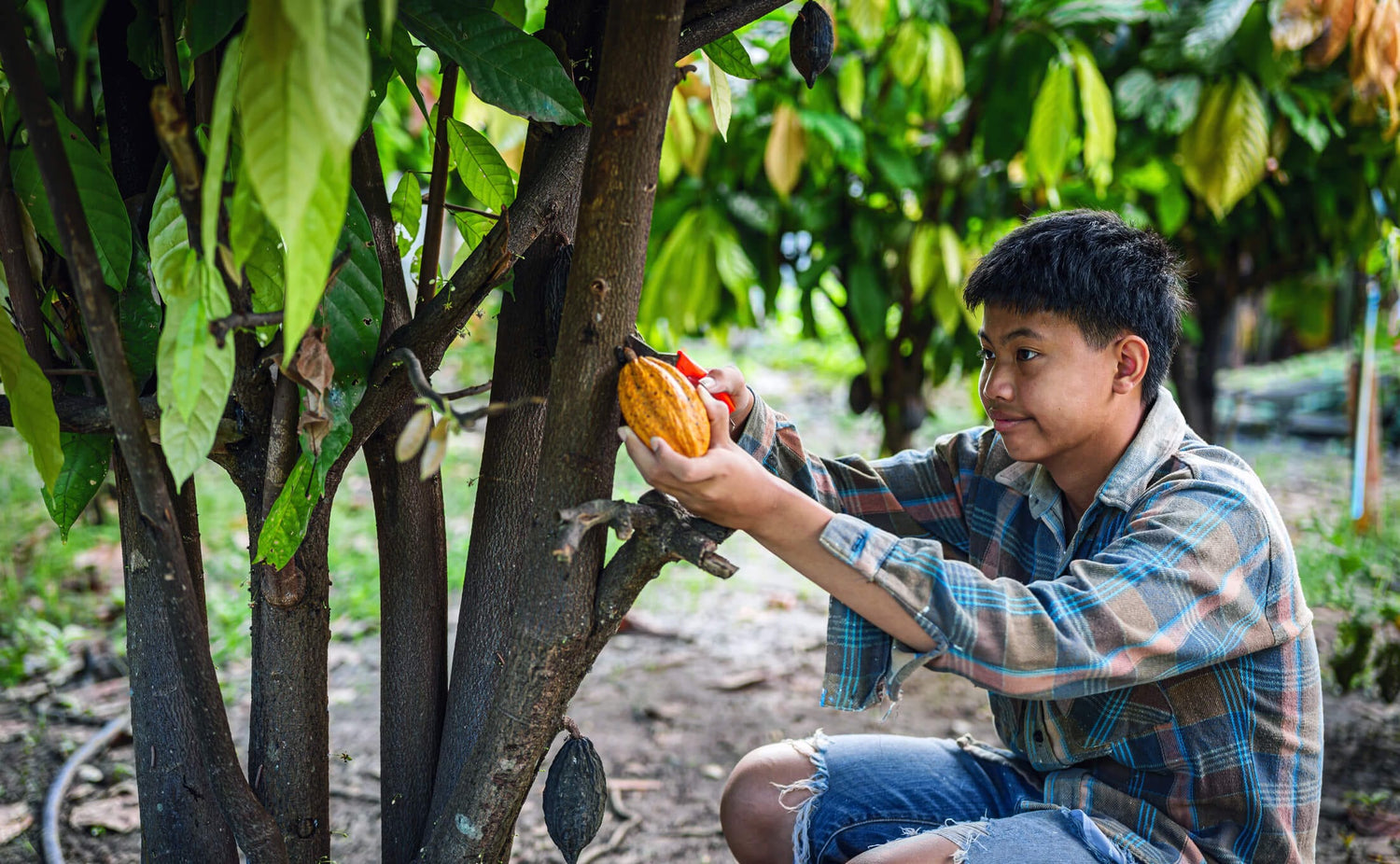
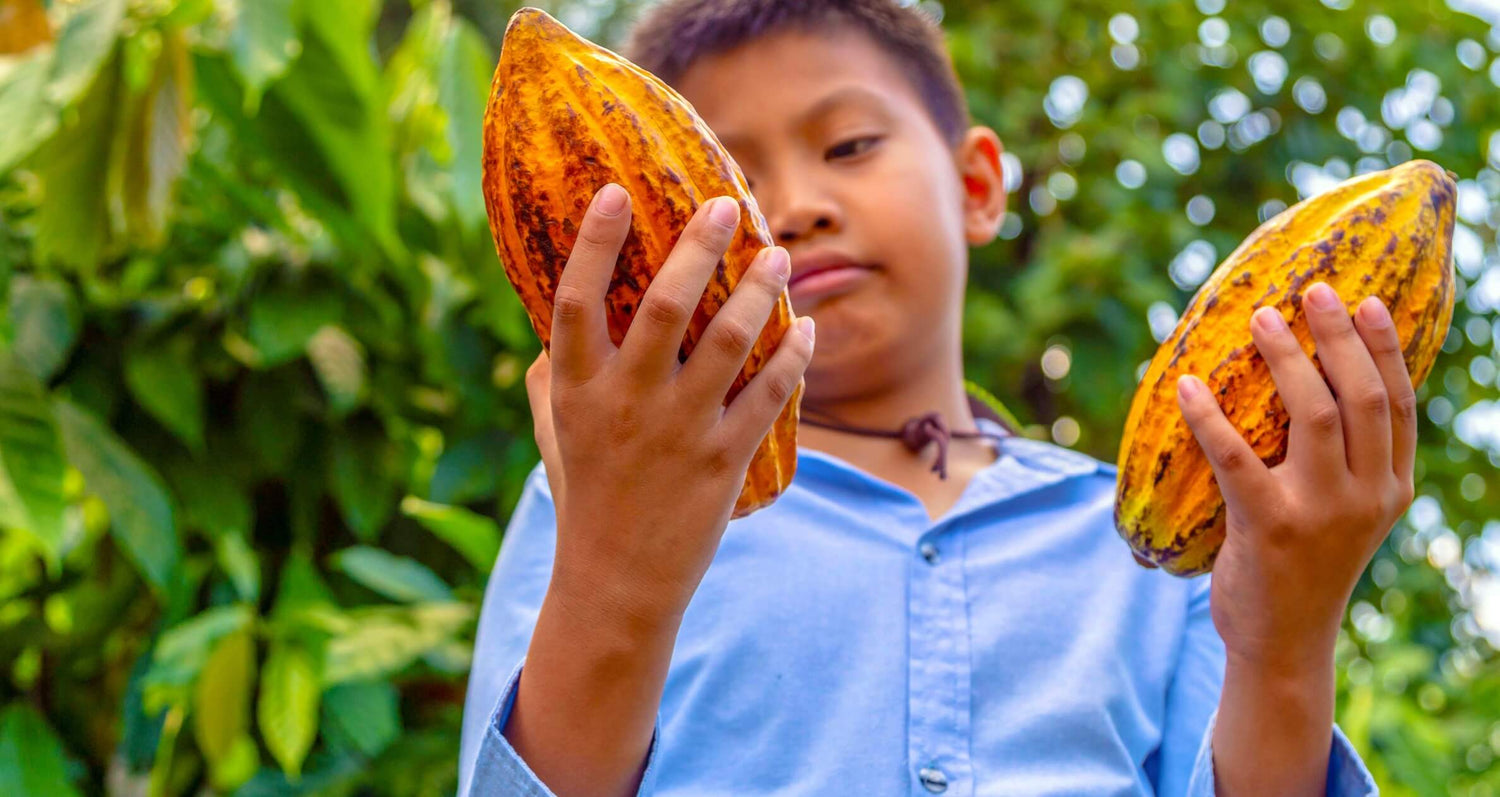
Every chocolate bar begins with farmers tending cacao trees that thrive in specific microclimates. After harvest, beans are fermented and dried, a process that unlocks aromatic compounds and lays the foundation for the final flavor. Shipping, roasting, and conching then translate those raw beans into the finished product. In the case of the Colombia Betulia B6 70%, the makers in Brussels emphasize fidelity to origin: small-batch processing, careful control of fermentation profiles, and precise roasting to preserve the expressive fruit and floral notes while maintaining a balanced sweetness.
The cacao farmers and terroir of Betulia
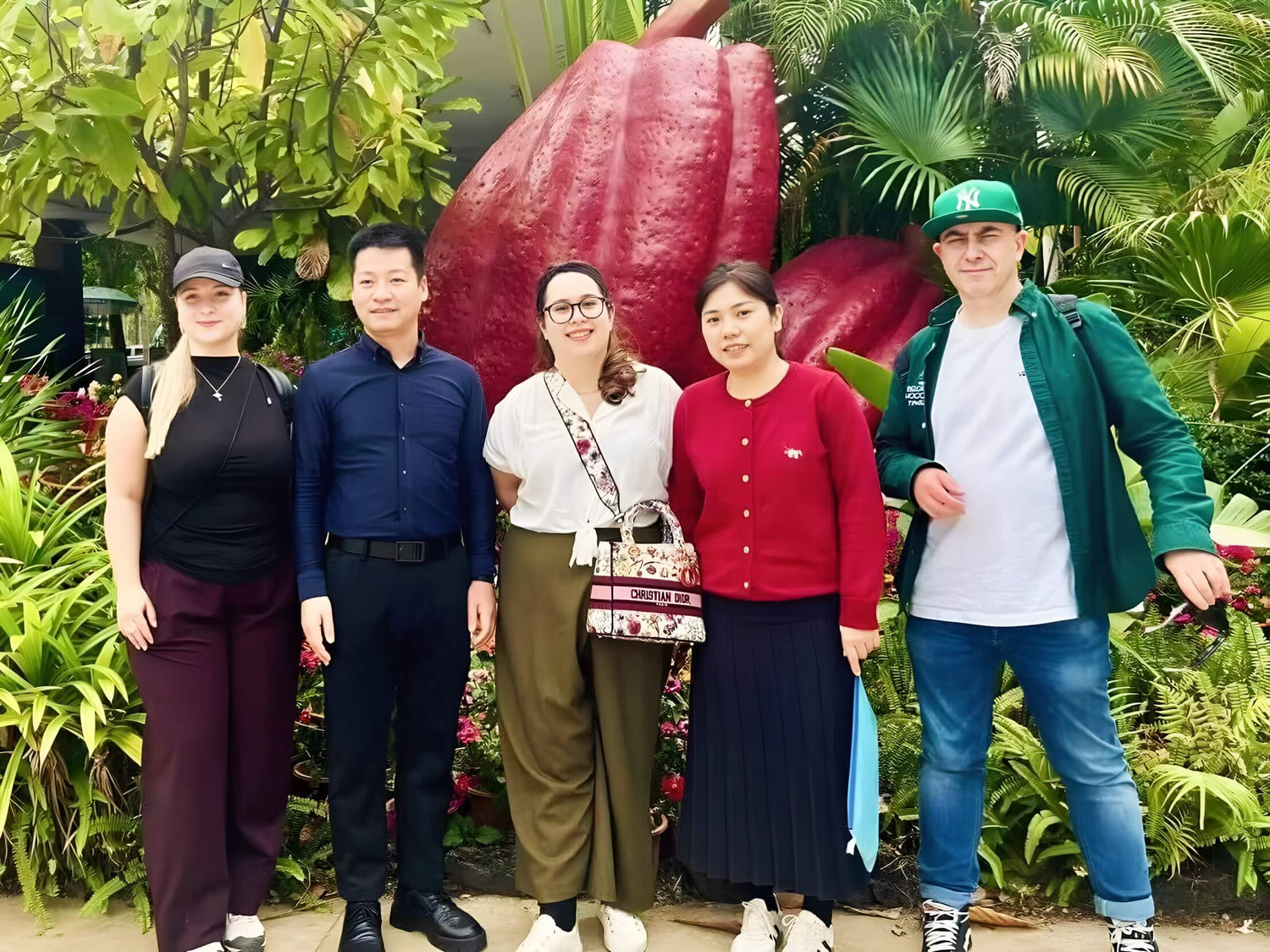
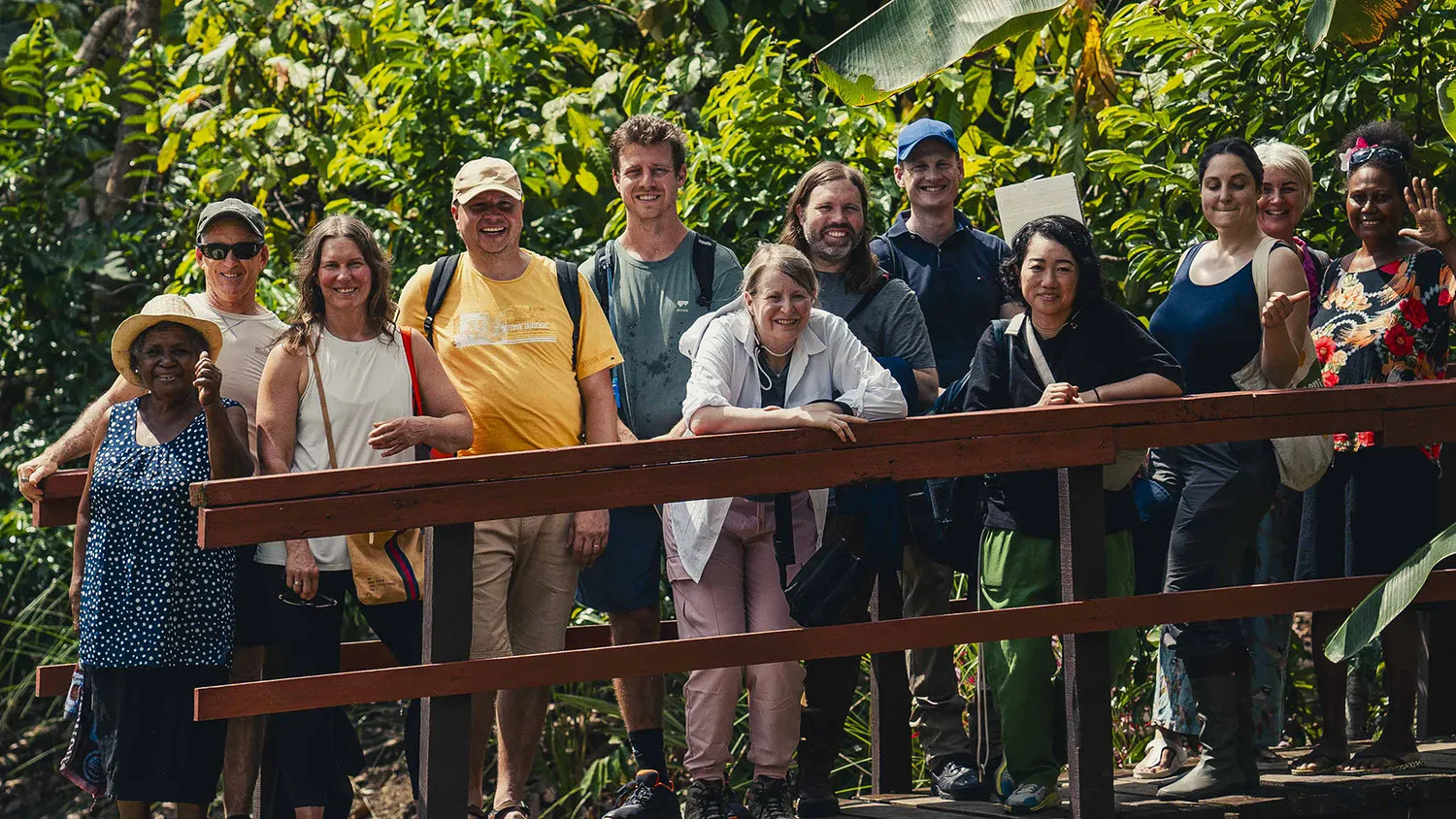
The Betulia region contributes a distinctive terroir characterized by soil minerals, altitude, and climate that together shape cacao’s inherent flavors. Farmers operating in this area often narrow their harvest to select trees that express strong, unique notes. Criollo genetics amplify delicate aromas but can require meticulous handling to avoid masking subtler flavors with over-roasting or excessive fermentation. By honoring these nuances, chocolate makers can translate the land’s fingerprint into a bar that communicates origin clearly to the taster.
Processing steps that shape flavor
Processing is where origin meets craft. After harvest, beans are fermented to develop complex aromatics and reduce undesired flavors. Drying stops fermentation at the right moment, preserving moisture content and flavor compounds. In Brussels, the next steps, roasting, grinding, conching, and tempering, are tuned to preserve the Criollo’s nuanced fruit and floral notes while achieving a creamy texture and steady melt. The result is a bar that offers discernible origin cues, even to those new to single-origin chocolate.
Flavor science: decoding tasting notes
Good chocolate reveals more than sweetness and bitterness; it presents a spectrum of aromas and mouthfeel that indicate origin and processing choices. For the Colombia Betulia B6 70%, you can expect the following flavor cues to surface as the bar warms on the tongue:
- Fruity aromas that recall ripe fruit and orchard freshness
- Floral hints that lift the palate and add brightness
- Maple sweetness providing a soft, rounded sweetness rather than sharp sugar notes
- Red apple nuances that brighten and offer a crisp edge
- Overall sweetness that supports the cacao’s natural bitterness without overwhelming it
Texture matters too. A well-crafted 70% bar should melt smoothly, leaving a coating that lingers with aroma rather than turning waxy. The balance between acidity, sweetness, and bitterness is the sign of a bar that respects its origin while delivering a satisfying taste experience.
Pairings and serving suggestions
To maximize the tasting experience, consider pairings that complement the bar’s fruity and floral notes without overpowering them. A light-bodied red wine with subtle fruitiness can echo the cacao’s brightness. For coffee lovers, a pour-over with a clean, brisk profile will bring forward the bar’s fruity notes. If you prefer non-alcoholic pairings, a black tea with gentle floral undertones or a citrusy sparkling water can help refresh the palate between bites. Nuts like almonds or hazelnuts can echo the bar’s structure, while dried fruits may amplify the fruit-forward character. The goal is to create contrasts that reveal more of the cacao’s origin story rather than masking it.
Cooking with single-origin chocolate is another avenue to explore. Small chunks melted into a sauce for chocolate-covered fruit or a ganache for pastries can showcase the bar’s aroma and texture without drowning its origin cues.
How to choose chocolate: what matters when selecting bars
Choosing a high-quality chocolate bar is less about chasing the most powerful cacao content and more about understanding how origin, processing, and craft interact to deliver a cohesive experience. Here are practical considerations to guide your decision:
- Origin matters: Look for single-origin labels or well-documented bean sourcing. Origin tells you about terroir, climate, and farming practices that influence flavor.
- Cocoa percentage: Higher percentages often bring forward bitterness and less sweetness, but the flavor balance depends on fermentation, roasting, and conching. A 70% bar like the Colombia Betulia can offer a balanced, aromatic profile with gentle sweetness.
- Bean-to-bar vs. large production: Bean-to-bar or small-batch producers typically provide more transparency about origin and processing, often translating into purer expressions of a given cacao.
- Organic, fair trade, and certifications: Certifications can indicate sustainable practices, but always verify through the brand’s storytelling about farmers and provenance.
- Processing and roast profile: The roast level should be tuned to preserve origin flavors. Light to medium roasts often let fruity and floral notes remain vibrant, while darker roasts can obscure delicate aromatics.
- Texture and mouthfeel: Look for a smooth melt and a clean finish. Graininess or waxy textures can indicate processing shortcuts that distract from origin flavor.
- Freshness and storage: Chocolate begins to lose vibrancy over time, especially after opening. Look for fresh batches and store in cool, dry conditions away from strong smells.
Storage, shelf life and enjoying chocolate at its peak
Store chocolate between 60–70°F (15–21°C) in a dry, clean environment, away from strong odors. Keep it in its original packaging or a sealed container to minimize absorption of external flavors. Once opened, consume within a reasonable window to enjoy the full aroma and texture. Avoid refrigeration unless you live in a hot climate, as rapid temperature changes can cause sugar bloom and affect texture.
Ethics, sustainability, and responsible sourcing
Responsible sourcing is more than a marketing phrase; it reflects the livelihoods of cacao farmers and the ecosystems around their farms. Seek brands that are transparent about their supply chains, who work with cooperatives or directly with farmers, and who invest in sustainable farming practices. Supporting such practices not only improves flavors but also fosters positive social and environmental outcomes in cacao-growing regions.
Conclusion: savoring origin with mindfulness
Great single-origin chocolate invites curiosity as much as it offers pleasure. When you understand where a bar comes from, how it is made, and what the tasting notes reveal, you can appreciate the artistry of the craft and the life cycle of cacao; from a small farm in Betulia to a refined bar in Brussels. The Colombia Betulia B6 70% stands as an example of how origin and craft come together to create a chocolate that speaks with clarity about its homeland while delivering a balanced, enjoyable experience. Taste with intention, take notes, and return to the same bar at different temperatures and moods to reveal new layers over time.