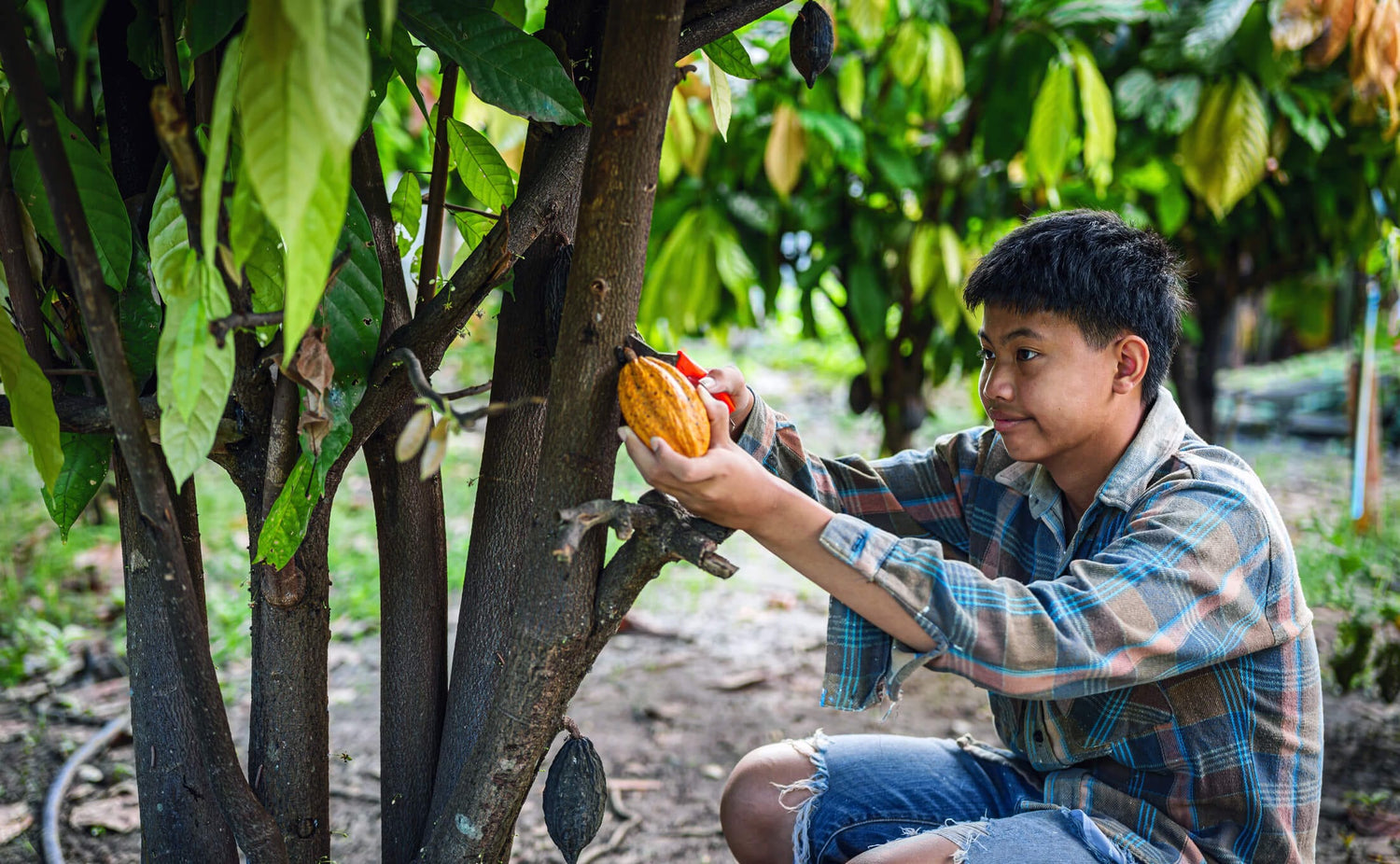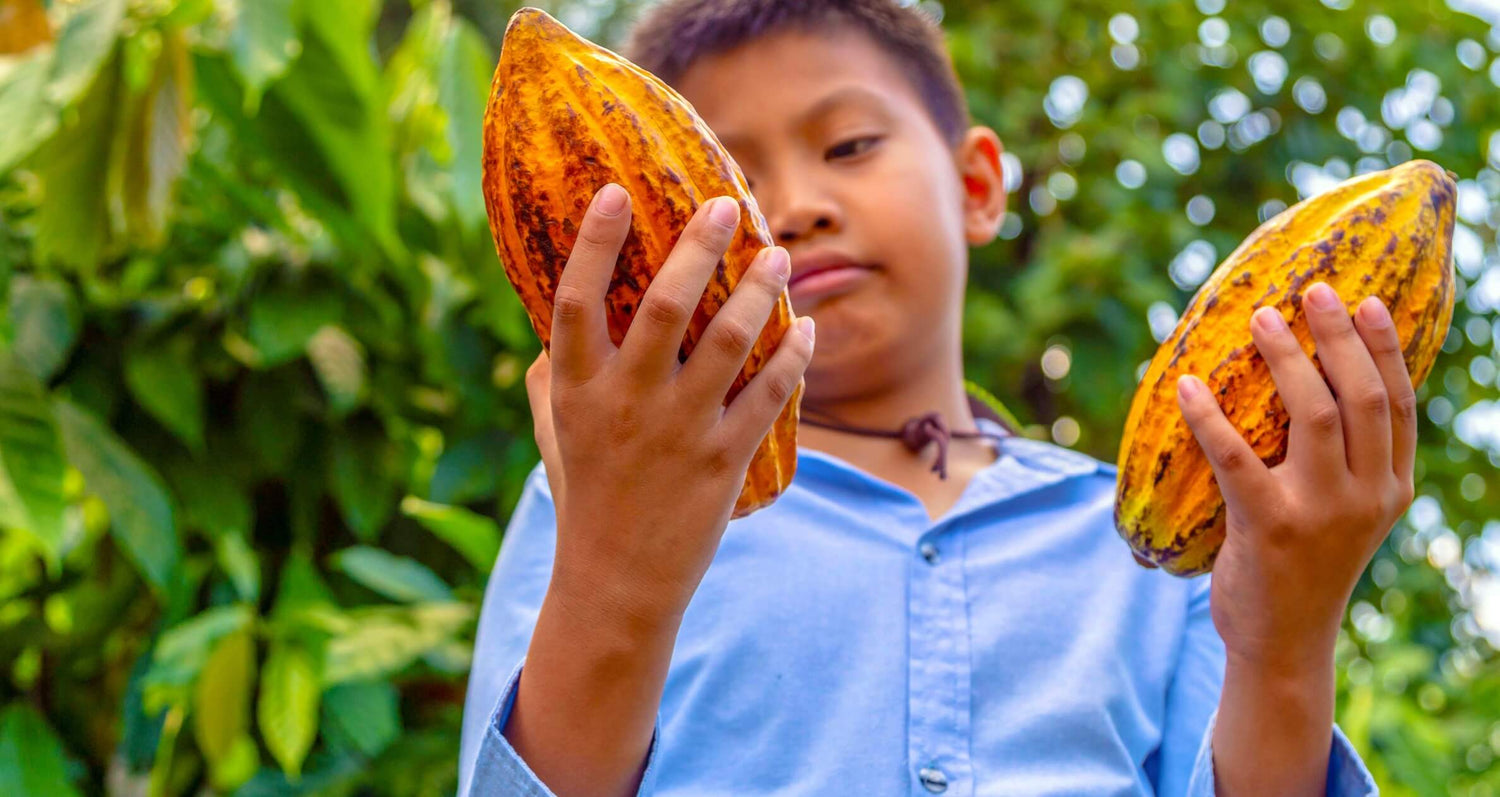
A thoughtful single origin tasting example starts before the first bite. A chocolate bar labeled with one country, region, or farm is not simply making a geographic claim. It offers a chance to taste how a particular cacao harvest expresses itself when the maker gives it careful, restrained treatment. The result can be striking: a bar from Madagascar may suggest red berries and citrus, while one from Ecuador may lean toward floral notes, toasted nuts, or warm caramel.
That difference is the pleasure of single-origin chocolate. It turns a small square into a sensory record of place, season, fermentation, and craft. You do not need professional tasting training to recognize it. You need good chocolate, a calm moment, and enough attention to let the flavor change on your palate.
What a single-origin chocolate actually tells you
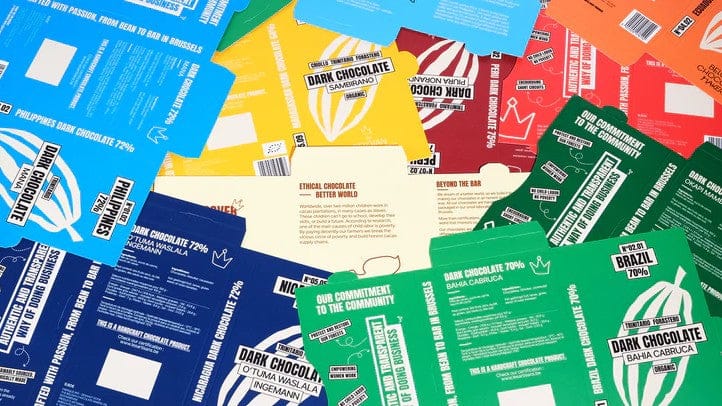
Single-origin chocolate is made from cacao sourced from one defined place. The degree of detail can vary. One bar may identify a country, such as Peru; another may name a region, cooperative, estate, or even a specific farm. More precise sourcing generally provides a clearer story, but precision alone is not a guarantee of quality. What matters is whether the chocolate maker has selected, roasted, refined, and conched the beans in a way that respects their natural character.
Cacao is an agricultural product, much like coffee or wine. Variety matters, but so do soil, rainfall, harvest conditions, fermentation, drying, and storage. Two cacao lots from the same country can taste noticeably different. A good origin label should therefore invite curiosity rather than promise that every bar from a particular place will taste identical.
Bean-to-bar making adds another essential layer. Roasting can bring out biscuit, nut, and caramel notes, or preserve brighter fruit. Refining determines texture. Conching can soften bitterness and shape aroma, although excessive processing can also flatten delicate flavors. When chocolate is made in small batches, those choices are made with the beans in mind rather than imposed by a standardized industrial recipe.
A single origin tasting example at home
Imagine a 70% dark chocolate made with cacao from a carefully identified Madagascan growing area. The ingredient list is short: cacao beans, cane sugar, and perhaps a little cocoa butter. There are no added flavors to steer the experience. Set aside a square at room temperature, ideally after avoiding coffee, mint, or strongly spiced food for a few minutes.
Start by looking at the chocolate. Its surface should be even and glossy, without pale streaks or a dusty appearance. A clean finish is a useful sign of careful tempering. Color can be appealing, but it is not a reliable measure of quality by itself. Cacao origin, roast, and recipe all affect the shade.
Next, break the square. Fine chocolate should give a distinct snap, especially if it is dark chocolate and has been stored well. The sound is satisfying, but it is more than theater. It suggests that the cocoa butter crystals are properly organized, which contributes to a smooth melt and clean texture.
Bring the broken edge close to your nose. You may notice the aroma of cocoa first, but pause for what sits behind it. In this example, the dry aroma might suggest raspberry, dried cranberry, or a gentle citrus peel. Another taster may find hibiscus or jam. Flavor language is personal, so do not worry about naming the “right” note. The useful question is whether the aroma feels fresh, clear, and inviting.
Place a small piece on your tongue and let it melt without chewing immediately. During the first moments, this Madagascan bar may feel bright and gently tangy. As it melts, a more rounded cocoa depth can emerge, followed by fruit notes that resemble red berries. Near the finish, the acidity may remain lively rather than sharp, leaving the mouth clean and ready for another taste.
Notice the sequence. The first flavor, the middle, and the finish do not have to be the same. That movement is one of the clearest signs that you are tasting chocolate rather than merely eating sweetness. A well-made bar can be intense without being harsh, and fruity without tasting flavored.
What to record
For a useful first tasting, write down three simple observations: what you smelled, what you tasted as the chocolate melted, and what remained after it was gone. You might write: “red berry aroma, bright cocoa and citrus in the melt, clean tangy finish.” That is already a meaningful tasting note.
Also record texture. Does the chocolate melt evenly? Does it feel silky, creamy, chalky, waxy, or slightly gritty? Fine chocolate does not need to be completely free of texture, particularly in a rustic or minimally processed style, but grittiness and waxiness can distract from the cacao’s expression. Texture is part of flavor because it changes how aromas are released.
Why different origins taste so different
If you taste a second bar immediately afterward, choose one with a contrasting profile. A dark chocolate made from cacao grown in Ecuador may present a different kind of balance: less berry-like brightness, perhaps, and more roasted almond, honey, yellow fruit, or floral aroma. A bar from the Dominican Republic might offer deeper cocoa, dried fruit, and a rounded acidity. These are possibilities, not fixed rules.
The comparison becomes more revealing when the bars have similar cacao percentages. A 70% bar beside another 70% bar gives you a better sense of origin because sweetness is more evenly matched. Still, recipe differences matter. One maker may use more cocoa butter, a longer conche, or a lighter roast. Those decisions can make a bar feel softer, bolder, brighter, or more familiar.
This is why origin should never be treated as a shortcut for taste. Saying that cacao is from a celebrated region does not explain how it was handled after harvest or how it was transformed in the workshop. Traceability has real value because it connects the chocolate to growers and growing communities. Yet the most compelling proof remains in the bar itself: clean flavor, honest texture, and a profile with a sense of place.
How to taste without overthinking it
The best tasting is attentive, not intimidating. Use small pieces, taste at room temperature, and drink water between bars. If you are comparing several chocolates, begin with the lighter or gentler profile and move toward darker, more intense bars. Two or three bars are enough for a focused tasting; after that, palate fatigue can make meaningful distinctions harder to find.
Avoid judging a bar in the first second. Dark chocolate can have a brief bitter edge before it opens into fruit, caramel, or nuts. Conversely, a bar that begins very sweet may finish flat. Give each square time. The lingering finish often reveals more about quality than the opening impression.
There is also room for preference. Some people enjoy the vivid acidity of certain African-origin chocolates; others prefer the round, nutty depth found in other origins. Neither response is more sophisticated. A tasting note is useful when it helps you identify what you genuinely enjoy and choose future bars with more confidence.
From cacao bean to a gift worth giving
Single-origin chocolate becomes especially meaningful when shared. Rather than offering a generic assortment, a small selection of distinct origins gives a recipient a reason to slow down and compare. It is a refined gift, but also an accessible one: each square begins a conversation about flavor, farming, and the hands that shaped it.
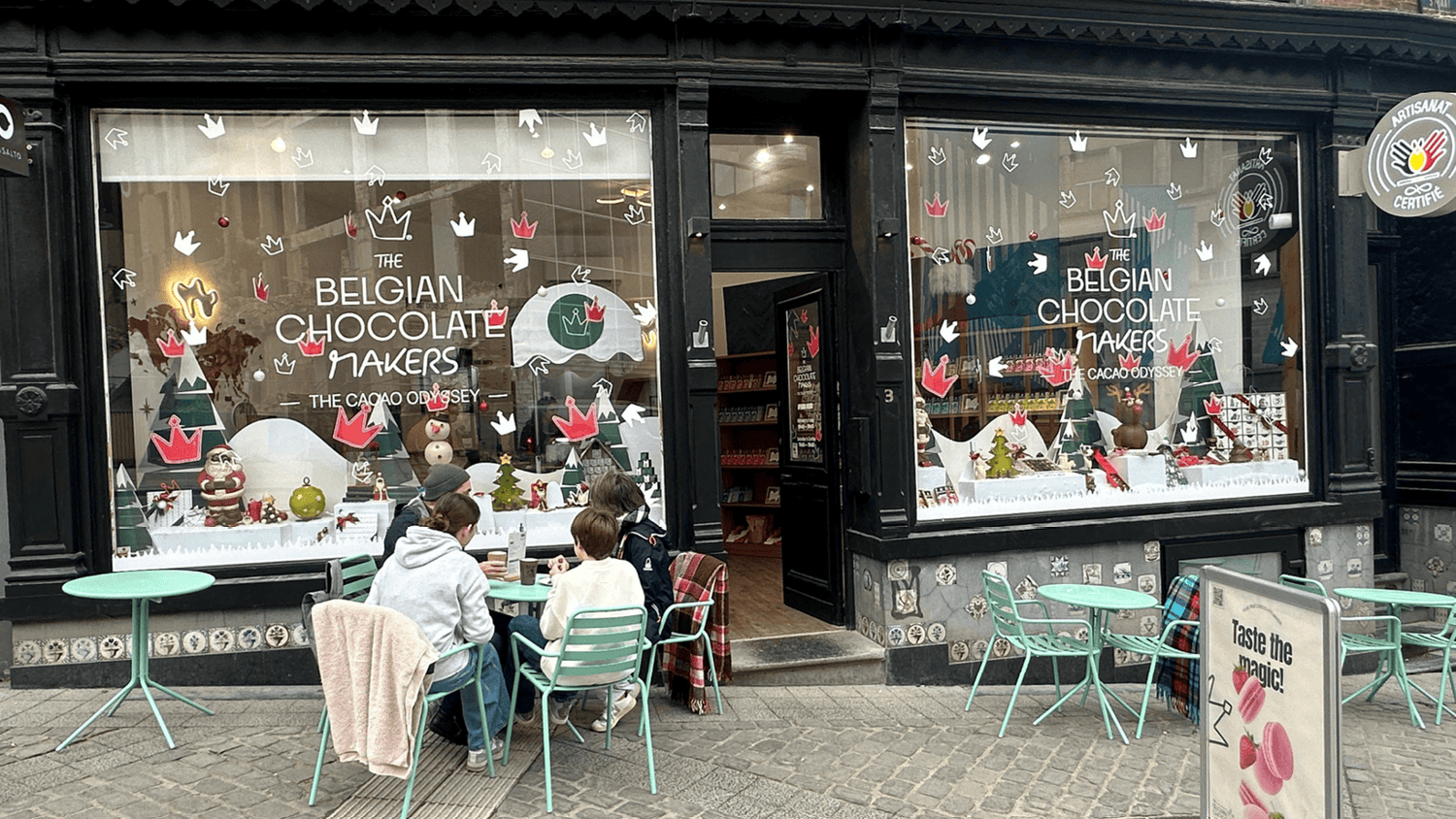
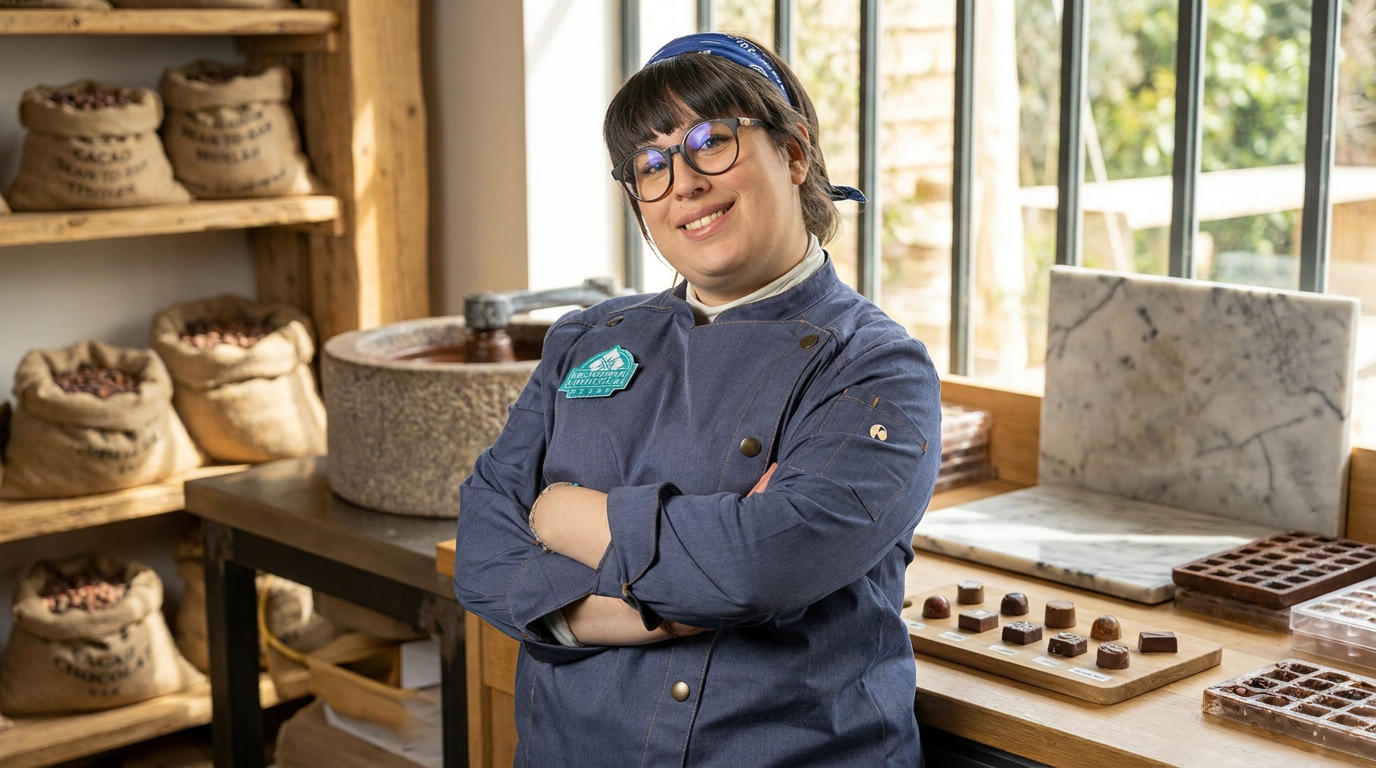
At The Belgian Chocolate Makers, bean-to-bar production in the Brussels workshop makes that conversation tangible. The cacao is not only selected for its provenance. It is roasted, refined, and molded with close attention to how each origin performs, so the finished chocolate carries both its natural character and the maker’s skill.
Try the same tasting again on another day, perhaps with a different origin or a bar made from the same origin by another craft maker. Your palate will become more precise without losing the simple pleasure of chocolate. The goal is not to find the perfect tasting note. It is to recognize that every well-made square has something real to say.