A beautifully wrapped bar can make a health claim feel implied. But are bean to bar chocolates healthier? Often, they can be a more considered choice than conventional candy, particularly when they are made with a short ingredient list, a meaningful cacao percentage, and carefully sourced beans. That does not make every craft bar a health food. Chocolate is still rich, calorie-dense, and best enjoyed with attention to portion size.
The real advantage of bean-to-bar chocolate is not a single nutritional miracle. It is the greater control, transparency, and ingredient integrity that come from making chocolate directly from cacao beans rather than starting with purchased industrial couverture.
What bean-to-bar changes in a chocolate bar
Bean-to-bar describes chocolate made by the same maker from the cacao bean onward. The process includes sourcing and sorting beans, roasting, cracking and winnowing, refining, conching, tempering, and molding. Each decision shapes the finished bar: its texture, its sweetness, its aromatic character, and the way its origin comes through.
This differs from a conventional chocolatier who may create excellent bonbons or molded chocolates using ready-made couverture purchased from a large manufacturer. There is nothing inherently wrong with couverture, but the ingredient and production choices were made elsewhere. A bean-to-bar maker can select cacao for its flavor and provenance, then decide precisely how much sugar and which additional ingredients belong in the recipe.
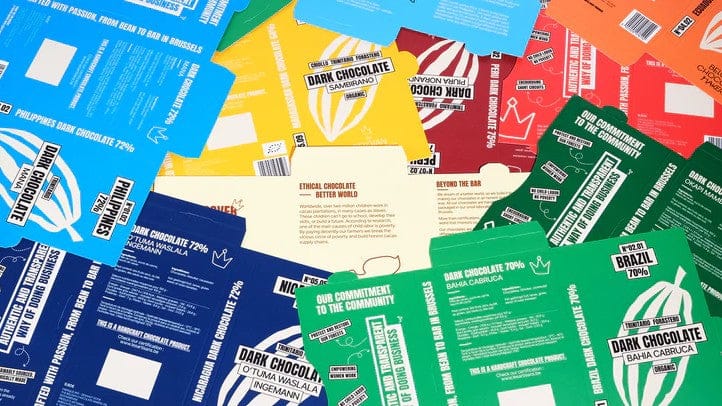
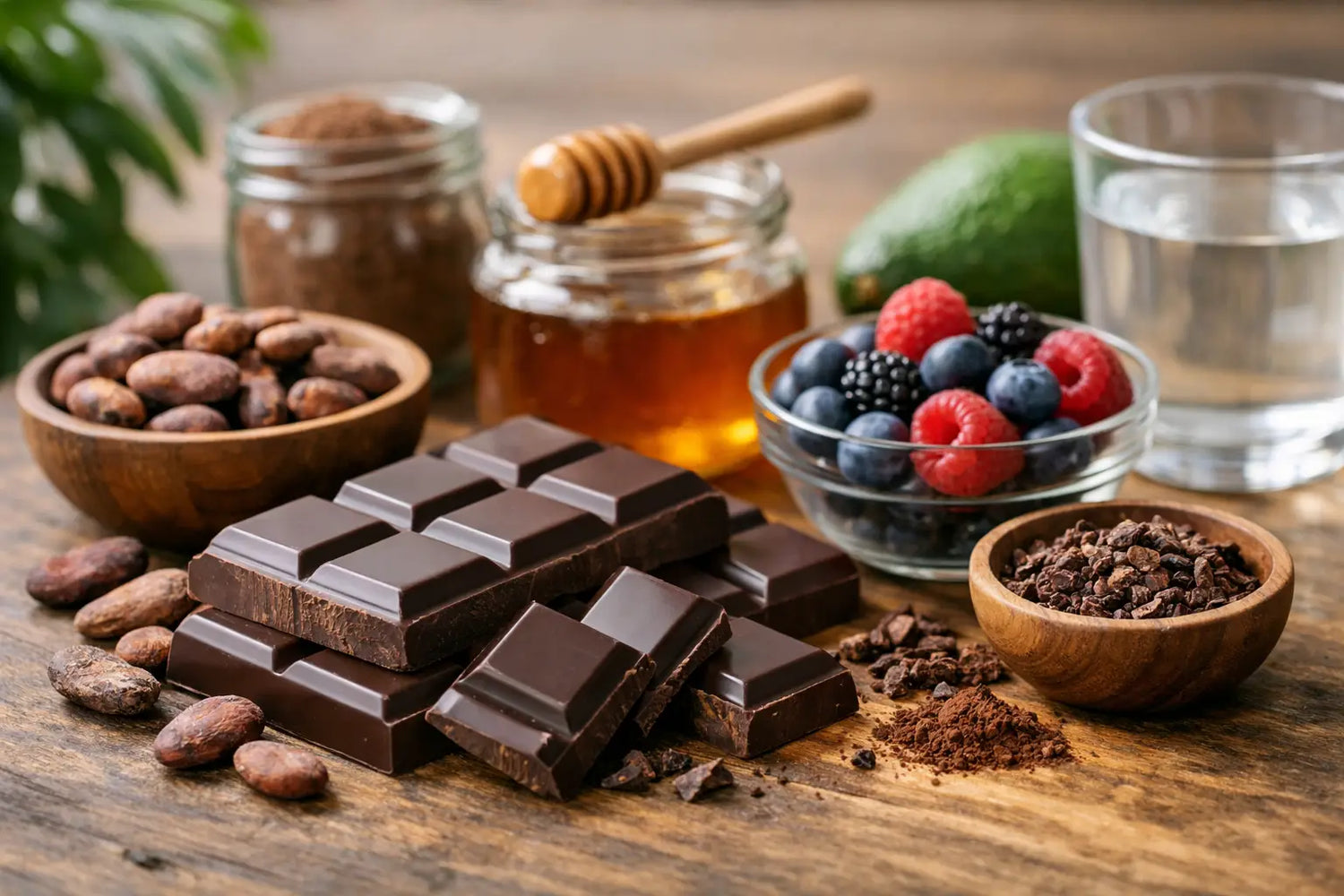
For a shopper who values what is inside the wrapper, that visibility matters. A simple dark chocolate bar may contain only cacao beans, cacao butter, and sugar. Some include vanilla; others deliberately leave it out to preserve the character of the beans. Compare that with many mass-market chocolate products, where milk powders, vegetable fats, flavorings, syrups, emulsifiers, and fillings can make the ingredient list much longer.
Are bean to bar chocolates healthier than conventional chocolate?
The honest answer is: sometimes, and for specific reasons. Bean-to-bar is a production method, not a nutrition label. A 75% single-origin dark bar with three ingredients will generally offer a different nutritional profile from a sweet milk chocolate bar with caramel filling. Yet a bean-to-bar milk chocolate made with generous amounts of sugar is still a sweet treat, while an industrial dark chocolate with a high cacao content may be comparatively simple.
What usually makes craft chocolate the more thoughtful option is the combination of higher-quality cacao, fewer unnecessary additions, and clearer information about what you are buying. The health question should therefore be asked bar by bar, rather than answered solely by the words “bean to bar.”
Higher cacao can mean more cocoa compounds
Cacao contains naturally occurring flavanols, a family of plant compounds also found in tea, apples, and berries. Research has explored their role in supporting normal blood vessel function and circulation. Dark chocolate with more cacao generally contains more cocoa solids than milk chocolate, so it is often the better choice for those seeking these compounds.
There are limits to this benefit. Roasting, fermentation, and processing influence flavanol levels, and a cacao percentage alone cannot tell you the exact amount in a particular bar. Nor does it turn chocolate into a substitute for a balanced diet rich in fruits, vegetables, legumes, and whole grains. Think of good dark chocolate as a pleasurable addition to an already sound way of eating, not a nutritional shortcut.
Fewer ingredients can be a meaningful advantage
A short ingredient list does not automatically make a food healthy, but it can make its character easier to understand. In fine bean-to-bar chocolate, cacao is usually the central ingredient rather than a background note competing with excess sweetness and artificial flavor.
Cacao butter is another point worth clarifying. It is a saturated fat, but it behaves differently from some other saturated fats because much of it is stearic acid. Still, total intake matters. The benefit of a carefully made bar is not that it is free of fat or calories. It is that the fat comes from cacao itself, rather than from lower-cost replacements used to alter texture, shelf life, or price.
Sugar remains the key comparison
Sugar is where labels deserve a close look. As cacao percentage rises, sugar often falls, although recipes vary. A 70% dark chocolate bar typically contains less sugar than a standard milk chocolate bar, but it may still contain a substantial amount per serving.
The most useful approach is to compare bars of the same size. Check the grams of added sugar per serving, then look at how many servings you are realistically eating. A fine chocolate bar is often satisfying in a small square or two because its flavors unfold slowly: fruit, nuts, florals, spice, or deep roasted notes. That sensory richness can encourage a more moderate pace, though it is not a guarantee of moderation.
Origin and ethics are part of the value, not a medical claim
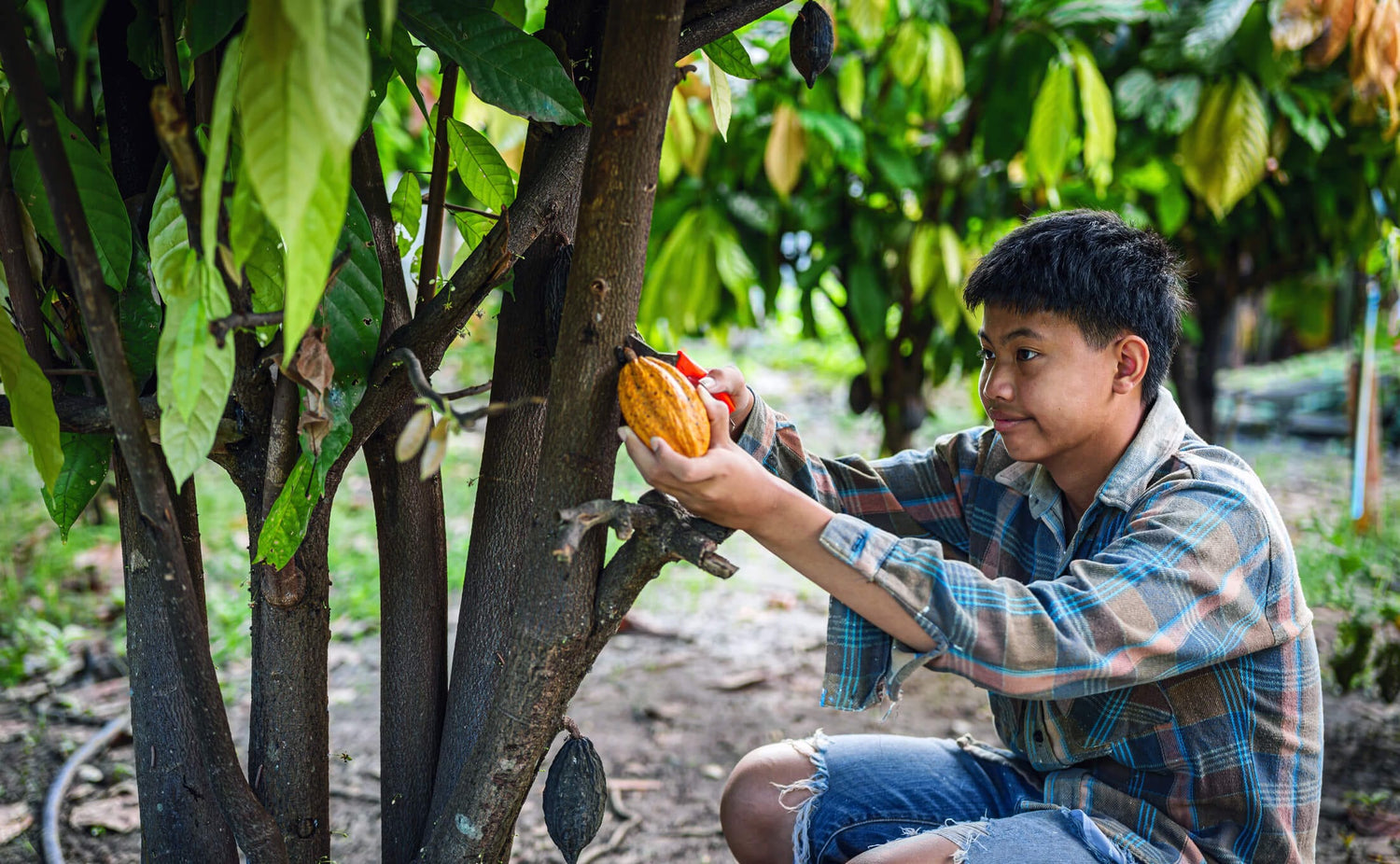
Health is personal, but many chocolate buyers also consider the health of the supply chain. Bean-to-bar makers are often better positioned to tell the story of their cacao: the region or farm network, the harvest, the fermentation style, and, in some cases, the commercial relationship behind the beans.
Traceability does not automatically prove that every farmer is paid fairly or that every environmental standard has been met. Those claims require evidence and continued accountability. Still, transparent sourcing gives shoppers a better starting point than anonymous commodity cacao. It lets them ask the right questions and support makers who treat origin as more than a marketing detail.
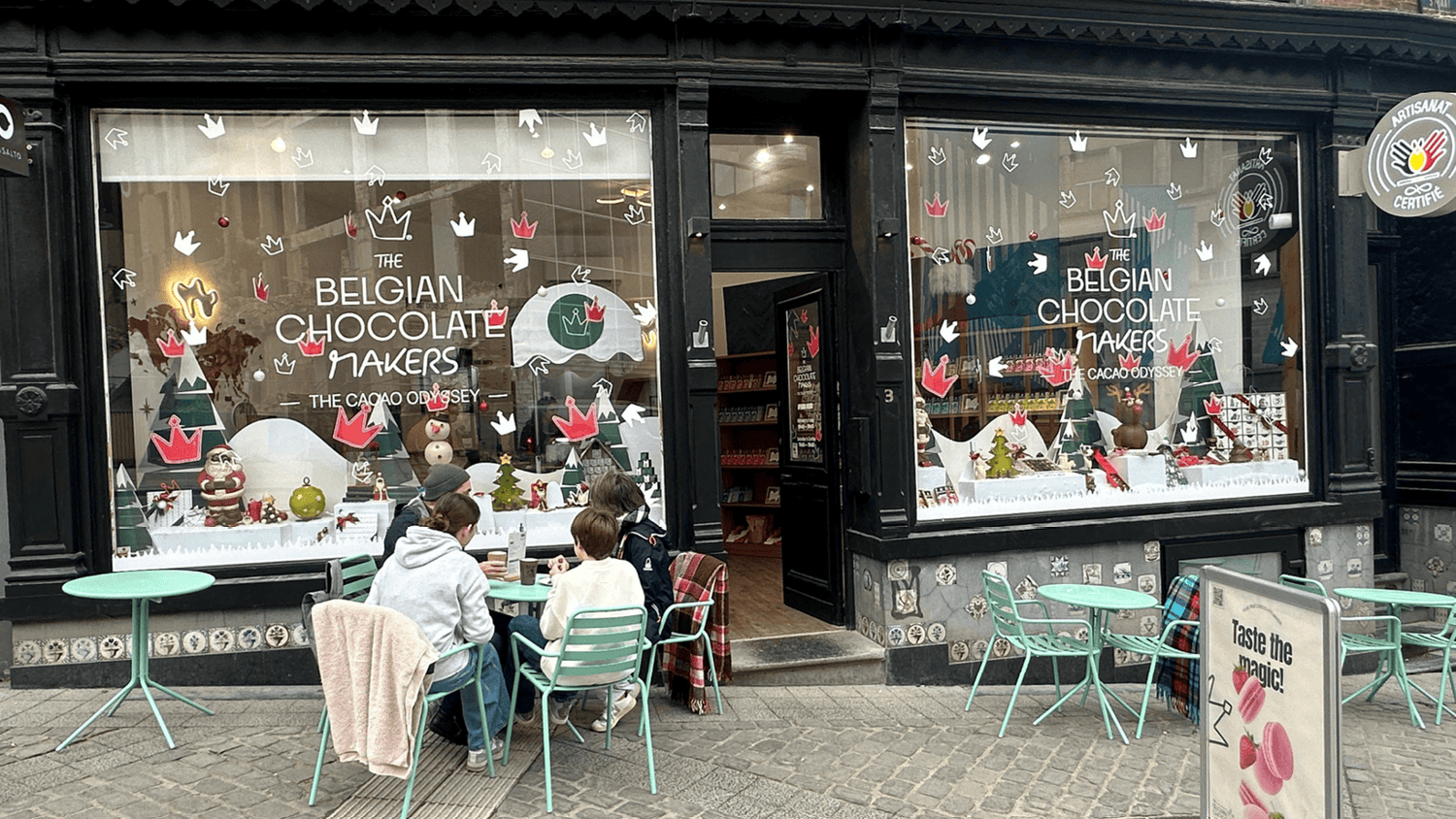
At The Belgian Chocolate Makers, making chocolate in-house in Brussels creates that direct connection between the selected bean and the finished bar. The point is not to make sweeping wellness promises. It is to preserve flavor, know the ingredients, and honor the work that begins long before chocolate reaches the workshop.
How to choose a better bar for everyday enjoyment
Start with the ingredient list. For an unflavored dark bar, cacao beans, cacao butter, and sugar are a strong, straightforward foundation. Lecithin is not necessarily a concern, and some excellent chocolate uses it in small amounts for texture, but a bar does not need a long list of additions to be pleasurable.
Then consider cacao percentage in context. If you are new to dark chocolate, 60% to 70% can offer a graceful balance of cocoa depth and sweetness. At 70% and above, the flavor becomes more cacao-forward and the sugar content often decreases. Very high percentages can be intense, bitter, and less enjoyable for some palates. The best choice is the one you can savor without feeling that you are forcing yourself through a worthy but joyless food.
Look beyond the percentage when possible. A well-made 70% bar can taste sweeter, rounder, and more complex than a poorly balanced 80% bar. Origin matters too. Cacao from one region may show red-fruit brightness; another may suggest toasted nuts, citrus, or gentle earthiness. These differences are precisely why bean-to-bar chocolate deserves to be tasted, not simply consumed.
For filled chocolates, pralines, truffles, and spreads, use the same clear-eyed standard. They can be exquisite gifts and memorable indulgences, but fillings often add sugar, cream, butter, or syrups. Their value lies in craftsmanship and occasion, not in pretending they are equivalent to a plain dark bar.
Portion, timing, and individual needs
A sensible portion of fine chocolate may be 15 to 30 grams, depending on the bar and the rest of your diet. Enjoy it after a meal, with coffee, or as a deliberate afternoon pause rather than eating distractedly from an open package. Breaking off a square, allowing it to melt slowly, and noticing its flavor is not ceremony for its own sake. It is a practical way to make a small amount feel complete.
People sensitive to caffeine or theobromine may prefer chocolate earlier in the day, especially darker bars. Those managing diabetes, migraines, reflux, allergies, or specific dietary restrictions should consider their own needs and seek professional guidance when appropriate. Milk chocolate may contain dairy, while dark chocolate can be produced in facilities that also handle milk, nuts, or other allergens.
The healthier chocolate is rarely the one with the boldest promise on the front of the package. It is the bar whose ingredients you recognize, whose origin and maker you can trust, and whose flavor is good enough that a small piece feels like a real pleasure.