You can taste the difference within the first square. Small batch chocolate bars tend to open with sharper aroma, clearer texture, and a finish that lingers longer than mass-produced chocolate. That difference is not marketing language. It comes from how the chocolate is made, how the cacao is sourced, and how much attention remains possible when production stays deliberately limited.
For buyers who care about quality, origin, and gifting, that distinction matters. A chocolate bar is a simple object on the surface, but it reflects dozens of choices before it reaches its wrapper. When those choices are made by a craft maker working bean to bar, the result is usually more expressive, more transparent, and more faithful to the ingredient itself.
What small batch chocolate bars really mean
The phrase can be used loosely, so it helps to define it carefully. Small batch chocolate bars are produced in limited quantities, with tighter control over roasting, grinding, refining, tempering, and molding. In the best cases, the maker starts with raw cacao beans rather than buying ready-made industrial couverture. That full in-house process gives the chocolatier real authority over flavor development.
This is where small batch becomes more than a scale claim. It signals that the maker can adjust each lot according to the character of the beans. One harvest may need a gentler roast to preserve floral notes. Another may benefit from a deeper roast that brings out nuts, caramel, or dried fruit. Industrial production is designed for consistency at very high volume. Craft production can pursue accuracy instead.
That does not mean every small producer automatically makes better chocolate. Small scale by itself is not a guarantee of quality. The real measure is whether the maker has the technical skill and sourcing discipline to use that smaller scale well.
Flavor starts at the bean
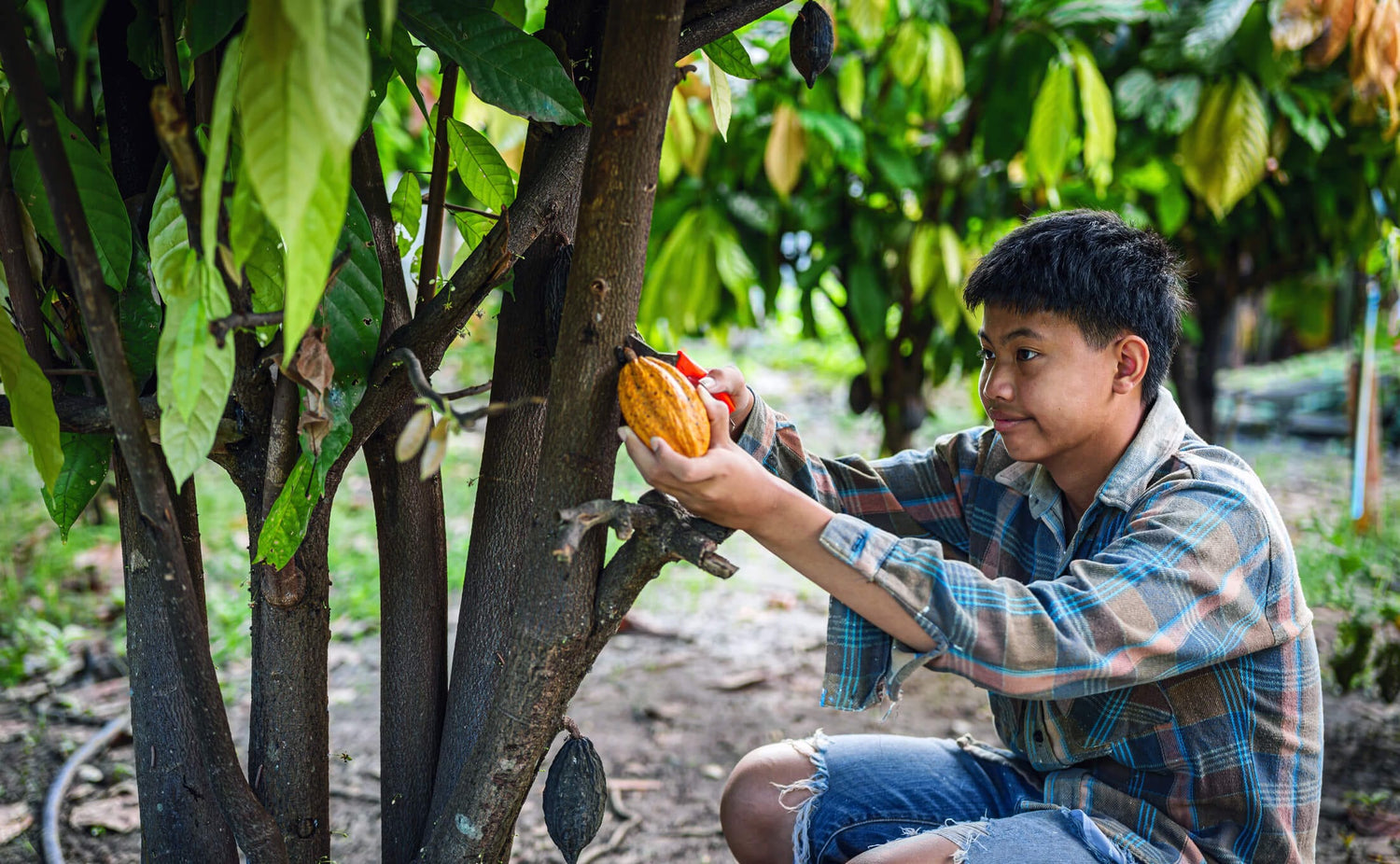
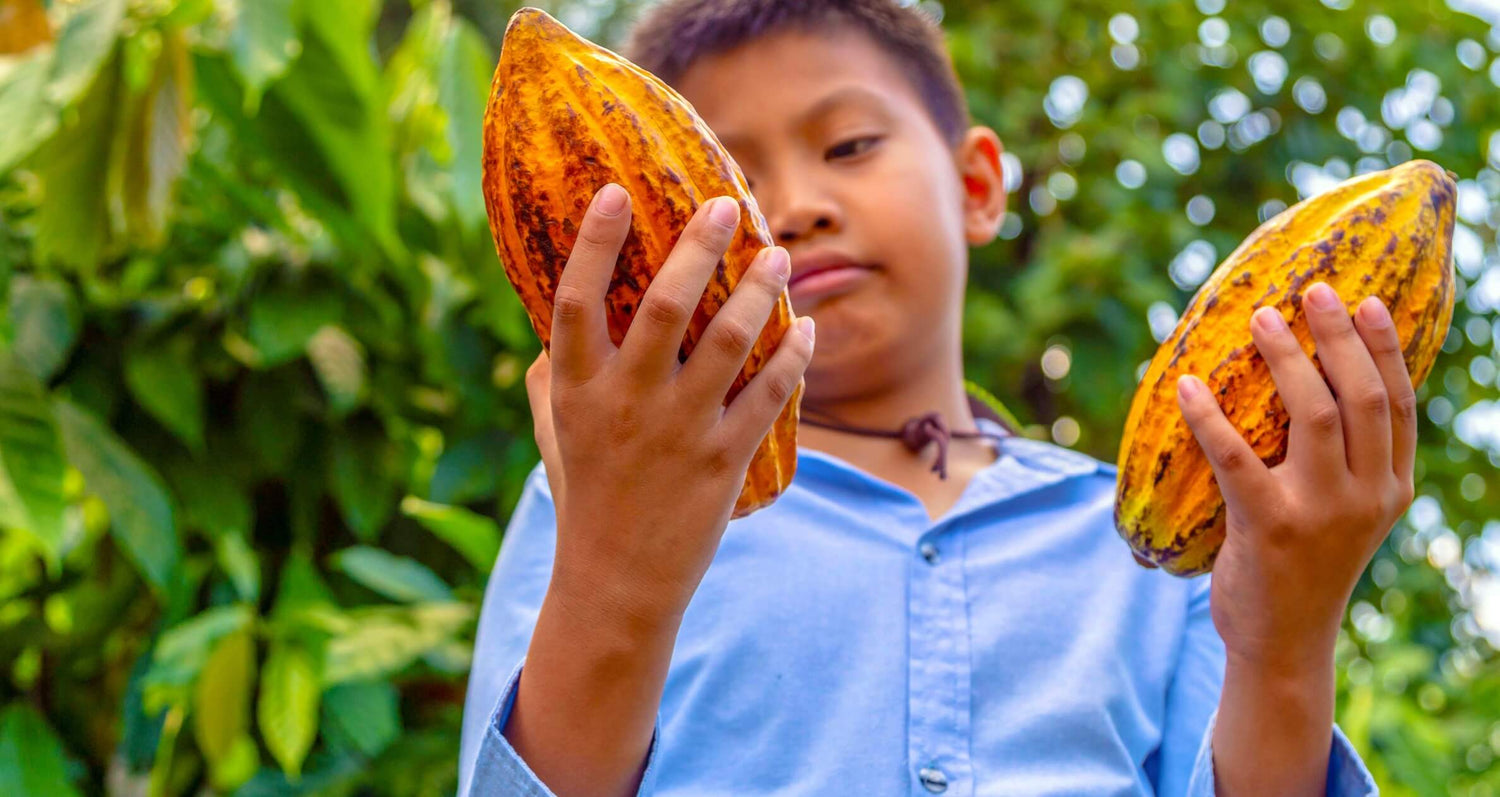
A remarkable chocolate bar begins long before the workshop. Cacao variety, terroir, harvest conditions, and fermentation all shape the final profile. A bean from Madagascar may show bright red fruit and citrus. A cacao from Peru may lean toward nuts and gentle earth. Some origins bring honeyed notes, while others carry spice, coffee, or cream.
In industrial chocolate, those distinctions are often blended away. Large manufacturers commonly mix beans from multiple origins to create a stable, familiar flavor profile year-round. There is practical logic in that approach, especially when the goal is standardization. But it can flatten individuality.
Small batch makers often move in the opposite direction. They may work with single-origin cacao or carefully composed blends that preserve the identity of the beans. For consumers, this makes chocolate more interesting. It also makes it more honest. Instead of a generic sweetness, you experience what that cacao actually has to say.
Why bean-to-bar matters
Bean-to-bar production is one of the clearest signs that a chocolate bar deserves serious attention. It means the maker handles the transformation from whole cacao beans to finished bar, rather than melting and reshaping pre-made chocolate. That control affects almost every quality marker a customer can notice.
Roasting determines whether delicate notes survive or disappear. Refining affects smoothness and mouthfeel. Conching influences texture and aromatic development. Tempering determines snap, gloss, and stability. When all of that happens under one roof, the final bar carries the signature of the maker, not just the recipe.
This matters for trust as much as taste. If a brand speaks about origin, ethics, and craftsmanship, bean-to-bar production gives substance to those claims. It shows that the maker is engaged in the actual craft of chocolate making, not simply in decoration or packaging.
The case for transparency
One reason premium buyers gravitate toward small batch chocolate bars is traceability. They want to know where ingredients come from, how they were sourced, and what standards shaped production. That interest is no longer niche. It is part of how modern consumers define quality.
Transparency in chocolate has real weight because cacao supply chains can be opaque. A craft maker who identifies origin, explains sourcing, and works with intention offers a more credible product. Ethical sourcing is not a flavor note, but it changes the value of what you are buying. It allows pleasure and principle to sit together.
There is also a practical benefit. When makers know their cacao well, they can speak precisely about flavor, seasonality, and process. That precision helps customers buy with confidence, whether they are choosing a bar for personal enjoyment or selecting a gift that needs to feel thoughtful and elevated.
Texture, sweetness, and the discipline of restraint
Mass-market chocolate often relies on a straightforward formula - sweetness first, cacao second. That is not always a flaw. Many consumers enjoy familiar, mellow chocolate with broad appeal. But for anyone looking for character, that formula can feel one-dimensional.
Small batch chocolate bars usually aim for better balance. Sugar is still essential, but it is used to support cacao rather than overwhelm it. Texture also tends to receive more disciplined attention. A well-made bar should feel smooth without becoming waxy, rich without feeling heavy, and clean as it melts.
This is where craftsmanship becomes tangible. You do not need technical vocabulary to notice when a bar feels polished and intentional. You simply notice that it tastes complete.
Small batch chocolate bars as gifts
Chocolate is one of the easiest gifts to give badly. A generic box may be convenient, but it rarely feels personal. A carefully made bar or curated selection has more presence. It suggests judgment, not just purchase.
That is one reason craft bars have become so relevant in gifting. They carry a story that recipients can understand immediately: origin, maker, process, and quality. Premium packaging helps, of course, but presentation only works when the product inside lives up to it.
For gift buyers, small batch also offers range. A single-origin dark bar may suit a food-focused recipient. A milk chocolate with clear caramel notes may feel more approachable. A set of bars from different origins can turn into an experience rather than a simple treat. The point is not to make chocolate complicated. It is to make it memorable.
What to look for before you buy
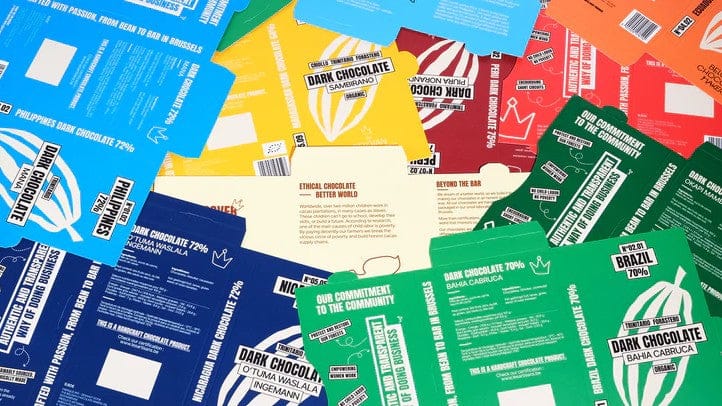
A strong label tells you more than cocoa percentage. Origin matters. So does whether the chocolate is bean to bar. Ingredient lists should be concise and readable. If vanilla, lecithin, or added flavors are present, that is not automatically a problem, but the balance should make sense for the style of bar.
Price also deserves context. Small batch chocolate bars cost more because the economics are different. Better cacao, lower production volume, and in-house processing all raise costs. That said, expensive does not always mean exceptional. The most reliable signs are clarity, transparency, and restraint. When a maker can explain exactly what is in the bar and why it tastes the way it does, that is usually a good sign.
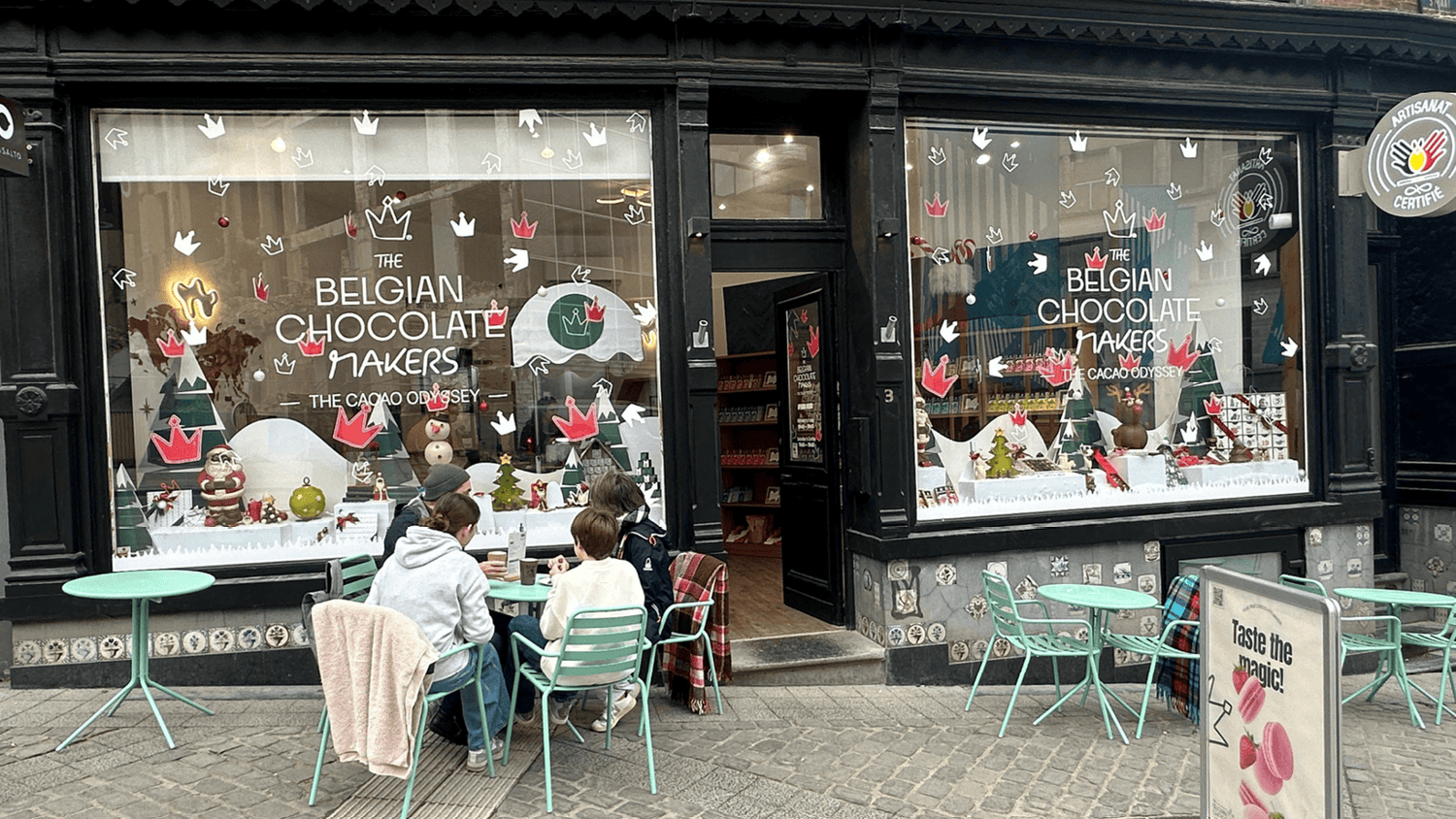
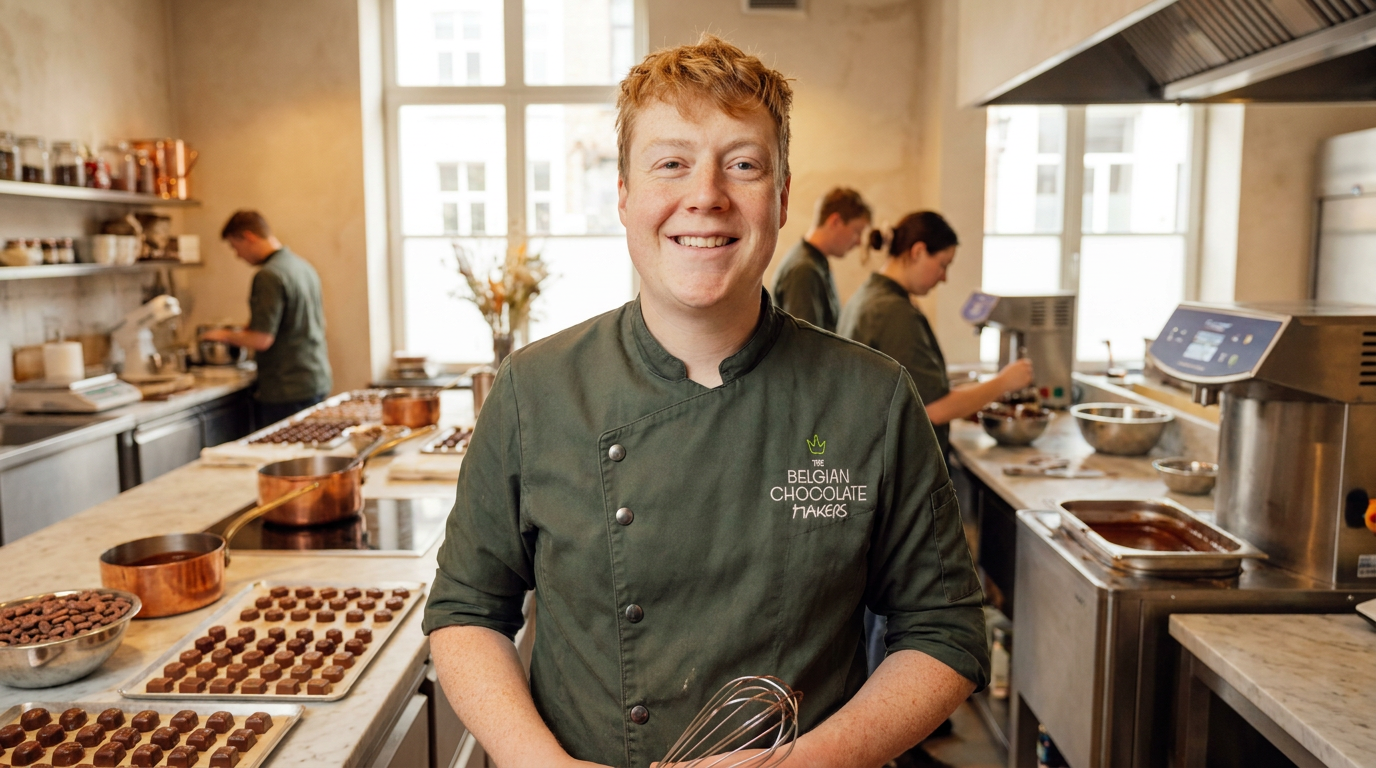
It also helps to pay attention to the maker's broader philosophy. A workshop-led producer with real control over roasting and refining can often deliver more character than a brand built mainly around packaging. In Brussels, The Belgian Chocolate Makers has built its reputation on that bean-to-bar discipline, which is precisely why craft-conscious buyers increasingly seek out chocolate made this way.
Why this category keeps growing
Consumers have become more sophisticated about coffee, wine, olive oil, and bread. Chocolate is following the same path. People still want pleasure, but they also want origin, integrity, and craftsmanship they can trust. Small batch fits that shift because it answers both emotional and practical needs.
It feels more personal than factory-made chocolate. It is often more ethical, or at least more transparent. And when done well, it simply tastes more alive. The trade-off is that it may be less uniform from batch to batch, and some bars can be more intense than casual candy buyers expect. For many customers, that is not a drawback. It is the point.
The best small batch chocolate bars do not ask you to admire them from a distance. They ask you to slow down, taste carefully, and notice what careful chocolate making can preserve. Once you do, it becomes much harder to settle for a bar that says very little.