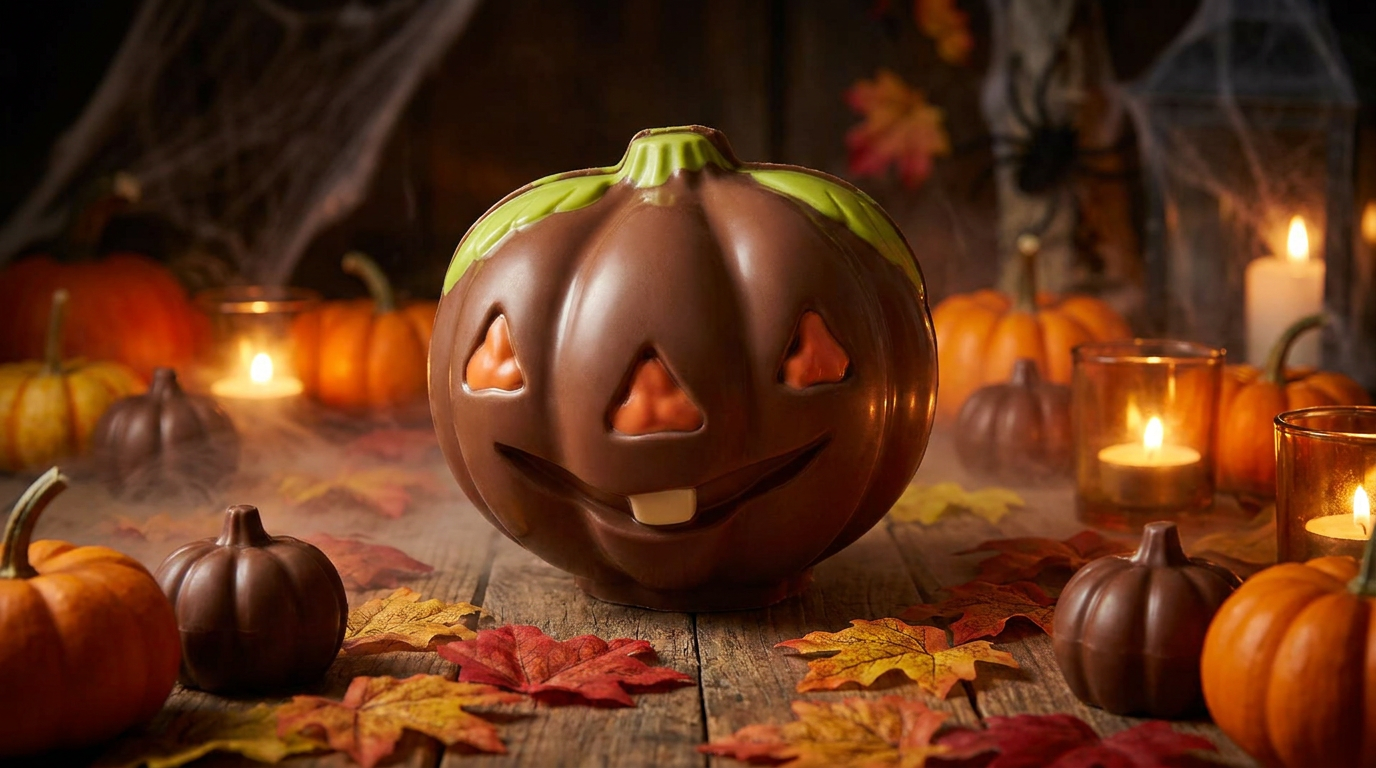
Autumn arrives with warm colors, crisp air, and seasonal treats. Among the most charming is the milk chocolate pumpkin, a handcrafted piece of Belgian chocolate that blends festive imagery with smooth melt-in-your-mouth cocoa. From Halloween gatherings to cozy evenings, this milk chocolate pumpkin offers a stylish, delicious way to celebrate the season.
In this guide, we’ll explore how to think about chocolate by name, what goes into milk chocolate, how to substitute bittersweet if you need a less-sweet option, and why a milk chocolate bar can take many forms, including figurines like the pumpkin. We’ll also show how to enjoy and gift chocolate responsibly this autumn, with a spotlight on a premium option from The Belgian Chocolate Makers.
Different types of chocolate names
You’ll often hear terms like milk chocolate, dark chocolate, white chocolate, and semisweet, as well as more descriptive labels like couverture or ganache. Milk chocolate is typically lighter in color and creamier in flavor than dark chocolate because it includes milk solids, sugar, and cocoa butter in combination with cocoa mass. Dark chocolate emphasizes higher cocoa content and less dairy, while white chocolate contains cocoa butter but no cocoa mass, giving a very different flavor profile. In everyday conversations, people might refer to “semi-sweet chocolate” when a recipe calls for a balance between sweetness and cacao depth. In this guide, you’ll see how these names influence what you choose for autumn treats like the milk chocolate pumpkin 150g.
What goes into milk chocolate
Milk chocolate is a harmonious blend of a few simple ingredients: cocoa mass or cocoa liquor, sugar, and milk solids (which can be in the form of milk powder, condensed milk, or whey). Cocoa butter yields that characteristic smooth mouthfeel, while an emulsifier such as lecithin helps keep the mixture flowing as it’s tempered. Vanilla is sometimes added for a gentle aromatic note. The result is a creamy, sweet bar that pairs beautifully with autumn flavors like pumpkin, cinnamon, and caramel. When you see a product labeled milk chocolate, you’re looking at a specific balance of cacao content and dairy that sets it apart from darker varieties.
After the initial bloom of sweetness, the chocolate develops nuanced flavors; hints of cream, toasted milk, and delicate cocoa. With a little patience, you’ll notice how temperature affects texture: the chocolate should melt on the tongue rather than crumble, delivering a smooth finish that makes it easy to savor slowly on chilly evenings.
Bittersweet substitute: swapping in comfort without losing depth
If you love the depth of bittersweet chocolate but prefer a milder sweetness, you can substitute milk chocolate in many recipes while preserving a rich cocoa presence. Bittersweet typically features a higher cacao percentage and less sugar, which means substituting with milk chocolate will increase sweetness and alter the bitterness profile. For a closer match, choose a semi-sweet or dark chocolate around 50-60% cacao, then adjust sugar in the recipe accordingly. In a store-bought context, opting for a milk chocolate bar with a strong cacao note or adding a pinch of sea salt can recreate a more complex finish without the bitterness you might expect from pure bittersweet.
Milk chocolate bar: what makes it special
A milk chocolate bar isn’t just a solid piece to eat; it’s a statement of balance. The sugar and milk solids soften the natural bitterness of cocoa, while cocoa butter contributes a velvety mouthfeel. In bars shaped as seasonal figurines, like our milk chocolate pumpkin 150g, the visual appeal matches the taste. These bars are designed to be shared, gifted, or enjoyed as a centerpiece for autumn or Halloween celebrations.
Why a pumpkin shape for autumn celebrations?
Pumpkins are a symbol of harvest and Halloween, and a milk chocolate pumpkin elevates the mood with festive charm. Handcrafted in Brussels by The Belgian Chocolate Makers, this 150g figurine combines premium Belgian chocolate with a playful autumn motif. The result is not just a treat but a keepsake that can decorate a table or desk during October and November, while delivering a smooth, premium chocolate experience.
Savoring and gifting: make the most of seasonal chocolate
Pair autumn chocolate with warm beverages like spiced tea or maple lattes to enhance the tasting experience. The milk chocolate pumpkin also works beautifully in small gift boxes for friends, teachers, or coworkers who appreciate refined confections. If you’re assembling a seasonal gift, consider including a few complementary items such as roasted nuts or cinnamon cookies to create a thoughtfully curated autumn ensemble.
For those who enjoy exploring chocolate beyond a single piece, try tasting a few variations side by side: a milk chocolate bar, a dark chocolate with a high cacao percentage, and a white chocolate with vanilla notes. You’ll quickly notice how the different types of chocolate names and ingredients shape the overall experience, especially when paired with autumn flavors like pumpkin spice, apple, and caramel.
When selecting a chocolate for Halloween or autumn gifting, look for bars or figurines that highlight quality ingredients, a clear ingredient list, and a reputable maker. The milk chocolate pumpkin 150g from The Belgian Chocolate Makers is crafted in Brussels with smooth Belgian chocolate, offering a refined option that aligns with premium gifting and seasonal celebrations.