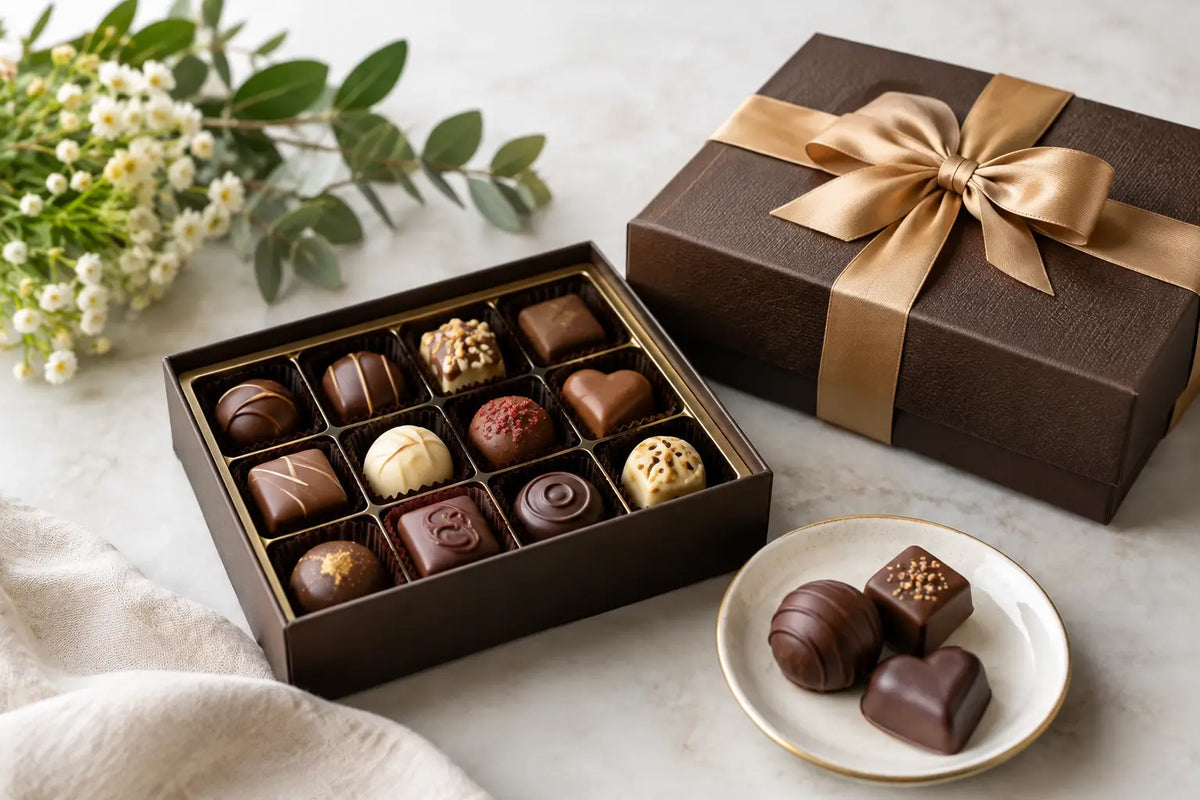
A luxury chocolate gift review should look beyond the ribbon, the weight of the box, and a familiar name on the lid. Those details set a first impression, but the real measure of a premium gift is what happens when the chocolate is tasted: the clean snap, the texture as it melts, the clarity of its cacao character, and the sense that every piece was made with intention.
For a gift to feel genuinely special, it should offer more than sweetness in beautiful packaging. It should carry a story of craft, origin, and care that the recipient can taste. That is particularly true for shoppers choosing a gift for a host, client, milestone, holiday, or a person who already appreciates fine food.
What Separates a Luxury Chocolate Gift From an Expensive Box
Price alone does not create luxury. A costly assortment can still rely on generic couverture, excessive sugar, artificial flavoring, or a presentation that promises more than the chocolate delivers. Conversely, a carefully made bar or small praline collection can feel remarkably generous when its ingredients and workmanship are apparent.
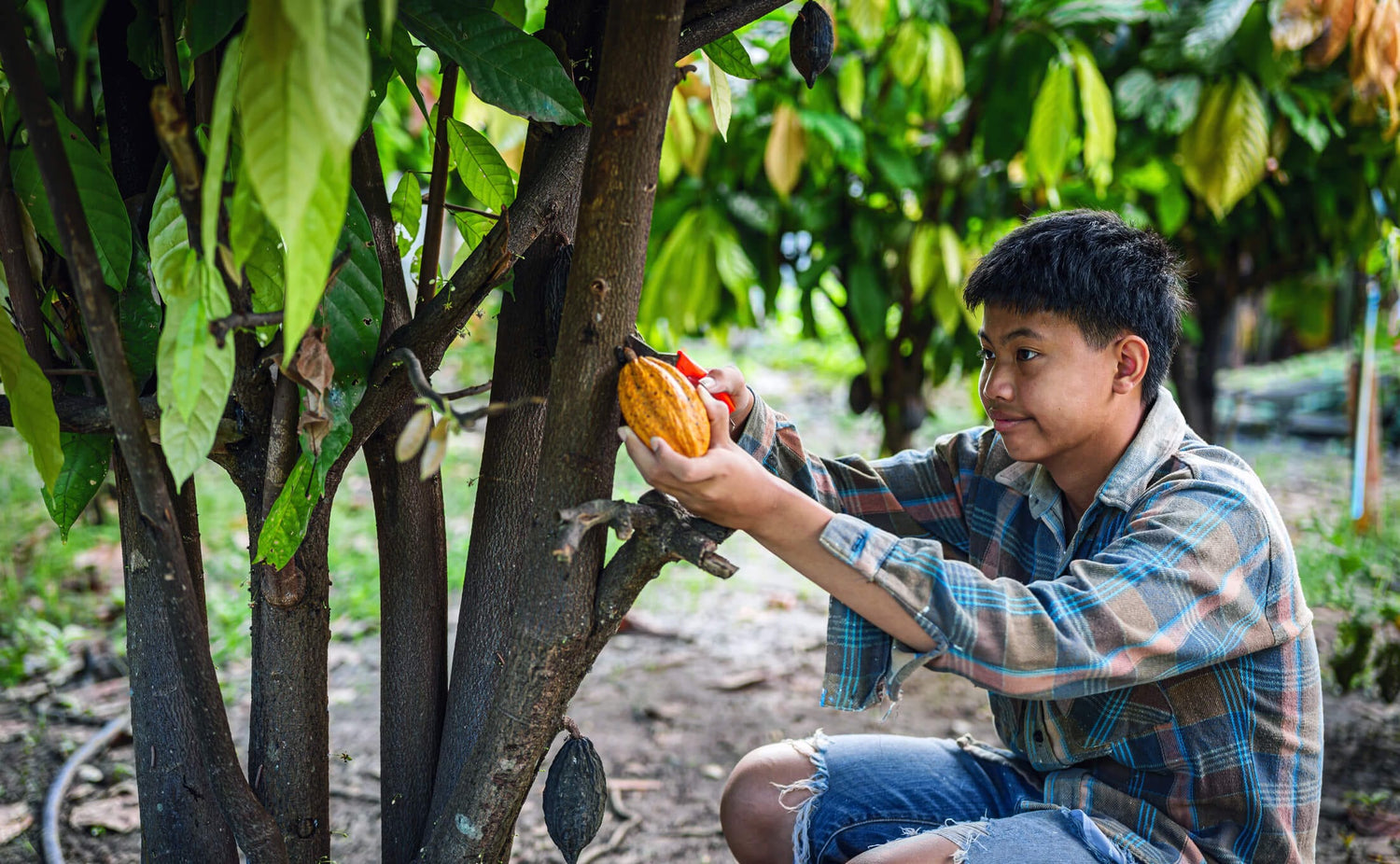
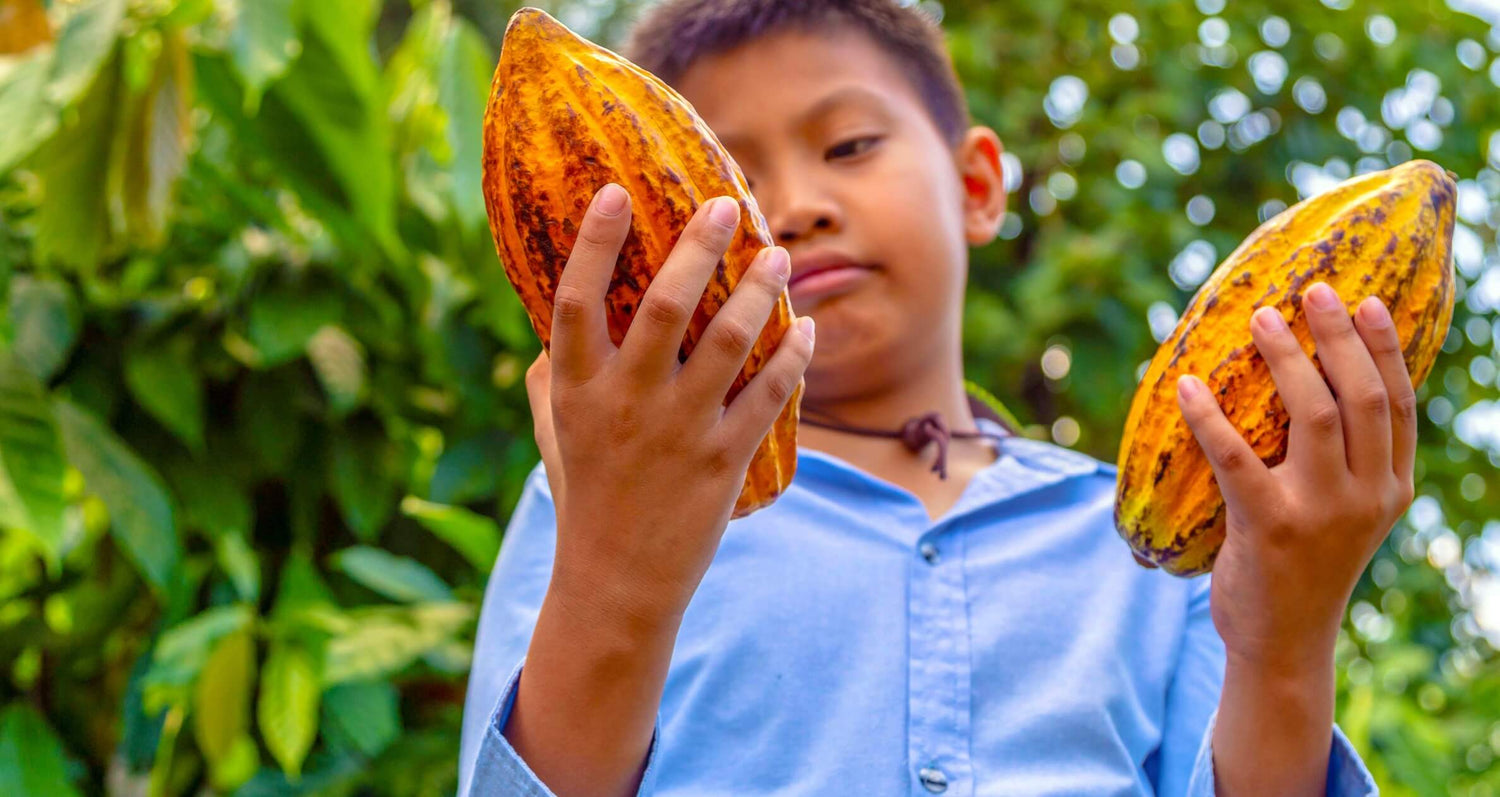
The most meaningful distinction is whether the maker controls the chocolate itself. In bean-to-bar production, cacao beans are selected, roasted, refined, conched, and molded by the chocolatier. This gives the maker responsibility for flavor from the beginning, rather than simply shaping purchased chocolate into finished confections.
That difference is easy to recognize in a thoughtful gift. A bean-to-bar chocolate may reveal notes of red fruit, toasted nuts, citrus, honey, or warm spice depending on the cacao’s origin and the maker’s roast profile. It should not taste like a uniform brown backdrop beneath fillings and decoration. The chocolate is the point, not merely the carrier.
A Luxury Chocolate Gift Review: The Four Details Worth Checking
1. Cacao origin and traceability
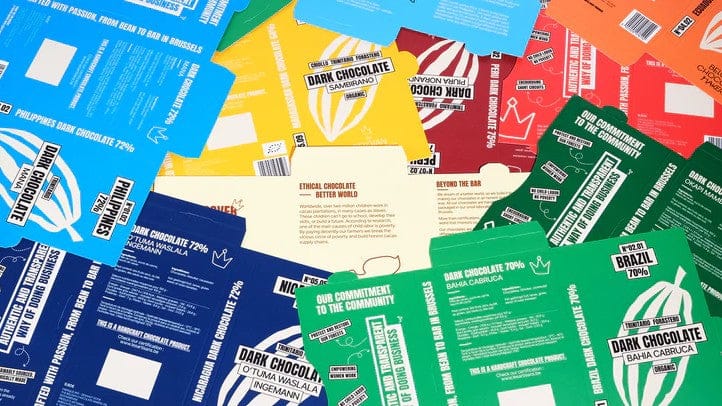
A premium gift should make it possible to understand what you are giving. Look for a named origin, estate, cooperative, or region when relevant, along with clear information about the maker’s sourcing standards. Origin is not decorative language. Cacao grown in different places develops different flavor possibilities, just as coffee, wine, and olive oil do.
Transparency also matters for ethical reasons. Responsible sourcing is complex, and no brief label can explain every relationship behind a cacao bean. Still, a maker that is willing to identify its sourcing approach and speak clearly about its ingredients offers more confidence than one that relies only on vague terms such as “finest” or “premium.”
2. The quality of the chocolate itself
Taste is the final test. Fine chocolate should melt smoothly and gradually, without a waxy coating or a grainy finish. Dark chocolate should have depth without being punishingly bitter. Milk chocolate can be rich and comforting while still allowing cacao to remain present. White chocolate, when well made, should taste of real cocoa butter and dairy rather than only sugar and vanilla.
A good assortment also shows restraint. Fillings such as ganache, praline, caramel, fruit, coffee, and spice should complement the shell rather than conceal it. Strong flavors have a place, especially in a varied gift box, but every piece should retain balance. If each bite tastes identically sweet, the collection has limited value as a tasting experience.
3. Freshness and small-batch care
Chocolate is more stable than many foods, but pralines and truffles are not decorative objects to keep indefinitely. Fresh cream ganaches, fruit centers, and delicate nut pastes are at their best when made and handled with care. A luxury gift should arrive in proper condition, with a clear best-by date and packaging that protects its shape and finish.
Small-batch production can support this standard, though the phrase is not a guarantee by itself. The useful question is whether the maker appears close to the product: managing recipes, tempering, molding, finishing, and quality control rather than treating the chocolates as anonymous inventory.
4. Presentation with a purpose
Beautiful packaging belongs in a luxury chocolate gift, but it should frame the chocolates rather than compensate for them. A well-designed box protects delicate pieces, organizes an assortment clearly, and feels appropriate for the occasion. It should be pleasing to open without creating unnecessary waste.
For corporate gifting or formal occasions, understated presentation often travels better than novelty. For birthdays and holidays, a little seasonal color can add warmth. The right choice depends on the recipient. Someone who values minimal design may prefer a refined bar collection, while a family gathering may call for an assortment that encourages sharing.
Choosing the Right Format for the Recipient
The best gift format depends less on a universal ranking than on who will receive it. An assortment of pralines is a natural choice for someone who enjoys variety and the small ceremony of selecting a piece. It works especially well for hosts, couples, and office sharing, provided the assortment has enough range to keep the experience interesting.
Single-origin bars suit the curious eater. They invite comparison between cacao-growing regions and make a strong choice for a coffee lover, wine enthusiast, or anyone who enjoys tasting food with attention. A selection of several bars can feel more personal than a large box because it offers a progression of flavors rather than a single grand gesture.
Truffles and ganaches bring immediate richness. They are ideal for celebrations and for recipients who favor classic indulgence, although they may be less practical for long shipping times or warm weather. Spreads, mendiants, and seasonal pieces can make a gift feel less predictable, particularly when the recipient already receives conventional chocolate boxes every year.
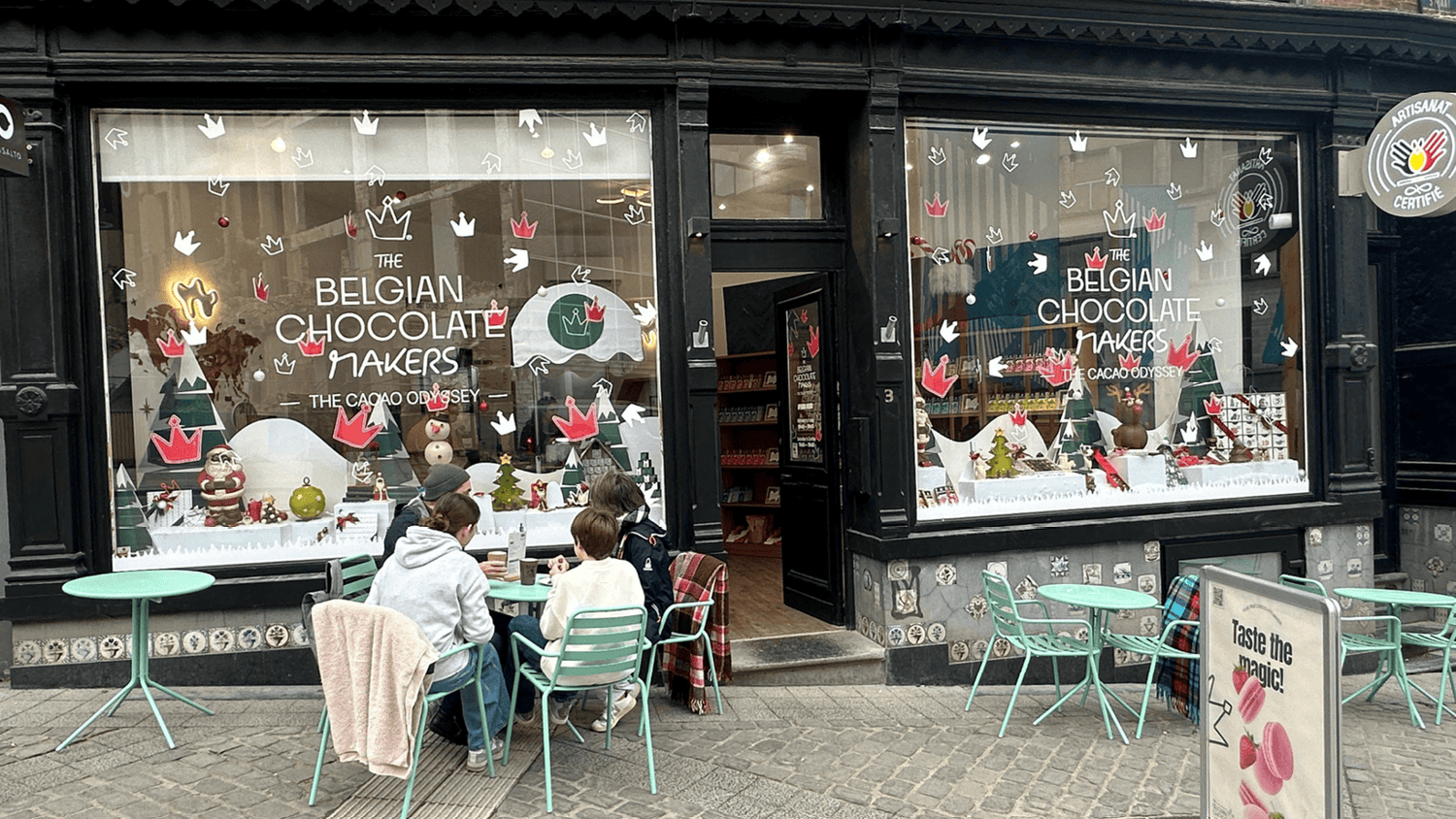
At The Belgian Chocolate Makers, this range reflects a simple belief: Belgian chocolate heritage is strongest when it remains connected to real chocolate making. A gift can include familiar pleasures such as pralines and truffles while still beginning with carefully sourced cacao beans transformed in the workshop.
The Trade-Off Between Variety and Focus
A large assortment looks generous, but size is not always the smartest measure of value. More pieces can mean more repetition, especially when a box relies heavily on similar sweet centers. A smaller collection with distinct textures and flavor profiles may leave a stronger impression.
There is also a trade-off between approachability and intensity. Very high-cacao dark chocolate can be extraordinary for an experienced chocolate lover, but it may not be the right gift for a recipient who prefers creamy milk chocolate or soft caramel fillings. The most considerate choice is not necessarily the rarest or darkest option. It is the one that reflects the recipient’s tastes while offering something they might not buy for themselves.
If you do not know their preferences, a balanced collection is usually safer. Look for a mix of dark and milk chocolate, classic and more distinctive fillings, and a few recognizable flavor cues such as hazelnut, caramel, or fruit. Avoid assuming that “luxury” requires challenging flavors. It requires quality, clarity, and good judgment.
Questions to Ask Before You Buy
Before selecting a chocolate gift, consider the occasion, the number of people likely to share it, and how soon it will be enjoyed. A host gift needs to be easy to present and serve. A personal thank-you can be more focused and origin-led. A business gift should feel polished while respecting dietary needs and practical delivery conditions.
It is also worth checking ingredients closely. Nuts, dairy, alcohol, gluten, and soy can appear in pralines and truffles, sometimes through shared production environments. A chocolate gift is most gracious when the recipient can enjoy it without uncertainty. If dietary restrictions are unknown, a clearly labeled bar selection may be more considerate than a mixed box with complex centers.
Finally, think about timing. Fine chocolate deserves sensible storage away from heat, direct light, and strong odors. Giving it close to the occasion helps preserve its freshness and avoids turning an elegant gesture into something the recipient feels obliged to save.
The best chocolate gift does not need to make a loud claim. Choose one whose origin is clear, whose craftsmanship is evident, and whose flavors invite the recipient to slow down for one excellent piece at a time.