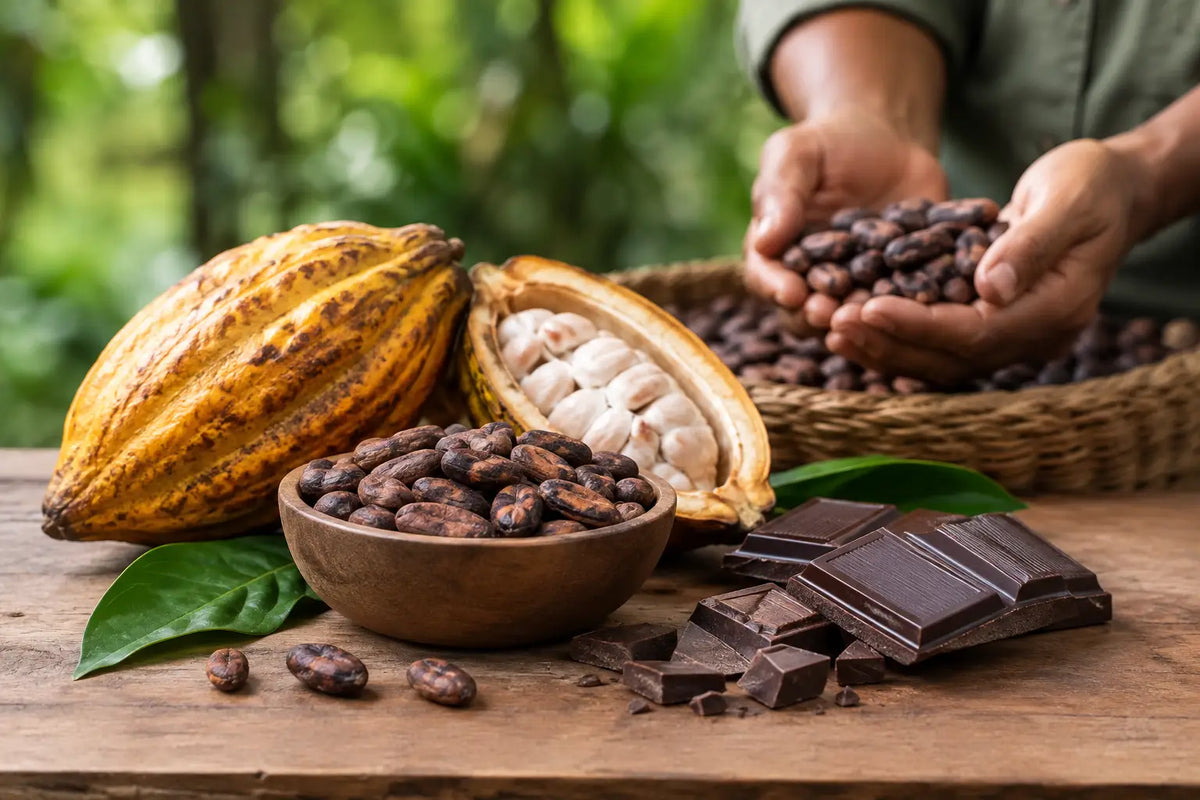
A bar of fine chocolate begins long before cacao reaches a roaster. It begins with who grew the beans, how they were purchased, whether the farm can remain viable, and how clearly those answers travel through the supply chain. Ethical sourcing trends are changing what discerning chocolate buyers expect: not a vague promise of doing good, but credible evidence of origin, partnership, and care.
For bean-to-bar chocolate makers, this shift is not a marketing layer added after production. The character of a chocolate - its fruit, spice, nuttiness, texture, and finish - is inseparable from the place and people behind its cacao. Better sourcing can support better chocolate, provided it is treated as a long-term commitment rather than a convenient label.
Ethical Sourcing Trends: Traceability Gets Specific
For years, broad origin statements were enough for many products. Chocolate could be described as made with West African cacao, Latin American beans, or responsibly sourced ingredients, without identifying a region, cooperative, or buying relationship. That standard is changing.
Buyers increasingly want to know where cacao was grown and how it moved from farm to workshop. In fine chocolate, traceability may include a country, a region, a named cooperative, an estate, a harvest period, or a particular post-harvest program. Each additional detail gives the buyer a clearer picture of the chocolate's provenance.
Specificity matters because cacao is not a uniform commodity. Beans from different growing areas can produce distinctly different flavor profiles, especially when fermentation and drying are handled with skill. A chocolate maker that selects cacao thoughtfully can tell an honest story about both taste and origin. That is more meaningful than treating ethical claims and flavor notes as separate subjects.
Complete farm-level traceability is not always simple. Cacao frequently moves through smallholder networks, local collectors, exporters, and processors. A maker should be careful not to imply direct farm relationships where they do not exist. Transparency includes acknowledging the structure of the supply chain, not only presenting its most attractive details.
Payment Is Moving Beyond the Commodity Price
One of the most significant ethical sourcing trends is the growing attention to how cacao farmers are paid. The global cocoa market price can fluctuate sharply and does not necessarily reflect the true cost of producing high-quality cacao or supporting a household with dignity. A price premium may help, but the details matter.
Premiums can be paid for quality, organic production, certification, traceable lots, or community programs. These are valuable mechanisms, yet they are not automatically equivalent to a living income. A meaningful sourcing approach asks more practical questions: Is the price predictable? Does it reward careful fermentation and drying? Is the payment reaching farmers or being absorbed elsewhere in the chain? Can partners plan for the next harvest?
Longer-term purchasing commitments can be as valuable as a higher one-time price. When a cooperative or producer knows there is reliable demand for a well-prepared cacao, it can invest in fermentation boxes, drying beds, training, and farm maintenance. This is where ethical purchasing and exceptional flavor often meet. Consistency is built through relationships, not merely through specifications.
There is no single payment model that works in every region. Direct trade can create close collaboration for a small chocolate maker, while cooperative-based sourcing may be the most practical route for reaching many small farms. The essential issue is whether the relationship creates a fairer, more stable exchange and whether claims about it can be supported.
Quality Partnerships Include the Post-Harvest Work
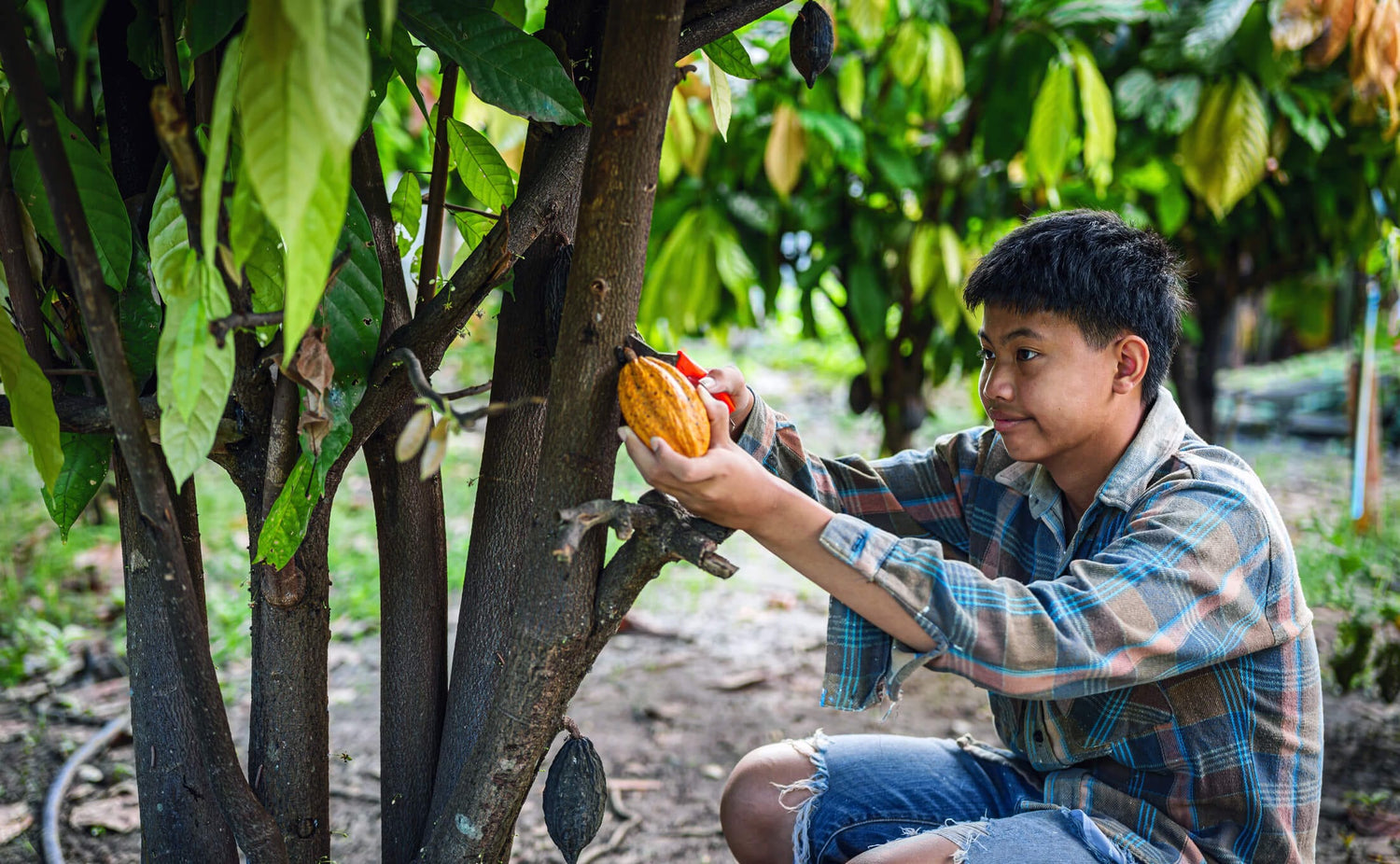
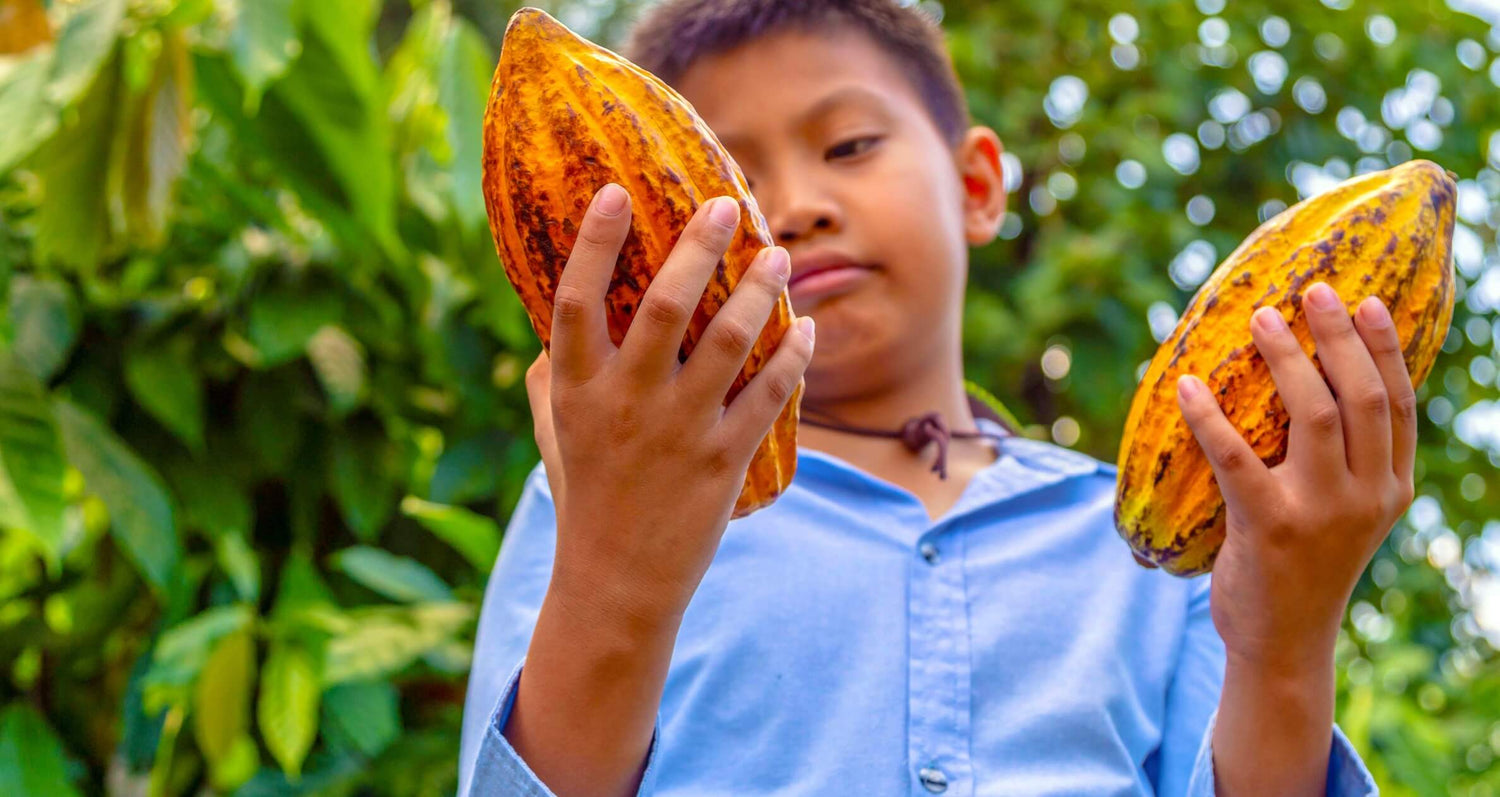
Much of cacao's potential flavor is determined after the pod is opened. Fermentation develops complexity, while drying protects the beans from mold, smoke, and unwanted acidity. Yet this crucial work has historically received less recognition than farming itself.
Ethical sourcing increasingly means recognizing post-harvest expertise as skilled labor. Producers and cooperatives that improve fermentation protocols, maintain clean drying facilities, and separate lots by variety or area add real value to cacao. Paying for that work helps preserve quality and encourages producers to continue refining their methods.
For the chocolate lover, this can be tasted in the finished bar. A carefully fermented cacao may show notes of red fruit, citrus, caramel, or toasted nuts with a clean finish. Poorly handled cacao can require heavy roasting or added flavors to conceal defects. When chocolate is made from well-prepared beans, the maker can roast and refine with restraint, allowing origin to remain present.
That is why single-origin chocolate deserves more than a geographical label. Its value rests on the distinct conditions, decisions, and skills that shaped the beans before they entered the workshop.
Agroforestry Is Becoming Part of the Chocolate Conversation
Cacao is vulnerable to heat, erratic rainfall, disease, and soil depletion. As climate pressures intensify, sourcing decisions must consider the resilience of farms as well as the quality of a single harvest.
Agroforestry - growing cacao alongside shade trees and other crops - is receiving greater attention for good reason. Well-designed systems can support biodiversity, protect soil, moderate temperatures, and provide farmers with additional sources of food or income. They can also create healthier conditions for cacao trees.
Still, agroforestry should not become another oversimplified promise. A diverse farm system requires knowledge, time, land security, and access to suitable markets. It may not produce immediate financial results, and its benefits depend on local conditions. Responsible chocolate companies should describe these efforts with care, avoiding claims that make complex agricultural realities sound effortless.
For buyers, the most useful signal is not a perfect environmental slogan. It is evidence that a maker considers how cacao is grown and supports partners who are building farms able to endure changing conditions.
Honest Claims Matter More Than Perfect Packaging
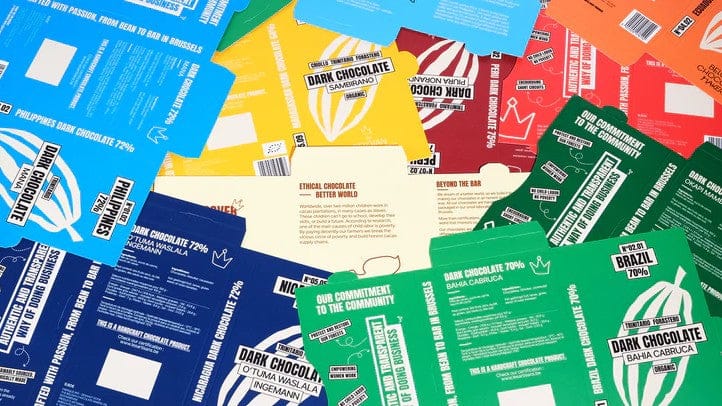
Chocolate packaging is increasingly asked to carry a great deal of meaning: origin, cacao percentage, certifications, sustainability messages, tasting notes, and gift-worthy design. Clear communication is part of ethical sourcing because it allows customers to choose with confidence.
A certification can be an important tool, particularly when a supply chain is large and difficult to monitor directly. It can set baseline standards and fund community initiatives. But certification alone does not reveal every detail of a purchasing relationship, nor does its absence prove that a small producer relationship is unethical. Context is essential.
The strongest brands explain what they know, state what a claim means, and avoid grand declarations that cannot be verified. Terms such as sustainable, responsible, and ethically made should be supported by real information about origin, pricing practices, farming support, or traceability. Precision earns more trust than perfection.
This is especially relevant when choosing a chocolate gift. A beautifully presented box carries a message about the giver's taste and consideration. Knowing that the chocolate was crafted from thoughtfully selected cacao adds substance to that gesture. It turns a pleasant luxury into a gift with a genuine story behind it.
What Thoughtful Buyers Can Look For
A shopper does not need to investigate every shipment of cacao to make a more informed choice. Start with the information a chocolate maker is prepared to share. Named origins, clear descriptions of sourcing partners, and details about bean-to-bar production are useful signs that cacao has not been treated as an anonymous ingredient.
Then consider whether the product's language is concrete. Does it identify a region or cooperative? Does it explain why the cacao was selected? Does it distinguish between a certified supply chain and a direct purchasing relationship? Specific answers are more valuable than broad moral language.
Finally, taste with attention. Ethical sourcing is not a substitute for craftsmanship. The finest expression comes when responsibly acquired beans are roasted, refined, conched, and molded with equal care. At The Belgian Chocolate Makers, transforming selected cacao in our Brussels workshop keeps that final stage close to the people who shape the chocolate's flavor and finish.
The future of fine chocolate will not be defined by a single seal or slogan. It will be shaped by makers who keep asking better questions, producers whose work is properly valued, and buyers who reward clarity over easy claims. Choose chocolate whose origin is worth sharing, then let every square invite a more thoughtful kind of pleasure.