A chocolate bar can look almost identical on the shelf while representing two very different realities. One may begin with anonymously traded cacao and be made from industrial couverture; another may identify its origin, honor the work behind the harvest, and be crafted from bean to finished bar in small batches. So, is ethical chocolate worth it? For many buyers, the answer is yes - not simply because it feels like the responsible choice, but because ethical standards often lead to a more distinctive and satisfying chocolate experience.
The caveat is that ethical chocolate is not a magic label. It asks shoppers to look beyond a seal, a glossy wrapper, or a price point. The value lies in what a maker can show about its cacao, its relationships, and its process.
Is ethical chocolate worth it for better quality?
Ethical sourcing and quality are not the same thing, but they are closely connected when chocolate is made with care. Fine cacao requires careful fermentation, drying, sorting, and storage after harvest. Those steps demand skill and time. When farmers are paid in a way that recognizes quality, there is a stronger reason to invest in the practices that preserve a bean's potential.
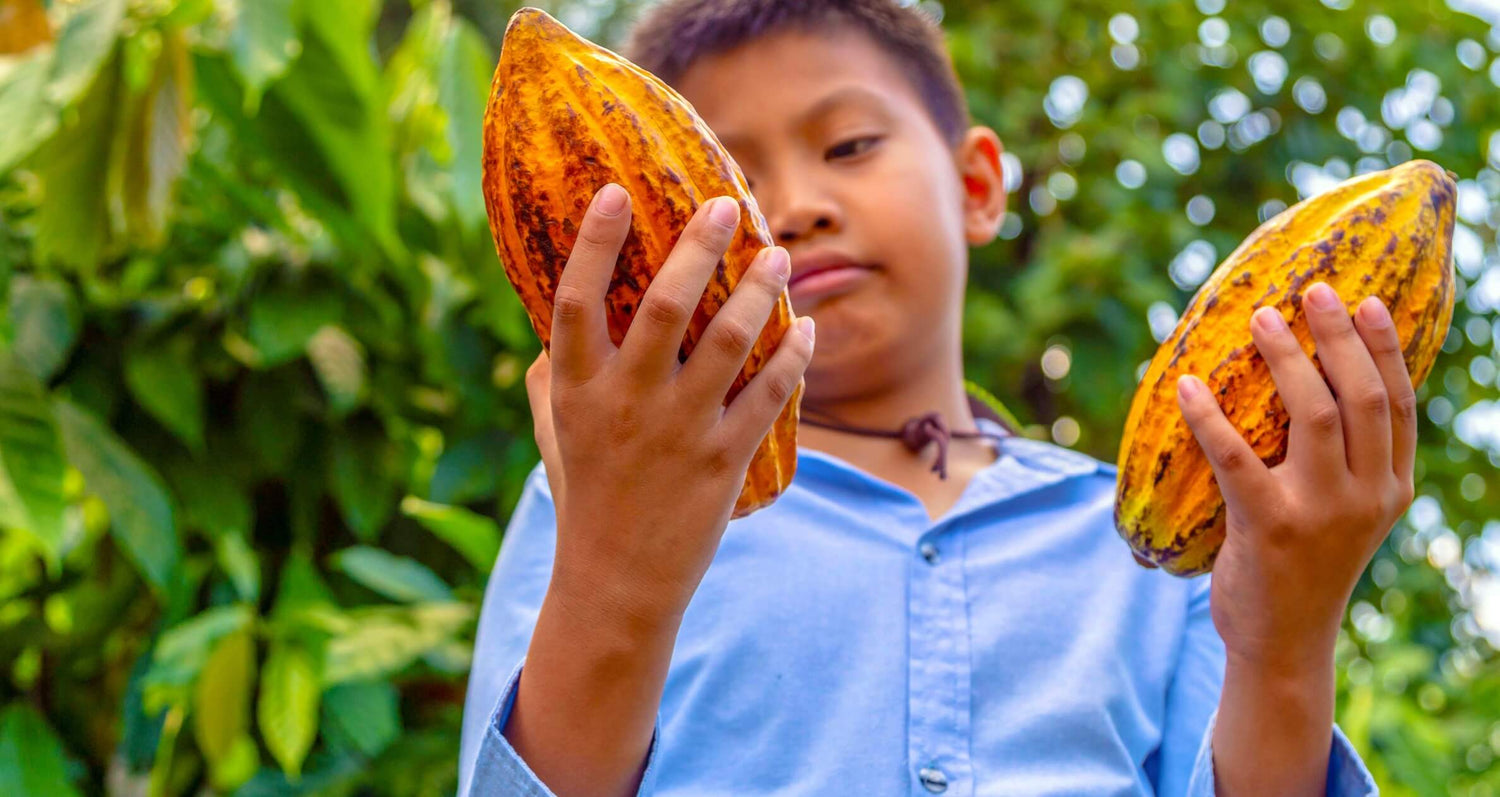
That potential becomes apparent in the finished chocolate. Cacao from Ecuador may offer floral notes and soft fruit; a Madagascan bean may lean bright and tangy; beans from the Dominican Republic can bring warm red-fruit and roasted-nut character. These are not added flavors. They are expressions of variety, soil, climate, harvest conditions, and post-harvest work.
For a bean-to-bar maker, ethics also makes flavor more meaningful. Knowing where the cacao comes from gives context to what is in the bar. It turns chocolate from a generic sweet into an ingredient with a place, a season, and a human story behind it.
Still, no sourcing claim can compensate for poor chocolate making. Over-roasting can flatten delicate notes. Excessive sugar can hide the character of the bean. A well-made ethical bar should deliver both: credible sourcing and a balanced texture, aroma, and finish.
What you are paying for
Ethical chocolate usually costs more than mass-market chocolate, and that difference can be uncomfortable at first glance. Cacao is only one part of the price. Smaller makers also pay for careful selection, transport and storage suited to fine ingredients, small-batch roasting, long refining, molding, packaging, and the skilled labor required at every stage.
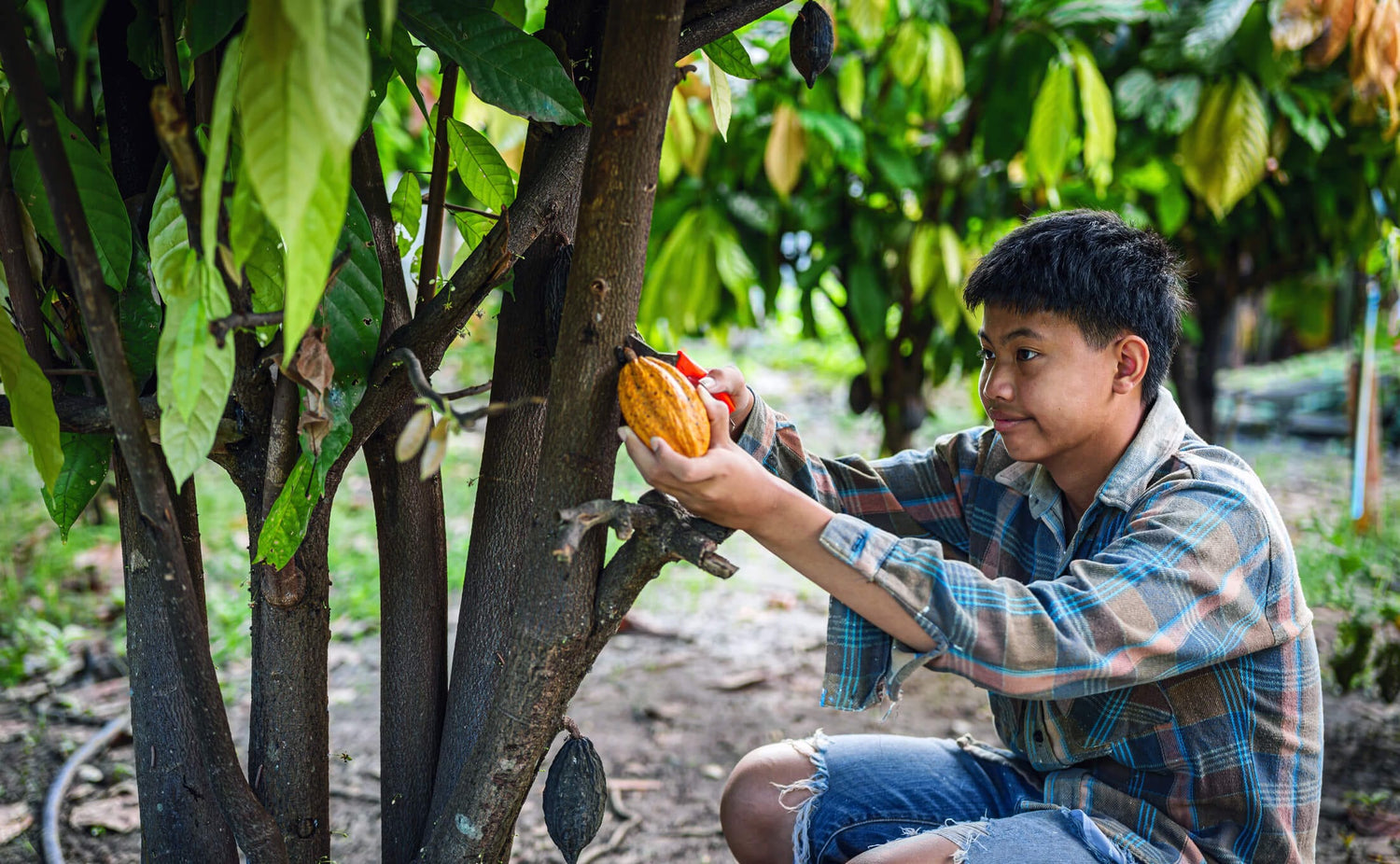
More significantly, a better price for cacao can give producers room to treat farming as a viable long-term livelihood rather than a race to produce more for less. The details vary widely by region and supplier, but the principle is clear: chocolate cannot be genuinely inexpensive if the people growing its central ingredient are consistently underpaid.
The question, then, is not whether every chocolate purchase needs to be a premium purchase. It is whether a smaller amount of chocolate made with greater care offers more value than a larger amount with little information behind it. For everyday snacking, budgets matter. For a thoughtful gift, a special dessert, or a moment of real enjoyment, the case for choosing better chocolate becomes much stronger.
Look beyond the word “ethical”
“Ethical” can mean several things, from paying above commodity prices to supporting agroforestry, improving traceability, or building direct relationships with cacao communities. A certification may be useful, but it is not the whole story. Some small producers work through cooperatives or import partners and may not use every familiar label. Others display a label while offering very little information about origin or pricing practices.
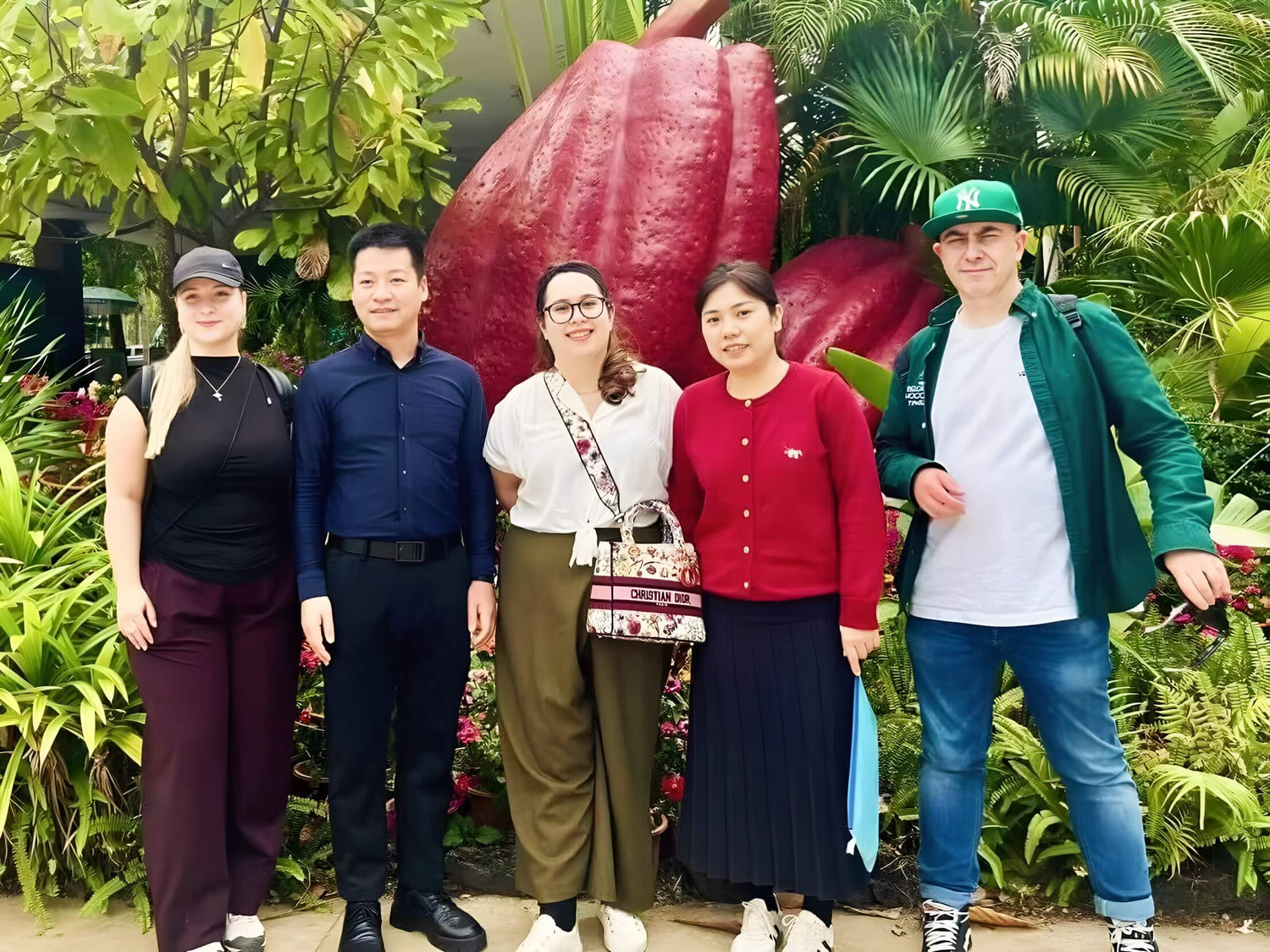
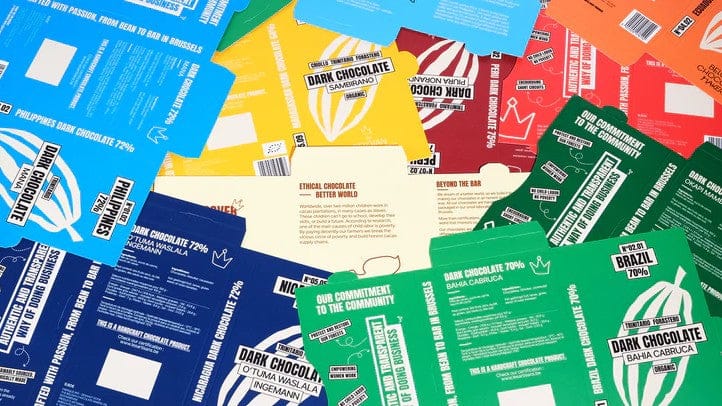
A trustworthy chocolate maker should be able to speak plainly about where its beans come from and how they are selected. Specificity is a good sign. Look for a named country, region, cooperative, or farm rather than a vague reference to “sustainable cacao.” A maker that explains its sourcing approach, even without claiming perfection, is giving you something concrete to assess.
Traceability also matters because cacao supply chains are complex. Beans commonly pass through multiple hands before reaching a factory. The more clearly a maker understands that route, the better positioned it is to make responsible choices and to maintain consistent quality.
Questions worth asking before you buy
You do not need to interrogate every bar. But when choosing a premium chocolate, a few questions can separate meaningful claims from decorative language:
- Does the maker name the cacao origin with useful detail?
- Is there a clear explanation of how the chocolate is made?
- Does the company discuss farmer relationships, sourcing partners, or quality premiums in specific terms?
- Can you identify the cacao percentage and ingredient list without searching for fine print?
- Does the product taste as carefully considered as its ethical message sounds?
These questions are especially useful when selecting a gift. A beautiful box has more presence when you can explain why the chocolate inside is exceptional.
Bean-to-bar changes the equation
Many traditional chocolatiers create excellent pralines and truffles using purchased couverture - ready-made chocolate produced by another company. There is nothing inherently wrong with that model. But bean-to-bar production offers a different level of control and accountability.
When a chocolatier receives cacao beans and handles roasting, cracking, winnowing, refining, conching, tempering, and molding in its own workshop, it can shape the flavor from the beginning. It can adjust a roast to suit a particular harvest, decide how long to refine for texture, and preserve the origin character that prompted the purchase in the first place.
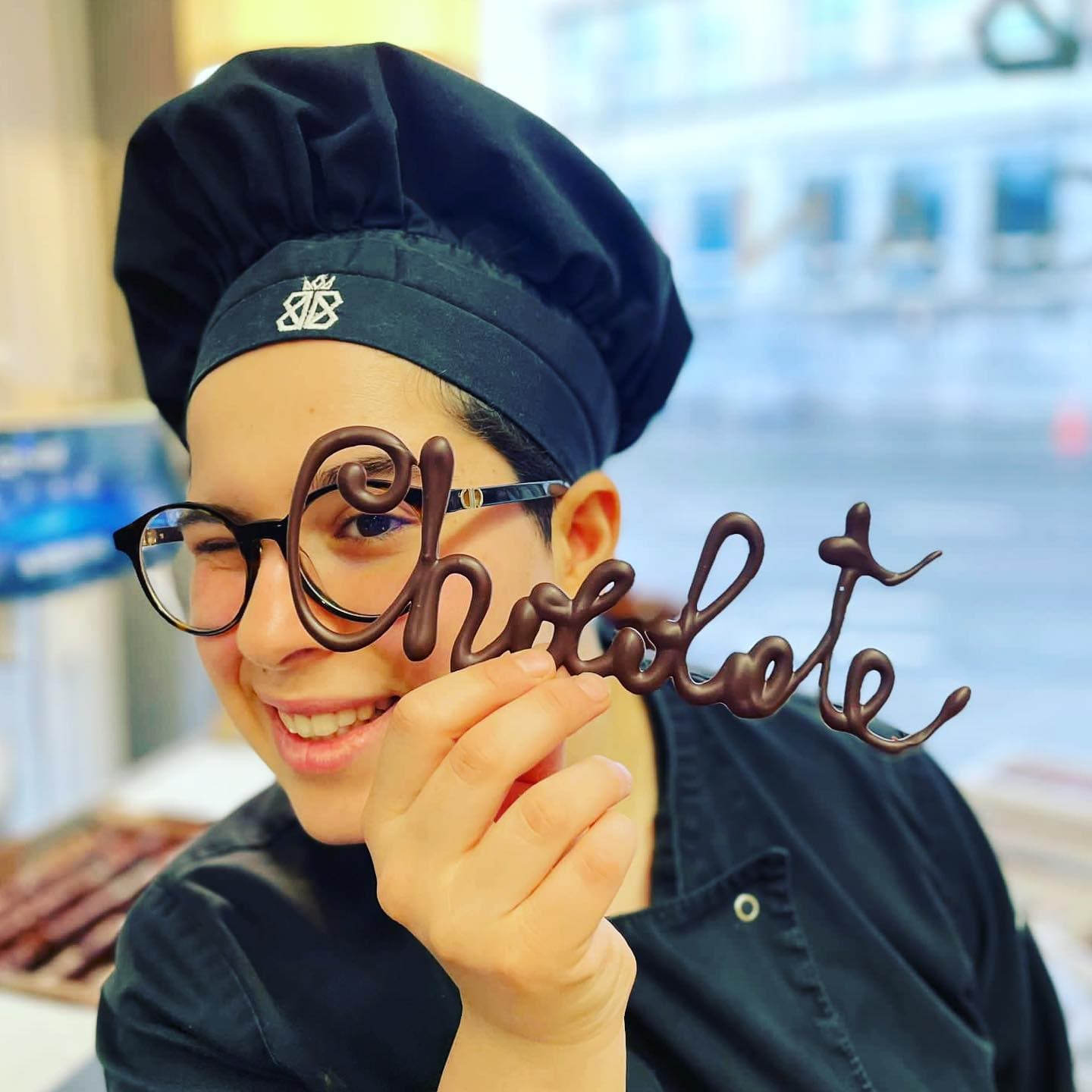
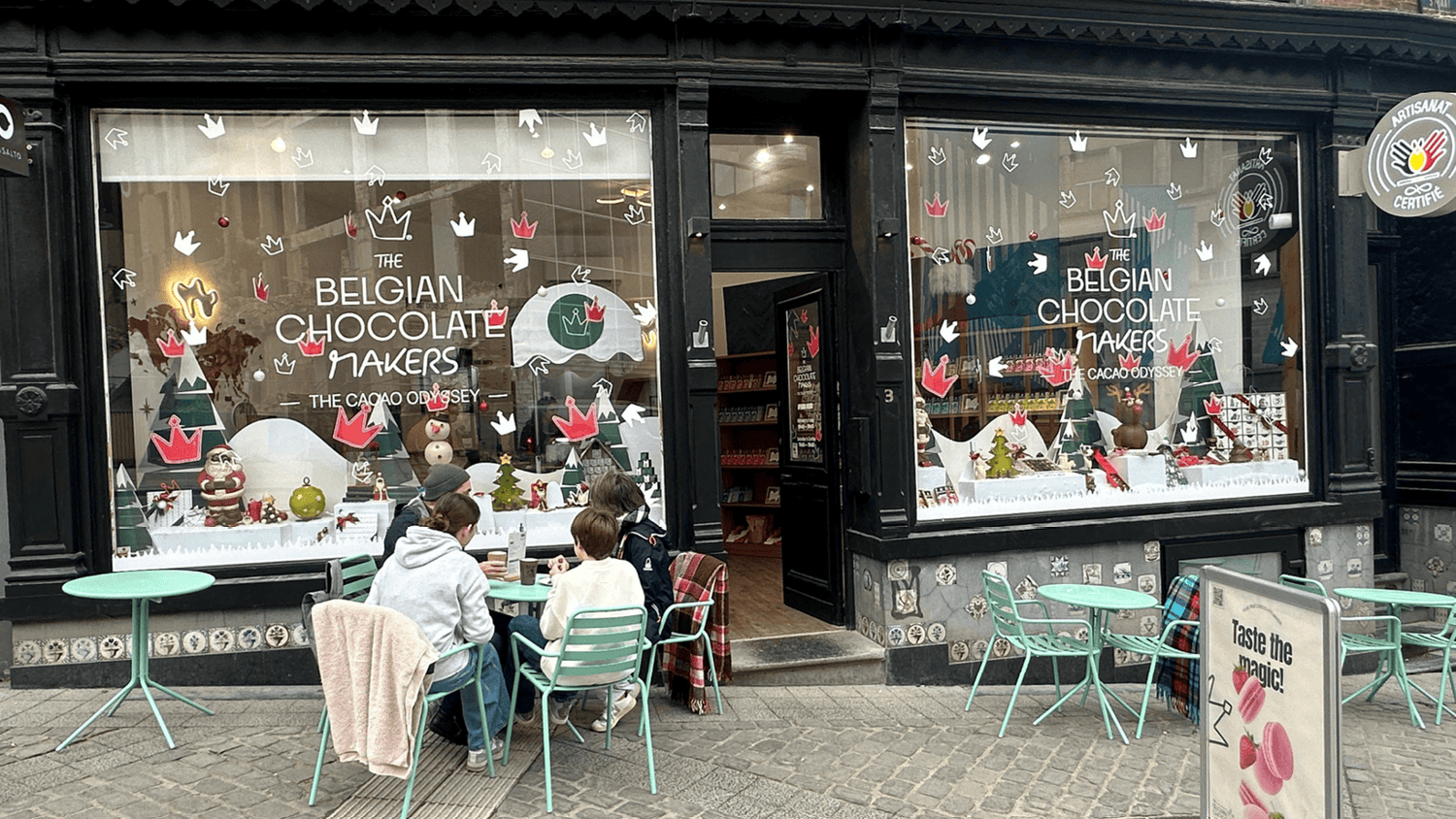
This approach also makes transparency more tangible. Rather than treating chocolate as a finished ingredient, the maker is responsible for transforming the bean. At The Belgian Chocolate Makers, that process takes place in the central Brussels workshop, where carefully sourced cacao is made into bars, pralines, truffles, and gifts with the same attention to origin and finish.
For buyers, the result is not merely a philosophical benefit. It is the chance to taste real variation between cacao origins and to enjoy confections built on chocolate with a distinct identity.
When ethical chocolate may not be worth the premium
There are honest limits to the argument. If a company relies on broad claims without naming origins or explaining its practices, a higher price alone does not prove ethical value. Premium packaging, trendy language, and a high cacao percentage can all create an impression of quality without delivering it.
It may also not be the right choice for every occasion. If you are buying ingredients for a large bake sale, a carefully sourced single-origin bar may be more expense than the recipe can justify. If you prefer very sweet milk chocolate, an intense dark bar with impeccable provenance may simply not suit your palate. Ethics should invite more considered choices, not turn pleasure into a test of purity.
The best approach is proportionate. Choose chocolate that fits your taste, your budget, and the occasion, then favor makers that are transparent about the people and places behind their cacao. Even an occasional purchase can support a market that values quality over anonymous volume.
A better kind of indulgence
Chocolate is often bought on impulse, but it is also one of the easiest luxuries to make more intentional. A well-crafted ethical bar asks you to slow down: notice the aroma before the first bite, let the texture melt, and pay attention to the flavors that emerge. That experience is richer when the cacao has been selected with respect and transformed by people who understand the craft.
For the person receiving a chocolate gift, the difference is felt in the details - a precise finish, a clear origin, a flavor that lingers, and the confidence that the pleasure did not begin with an invisible compromise. Choose the chocolate that gives you a reason to savor it, then share that reason with someone else.