A finished chocolate bar may look simple: a clean snap, a glossy surface, a few carefully chosen ingredients. Yet how chocolate bars are crafted determines nearly everything you taste, from the first bright fruit note to the lingering finish. True bean-to-bar chocolate begins long before a mold is filled. It begins with cacao, its place of origin, and a series of precise decisions made in the workshop.
For an artisan maker, the goal is not to make every bar taste identical. It is to reveal what makes each cacao distinctive while creating a texture and balance worthy of the Belgian chocolate tradition. That requires patience, technical judgment, and respect for the beans at every stage.
How Chocolate Bars Are Crafted From Cacao Beans
Origin sets the character
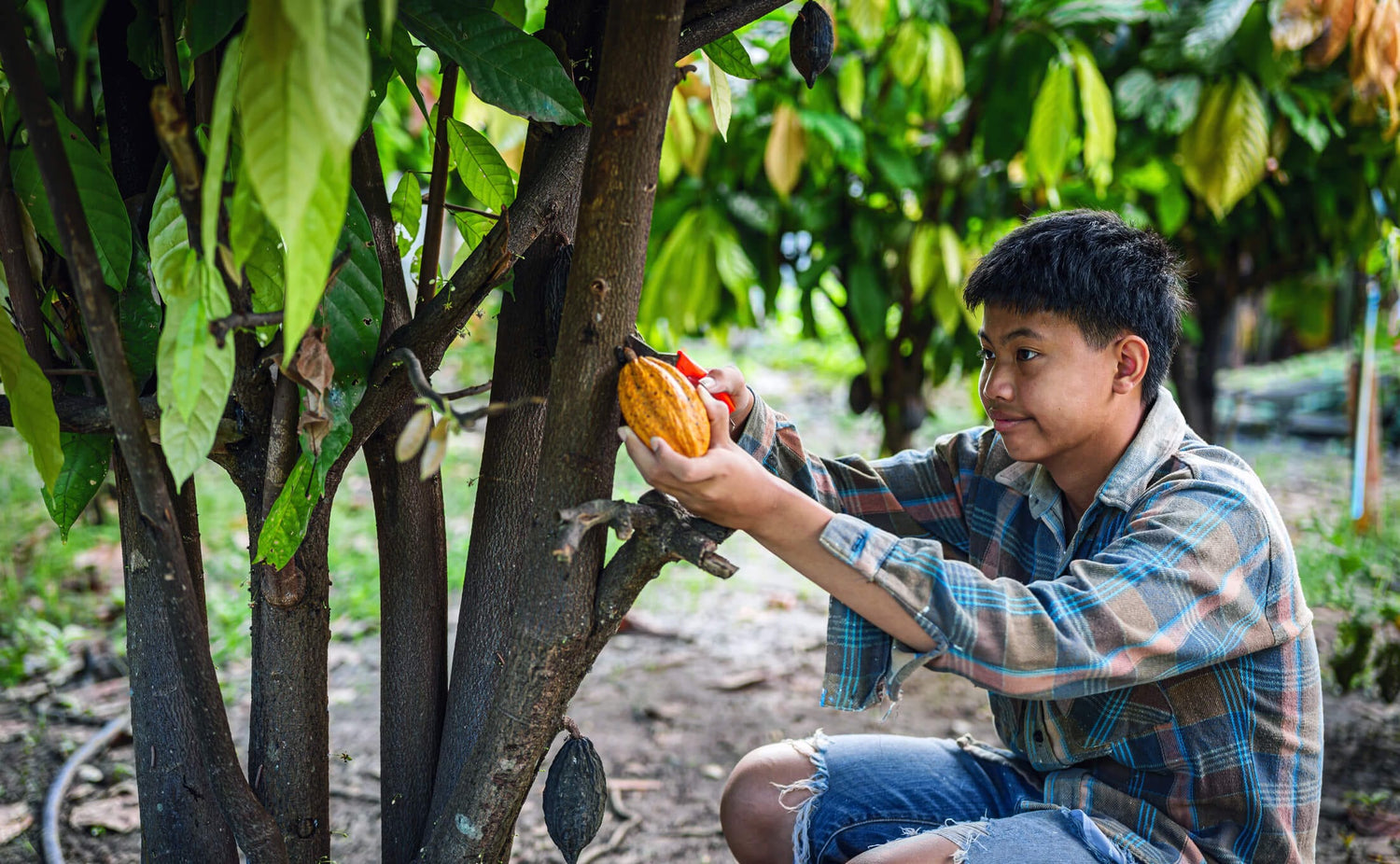
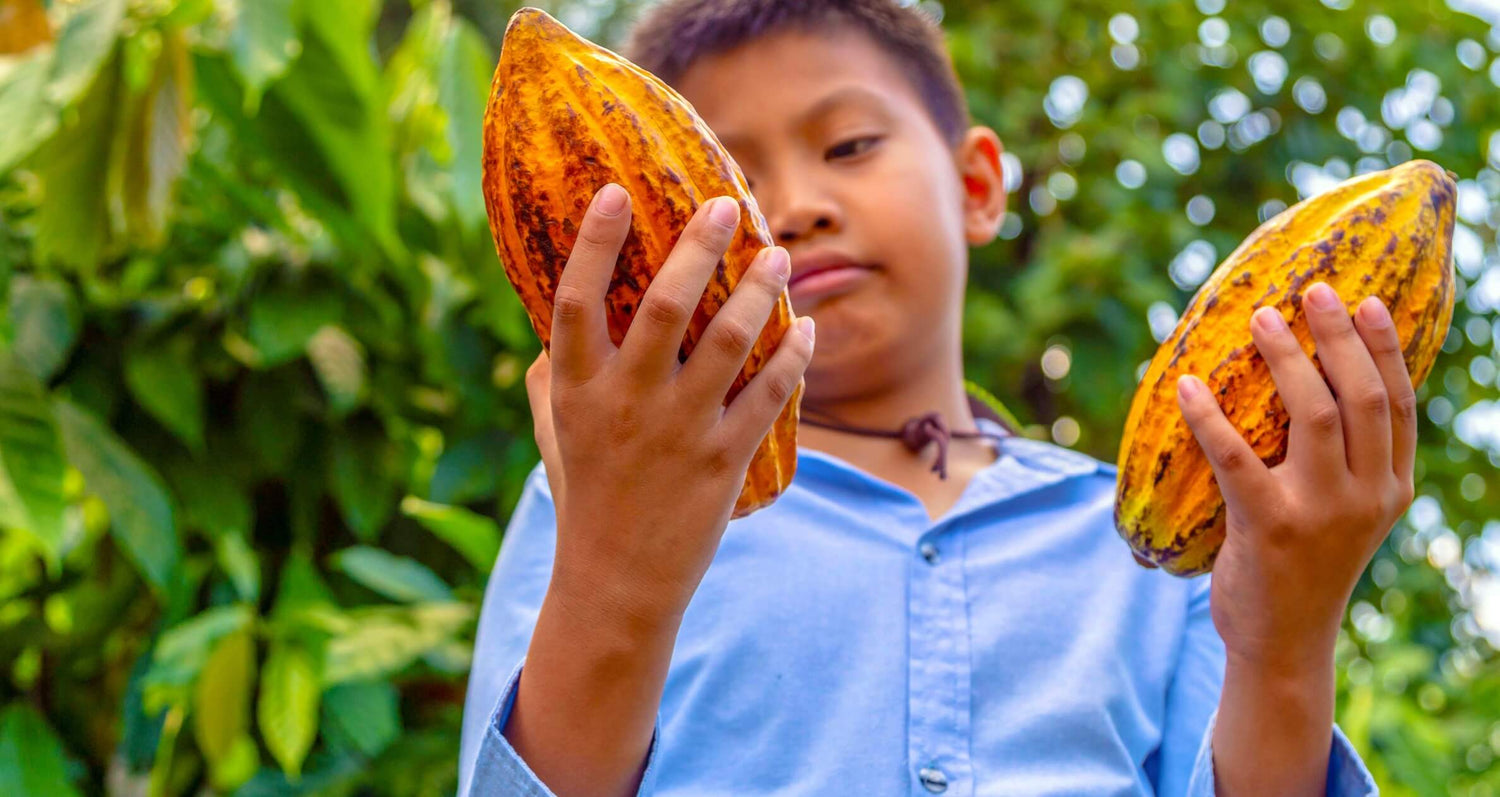
Chocolate begins with cacao beans, the fermented and dried seeds found inside cacao pods. Like coffee, wine, or olive oil, cacao carries the character of where it was grown. Soil, climate, cacao variety, fermentation practices, and drying conditions all influence the flavor in the finished chocolate.
A single-origin cacao may offer notes of red fruit, citrus, toasted nuts, caramel, or warm spice. Another may be deeper and more earthy. Neither is automatically better. The right choice depends on the kind of bar a maker intends to create and whether the bean has been handled well from harvest onward.
Responsible sourcing matters as much as flavor. Traceable cacao gives makers a clearer understanding of where their beans come from, how they were produced, and who benefits from the supply chain. It also creates accountability. A beautifully wrapped bar has greater meaning when its origin is known rather than obscured by anonymous bulk blending.
Sorting and roasting bring out potential
Once cacao arrives at the workshop, it is inspected and sorted. Beans can vary in size, moisture, and condition, and damaged or irregular pieces must be removed before roasting. This step is modest in appearance but essential. Careful chocolate cannot be built on careless selection.
Roasting is where the maker begins to shape flavor directly. Heat develops the beans' natural aromas, reduces moisture, and helps loosen the shells. Too little roasting can leave flavors raw, acidic, or underdeveloped. Too much can flatten delicate origin notes beneath a dominant burnt taste.
There is no universal roast profile. A fruity cacao may benefit from a gentler roast that preserves its liveliness, while a more robust bean can need additional heat to reveal nutty or cocoa-rich depth. Small-batch makers can adjust time and temperature for each lot rather than forcing every bean through one industrial setting.
After roasting, the beans are cracked and winnowed. This separates the light, papery shells from the cacao nibs inside. The nib is the part that becomes chocolate. Clean winnowing matters because shell fragments can introduce unwanted texture and bitterness.
Grinding turns nibs into chocolate liquor
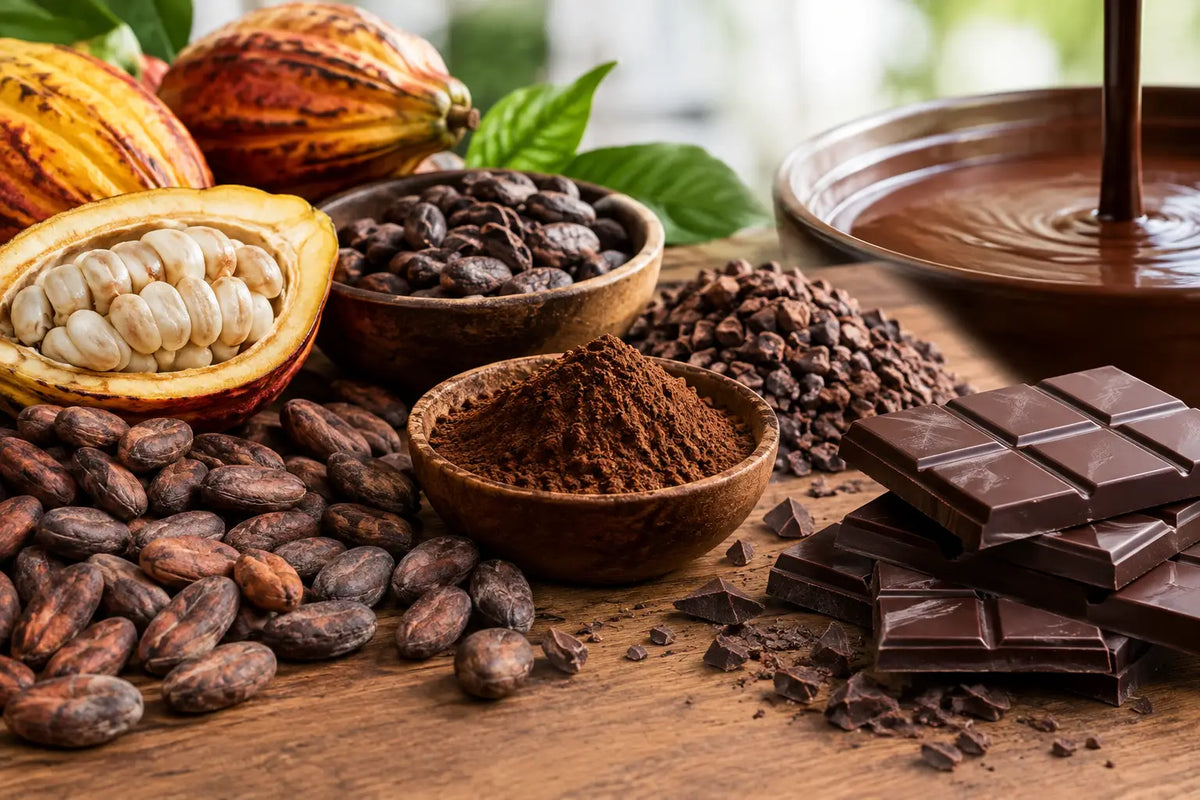
Cacao nibs contain a substantial amount of natural cocoa butter. When they are ground, friction and pressure release that fat, transforming dry pieces into a flowing paste called cocoa liquor, or cocoa mass. Despite the name, it contains no alcohol. It is simply pure ground cacao.
At this point, the maker decides what the recipe requires. A dark chocolate bar may contain cacao liquor, additional cocoa butter, and sugar. A milk chocolate also includes milk powder, while a plant-based milk-style bar may use a carefully selected alternative. Vanilla, salt, or inclusions such as nuts and fruit can have a place, but they should support the chocolate rather than conceal it.
The proportion of ingredients matters, although the cacao percentage alone does not tell the whole story. A 70% bar can be assertive and dry, silky and fruity, or surprisingly mellow depending on the bean, roast, sugar choice, cocoa butter level, and refining. Higher percentage does not automatically mean higher quality. Balance is the measure that matters most.
Refining creates the silkiness people expect
Freshly ground chocolate is flavorful but not yet smooth. Sugar crystals and cacao particles are still large enough for the tongue to detect. Refining reduces those particles to a much finer size, creating the velvety texture associated with well-made chocolate.
This stage calls for precision. If particles remain too large, the bar can feel gritty or sandy. If the process is handled poorly, the chocolate can become heavy, pasty, or lose some of its aromatic clarity. The maker watches both texture and flow, adjusting the recipe when needed.
Cocoa butter plays an important role here. Beyond contributing richness, it helps the chocolate move properly through equipment and melt elegantly on the palate. It is one reason a fine bar can feel fluid and luxurious rather than waxy. Replacing cocoa butter with cheaper vegetable fats may reduce cost, but it changes the melt, flavor release, and character of the finished chocolate.
Conching rounds out flavor and texture
After refining, chocolate is conched. During conching, the chocolate is mixed, aerated, and gently worked over time. This encourages moisture and sharp volatile acids to dissipate while allowing the fat to coat the fine particles more evenly.
Conching can soften rough edges and bring a bar into harmony. A young chocolate may seem abrupt, with pronounced acidity or bitterness. Given the right conditions and enough time, it becomes more integrated: bright flavors may remain, but they feel cleaner and more balanced.
Longer is not always better. Excessive conching can mute the very origin character that made a cacao compelling. The craft lies in knowing when the chocolate has reached its best expression. This is one of the clearest distinctions between thoughtful small-batch production and a process designed solely for speed and uniformity.
Tempering Gives a Chocolate Bar Its Snap
Before chocolate can become a bar, it must be tempered. Cocoa butter can crystallize in several different forms, but only one of them produces the qualities people expect from fine chocolate: gloss, firmness, a clean snap, and stable melting behavior.
Tempering carefully heats, cools, and reheats the chocolate to encourage the desired crystal structure. It is a technical process, but its results are easy to recognize. Properly tempered chocolate releases neatly from its mold, has a polished surface, and breaks with a satisfying sound. Poorly tempered chocolate may look dull, soften too quickly, or develop pale streaks known as bloom.
Bloom is not necessarily a safety concern, but it is a sign that the chocolate's fat or sugar structure has changed. Temperature swings and humidity are common causes. Fine chocolate is best stored in a cool, dry place away from direct sunlight and strong odors, not in a warm kitchen or beside aromatic foods.
Molding and finishing preserve the maker's intent
Tempered chocolate is deposited into molds, gently vibrated to remove air bubbles, and allowed to set. This is also when inclusions may be added: roasted almonds, crisped grains, candied peel, sea salt, or other ingredients chosen for their flavor and texture.
The best inclusions create contrast without overwhelming the chocolate itself. A single-origin dark bar with a restrained touch of salt may highlight its natural fruit notes. A milk chocolate with roasted hazelnuts can bring warmth and crunch. It depends on the recipe and the experience the maker wants to create.
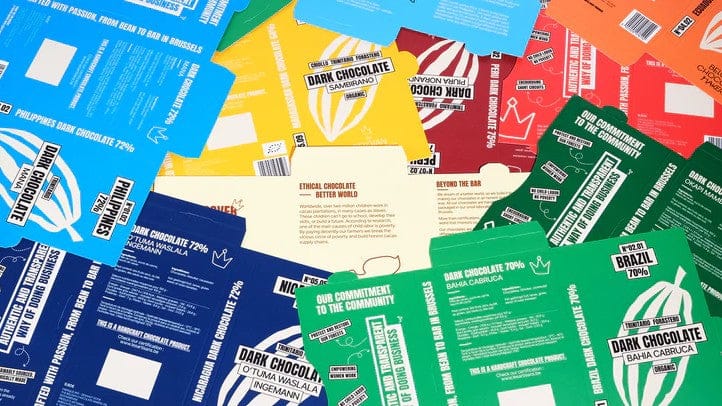
Once set, each bar is unmolded, checked, wrapped, and presented. Packaging protects the chocolate from light, odor, and temperature changes, but it also tells part of the story. Clear information about cacao origin, ingredients, and production gives buyers the confidence to choose chocolate with intention.
At The Belgian Chocolate Makers, crafting chocolate in-house means these decisions remain connected, from the selected bean to the finished bar. That continuity is what makes bean-to-bar chocolate more than a label. It is a commitment to knowing the material, guiding the process, and standing behind the result.
The next time you break off a square, take a moment before letting it melt. Notice its shine, listen for the snap, and let the flavor unfold slowly. A good chocolate bar is not merely sweet - it is the careful record of a bean, a place, and a maker's patience.