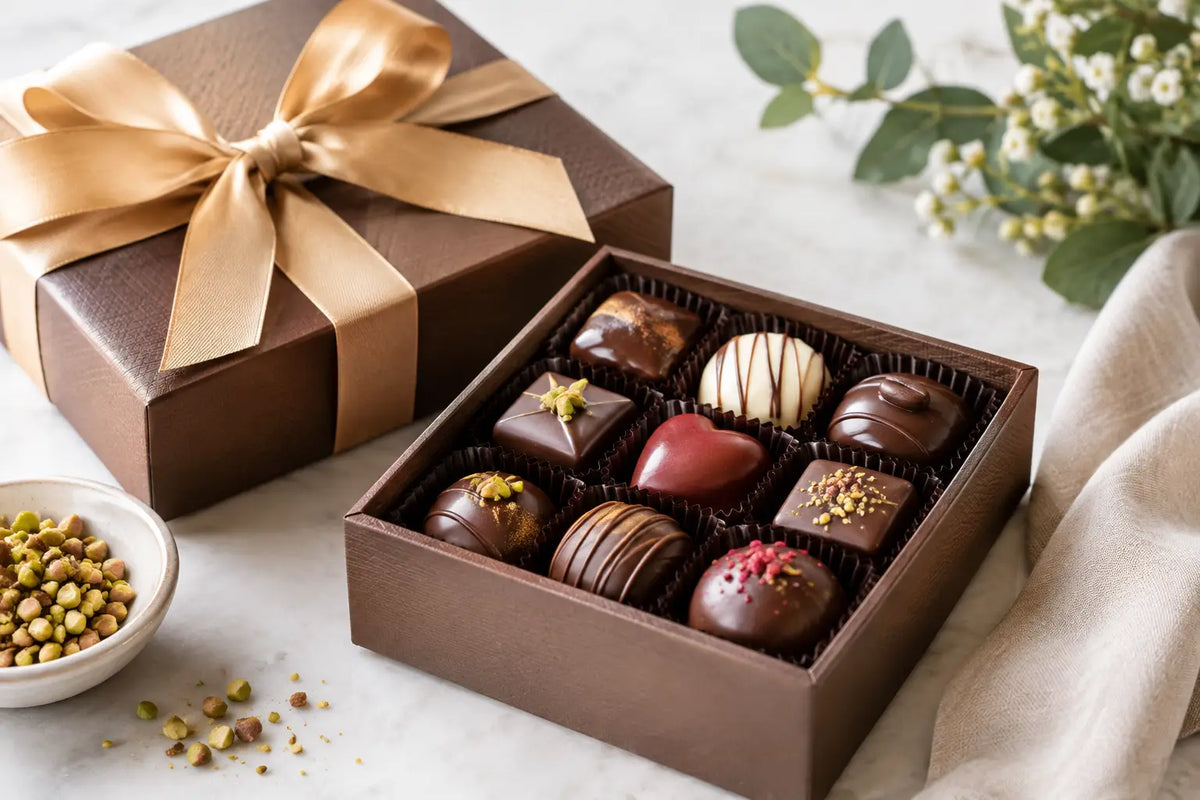
A praline gift should feel considered before the first box is opened. This artisan praline gift guide is for choosing chocolate with a clear sense of who made it, where its cacao comes from, and why the selection suits the person receiving it. The difference is felt in the details: a crisp shell, a balanced filling, a finish that respects the character of the chocolate rather than covering it up.
For a birthday, host gift, thank-you, or professional occasion, pralines offer a rare balance of elegance and immediacy. They are celebratory without being excessive, personal without asking the recipient to know anything about chocolate beforehand. The best choice is not necessarily the largest box. It is the one whose flavors, craftsmanship, and presentation make the gesture feel genuine.
Start With How the Chocolate Is Made
Not all premium-looking pralines begin with the same standard of chocolate. Many are made with purchased industrial couverture, then distinguished through fillings and decoration. That can produce enjoyable confectionery, but bean-to-bar pralines offer a more complete expression of craft. The maker selects cacao, roasts it, refines it, and creates the chocolate in-house before shaping the finished praline.
That control matters because the shell is not merely a container for ganache, caramel, or nut paste. It contributes its own flavor: bright fruit notes from one origin, deeper roasted notes from another, or the measured bitterness of a well-made dark chocolate. When the shell and filling are designed together, the praline tastes composed rather than simply sweet.
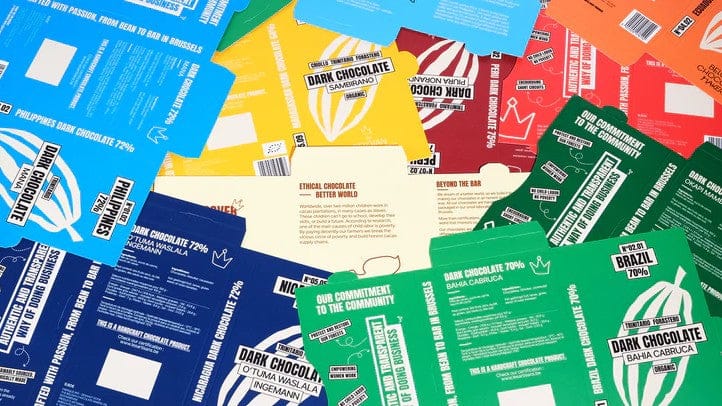
For ethically minded recipients, production method also gives the gift more substance. Look for clear information about cacao origin and sourcing practices, rather than broad claims that leave the actual ingredients and makers invisible. Traceability does not guarantee that every chocolate will match every palate, but it signals respect for the people and agricultural work behind the cacao.
Match the Praline Selection to the Occasion
The occasion sets the scale and style of the gift. A small, beautifully finished assortment can be exactly right for a dinner invitation, while a broader collection has more presence for a milestone celebration or a shared office gift.
For a host or dinner invitation
Choose a refined assortment with flavors that invite conversation: a dark chocolate ganache, a hazelnut praline, a fruit-accented filling, or a subtle spice. A mixed box works well because it can be passed around after dinner. Avoid choosing only highly unusual flavors unless you know the host enjoys experimentation. The goal is generosity, not a tasting challenge.
For birthdays and personal celebrations
Personal gifts benefit from a little specificity. A recipient who enjoys espresso may appreciate dark chocolate paired with coffee notes. Someone drawn to classic European pastry flavors may prefer roasted nuts, caramel, vanilla, or marzipan. If you are uncertain, a balanced assortment of milk and dark chocolates is safer than an all-dark box, even for an adult recipient.
For professional and client gifts
In business settings, presentation and consistency carry particular weight. Select a polished format with an assortment broad enough to share and flavors that remain approachable. A box centered on careful bean-to-bar production adds a thoughtful point of distinction without requiring a lengthy explanation. It communicates quality, attention, and good judgment.
For holidays and long-distance gifting
Seasonal collections can make a gift feel timely, especially when the packaging is designed for the occasion rather than simply decorated for it. For shipping or travel, favor pralines with stable fillings and protective presentation. Delicate fresh creams may be exceptional, but they can be less practical where transit time or warm weather is a concern.
Use Flavor Families, Not Just Labels
A praline assortment often looks varied because each piece has a different shape or finish. The more useful question is whether it offers real variation in flavor and texture. A well-curated box moves between profiles: creamy, roasted, fruity, intense, crisp, and soft.
Classic nut pralines are broadly loved for good reason. Hazelnut, almond, and pistachio bring warmth and texture, especially when paired with milk chocolate or a dark shell that tempers their richness. They are a dependable choice for recipients who enjoy pastry, coffee, or traditional confectionery.
Ganache-forward selections offer a more direct encounter with chocolate. A dark ganache can show cocoa depth and origin character, while a milk chocolate ganache may lean toward caramel and dairy notes. These pieces suit recipients who describe themselves as chocolate lovers rather than candy lovers.
Fruit, citrus, and spice add lift. Raspberry, passion fruit, orange, ginger, and warming spices can keep an assortment from becoming overly rich. They are best used as accents, however. A box made entirely of assertive flavors may impress a seasoned taster but can leave a general gift recipient with fewer easy favorites.
Texture is equally important. A crisp feuilletine layer, a whole roasted nut, or a smooth flowing caramel can create contrast, but fillings should not overwhelm the chocolate itself. Great pralines have a clear center and a clean finish. They do not leave the palate coated in sweetness.
Dark, Milk, or a Mixed Box?
This decision depends on the recipient more than on any hierarchy of quality. Dark chocolate is often associated with sophistication, but a finely made milk chocolate can be just as expressive, especially when it carries notes of biscuit, caramel, or toasted nuts.
Choose a dark-focused box for someone who prefers coffee, wine, less sweet desserts, or single-origin chocolate bars. Look for a range of cacao intensities rather than assuming the highest percentage is automatically best. Excessively bitter chocolate can flatten delicate fillings, while a balanced dark shell gives them definition.
Choose milk chocolate for a recipient who enjoys creamy desserts, caramel, or classic pralines. It is also a strong choice for family gifts and shared occasions. A mixed selection is the most gracious option when you do not know everyone’s preferences, provided the box includes genuine variety rather than several versions of the same sweetness level.
White chocolate has a place when used with restraint. Its cocoa butter richness can frame tart fruit, floral flavors, or mild spices beautifully. It is rarely the best foundation for an entire gift box, but one or two well-made white chocolate pralines can make an assortment more complete.
Why Origin Belongs in a Praline Gift
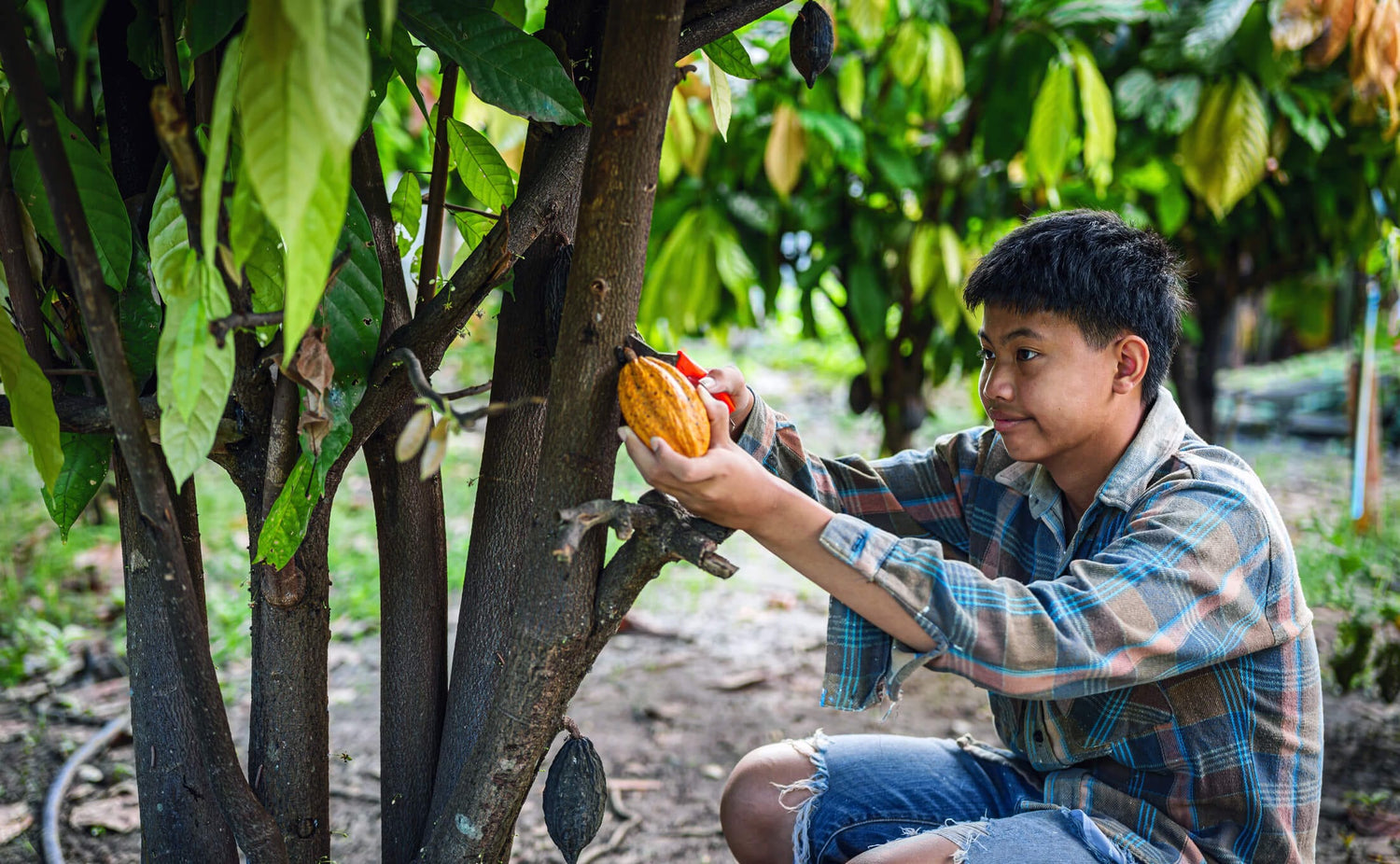
Cacao origin is sometimes treated as a technical detail for specialists. In fact, it can make a gift more memorable for anyone. Different origins can bring recognizable tendencies: red-fruit brightness, gentle nuttiness, warm spice, or deeper cocoa notes. These are not fixed rules, because fermentation and roasting influence the final chocolate, but they give a praline maker a meaningful palette.
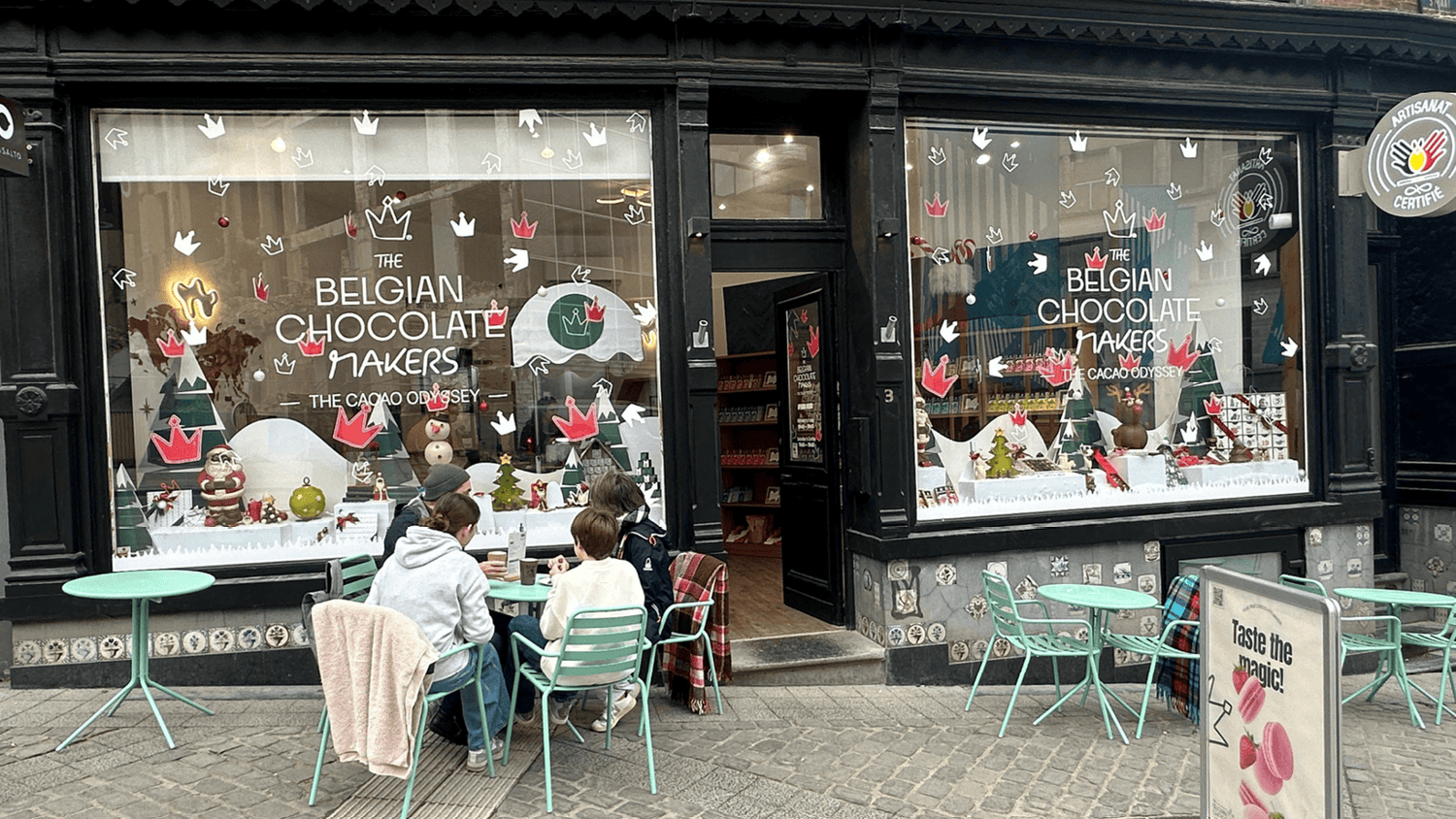
Origin information also turns a beautiful box into a story. A recipient may not remember the name of every filling, but they may remember that the chocolate was made from carefully sourced beans and crafted in a Brussels workshop rather than assembled from anonymous couverture. At The Belgian Chocolate Makers, that bean-to-bar approach informs both the chocolate itself and the final gift experience.
The most credible origin storytelling is specific and modest. It explains what can be known about the cacao and the making process without promising that a single farm name automatically makes chocolate better. Taste, technique, and freshness still decide whether the praline earns its place in the box.
Presentation Should Protect the Chocolate
Premium packaging should do more than look impressive. It should protect the pralines from crushing, excess light, and unnecessary handling. A well-designed box keeps pieces separated, identifies flavors clearly when possible, and feels appropriate to the value of the gift.
There is a trade-off between elaborate packaging and practical elegance. Oversized boxes can make a modest assortment feel less generous once opened, while overly minimal packaging may not suit a formal gift. Seek proportion: enough structure to make the presentation feel special, without distracting from the chocolate.
If you are sending the gift directly, include a short personal message. A simple note such as “For a well-earned celebration” or “A small taste of Belgian craftsmanship” gives the recipient context and warmth. The chocolate remains the centerpiece, but the message makes the moment unmistakably yours.
A Few Details Worth Checking Before You Give
Freshness matters more than people expect. Buy from a maker with clear handling standards, and encourage the recipient to enjoy the pralines within the recommended period. Store them in a cool, dry place away from sunlight and strong odors. The refrigerator is usually a last resort, as condensation can affect both appearance and texture.
Allergens deserve equal care. Nut-based pralines are central to many traditional assortments, and shared production environments may matter for people with serious allergies. Check ingredient information rather than relying on flavor names or appearances. For dietary preferences, be realistic: a beautifully made dark chocolate selection may be suitable for some recipients, but fillings can introduce dairy, gluten, alcohol, or other ingredients.
Finally, consider quantity honestly. A smaller box of exceptional pralines often feels more luxurious than an oversized assortment with little distinction. For one or two people, a focused selection encourages attention to each piece. For a group, choose enough variety that everyone can find a flavor that feels chosen for them.
The most memorable praline gifts do not ask the recipient to be an expert. They simply offer a delicious, well-made moment, with enough care behind it to be felt in every bite.