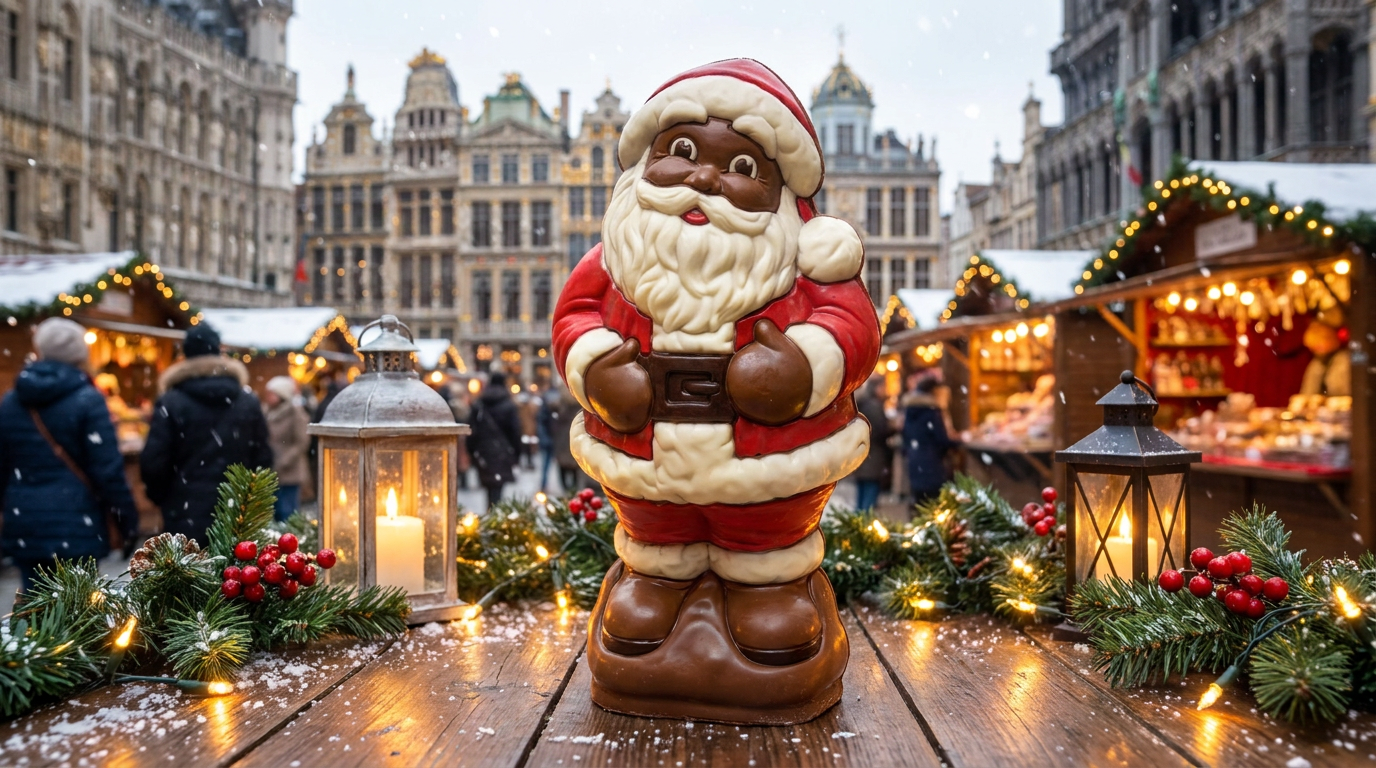
The holiday season calls for treats that feel like a celebration in every bite. If you’re searching for a chocolate gift that blends artistry with exceptional flavor, a handcrafted Belgian milk chocolate Santa Claus is hard to beat. Made in Brussels by The Belgian Chocolate Makers, this Santa comes in a two-piece set; a huge 3 kgs Santa and a smaller 200 grs piece for gifting or sharing. The chocolate is crafted with cocoa beans sourced from Haiti, adding a unique origin story to a classic holiday symbol. It’s not just a sweet treat; it’s a festive centerpiece that invites family and friends to gather, taste, and reminisce about the magic of Christmas.
Before diving into the Santa’s story, it helps to understand the broader world of chocolate naming and flavor profiles. You’ll often see terms like milk chocolate, dark chocolate, semi-sweet, bittersweet, and white chocolate used in product descriptions. Each name hints at the balance of cacao, sugar, and dairy that defines the finished bite. In this article, we’ll explore how milk chocolate fits into holiday traditions, why Belgian chocolate stands out, and how a Santa figurine can become a memorable gift during the merry season.
Milk chocolate is the most approachable of the trio of dark, milk, and white chocolates. Its smooth, creamy character comes from a higher proportion of dairy ingredients and cocoa butter, which soften the bite and give a pleasant melt. The Santa Claus set from The Belgian Chocolate Makers is a perfect example of that approach: a silky texture, gentle sweetness, and a lingering, comforting chocolate aroma that pairs beautifully with holiday flavors like almond, vanilla, and caramel. The addition of Haitian cocoa beans introduces a nuanced flavor backbone; notes that can include warmth, fruitiness, and a subtle earthiness that makes the chocolate feel premium and refined, rather than simply sweet.
Understanding the core chocolate names you’ll hear
When you shop for chocolate, you’ll encounter several naming conventions. Different types of chocolate names help shoppers compare characteristics quickly. Milk chocolate, as described above, emphasizes dairy to create a round, creamy profile. Dark chocolate typically features a higher cacao content and less sweetness. Semi-sweet and bittersweet are common baking terms that sit between milk and dark chocolate in terms of sugar and intensity. White chocolate, which contains cocoa butter but no cocoa solids, offers a totally different flavor and texture profile. All of these names tell you what to expect from a product’s taste and how it will behave in recipes or on the palate during a tasting session.
The Santa Claus set leans into the milk category, but its Belgian heritage signals a devotion to quality. Belgian chocolate is renowned for its smooth texture, refined flavor, and meticulous craftsmanship; a combination that makes holiday gifting feel especially thoughtful.
Milk chocolate ingredients and what they mean for flavor
Milk chocolate almost always blends cocoa mass, sugar, cocoa butter, and milk powder or condensed milk. Vanilla or soy lecithin as an emulsifier is common too, helping the mix stay smooth and easy to work with. The result is a creamy mouthfeel paired with a gentle sweetness that appeals to a wide audience. The Santa Claus set follows this template but elevates it with a premium source of cacao (Haiti) and a masterful Belgian technique. The combination produces a clean cocoa flavor with soft dairy notes and a subtle background aroma that makes the holiday moment feel special.
Bittersweet substitute ideas for bakers and decorators
If you’re planning to bake or decorate with chocolate and you normally reach for bittersweet or dark chocolate, you can adapt your plan with milk chocolate like this Santa set. A common substitution approach is to swap bittersweet with milk chocolate to soften the overall sweetness and create a creamier finish. For those following baking or culinary timelines, you can also blend a small amount of milk chocolate with a darker chocolate to achieve a balanced, mid-range intensity. In festive treats and table garnishes, this milk chocolate option can reduce the risk of overpowering sweetness while maintaining a rich, chocolate-forward profile that pairs well with nuts, dried fruits, or spice blends used during the holidays.
Milk chocolate bars and why a figurine can be a better gift choice
While many people reach for a milk chocolate bar for a quick treat, a holiday figurine like the Santa Claus offers a different kind of gift experience. It’s a decorative piece that doubles as a dessert centerpiece and a conversation cue at gatherings. The two-piece set makes it easy to share the festive moment: the larger Santa can be portioned among guests or kept as a family keepsake, while the smaller 200grs piece can be given to a close friend or kept as a personal gift. The combination turns chocolate into an event, not just a snack, which is exactly what many holiday hosts are seeking.
Semi-sweet vs milk chocolate: how they compare for holiday baking and gifting
Semi-sweet chocolate sits between milk and dark in terms of intensity and sugar. It often contains more cacao and less sugar than milk chocolate, producing a more pronounced cocoa flavor with a crisp finish. For holiday baking, semi-sweet can be used in cookies and ganaches where you want a stronger chocolate presence but still need a touch of sweetness. Milk chocolate, like the Santa Claus set, emphasizes creaminess and mellowness, making it ideal for gift-giving and family-friendly desserts. When you’re decorating gingerbread houses, decorating cookies at a party, or preparing a simple holiday dessert, choosing between semi-sweet and milk chocolate comes down to whether you want a bold chocolate character or a smooth, comforting finish.
The Santa Claus set brings both worlds into a single, delightful package: the creamy sweetness and approachable flavor of milk chocolate, plus a premium Belgian crafting technique and Haitian cacao beans that give it depth and character. It’s a gift that looks as festive as it tastes, perfect for Christmas celebrations or as a centerpiece on a holiday table.
As you plan your gifts or holiday treats, remember that the best chocolate is not just about flavor; it’s about the story, the craft, and the way it makes people feel connected. With a handcrafted Santa from The Belgian Chocolate Makers, you’re gifting more than chocolate; you’re sharing a moment of Belgian artistry with the warm spirit of the holiday season.
When you’re choosing a dessert to cap a holiday feast, consider how the Santa Claus set can fit with your menu. It complements a cup of hot cocoa, a pot of mocha coffee, or a festive cheese board with spiced nuts. The two-piece format also gives you flexibility: you can present the big Santa as the main gift and tuck the small piece into a stocking or a secret Santa moment. If you’re hosting carolers or family visitors, placing a Santa centerpiece on a dessert table offers a visual cue that invites guests to share a bite and a smile.
Care and serving tips for decorative chocolate gifts
To preserve the shine and texture of these Belgian chocolates, store them in a cool, dry place away from direct sunlight. If the room warms up, allow the chocolate to return to room temperature before unwrapping to avoid condensation. This helps maintain the delicate snap and mouthfeel that define high-quality milk chocolate. When you’re ready to serve, cut the larger Santa into generous, even pieces for sharing. The 200grs partner can be served as a smaller tasting portion or included in a thoughtful gift presentation alongside a handwritten note.
In short, milk chocolate Santa Claus is more than a seasonal treat; it’s a crafted Belgian experience with a Haitian cacao backbone, designed to add elegance to your celebrations and joy to your guests. It’s a versatile gift that fits both formal gatherings and casual family moments, embodying the spirit of “Merry Christmas” in edible form.