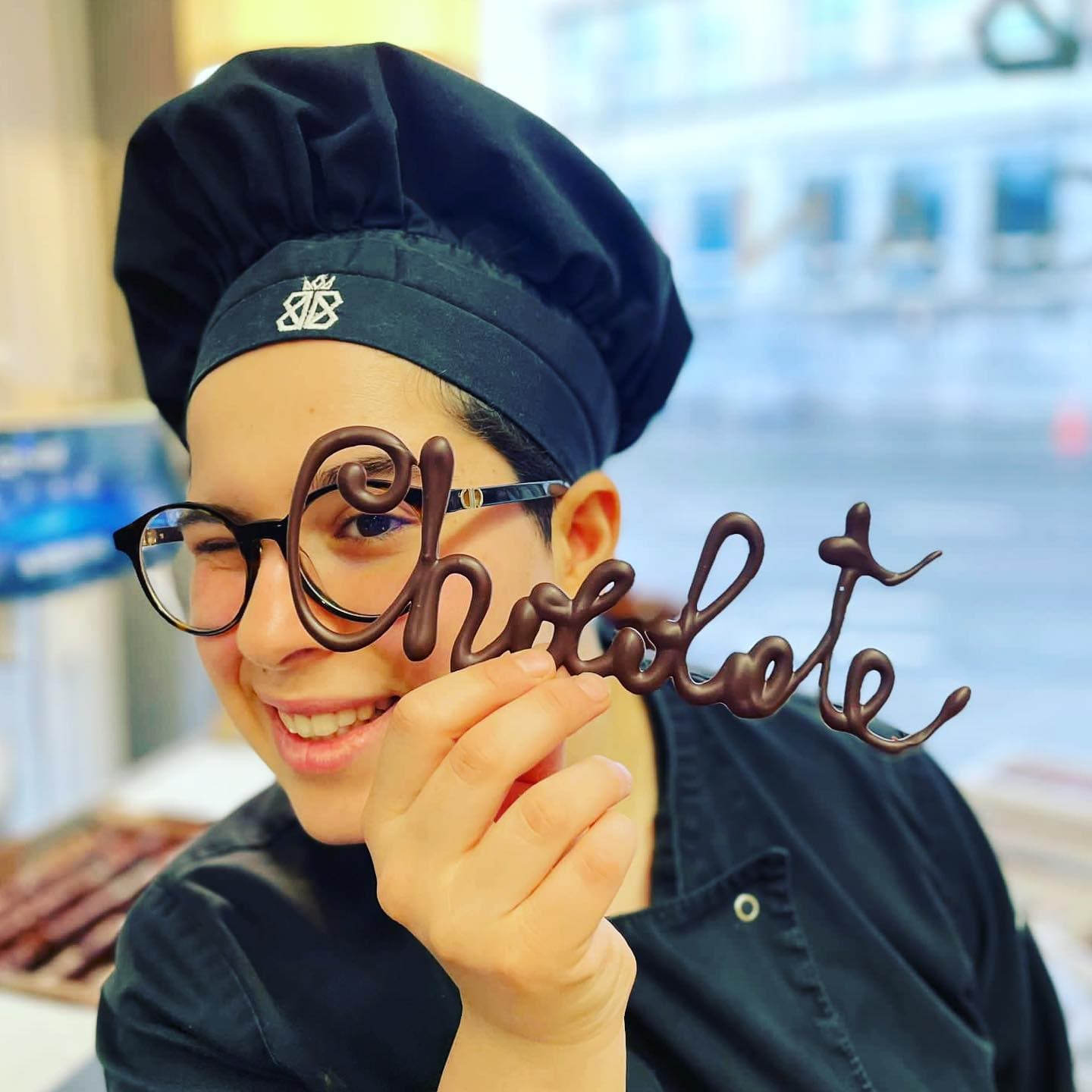
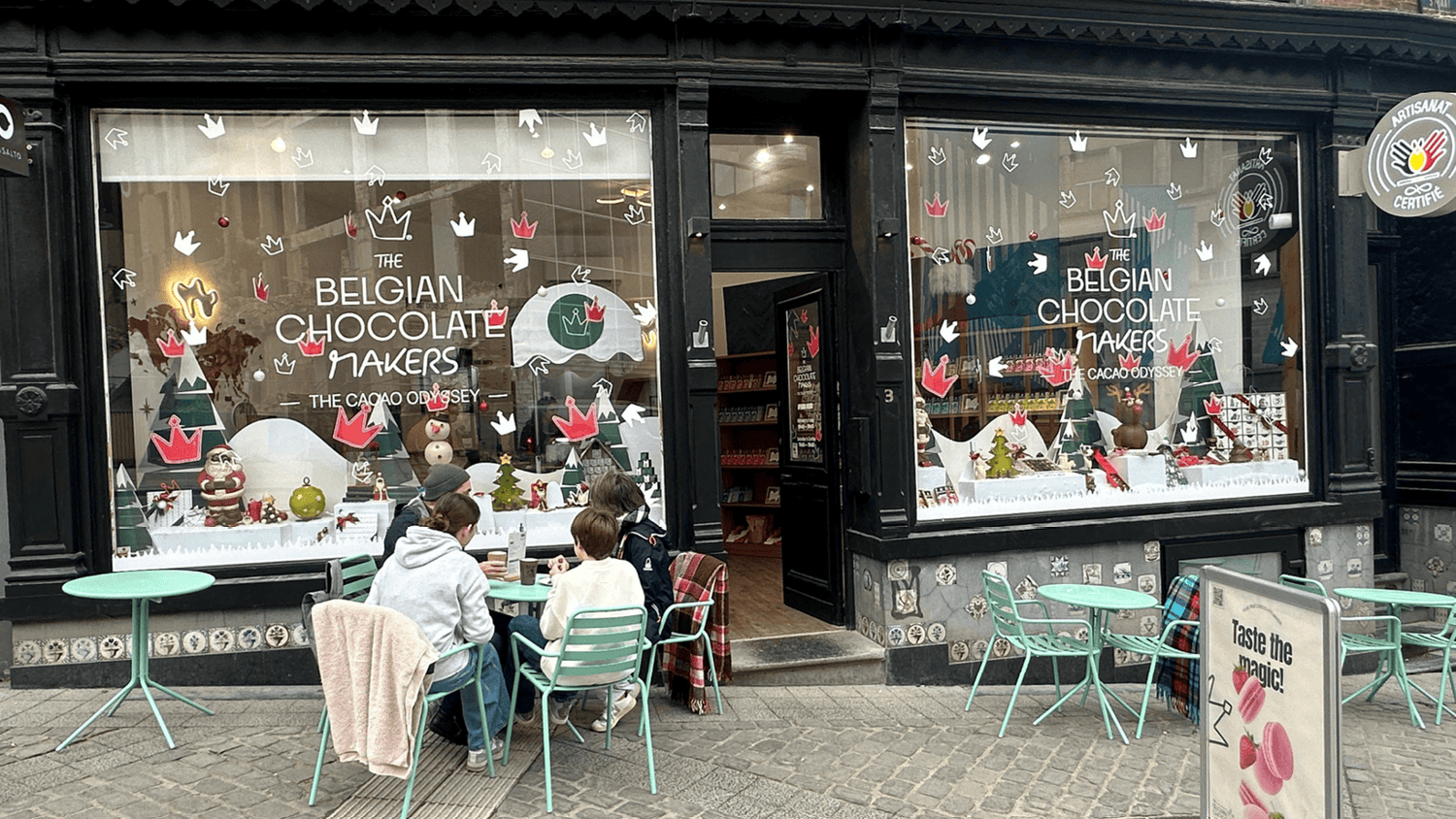
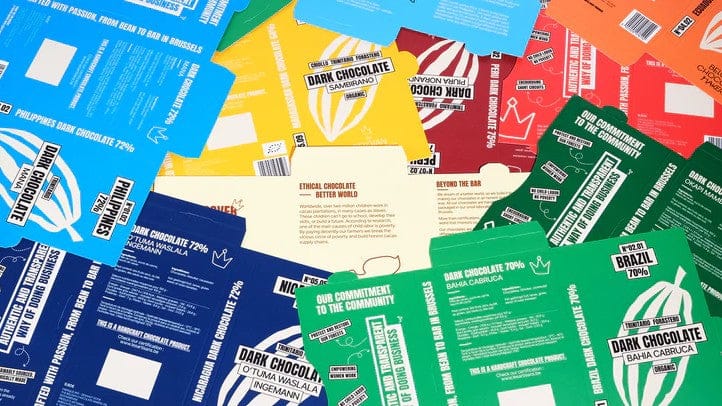
As the festive season approaches, chocolate becomes more than a snack, it becomes a memory in the making. The Saint Nicholas caraques in milk chocolate are a refined example of Belgian craftsmanship: two 35-gram disks, handcrafted in Belgium, shaped into festive figurines that recall holiday traditions. The milk chocolate Saint Nicholas caraques 2x35g from The Belgian Chocolate Makers blend artisanal quality with rich flavor in a format that is ideal for gifting or sharing. Beyond their pretty exterior, these disks are a reminder that good chocolate starts with people: farmers, makers, and tasters who care about the cacao's journey from pod to bar.
Saint Nicholas is a figure tied to generosity and surprise, especially in parts of Europe that celebrate Sinterklaas or St. Nicholas Day. When chocolate makers design figurine-inspired caraques, they combine a respectful nod to tradition with modern techniques that highlight the creamy sweetness of milk chocolate. The result is not just a treat, but a small ritual: unwrapping, admiring the shape, then slowly letting the chocolate melt on the tongue to reveal layers of cocoa and dairy delight.
Understanding chocolate names: what they really mean
When you shop for chocolate, you’ll hear a variety of names. White chocolate, milk chocolate, and dark chocolate are the main families, each defined by its cocoa solids and additional ingredients. Within the dark family, you’ll often hear semi-sweet or bittersweet indicating different cacao percentages and sweetness levels. Semi-sweet typically sits in the middle range, while bittersweet tends to push toward higher cacao content with less sugar, delivering a more pronounced cocoa flavor. Milk chocolate, by contrast, adds dairy to the mix for a creamier, smoother sweetness that many people reach for on festive dates. It’s a versatile base that can be bright with citrus, mellow with toffee, or aromatic with vanilla and spices.
In practice, the vocabulary helps you choose mood and pairing. A dark, semi-sweet bar might stand up to a robust red wine, while a milk chocolate cake or bonbon often shines with a glass of dessert wine or a strong coffee. For holiday gifting, the choice is often guided by the recipient’s palate and the moment you want to create, the intimate bite, the shareable plate, or the elegant gift that feels special from the moment it’s unwrapped.
What goes into milk chocolate? Ingredients explained
Milk chocolate is built from a few core ingredients: cocoa mass or cocoa solids, sugar, milk powder or condensed milk, plus a touch of fat. An emulsifier like soy lecithin helps the texture stay silky, while vanilla adds a warm nuance. The dairy content is what gives it that signature creamy mouthfeel; in Belgium, skilled tempering and careful roasting bring out a smooth gloss and a clean snap. The milk chocolate Saint Nicholas caraques from The Belgian Chocolate Makers use high-quality cocoa and refined dairy notes to create a balanced sweetness that doesn’t overwhelm the cocoa flavor. You may notice a delicate aroma of vanilla and a gentle, lingering cocoa finish that makes each bite memorable.
Quality chocolate starts with the beans. Beans from well-managed farms, proper fermentation, and careful conching all contribute to depth and aroma. When you see a product labeled milk chocolate from a respected maker, you’re reading a promise of consistency: consistent texture, reliable melt, and a pleasant balance of cocoa and dairy. The result is a creamy, smooth texture that’s still crisp when you break a piece, which is part of what makes ceremonial or festive shapes so appealing during the holidays.
From bittersweet to milk: when to substitute
If your palate leans toward bittersweet or a darker chocolate, switching to milk chocolate can feel like a gentler path. Milk chocolate introduces dairy notes that soften bitterness and add a creamy aftertaste. In baking or dessert finishing, you can substitute milk chocolate for bittersweet when you want a friendlier sweetness or a more approachable finish for a mixed crowd. Just keep in mind that the sugar and fat content will alter texture and sweetness, so you may need to adjust other ingredients or serving choices. For holiday treats, a milk chocolate praline or ganache can contrast nicely with a tart fruit or espresso to keep the overall experience balanced.
Milk chocolate bars vs festive caraques
The format matters as much as the flavor. A milk chocolate bar is a simple, shareable slab that breaks into pieces for casual snacking. Caraques, like the Saint Nicholas disks, offer a visual and tactile gift experience, an edible figurine that doubles as a keepsake on the holiday table. The 2x35g Saint Nicholas caraques bring a refined presentation, making them ideal for stocking stuffers, hostess gifts, or a small, elegant dessert course centerpiece. Their sculpted shape nods to tradition while the creamy milk chocolate delivers a contemporary, crowd-pleasing taste. Because they are handcrafted, you’ll notice subtle variations in gloss, texture, and the melt, which many chocolate lovers find adds charm and character.
When you choose these caraques, you’re choosing more than chocolate. You’re choosing an artisanal product crafted with care in Belgium, a country famous for its chocolate heritage and precise tempering that creates a glossy finish and a satisfying snap.
How to enjoy and pair your Saint Nicholas caraques
Milk chocolate’s warmth makes it a natural partner for coffee, a creamy cappuccino, or a glass of dessert wine. For a festive pairing, consider a bold espresso, a lightly spiced liqueur, or even a citrus-forward sparkling wine that cuts through the sweetness. The two small disks offer a perfect tasting moment; you can enjoy one now and save the second for a later moment, extending the holiday joy. If you’re serving them at a gathering, place the disks on a small decorative plate with a note about Saint Nicholas Day or the Belgian craft behind them, the storytelling value can be as enjoyable as the chocolate itself.
Opt for variety by pairing with roasted almonds, dried orange peel, or a pinch of flaky sea salt to highlight the chocolate’s creaminess. For those who prefer non-alcoholic pairings, a rich black coffee or a creamy latte can elevate the dairy sweetness, bringing out toffee and caramel notes inside the chocolate. In any case, the tasting experience is about savoring the melt, the aroma, and the lingering cocoa aftertaste that lingers gracefully on the palate.
Semi-sweet vs milk: what’s the difference?
The simplest way to tell them apart is by the cacao percentage and the dairy. Semi-sweet chocolate is a form of dark chocolate with more cacao and less sugar, usually around 60-70% cocoa. Milk chocolate contains milk solids, giving it a lighter color, creamier texture, and a sweeter profile. This difference influences how you pair the chocolate with flavors and how it behaves in recipes. For holiday treats and gifts, milk chocolate tends to be more universally appealing, offering a comforting sweetness that pairs with many flavors without overpowering them. If you are crafting a holiday dessert platter, a mix of both can offer contrast, dark chocolate with high cacao for intensity and milk chocolate for approachable sweetness.
Conclusion: Elevate your holiday moments with Belgian craftsmanship
Choosing the milk chocolate Saint Nicholas caraques 2x35g means more than selecting a sweet snack. It’s an invitation to celebrate Belgian chocolate making, artisanal care, and holiday tradition. Whether as a refined gift, an elegant addition to a dessert platter, or a small personal indulgence, these two festive disks carry a story of cacao, craft, and care that aligns with the season’s spirit. The combination of heritage and modern chocolate-making makes them a standout choice for gift lists or as a tasteful addition to a chocolate tasting event.