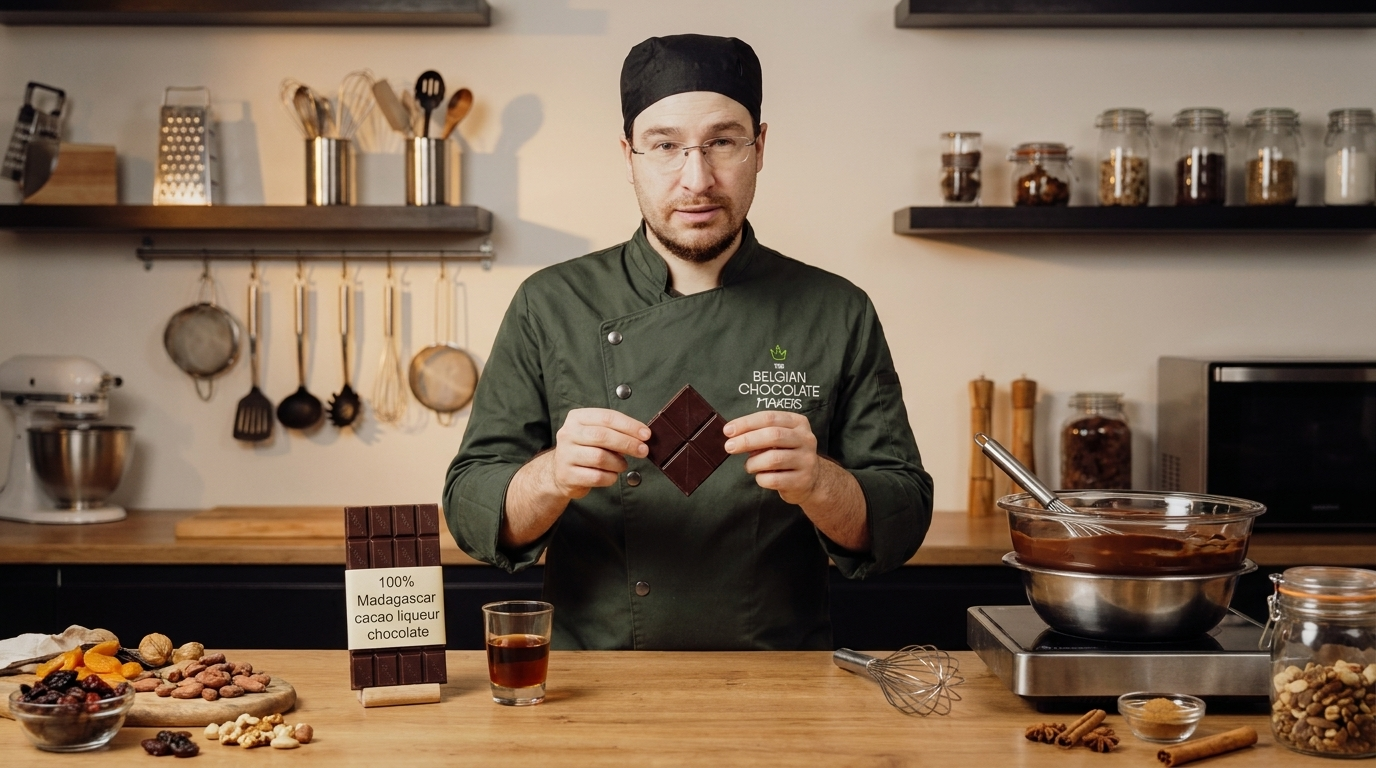
Why single‑origin Madagascar 100% cacao matters
Single‑origin chocolate highlights the unique character of beans from one region. Madagascar beans are prized for bright, fruity acidity and a clear, intense flavour profile that stands up well at 100% cacao. When a bar is labelled "liqueur" in chocolate terms, it usually refers to cocoa mass (cocoa liqueur), the pure ground solids and cocoa butter from the bean; not an alcoholic liqueur. A 100% chocolate bar showcases the bean itself: no sugar, no milk, nothing to hide the terroir.
How to taste a 100% cacao bar like a pro
Tasting pure dark chocolate is sensory training. Follow these simple steps to notice the delicate notes Madagascar beans typically offer.
- Visual inspection: Look for a smooth, glossy surface with minimal bloom or white streaks. A well-tempered bar will have a clean snap when broken.
- The snap: Break the bar and listen. A clear, crisp snap indicates good temper and cocoa butter crystallisation. Softer or crumbly breaks can point to higher lecithin, improper temper, or age.
- Smell: Hold a piece near your nose and inhale. Madagascar origin often gives bright, fruity aromas, red berries, citrus peel, or vinous notes, alongside deeper roasted cocoa scents.
- Melt across the tongue: Place a small piece on your tongue and let it melt without chewing. Notice initial flavours, the evolution of acidity and bitterness, and the finish. At 100% the balance between acidity and bitter cocoa is everything: Madagascar bars often show lively acidity and pronounced fruitiness that linger.
- Aftertaste and mouthfeel: Take note of texture (creamy, chalky, oily) and the finish (drying, lingering fruit, or smoky cocoa). These clues help you pair and cook effectively with the bar.
What to expect from a Madagascar 100% liqueur bar
Because the bar contains no added sugar, expect bold, concentrated cocoa notes and a strong, sometimes brisk acidity. Look for descriptors like "fruity", "tangy" or "bright" rather than simply "bitter." The sensory profile also depends on roast level and conching, which an artisan maker adjusts to preserve origin character while smoothing harsh edges.
How to enjoy and pair a 100% Madagascar bar
Pairing 100% single‑origin chocolate is about complementing its acidity and amplifying fruity notes. Here are evidence‑based pairing ideas that work repeatedly with Madagascar cacao.
- Espresso or intense coffee: The roasted, bitter elements of espresso harmonise with the bar’s cocoa backbone while highlighting fruit notes.
- Aged rum or tawny port: Rich, oxidative spirits and fortified wines with caramel and dried fruit notes create a warm counterpoint to the bar’s bright acidity.
- Citrus and candied peel: Orange or grapefruit peel mirrors and brightens endemic citrusy top notes in many Madagascar beans.
- Fresh berries: Raspberry or red currant bring a complementary tartness that can make the chocolate taste sweeter by contrast.
- Cheese (carefully chosen): Aged Manchego or a mild goat cheese can be an interesting juxtaposition, avoid overwhelmingly salty or pungent cheeses that overpower cacao flavour.
Cooking and baking with 100% cacao
A 100% Madagascar liqueur bar is a powerful ingredient. Because it has no sugar, you control sweetness precisely when it goes into recipes. It’s excellent for:
- Ganache: Melt chopped bar into warm cream for an intensely flavoured dark ganache. Balance by adding a little honey or sugar syrup if you want a softer finish.
- Mousse: Use tempered melted bar to form the cocoa base, folding in whipped cream and a sweetener to taste.
- Brownies and cakes: Replace unsweetened cocoa powder with melted 100% chocolate for a deeper, more complex flavour, reduce other liquids slightly to compensate for added cocoa butter.
- Finishing shavings: Grate or shave the bar over crème brûlée, ice cream, or hot chocolate for an elegant bitter contrast.
Practical recipe tips
- When melting, use a gentle double boiler and monitor temperature—overheating can scorch the chocolate and mute fruity notes. Aim for 40–45°C (104–113°F) for melting dark chocolate.
- Because a 100% bar has no sugar, always taste as you sweeten. Add liquid sweeteners (maple, honey, agave) gradually to preserve character.
- Balance acidity in custards or ganaches with a pinch of fine sea salt or a touch of fat (butter, cream) to soften the edges without hiding the origin.
Storage and shelf life
To keep a 100% cacao bar tasting its best:
- Store in a cool, dry place away from strong odours, chocolate readily absorbs smells.
- Avoid refrigeration unless your environment is very hot; condensation after taking it out of the fridge can cause sugar bloom and change texture.
- Keep it in airtight wrapping or a sealed container; temperature swings accelerate fat bloom.
How to choose an artisanal 100% bar
When selecting a single‑origin 100% bar, consider these factors:
- Bean origin transparency: Reputable makers state the region and often the cooperative or estate. Madagascar origin should be clearly indicated.
- Ingredient list: The shorter the better. For a 100% bar, ingredients are typically simply cocoa mass and sometimes cocoa butter; look for organic certification if that matters to you.
- Producer technique: Artisan tempering, controlled roast, and careful conching preserve delicate fruity notes that make Madagascar beans special.
- Tasting notes on the wrapper: Honest descriptors (acidity, fruit, floral) help set expectations. Beware of bars that advertise sweetness or heavy additions when you want pure origin flavour.
Final thoughts
Exploring a 100% Madagascar liqueur chocolate bar is an exercise in nuance. Remove the assumption that "no sugar" equals only bitterness: good single‑origin bars reveal complex fruit, bright acidity, and long finishes that reward slow tasting, thoughtful pairings, and careful cooking. Use the tasting steps and pairing ideas above to coax the best from each bite, whether you’re enjoying a square with coffee or folding melted chocolate into a dessert.
With attention to storage and the right culinary adjustments, a 100% bar becomes a versatile pantry ingredient rather than an extreme experience. Treat it as you would a fine single‑malt or an aged wine: small portions, slow appreciation, and pairing choices that highlight its signature notes.
If you enjoy exploring origin chocolate, experiment with the suggested pairings and recipes to find the combinations that highlight Madagascar’s lively character.