If you’re a chocolate enthusiast who loves tracing flavors back to their origins, a fresh cacao pod from Madagascar offers a rare, tangible link to the fruit that powers the world of chocolate. This bean-to-bar experience invites you to taste the cacao fruit in its natural state, discover where it comes from, and appreciate the artistry that goes into transforming a pod into a bar. Beyond flavor, a cacao pod carries stories of biodiversity, farming communities, and the seasons that shape its harvest.
What is a cacao pod and why it matters
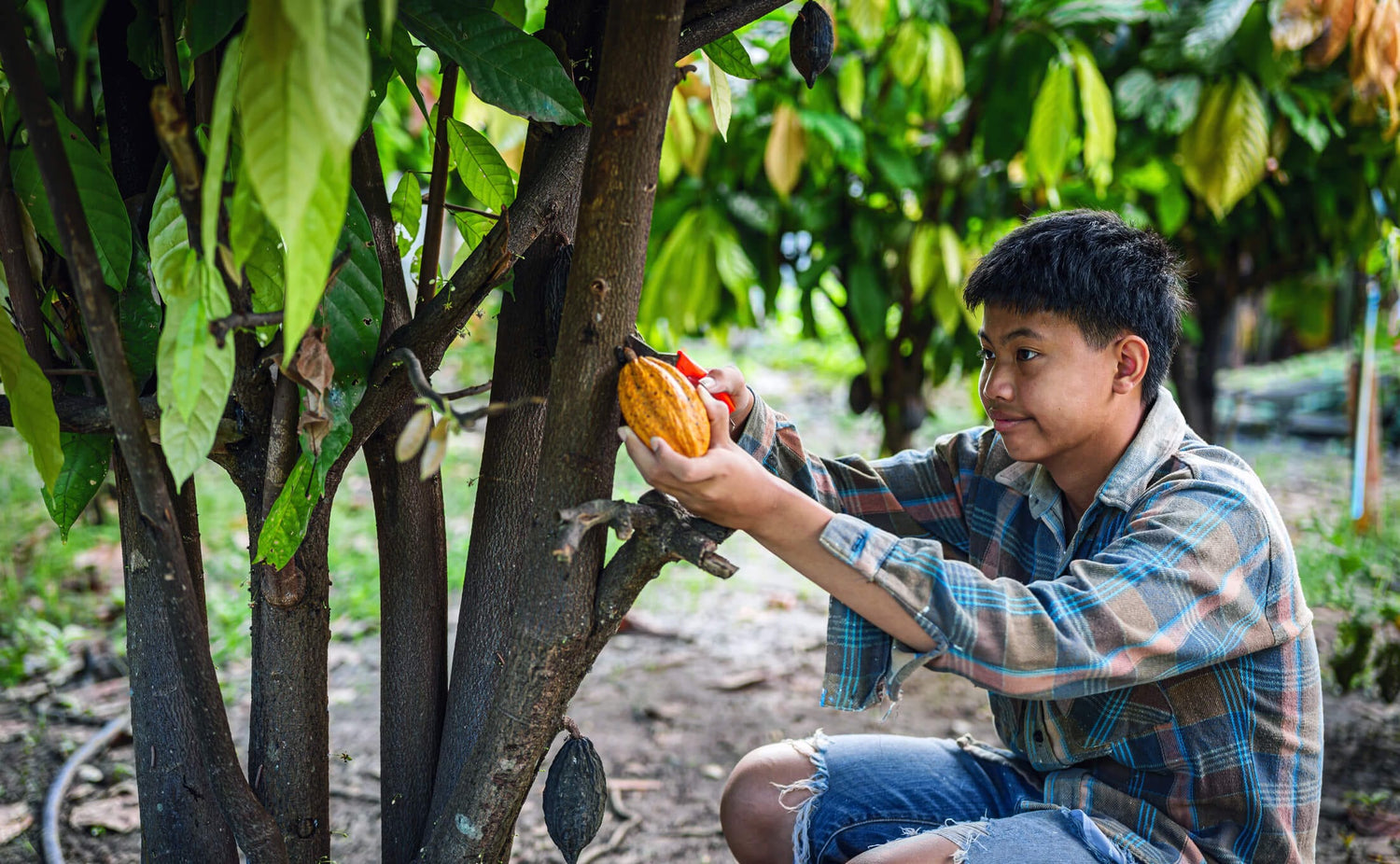
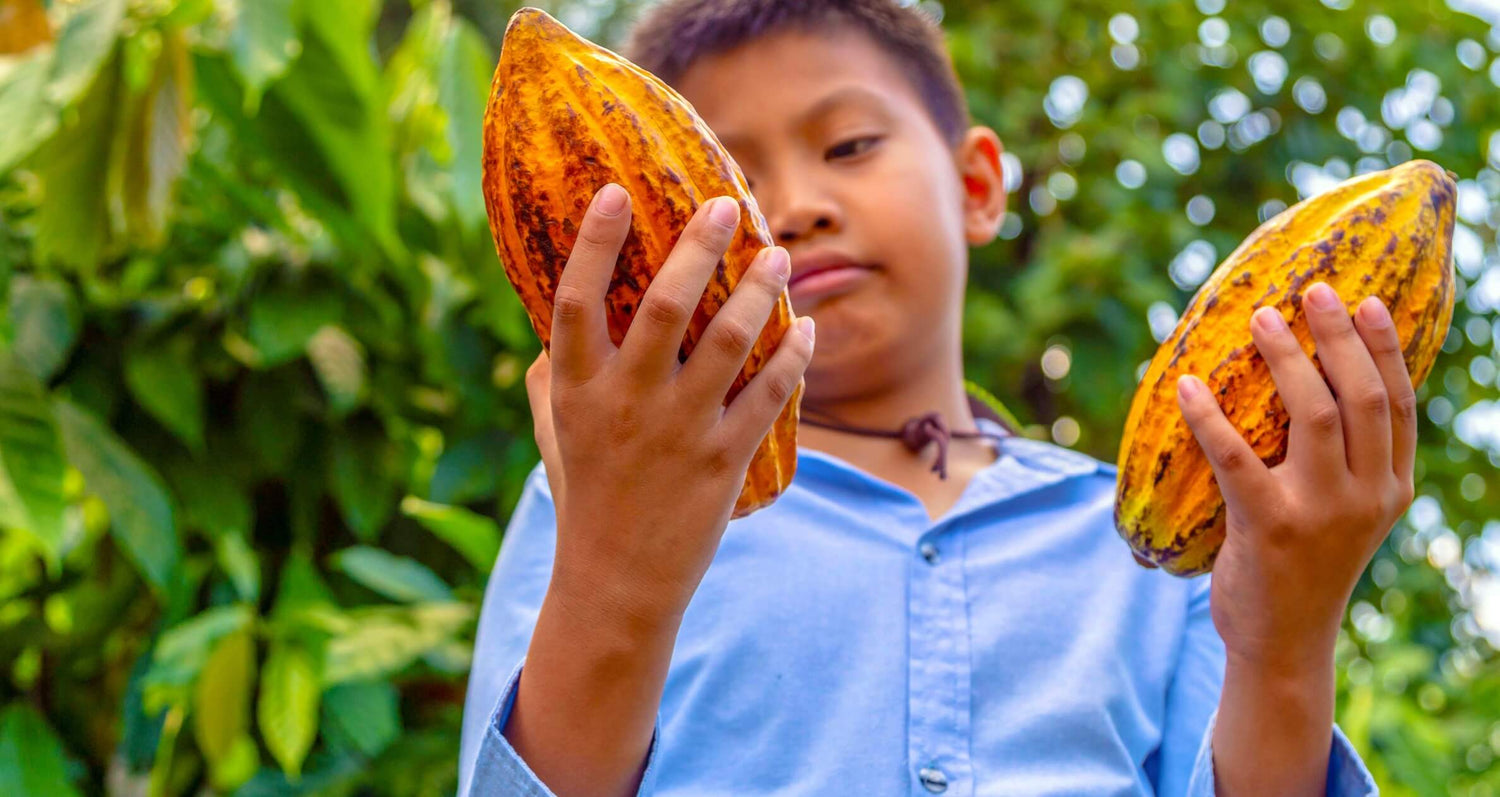
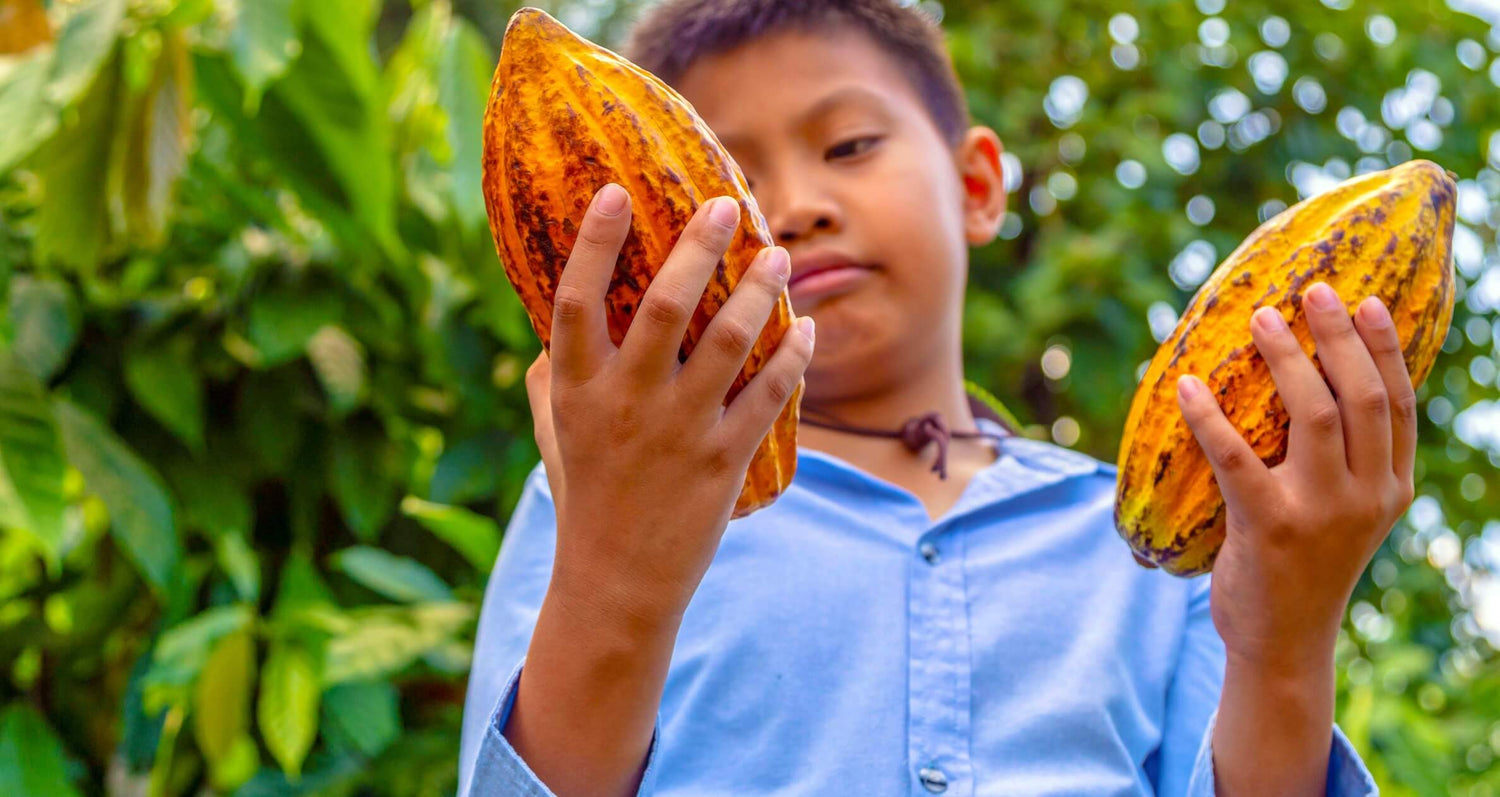
A cacao pod is the fruit that grows on cacao trees. Each pod guards a chorus of beans surrounded by sweet, tangy pulp. Inside, the beans are fermented, dried, and then roasted to become the familiar cacao nibs that chocolate lovers recognize. Understanding the pod helps demystify the journey from tree to bar. If you’ve searched for a cacao pod for sale, you’re seeking not just a rare ingredient but a direct connection to cacao’s origins.
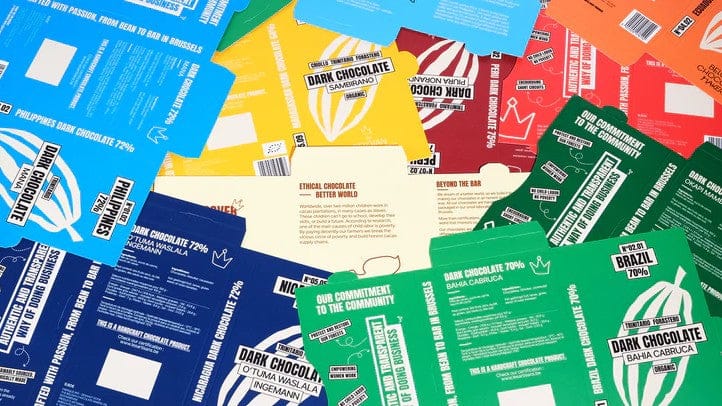
From an artistic standpoint, many people enjoy the visual language of the cacao pod: the icon, the logo or the illustrated pod. A cacao pod logo often appears on packaging to signal origin, craftsmanship, and transparency. Collectors may also encounter cacao pod drawings or simple illustrations in farming guides and brand stories, which celebrate the pod’s distinctive shape and color. This blend of science, art, and taste is part of what makes a fresh pod from Madagascar so compelling.
Madagascar: a cradle of cacao biodiversity
Consumers today increasingly value certifications, cooperative governance, and fair-trade partnerships that accompany cacao pods. While a pod itself is a living, perishable product, its story can reflect ethical farming, transparent sourcing, and commitment to local communities. If you’re curious about the broader supply chain behind a Madagascar pod, you’ll see how farms and cooperatives collaborate to maintain quality from harvest to harvest.
The bean-to-bar journey: from pod to refined chocolate
Opening a cacao pod releases a sweet, tangy aroma and reveals the beans tucked inside. The pulp around the beans is often enjoyed fresh in the field or fermented with the beans to kick-start flavor development. Fermentation is a delicate step that shapes acidity, depth, and aroma, followed by sun-drying or shade-drying to reduce moisture and stabilize the beans. Only after these steps does the real craft begin: roasting, grinding, conching, and molding into bars that reveal Madagascar’s distinctive character.
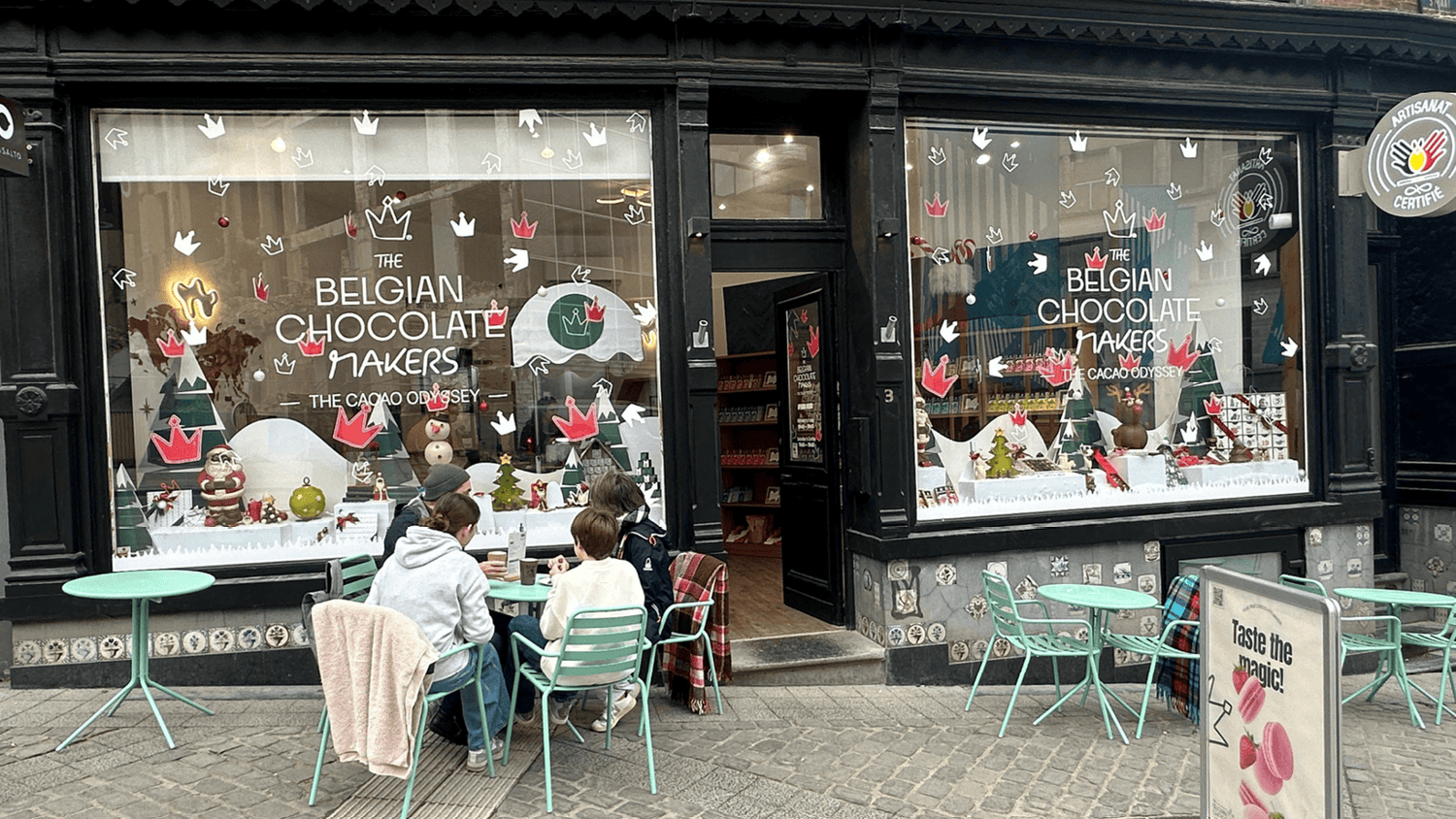
When a renowned chocolatier like The Belgian Chocolate Makers offers a fresh cacao pod, it signals an invitation to engage with chocolate on a tactile level. You’re not just buying flavor; you’re acquiring a piece of the journey, an opportunity to taste the pulp, understand how fermentation shifts notes, and see how early harvest decisions influence the final bar. For many, this is the essence of a true bean-to-bar experience.
The pod’s allure also lies in its educational value. For curious minds, a single pod serves as a hands-on lesson: observe the pod’s external color and size, imagine the tree’s growth cycle, and consider how regional climate affects sweetness and aroma. This is the kind of experience that makes you think differently about chocolate, from the way beans are fermented to how cacao trees are tended across Madagascar’s diverse landscapes.
How to savor and learn from a fresh cacao pod
To begin, refresh your senses with the pod’s aroma, sweet, fruity, and sometimes a little tangy. If you have access to fresh pulp, taste it by spooning the flesh; it’s pleasantly fruity and surprisingly refreshing. For those who want the full bean-to-bar education, carefully extract the beans, remove the mucilage, and allow them to dry before roasting. The contrast between the raw pulp and roasted beans highlights how processing transforms flavor, and it’s a vivid demonstration of cacao’s journey from field to chocolate bar.
As you explore, keep notes on acidity, fruitiness, and aftertaste. Madagascar cacao often carries bright red-fruit and citrus notes with a clean finish, but each farm and fermentation style can shift those flavors. Tasting the pod alongside a small sample of a bean-to-bar chocolate made from Malagasy cacao helps you connect the fresh fruit experience with the final product.
Choosing the right pod and what to look for
When you search for a cacao pod for sale, you’ll want pods that show healthy color, firm texture, and a weight that suggests well-developed beans inside. Since pods are ephemeral, fresh delivery matters. A pod from a reputable producer like The Belgian Chocolate Makers ensures that what you’re getting is authentic, responsibly sourced, and ripe for exploration. In branding and packaging, you may encounter a cacao pod logo or illustrations that celebrate the fruit’s form; these design cues echo the pod’s natural beauty while signaling craftsmanship and origin.
For artists and educators, diagrams and cacao pod illustrations are helpful tools. A simple cacao pod drawing can be used in classrooms or tasting events to teach how the pod’s shape encases the beans. Whether you’re presenting in a workshop or sharing photos on social media, a clear, stylized pod accentuates the story of cacao’s origin without getting lost in technical jargon. This blend of science and art is part of why the pod remains a powerful symbol in the chocolate world.
Bringing the Madagascar pod into your kitchen and beyond
Owning a fresh cacao pod is a gateway to a broader chocolate education. You’ll gain a better sense of fermentation’s role, how drying influences flavor, and how environmental factors contribute to Madagascar’s unique cacao profile. The experience also complements a broader interest in sustainable farming, biodiversity, and the cooperative models that support smallholder farmers. If you’re building a chocolate-curious lifestyle, a Madagascar pod is a meaningful centerpiece; one that can inspire at-home tastings, tasting notes, and even small, live demonstrations for friends and family.
Closing thoughts: a rare, tangible connection to origin
Choosing to explore a fresh cacao pod from Madagascar is more than a purchase; it’s an invitation to witness the origin of chocolate. From the pod’s robust exterior to the potential flash of rain-washed pulp and the transformation into nibs and bars, the journey is a compelling reminder of cacao’s role in culture, science, and craft. Whether you’re looking for cacao pod for sale as a collector’s item, an educational tool, or a sensory adventure, this pod offers a rare, authentic window into the chocolate we love.