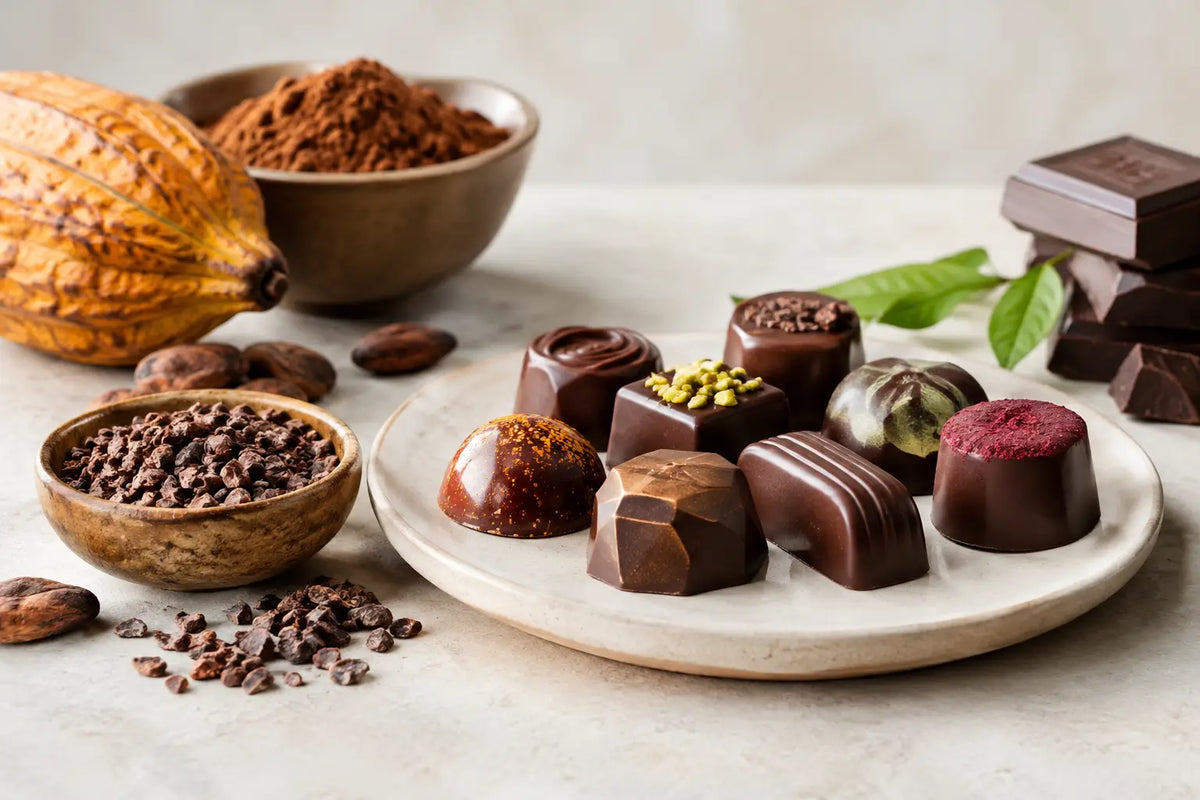
A chocolate bar can now tell you as much about place as a bottle of wine. That change sits at the heart of today's craft chocolate trends: buyers are looking beyond a familiar brand name or a high cocoa percentage and asking where the cacao was grown, who made the chocolate, and what flavors the beans naturally hold. For those who value Belgian chocolate with a more direct connection to the maker, this is not a passing novelty. It is a more thoughtful way to choose and enjoy chocolate.
Craft Chocolate Trends Are Moving Closer to the Bean
The most meaningful shift in premium chocolate is not a new garnish or a louder package. It is the growing expectation that chocolate makers understand their cacao before they transform it. Bean-to-bar production places roasting, cracking, refining, conching, molding, and finishing under one roof. That gives the maker more control over flavor and makes the finished chocolate more accountable to its source.
For shoppers, the difference can be felt in the bar. Industrial chocolate is designed for consistency at immense scale, often using blends that create a dependable house profile. Craft makers may work with a smaller lot from one region, farm group, or cooperative, then adjust the roast and refinement to suit that particular cacao. Neither approach is automatically superior in every context, but when transparency and distinctive flavor matter, hands-on production offers a more compelling proposition.
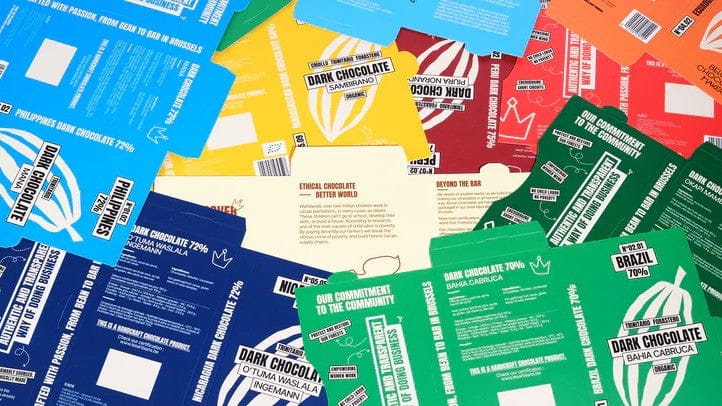
This also changes how origin is discussed. A label that simply names a country is a useful starting point, not a complete story. Cacao from Ecuador, Madagascar, Peru, or Tanzania can vary widely according to genetics, fermentation, drying, harvest conditions, and the skill of the producer. The best origin information gives a buyer enough context to appreciate the chocolate without turning the wrapper into a technical report.
Single-origin chocolate is becoming more approachable
Single-origin bars once seemed reserved for serious tasting sessions. They are increasingly becoming an easy, elegant choice for anyone who wants a more memorable treat or gift. A bright, fruit-forward bar can surprise someone accustomed to classic dark chocolate, while a mellow, nutty origin may offer an inviting entry point for a first-time craft buyer.
The trade-off is that single-origin chocolate is not meant to taste identical from one harvest to the next. Seasonal variation is part of its character. A careful maker manages that variation through thoughtful production, but should not erase every sign that cacao is an agricultural ingredient. For many chocolate lovers, that small sense of discovery is precisely the appeal.
Flavor Is Becoming More Precise, Not More Complicated
For years, premium food often equated intensity with quality. Chocolate is moving in a more balanced direction. Higher cacao percentages still have their place, but 70 percent is not inherently better than 60 percent, and 85 percent is not a test of sophistication. The right percentage depends on the beans, the desired texture, and the flavor the maker wishes to reveal.
Craft chocolate trends favor clarity over extremes. Consumers are learning to notice naturally occurring notes such as red fruit, citrus, toasted nuts, caramel, honey, or gentle spice. These are not necessarily added flavors. They can emerge from the cacao itself when fermentation and chocolate making are handled with care.
Inclusions remain important, especially for gifting and seasonal collections, but they are becoming more selective. A well-made bar with pistachio, coffee, sea salt, or candied peel should still taste first and foremost like chocolate. Ingredients work best when they create contrast in texture or draw out something already present in the cacao, rather than covering it with sweetness.
Less sugar, with judgment
Reduced-sugar chocolate is gaining attention, but it requires restraint. Sugar does more than sweeten chocolate: it affects body, texture, bitterness, and how aromas open on the palate. Removing too much can make a bar feel dry or aggressively bitter. Replacing it with unfamiliar sweeteners can also introduce flavors that distract from the cacao.
A better standard is deliberate balance. Many buyers want less sweetness because they want to taste the bean more clearly, not because they want chocolate to behave like a dietary supplement. The most successful bars respect both desires.
Ethical Sourcing Is Becoming a Baseline Expectation
Traceability has moved from a specialist concern to a core marker of premium value. People purchasing a fine chocolate gift increasingly want assurance that its beauty does not depend on invisible compromises further up the supply chain. They want to know that sourcing relationships are considered, that cacao quality is valued, and that the story behind the bar is specific enough to be meaningful.
There is no single certification or claim that answers every ethical question. Certifications can play a valuable role, but they do not replace direct communication about sourcing practices, prices paid, long-term partnerships, or the challenges facing cacao-growing communities. Responsible chocolate is complex, and credible makers do not pretend otherwise.
For the buyer, practical signals matter. Look for a maker that identifies origins clearly, explains its process plainly, and avoids vague language that makes a product sound conscientious without saying how. Transparency is not about perfection. It is about offering enough information for customers to make a considered choice.
Belgian Craftsmanship Is Expanding Beyond Tradition
Belgium's chocolate heritage carries genuine weight, particularly in pralines, truffles, and refined gifting. Yet a new generation of makers is showing that tradition and bean-to-bar work can strengthen one another. Fine couverture techniques, precise fillings, elegant molding, and thoughtful presentation remain essential. What changes is the starting point: chocolate made from selected beans rather than purchased as a finished industrial base.
This distinction matters in products beyond the bar. A praline shell made in-house can be matched to a filling with more intention. A dark chocolate truffle can have a different personality when its cacao offers natural berry notes or deep roasted warmth. Even a simple spread or mendiant becomes more expressive when the chocolate underneath has real character.
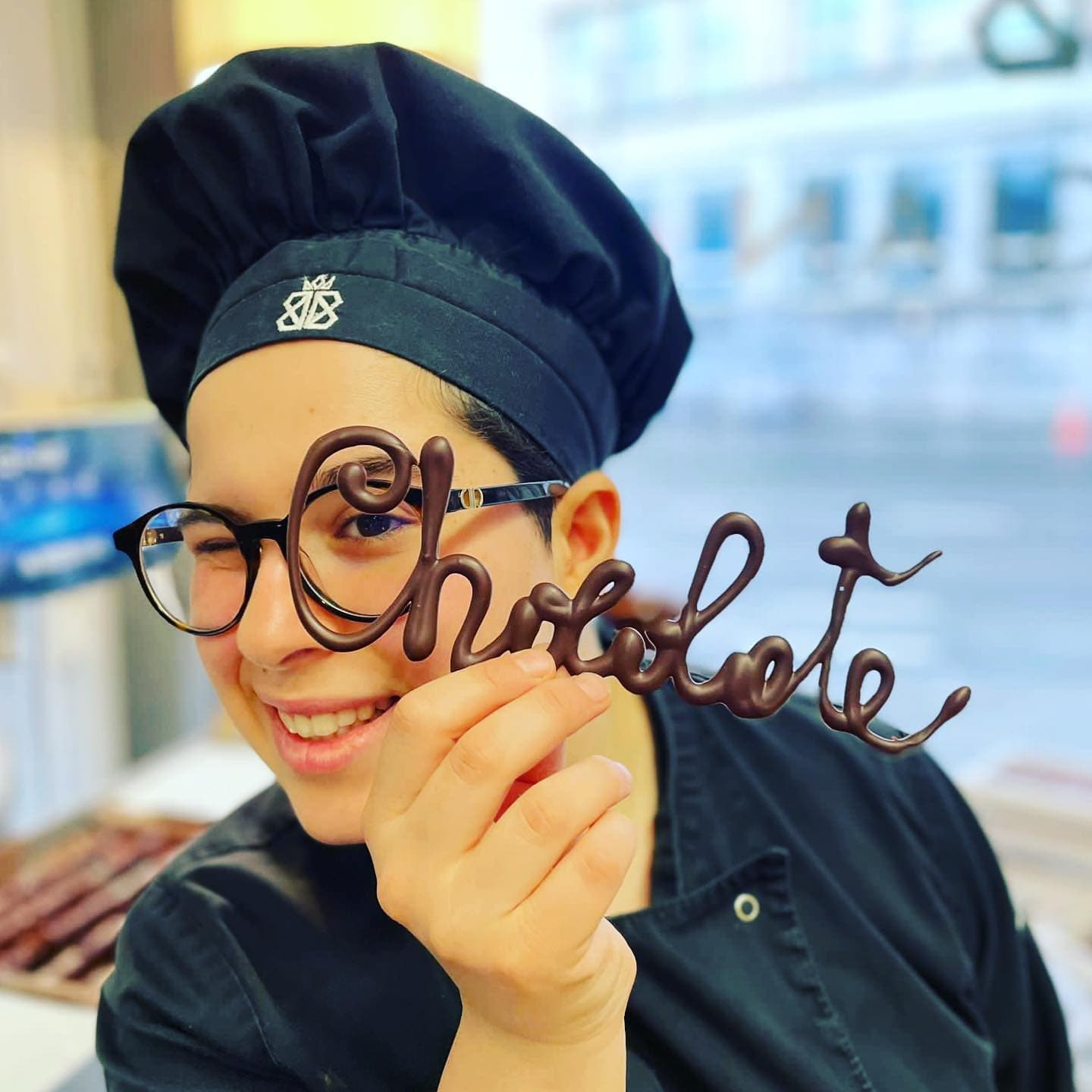
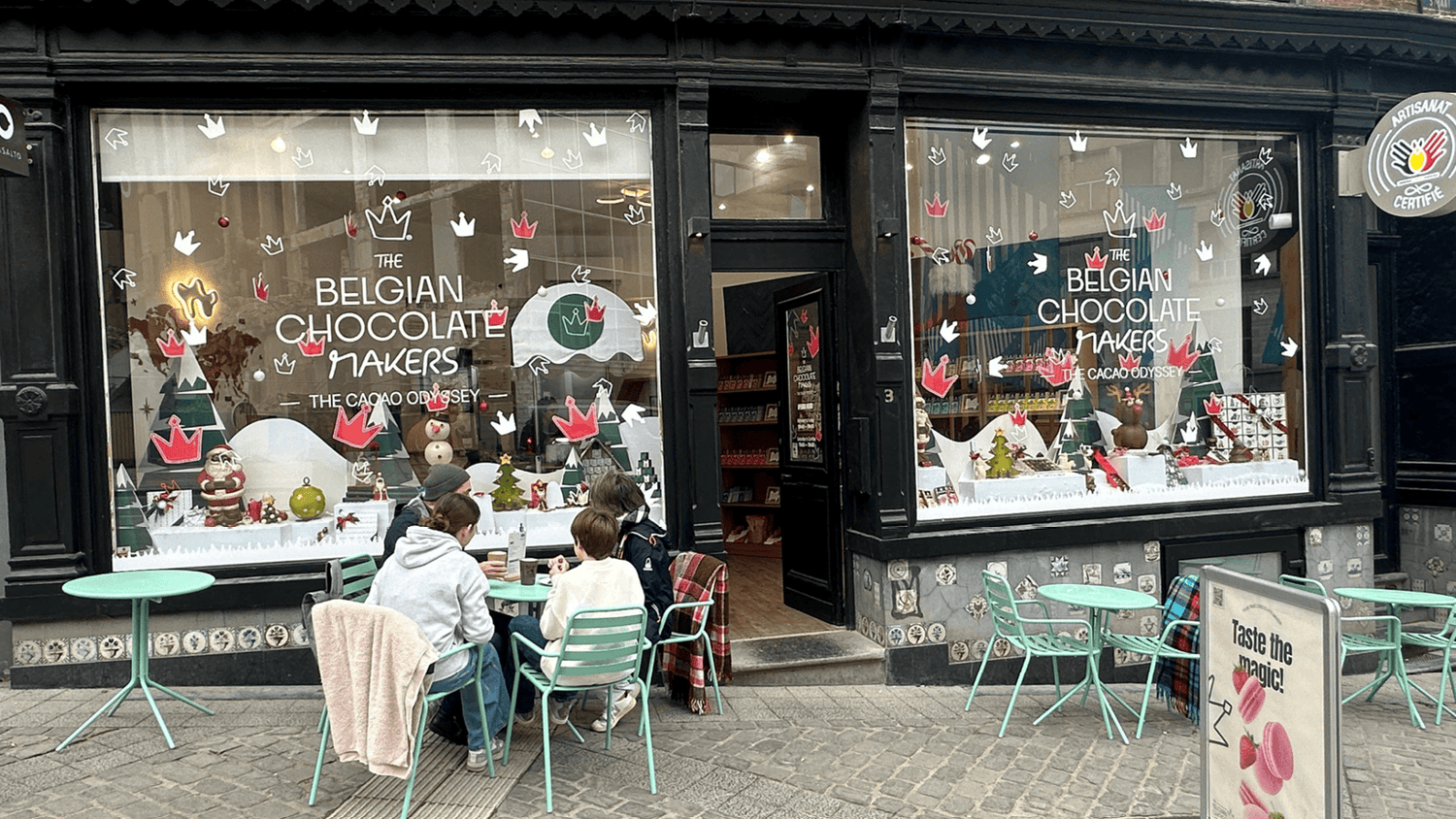
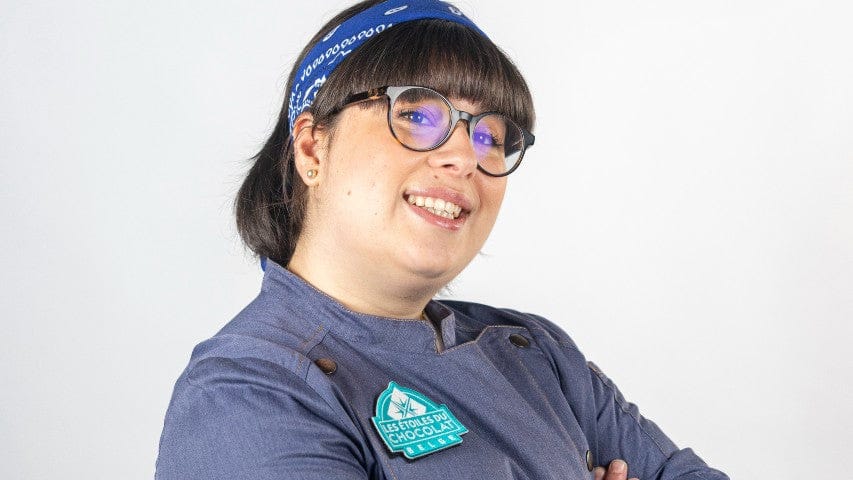
At The Belgian Chocolate Makers, making chocolate in the central Brussels workshop keeps that connection tangible, from the roasting stage through to the final presentation. It allows traditional Belgian formats to remain recognizable while giving each chocolate a more direct relationship to its cacao.
Gifting Is Becoming More Personal
Premium chocolate has always been a natural gift, but expectations have changed. A box must look beautiful, certainly, yet it should also feel chosen rather than generic. Origin-led assortments, tasting selections, seasonal pieces, and combinations of bars with pralines give gift buyers ways to match the occasion and the recipient.
This does not mean every gift needs an elaborate explanation. Sometimes a polished box of truffles is exactly right. At other times, a selection of single-origin bars creates a memorable experience for someone who enjoys cooking, wine, coffee, or specialty foods. The strongest gift formats make room for both: immediate pleasure and a story worth sharing.
Presentation remains part of the product. Good packaging protects chocolate from light, moisture, and odors, while also signaling care before the box is opened. Excessive packaging, however, can undermine a brand's thoughtful sourcing message. The balance is a package that feels substantial and gift-worthy without becoming wasteful theater.
What to Look for When Choosing Craft Chocolate
The most useful question is not, "What is the trendiest bar?" It is, "What kind of chocolate experience do I want?" If you enjoy bold, dark flavors, begin with a single-origin dark bar at a percentage that sounds appealing rather than intimidating. If you are buying for a group, choose an assortment that offers varied textures and cacao profiles. If ethical sourcing is your priority, spend a moment with the maker's origin and production information.
Freshness and storage deserve attention as well. Keep fine chocolate in a cool, dry place away from strong aromas. The refrigerator is usually a last resort because condensation and odors can affect the surface and flavor. Let a bar rest briefly at room temperature before tasting, then break it slowly and allow it to melt rather than chew it immediately.
The future of craft chocolate will not be defined by the most dramatic flavor combination or the darkest percentage on the shelf. It will belong to makers who treat cacao with care and to buyers willing to pause for a chocolate that has something honest to say.