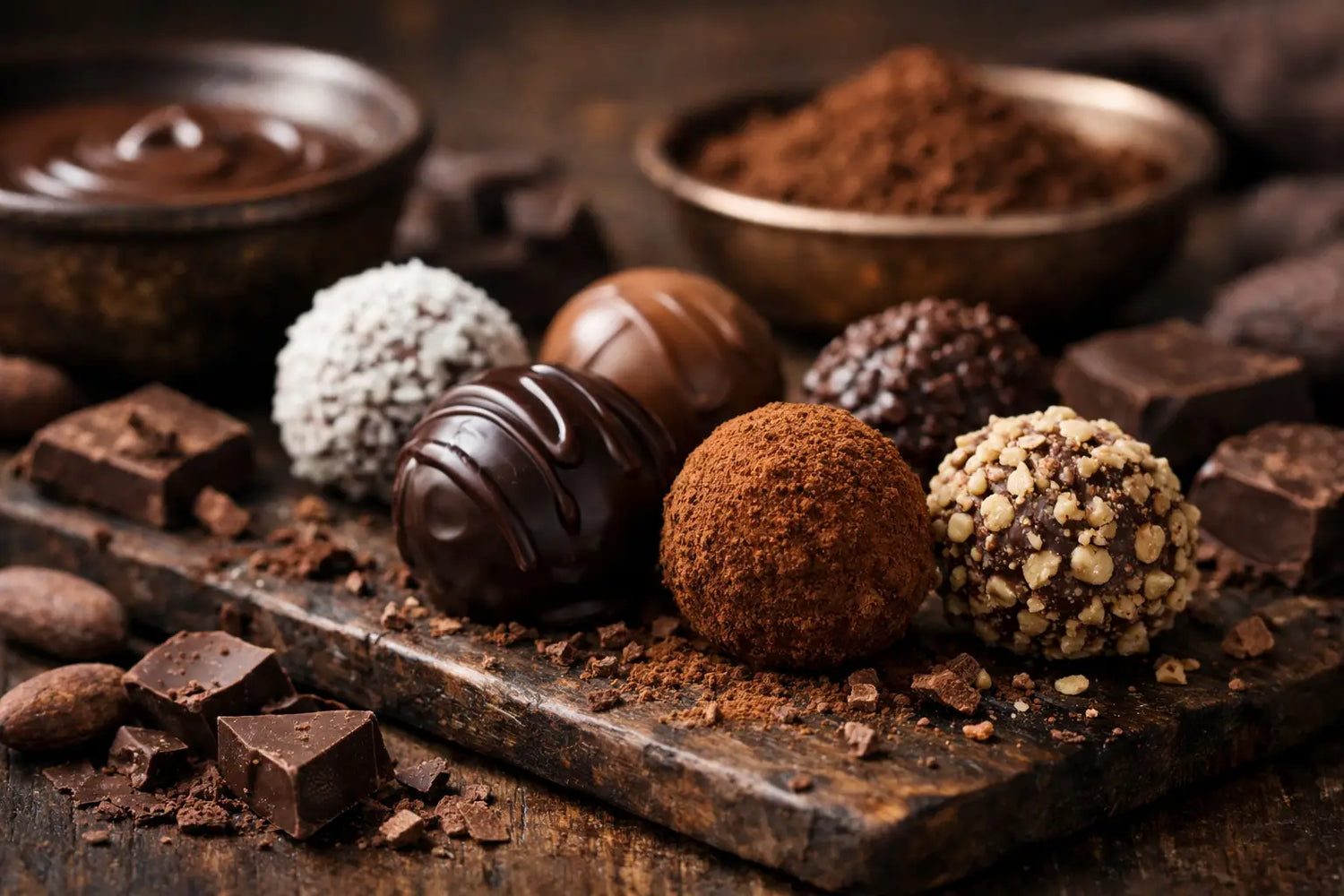
A great chocolate truffle does not announce itself with excessive sweetness. It begins quietly: a delicate shell that gives way to a smooth center, followed by cacao flavor that lingers longer than the sugar. That balance is what makes chocolate truffles more than a familiar gift-box indulgence. At their best, they are a small, precise expression of chocolate making, ingredient quality, and careful technique.
For a bean-to-bar maker, the truffle is also a test of integrity. The cacao must have character before it ever becomes a ganache. The roast must preserve rather than flatten its nuances. And every ingredient added afterward must support the chocolate, not conceal it.
What makes chocolate truffles different
The word “truffle” is often used broadly, but a traditional chocolate truffle is built around ganache: a mixture of chocolate and cream, sometimes enriched with butter, fruit purée, spirits, spices, or nut pastes. The center is shaped or piped, then finished with cocoa powder, chocolate, nuts, or another coating.
Its name comes from its resemblance to the earthy, irregular mushroom truffle. The earliest versions were intentionally rustic, with cocoa powder creating a soft, uneven exterior. Today, truffles may be hand-rolled, cut into squares, molded into polished spheres, or finished in a thin shell of tempered chocolate. The forms vary, but the appeal remains the same: a concentrated chocolate center with a tender, melting texture.
That texture is not accidental. It depends on the proportion of chocolate to cream, the cocoa butter content of the chocolate, the temperature at which the ganache is made, and the way it is allowed to crystallize. A truffle should feel rich without becoming greasy, soft without being loose, and full-bodied without seeming heavy.
Why the chocolate itself matters
Many truffles begin with industrial couverture chocolate, a ready-made chocolate designed for professional use. It can be consistent and convenient, but its cacao blend and flavor profile are usually determined long before the chocolatier creates the filling.
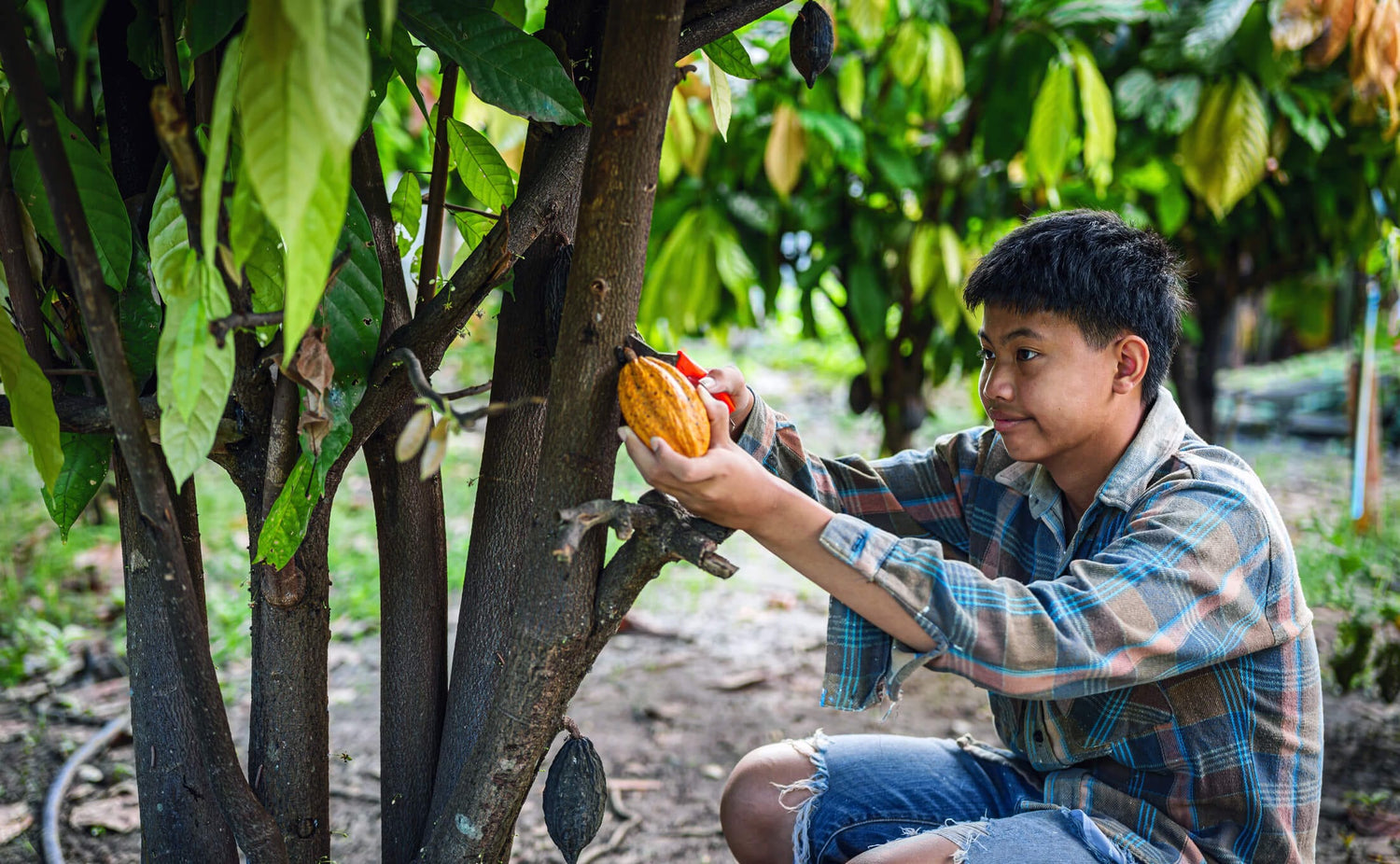
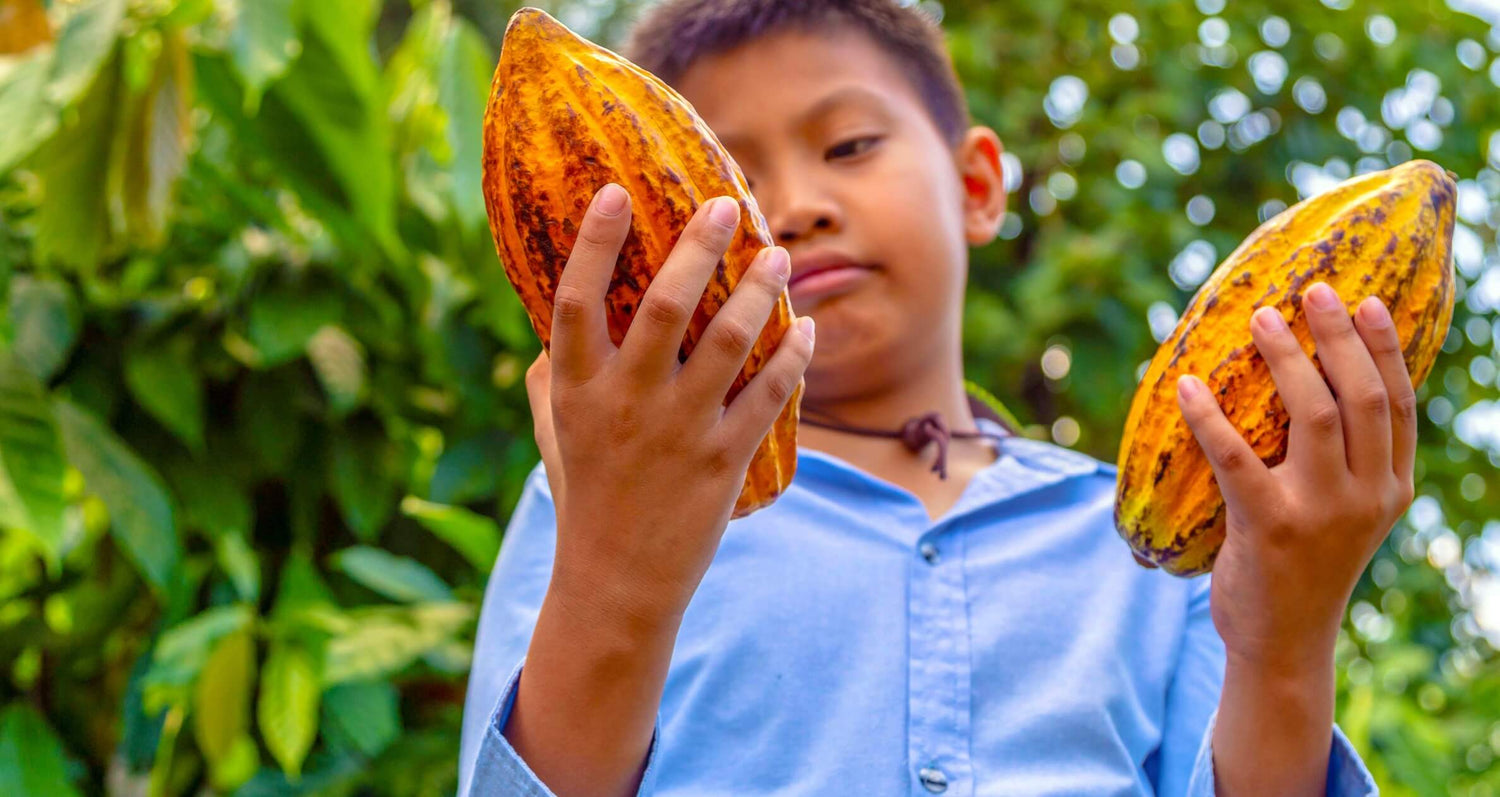
Bean-to-bar production changes that starting point. The maker selects cacao beans, then roasts, cracks, winnows, refines, and conches the chocolate in-house. Each decision influences the final flavor. One cacao may suggest red fruit and a bright acidity; another may bring toasted nuts, caramel, dried fruit, or a deeper roasted note.
In a truffle, those distinctions can still be present, although cream naturally softens the intensity of a dark bar. A well-made ganache does not erase origin character. Instead, it rounds it out. The result may be a truffle with a clean cocoa finish, a subtle fruitiness, or a warm, nutty depth that feels distinct even in a single bite.
This is why a truffle made with fine chocolate rarely needs to rely on a long list of flavorings. Vanilla, coffee, hazelnut, orange, or a fine spirit can be beautiful companions, but they should have a purpose. When every center tastes primarily of sugar, cream, or artificial extract, the quality of the chocolate becomes difficult to recognize.
The role of cacao percentage
A higher cacao percentage does not automatically make a better truffle. Dark chocolate with too little sweetness can make a ganache feel dry, bitter, or overly intense, especially when paired with a thin dark shell. On the other hand, a milk chocolate truffle can be remarkably refined when its dairy notes complement the cacao rather than overwhelm it.
The right percentage depends on the recipe. A dark, single-origin ganache may benefit from a balanced level of sweetness to bring out fruit or spice notes. A raspberry or passion fruit center may need enough cacao intensity to hold its own against acidity. Praline fillings, with their roasted nuts and natural richness, often call for a chocolate that adds contrast rather than weight.
Craft is not about choosing the darkest possible chocolate. It is about choosing the chocolate that allows the entire truffle to taste clear, harmonious, and memorable.
The fine line between ganache and filling
Not every chocolate center is ganache, and that variety is part of what makes a well-curated truffle selection rewarding. Some centers are made with praliné, the smooth blend of caramelized nuts and sugar that is central to Belgian chocolate tradition. Others use gianduja, a softer mixture of chocolate and hazelnut paste. Caramels, fruit gels, marzipan, and layered fillings offer different textures and levels of sweetness.
Ganache remains the most direct test of chocolate quality because there is little room to hide. A simple dark chocolate and cream center reveals whether the chocolate has depth, whether the recipe is properly balanced, and whether the maker understands texture.
There is also a practical consideration: freshness. Cream-based ganaches have a more limited shelf life than many industrial fillings, particularly when they are made without unnecessary preservatives. That can be a trade-off for buyers accustomed to chocolate that sits for months on a shelf. Yet it is also part of the pleasure. A fresh truffle has a liveliness in its aroma and texture that a long-stored confection cannot easily match.
A thin shell makes a better first bite
The outer coating matters as much as the center. A well-tempered chocolate shell should be crisp, clean, and thin enough that it yields easily. It provides contrast to the ganache while protecting the filling and preserving its texture.
Tempering is the controlled process of heating and cooling chocolate so its cocoa butter forms stable crystals. Done well, it gives chocolate its gloss, snap, and resistance to bloom. Done poorly, the surface can become dull, streaked, or soft, and the truffle may lose the clean break that makes the first bite so satisfying.
For coated truffles, a slightly thicker shell can work with a very soft filling or a center containing liquid caramel. But thickness should be purposeful. An oversized coating can turn a nuanced ganache into an afterthought, while a shell that is too thin may crack during handling or fail to protect the center.
How to choose truffles worth giving
A premium truffle box should feel considered rather than merely abundant. Look first for clear information about the chocolate and its maker. When a chocolatier can explain where its cacao comes from, how it makes its chocolate, and what is inside each piece, that transparency is a meaningful sign of care.
Next, consider variety with restraint. A collection with dark, milk, nut-based, fruit-forward, and classic ganache pieces gives the recipient room to discover preferences. But an assortment does not need dozens of flavors to feel generous. A smaller selection made with distinct ingredients and thoughtful contrast often offers a more memorable experience.
Presentation matters for gifting, too. The box should protect delicate pieces, identify flavors clearly, and reflect the quality of what it holds. For a host gift, holiday gesture, or professional thank-you, a beautifully made truffle assortment communicates attention without needing an elaborate occasion.
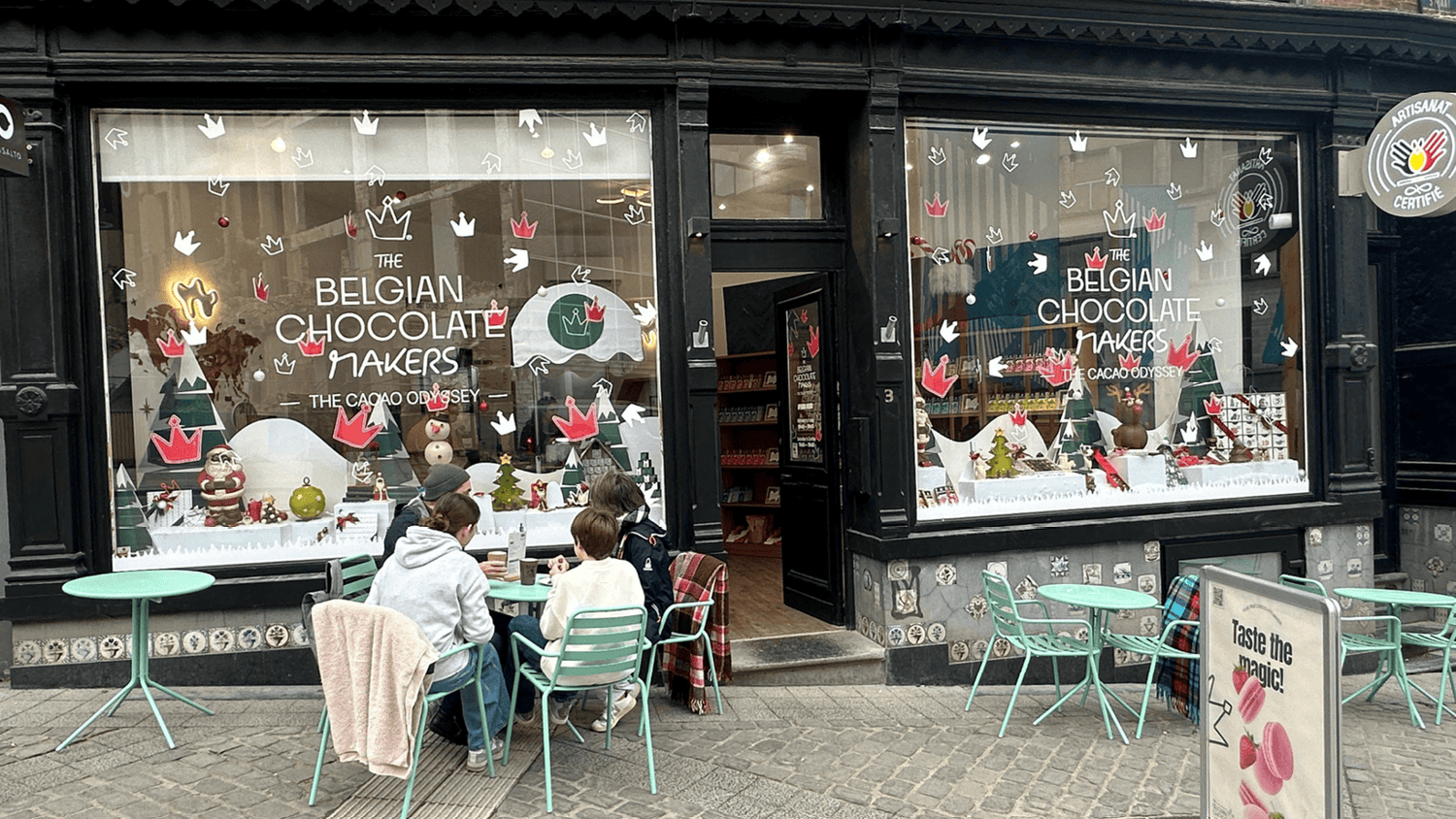
At The Belgian Chocolate Makers, this approach begins in the workshop, where cacao is transformed into chocolate before it is shaped into bars, pralines, and seasonal creations. That in-house process allows the flavor of the bean to remain part of the story, even in a small, celebratory piece.
Serving and storing truffles well
Truffles are best enjoyed at a cool room temperature, typically after resting outside the refrigerator for 15 to 30 minutes. When they are too cold, cocoa butter firms up and the aroma stays muted. As they warm slightly, the ganache softens and the chocolate’s finer notes become easier to taste.
Store them in a cool, dry place away from direct sunlight, strong odors, and humidity. Refrigeration is useful in very warm conditions, but it should be a last resort when possible. If truffles must be chilled, keep them in an airtight container and allow them to return gradually to room temperature before opening the package. This helps prevent condensation, which can affect the finish of the chocolate.
Freshness should guide the moment of purchase as well. For a gift that will be presented soon, choose pieces at their peak and encourage the recipient to enjoy them within the maker’s recommended window. A truffle is not meant to be forgotten in a cupboard. It is made for a pause: after dinner, alongside coffee, or as the first shared treat when a gift is opened.
The next time you choose chocolate truffles, look beyond the shape, ribbon, or flavor name. Let the first question be simple: does the chocolate itself have something honest to say?