A gift of chocolate can say thank you, congratulations, I was thinking of you, or simply take a moment for yourself. But chocolate bars vs bonbon gifts is not a matter of one being more luxurious than the other. The better choice depends on what you want the recipient to experience: a clear expression of cacao and craft, or a varied assortment designed to be opened, shared, and enjoyed one piece at a time.
For a thoughtful chocolate gift, start with the occasion and the person rather than the size of the box. A beautifully made bar can feel deeply personal to someone who notices flavor and origin. A box of bonbons can bring instant warmth to a dinner table, office celebration, or holiday gathering. Both can be exceptional when the chocolate itself is made with care.
Chocolate Bars vs Bonbon Gifts: The Essential Difference
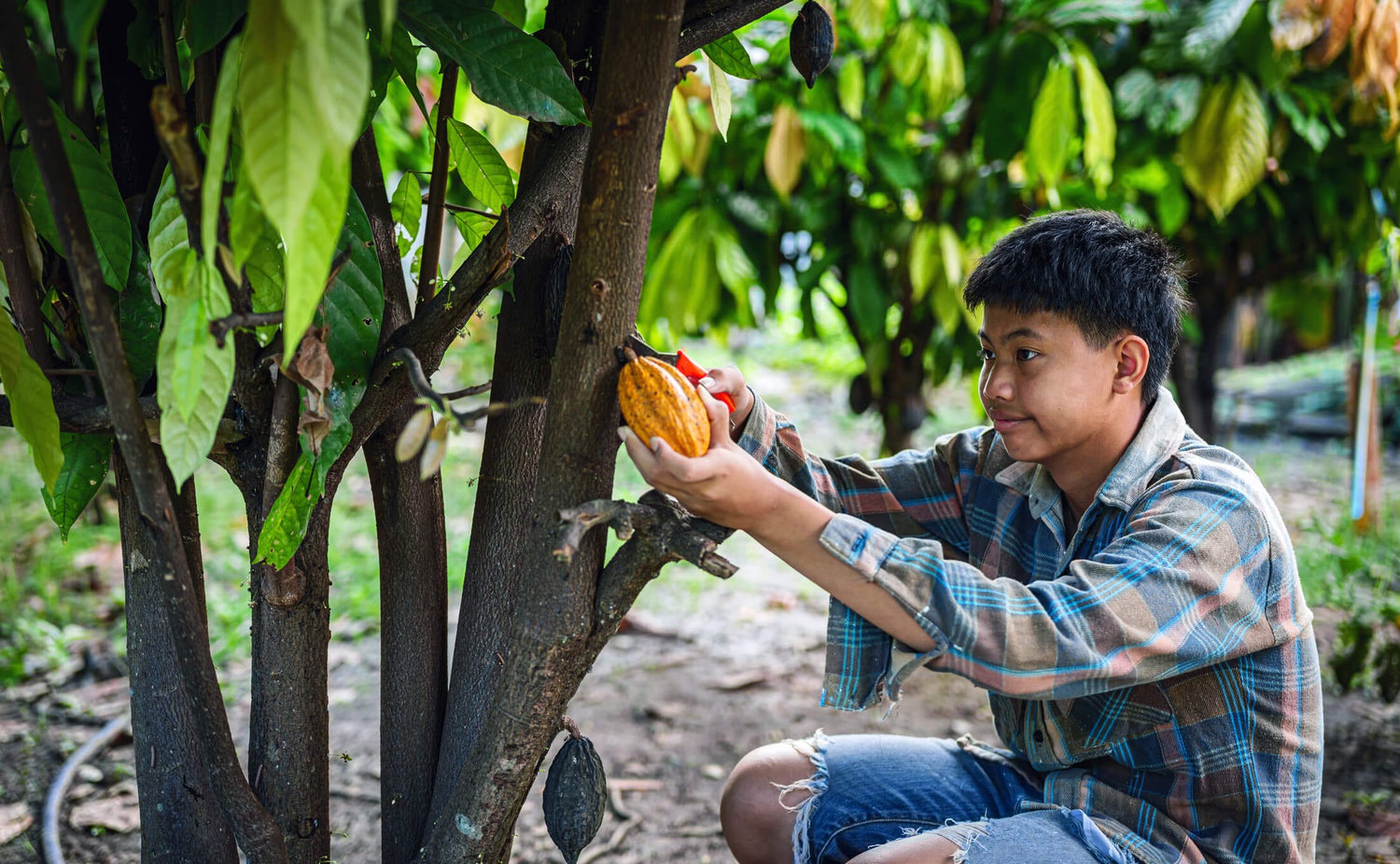
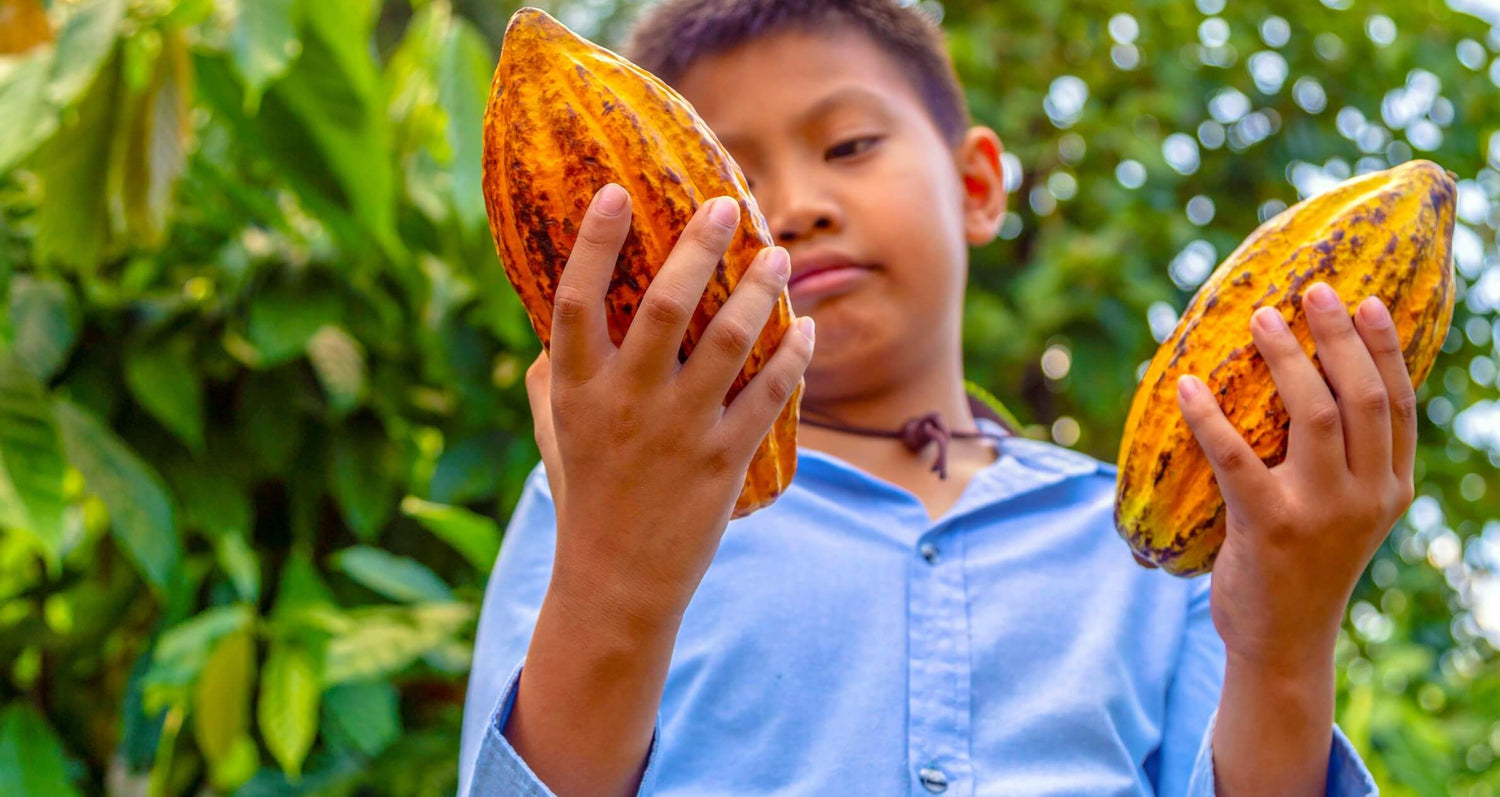
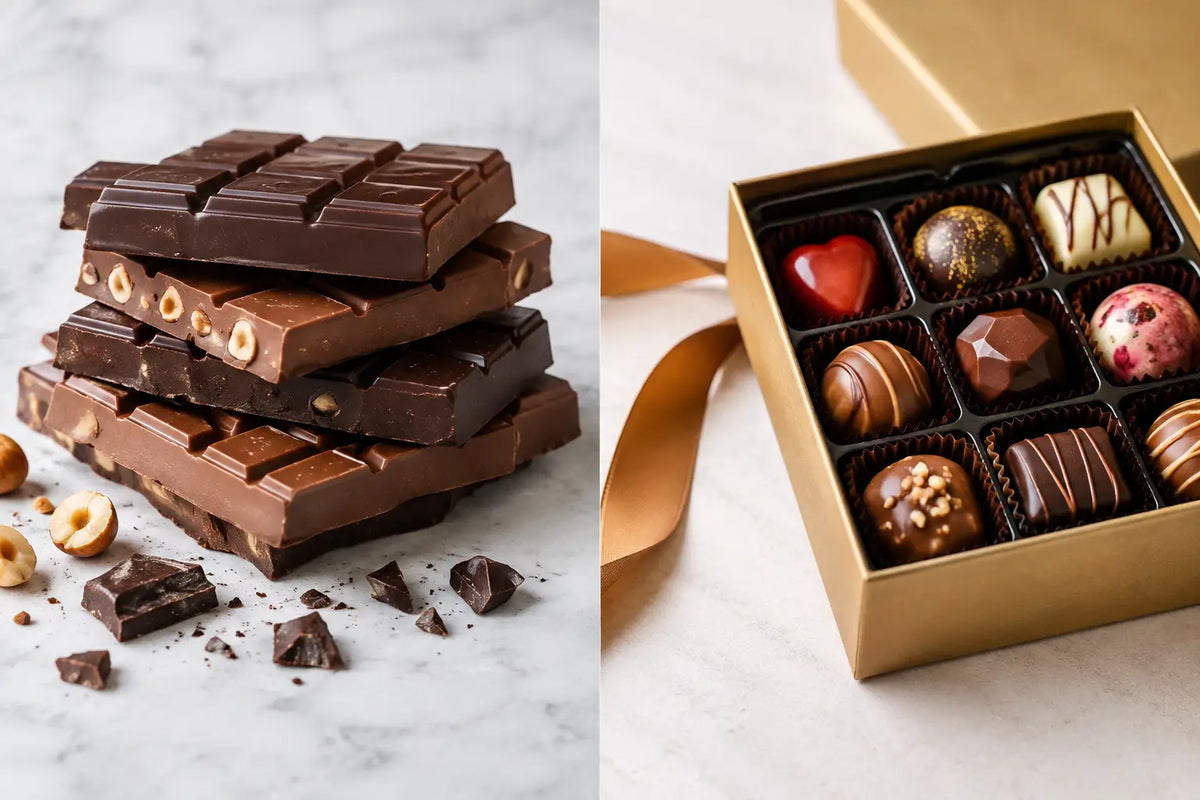
A chocolate bar is a focused experience. Its flavor is built primarily around the cacao itself, with room for carefully chosen additions such as nuts, fruit, spices, or caramelized inclusions. In a true bean-to-bar bar, the maker roasts, refines, and molds the chocolate from selected cacao beans. That process gives the recipient a direct connection to the bean's origin and character.
Bonbons are composed confections. Each piece begins with a chocolate shell, then adds a filling: ganache, praliné, fruit pâte de fruit, caramel, gianduja, or another carefully balanced center. The pleasure comes from contrast. There is the initial snap of the shell, followed by texture, aroma, and a layered flavor combination.
Neither format is automatically more sophisticated. A single-origin dark bar with a vivid natural profile can be as memorable as a fine assortment of pralines. The distinction is one of focus versus variety. Bars highlight chocolate. Bonbons use chocolate as both a principal flavor and an elegant frame for other ingredients.
When a Chocolate Bar Makes the Better Gift
Choose a bar when the recipient is curious about food, appreciates specialty coffee or wine, or enjoys knowing where ingredients come from. A bar gives them time to taste. They can break off a square, notice the aroma, and return to it later. This slower pace suits cacao with a distinctive identity.
Single-origin bars are particularly meaningful for people who enjoy comparison. Cacao from different regions can offer noticeably different notes, from red fruit and citrus to toasted nuts, honey, or gentle earthiness. Those notes should come from attentive sourcing and chocolate making, not from artificial flavoring. A maker who works directly from beans has greater control over roasting and refining, which helps preserve the personality of each cacao lot.
Bars also work well when you want a gift to feel considered without becoming overly formal. A selection of two or three bars can be tailored to the recipient: perhaps one dark, one milk, and one with a distinctive inclusion. It feels intentional, travels well, and does not require the recipient to gather everyone around before opening it.
There is a practical advantage, too. Bars generally keep their quality longer than fresh-filled bonbons when stored properly in a cool, dry place away from strong odors. That makes them an excellent choice for shipping, for sending a thank-you from afar, or for giving someone the freedom to enjoy the gift on their own schedule.
What to look for in an artisan bar
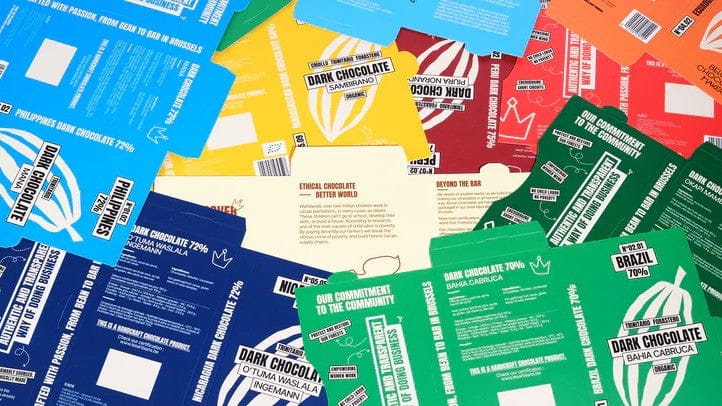
The label should tell a credible story. Look for cacao percentage, origin information where relevant, and a concise ingredient list. High-quality chocolate does not need unnecessary fillers to taste complex. If the bar contains inclusions, they should complement the chocolate rather than conceal it.
Presentation still matters. A well-designed wrapper and careful molding make a bar gift-worthy, but the strongest signal of quality is the chocolate inside. Clean flavor, a fine texture, and a distinct snap reflect attention in the workshop.
When Bonbon Gifts Are the Better Choice
Bonbons are made for generosity. Their variety makes them especially fitting for hosts, couples, families, teams, and anyone who enjoys trying several flavors. Opening a bonbon box creates a small occasion of its own: the colors, shapes, and assortment invite conversation before the first piece is chosen.
They also offer a broader range of flavor experiences. A dark chocolate ganache may appeal to the purist, while a hazelnut praliné or passion fruit filling brings something brighter and more playful. This makes bonbons a wise choice when you do not know the recipient's exact chocolate preference. A thoughtfully curated assortment gives them several paths to pleasure.
For traditional gifting moments, bonbons often carry extra visual ceremony. Birthdays, anniversaries, holiday visits, client thanks, and dinner invitations all benefit from a box that feels ready to present. The gift communicates abundance without needing to be large.
Yet the quality of the shell should never be treated as secondary. A fine bonbon begins with fine chocolate. The shell should be thin enough to give a clean bite, while still protecting the filling. Its chocolate should taste balanced and expressive, not waxy, overly sweet, or merely decorative around an intense center.
Freshness is part of the experience
Bonbons usually have a shorter ideal enjoyment window than bars because their fillings can include cream, butter, fruit, or nut pastes. That is not a drawback when buying for a near-term celebration. It is simply a reason to choose them with timing in mind.
For a gift that will be opened soon, freshness becomes an advantage. A carefully made ganache or praliné offers a soft, vivid texture that a long shelf life would compromise. If you are sending chocolate well ahead of an event or to a warm destination, bars may be the more dependable format.
Craftsmanship Changes Both Choices
The most useful question is not only bar or bonbon. It is also: who made the chocolate, and how? Many confectioners work with purchased couverture, which can be excellent, but bean-to-bar makers oversee the transformation from cacao bean to finished chocolate. That level of involvement brings traceability and gives the maker a more direct responsibility for flavor.
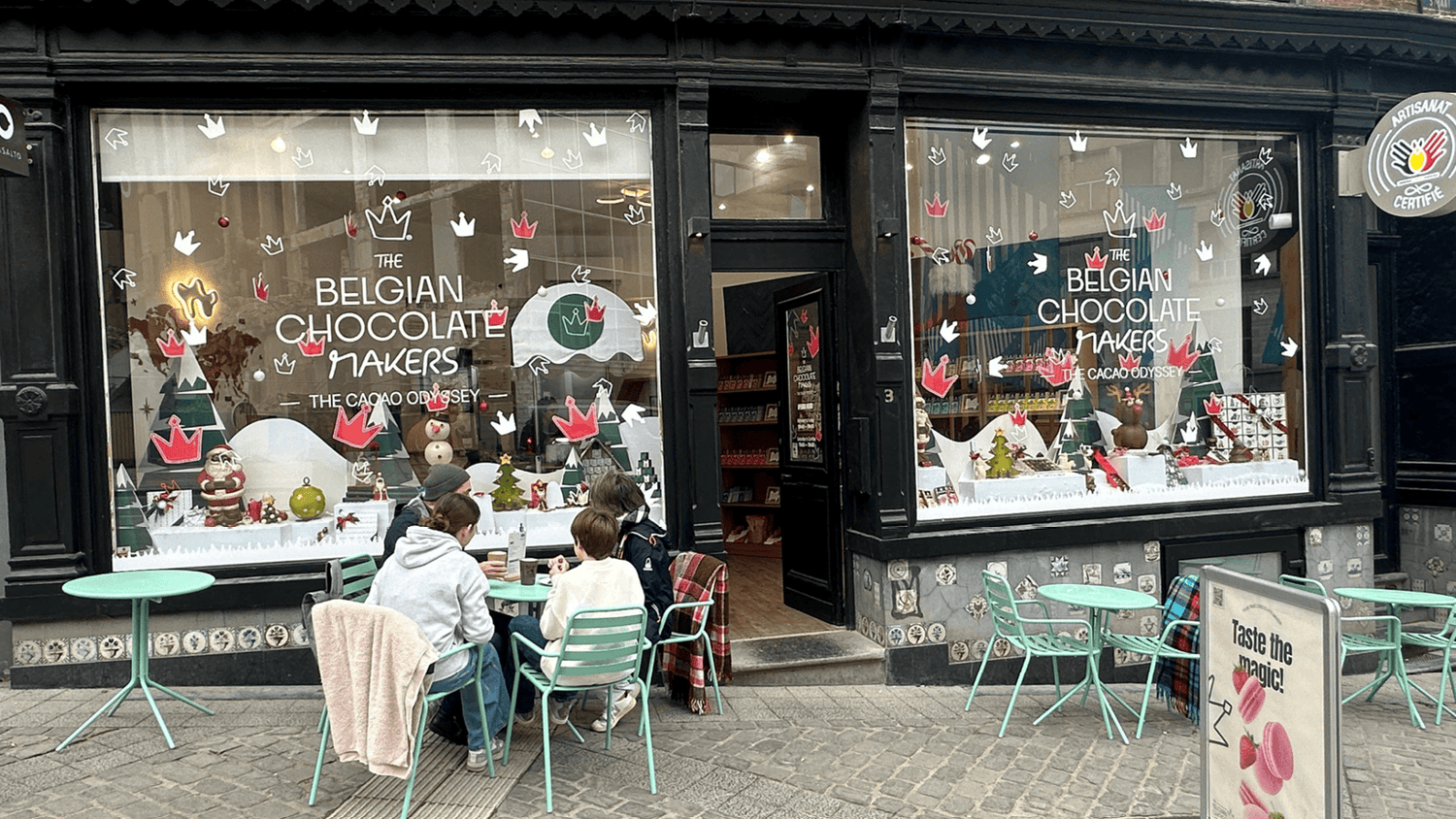
At The Belgian Chocolate Makers, chocolate is made in-house in the central Brussels workshop, from carefully sourced beans through roasting, refining, molding, and finishing. For gift buyers, this matters because origin is not a decorative detail. It is part of the product's character. The same commitment carries into a bar's clean cacao profile and a bonbon's shell, where well-made chocolate supports rather than overwhelms the filling.
Ethical sourcing belongs in this decision as well. Premium presentation is more meaningful when it is paired with transparency about cacao. Gift recipients may not study every detail on the package, but they can taste the difference that careful ingredient selection and small-batch attention make. More importantly, they receive something made with respect for both craft and source.
Match the Format to the Moment
A bar is often the right answer for a chocolate enthusiast, a traveler, a colleague with refined tastes, or a person who values provenance. It is compact, personal, and easy to savor slowly. Choose a single-origin bar for someone who enjoys tasting notes, or a bar with refined inclusions for a recipient who prefers a familiar flavor with added interest.
Bonbons are the natural choice for a shared celebration, a host gift, a romantic gesture, or a polished corporate present. They make a stronger first visual impression and offer variety when you are uncertain about personal preferences. A smaller, beautifully composed box can feel more special than a large assortment selected without care.
There are occasions when combining both is best. A bonbon assortment creates an immediate moment of celebration, while one or two bars extend the gift beyond that first opening. This is particularly fitting for holidays, milestone birthdays, and gifts for households where different people may enjoy chocolate in different ways.
Let the Recipient Lead
The finest chocolate gift does not need to be the most elaborate one. It needs to feel chosen. Give bars when you want to share a story of cacao, origin, and the maker's hand. Give bonbons when you want to offer discovery, generosity, and a table-ready moment of delight.
If you are unsure, think about how the recipient will eat it. A quiet square after dinner calls for a bar with character. A box passed around after a meal calls for bonbons with contrast and variety. That simple image will usually point you toward the gift that feels right.