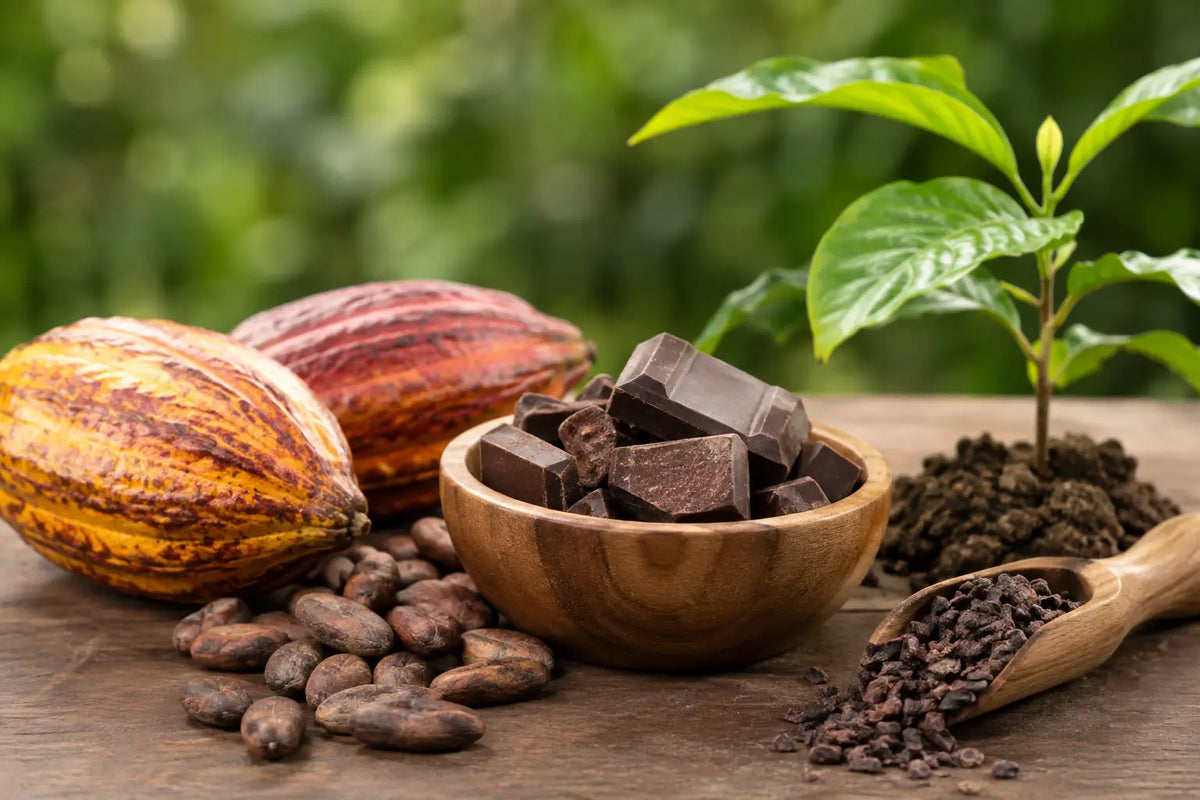
A beautiful chocolate bar begins long before cacao reaches a Brussels workshop. It begins with the conditions on a farm: who grew the cacao, what they were paid, how the land is cared for, and whether the next generation can see a future in growing it. So, can chocolate be sustainable? Yes, but only when sustainability is treated as part of chocolate making itself, not as a message added to the wrapper.
For chocolate lovers, that distinction matters. Fine chocolate is often chosen for flavor, origin, and the pleasure of giving something exceptional. Those qualities become more meaningful when they are connected to a supply chain that respects cacao producers, protects ecosystems, and values careful transformation from bean to bar.
What Sustainable Chocolate Really Means
Sustainable chocolate is not defined by one label, one ingredient, or one country of origin. Cacao is grown in complex agricultural landscapes, usually by smallholder farmers whose livelihoods can be affected by volatile prices, plant disease, changing rainfall patterns, and limited access to infrastructure.
A more sustainable model addresses several connected questions. Farmers need a price that reflects the work and risk behind quality cacao. Farms need practices that support healthy soil, biodiversity, and resilient trees. Chocolate makers need clear information about where beans come from and how they were handled. Consumers, in turn, deserve more than vague promises of ethical quality.
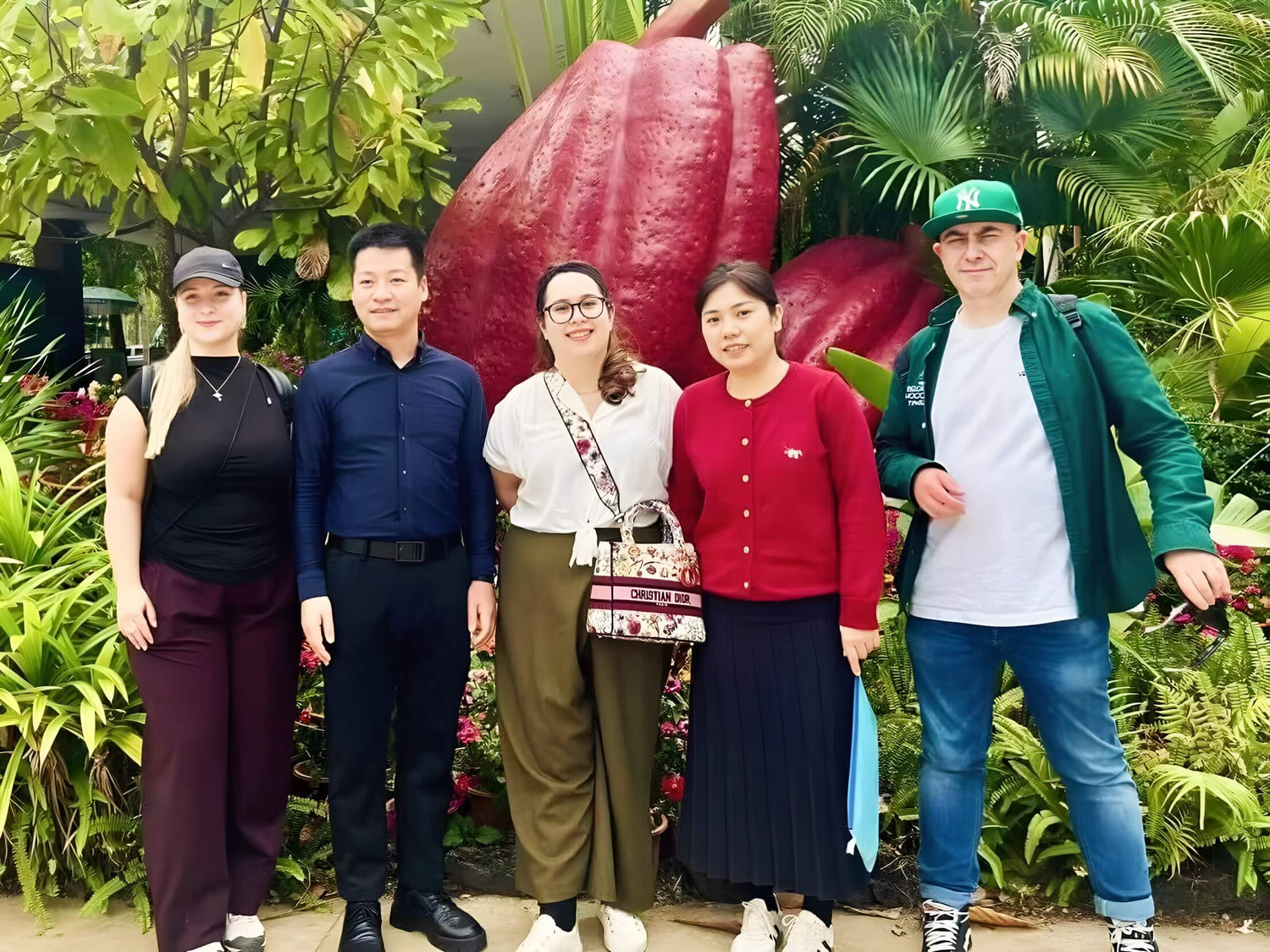
This is why traceability is so central. Knowing a cacao's country is a useful starting point, but it is not the same as knowing the cooperative, region, or farming community behind it. The closer a maker can come to the source, the better equipped they are to understand quality, relationships, and the real conditions that shape a harvest.
Can Chocolate Be Sustainable Without Fair Value?
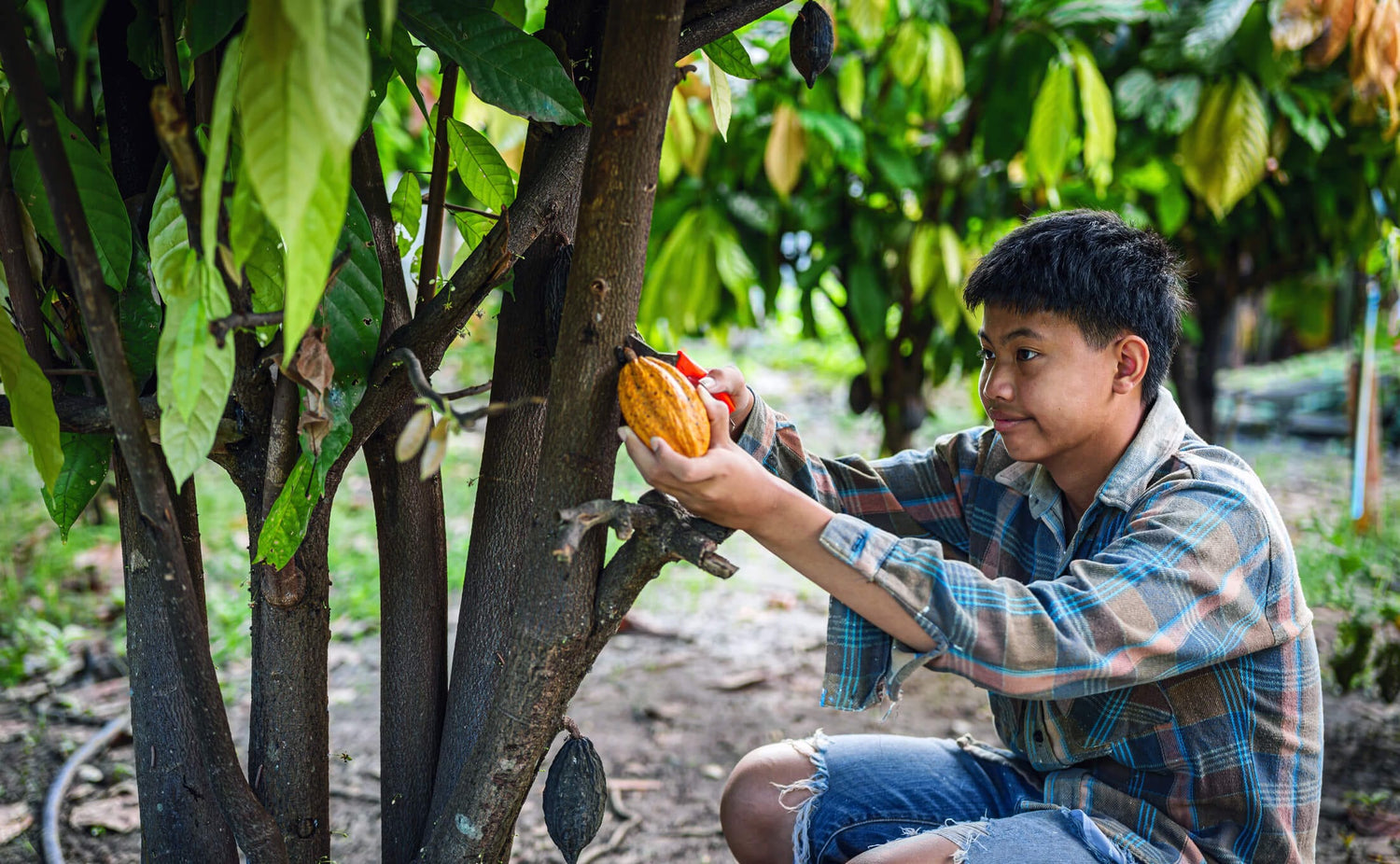
Not in any meaningful sense. Cacao farming is skilled work, and exceptional cacao requires even greater care. Harvesting ripe pods, fermenting beans correctly, drying them evenly, and sorting them for export all influence the flavor eventually found in chocolate.
Yet cacao has often been traded as a commodity, with prices that leave little room for farmers to invest in their land, families, or future crops. A sustainability claim has limited value if it does not confront this economic reality. Paying for quality, building longer-term purchasing relationships, and supporting transparent trading practices are practical ways to create more durable value at origin.
There is no single price that guarantees a perfect outcome. Costs differ by region, harvest, certification, transport, and the quality standards expected of the beans. Still, a responsible chocolate maker should be prepared to look beyond the lowest available price. Cheap cacao may carry costs that someone else has absorbed, whether that is a farming family, a forest, or a future harvest.
Why Bean-to-Bar Production Changes the Conversation
Bean-to-bar chocolate making gives artisans a direct role in the transformation of cacao. Rather than purchasing finished industrial couverture, the maker selects cacao beans and handles roasting, cracking, winnowing, refining, conching, tempering, and molding.
That control is not simply a matter of craft prestige. It creates accountability. Each lot of beans behaves differently, and its flavor is shaped by genetics, terroir, fermentation, drying, and storage. Working from the bean makes origin visible in the finished chocolate. A maker can preserve a cacao's naturally fruity, nutty, floral, or deeply cocoa-rich character instead of smoothing every bar into the same standardized profile.
It also encourages more thoughtful purchasing. When a chocolatier has experienced the work required to bring beans from raw cacao to a polished bar, provenance is not an abstract marketing term. It is part of every production decision.
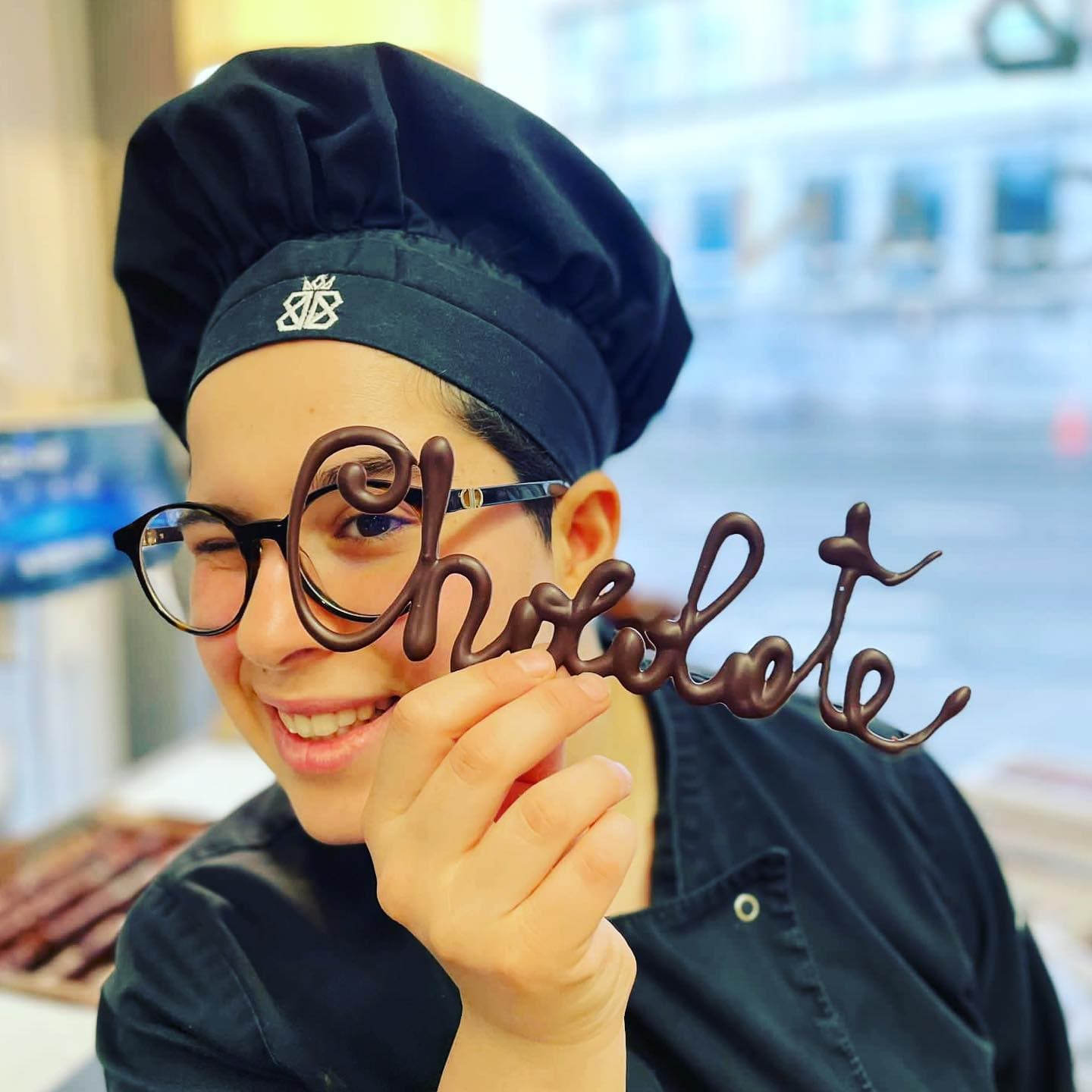
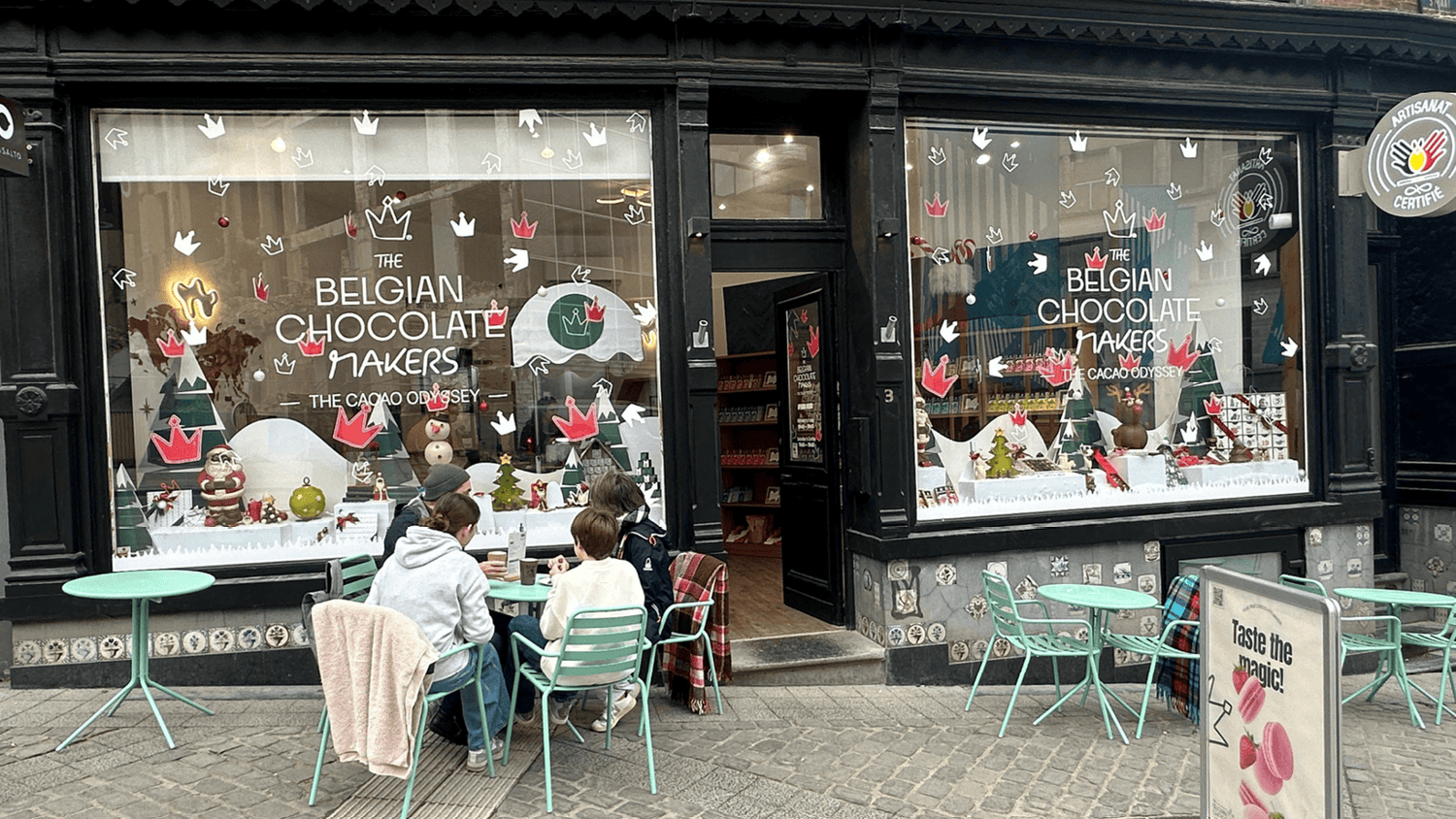
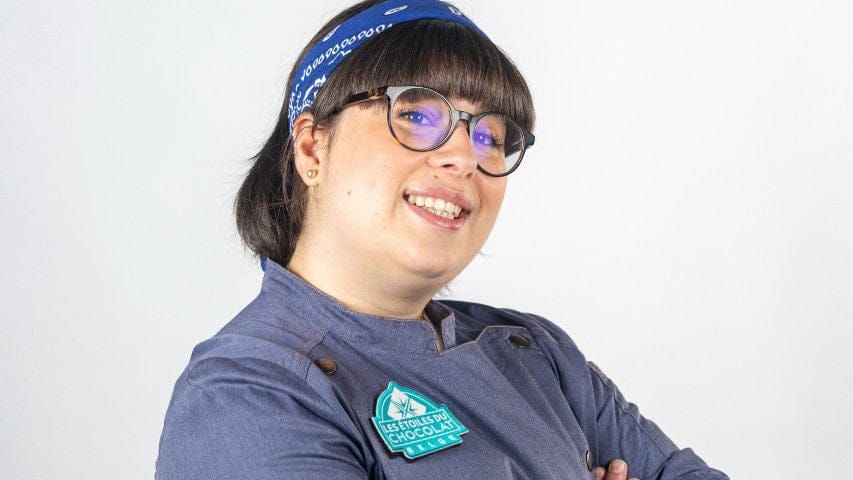
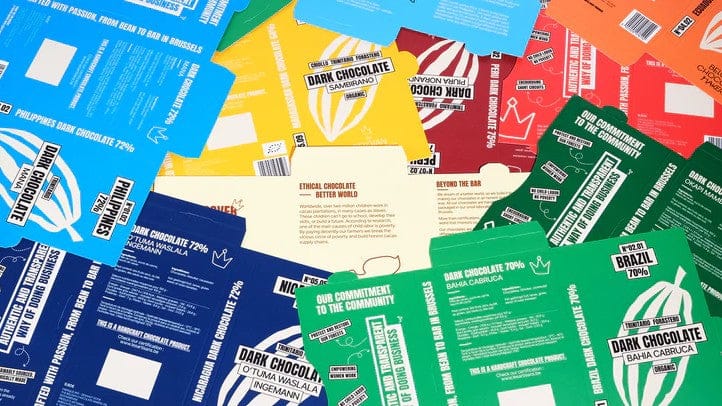
At The Belgian Chocolate Makers, chocolate is made in-house from carefully sourced cacao beans, allowing the workshop to follow the journey from roasting to the final finish. For buyers, this offers a clearer connection between the cacao's origin and the chocolate they enjoy or choose as a gift.
Environmental Care Starts at the Farm
Cacao can be grown in ways that support forest ecosystems, but it can also contribute to deforestation when production expands into vulnerable areas. The difference depends on local conditions and farming methods.
Agroforestry is often part of the answer. In these systems, cacao grows alongside shade trees and other crops rather than in a single-crop landscape. When managed well, this approach can support biodiversity, help protect soil, provide shade, and give farmers additional sources of food or income. It is not a universal solution - yields, labor needs, and local ecology must all be considered - but it is a valuable alternative to treating cacao as a crop that thrives only through expansion.
Climate resilience matters as well. Cacao trees are sensitive to heat, drought, intense rain, and disease. Responsible sourcing should recognize that stable chocolate supply depends on healthy growing regions. Supporting agricultural training, stronger farm practices, and diversified incomes can help producers weather conditions that no chocolatier can control from afar.
The Less Visible Ingredients Matter Too
Cacao is the heart of chocolate, but a sustainable bar is more than cocoa solids. Sugar, milk powder, nuts, fruit, and inclusions all have their own origins and impacts. A praline or truffle may contain dairy, cream, butter, alcohol, or nuts, each requiring the same thoughtful approach to quality and sourcing.
Packaging presents another trade-off. Premium chocolate needs protection from heat, moisture, light, and damage, particularly when it is traveling as a gift. The most minimal package is not always the most sustainable if it causes product waste or cannot protect a delicate creation. The better question is whether materials are used with restraint, whether they are practical to recycle where customers live, and whether the package is designed to be valued rather than discarded immediately.
Sustainability is rarely about perfection. It is about making informed choices, being honest about limitations, and improving the parts of the process within reach.
How to Choose Chocolate With More Confidence
For shoppers, the challenge is that sustainability language can sound convincing while saying very little. Look for chocolate makers that identify cacao origins with meaningful specificity and explain how they source their beans. A named region, cooperative, or partner signals more than a generic reference to "premium cacao."
Bean-to-bar production is another useful indicator because it shows the maker is involved in the chocolate-making process rather than only the final molding or decoration. It does not automatically guarantee ethical sourcing, but it often creates a stronger foundation for traceability, flavor transparency, and quality control.
Ask simple questions: Where is the cacao from? Who made the chocolate? Is the chocolate produced from beans or from purchased couverture? Does the company speak clearly about its sourcing relationships and standards? A trustworthy maker should welcome this curiosity.
Price can also offer context. Exceptional chocolate cannot be made responsibly at the same cost as a mass-market candy bar built around commodity ingredients and industrial scale. A higher price does not prove sustainability, but it may reflect small-batch production, better cacao, skilled labor, and more careful packaging. The details behind the price are what matter.
A Better Standard for a Favorite Treat
Chocolate will always involve distances, agriculture, energy, and global trade. No bar can erase those realities. But the industry can make better choices at every stage: valuing growers, rewarding quality, protecting growing landscapes, reducing unnecessary waste, and making origins easier to understand.
The most satisfying chocolate is not only rich, smooth, or beautifully presented. It carries a sense of care from the cacao farm to the final square. Choosing it is a small pleasure, but it can support a more thoughtful future for the people and places that make chocolate possible.