A 70% bar can be bright with red fruit, mellow with caramel, or sharply bitter. That is why cacao percentage versus flavor is not a simple equation. The number on a wrapper tells you something useful about a chocolate’s composition, but it cannot tell you the whole sensory story. To choose chocolate with confidence, look beyond the percentage and consider the bean, the maker, and the way the chocolate is made.
For anyone buying a bar for personal enjoyment or selecting a thoughtful gift, this distinction changes the experience. A well-made 60% chocolate may taste more deeply of cacao than a poorly handled 85% bar. Higher percentage is not automatically more refined, more intense, or more enjoyable.
What a Cacao Percentage Actually Tells You
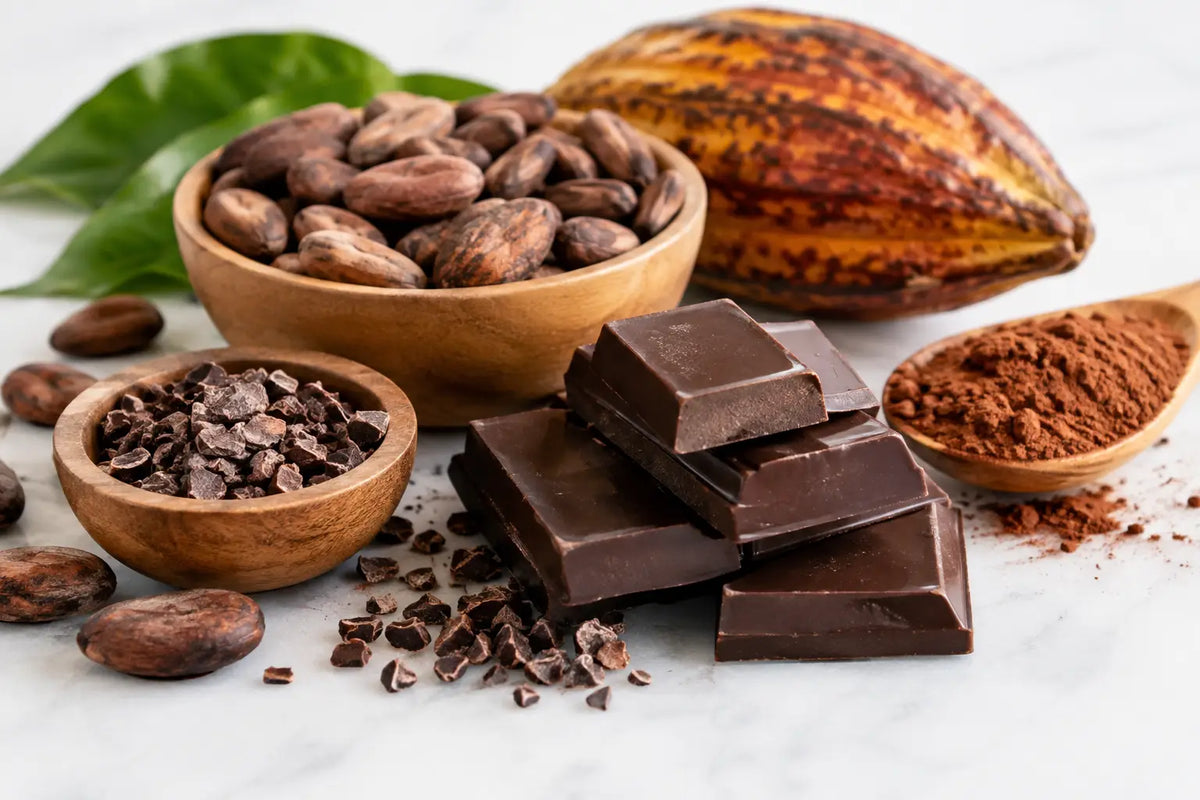
A cacao percentage states how much of a chocolate is made from cacao ingredients, usually cocoa mass and cocoa butter combined. In a dark chocolate labeled 70%, the remaining 30% is commonly sugar, with a small amount of vanilla or other ingredients depending on the recipe. Milk chocolate follows the same principle, though its non-cacao portion also includes milk solids.
That makes percentage a useful starting point. It gives a broad indication of sweetness: as cacao content rises, there is generally less room for sugar. It also suggests the likely body of the chocolate. A 55% dark bar often feels rounder and sweeter, while an 80% bar may offer more concentrated cocoa character and a drier finish.
But the figure does not reveal the ratio of cocoa mass to cocoa butter. Two bars marked 70% can be formulated very differently. One may contain more cocoa butter, creating a silkier melt and a gentler impression. Another may contain more cocoa mass, bringing greater density, tannin, and roasted depth. The percentage alone cannot distinguish between them.
Cacao Percentage Versus Flavor: Why the Number Is Not a Tasting Note
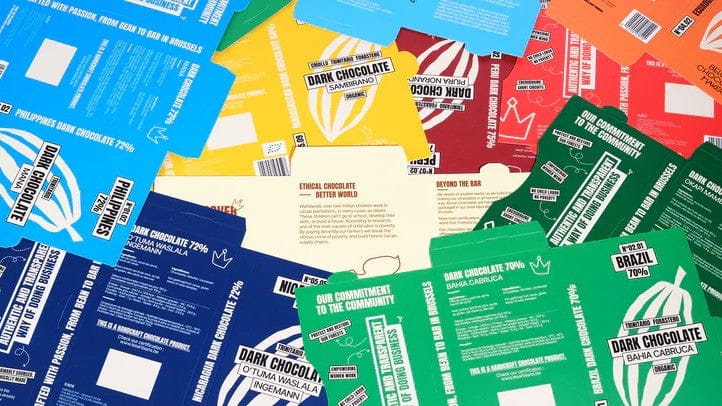
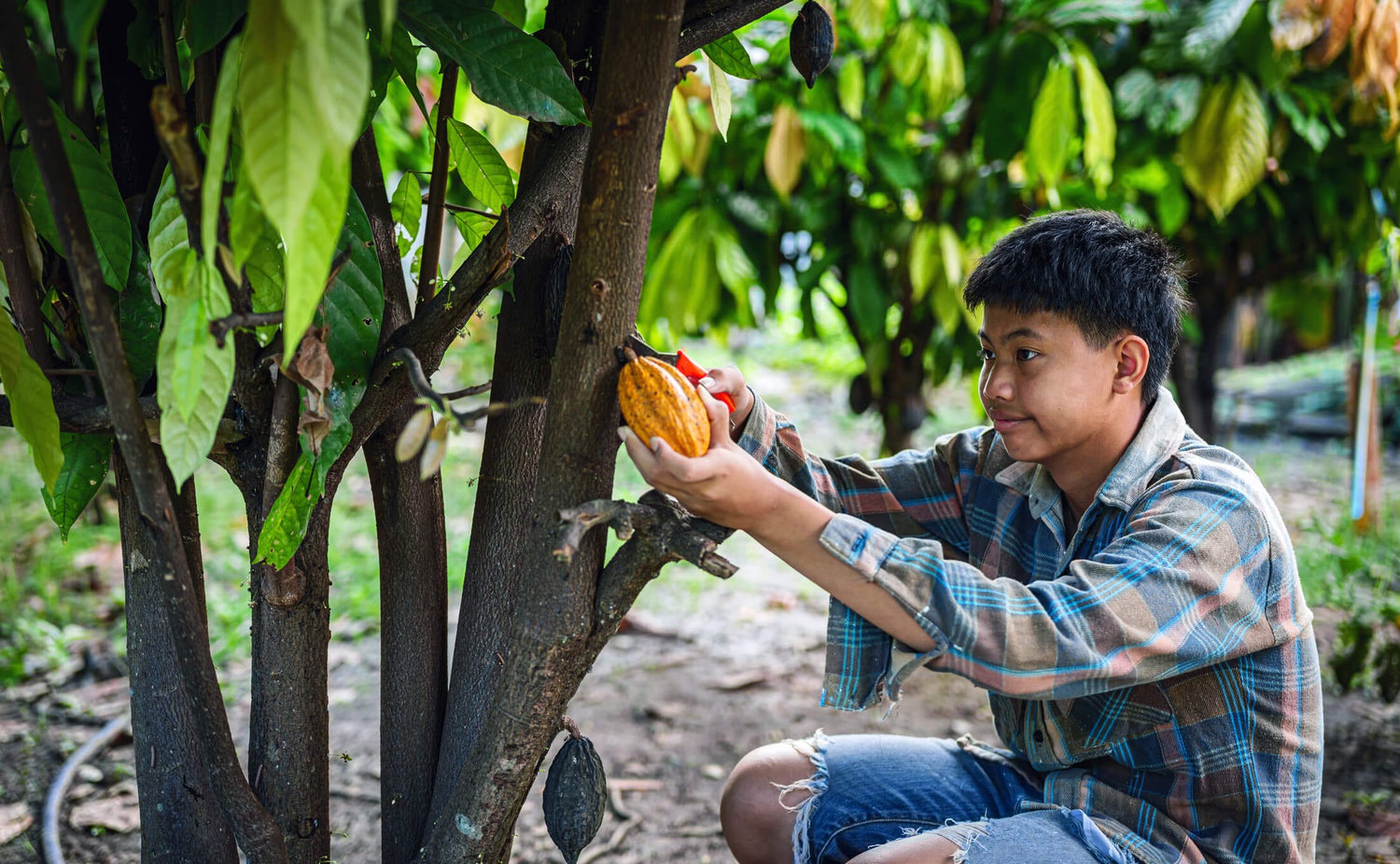
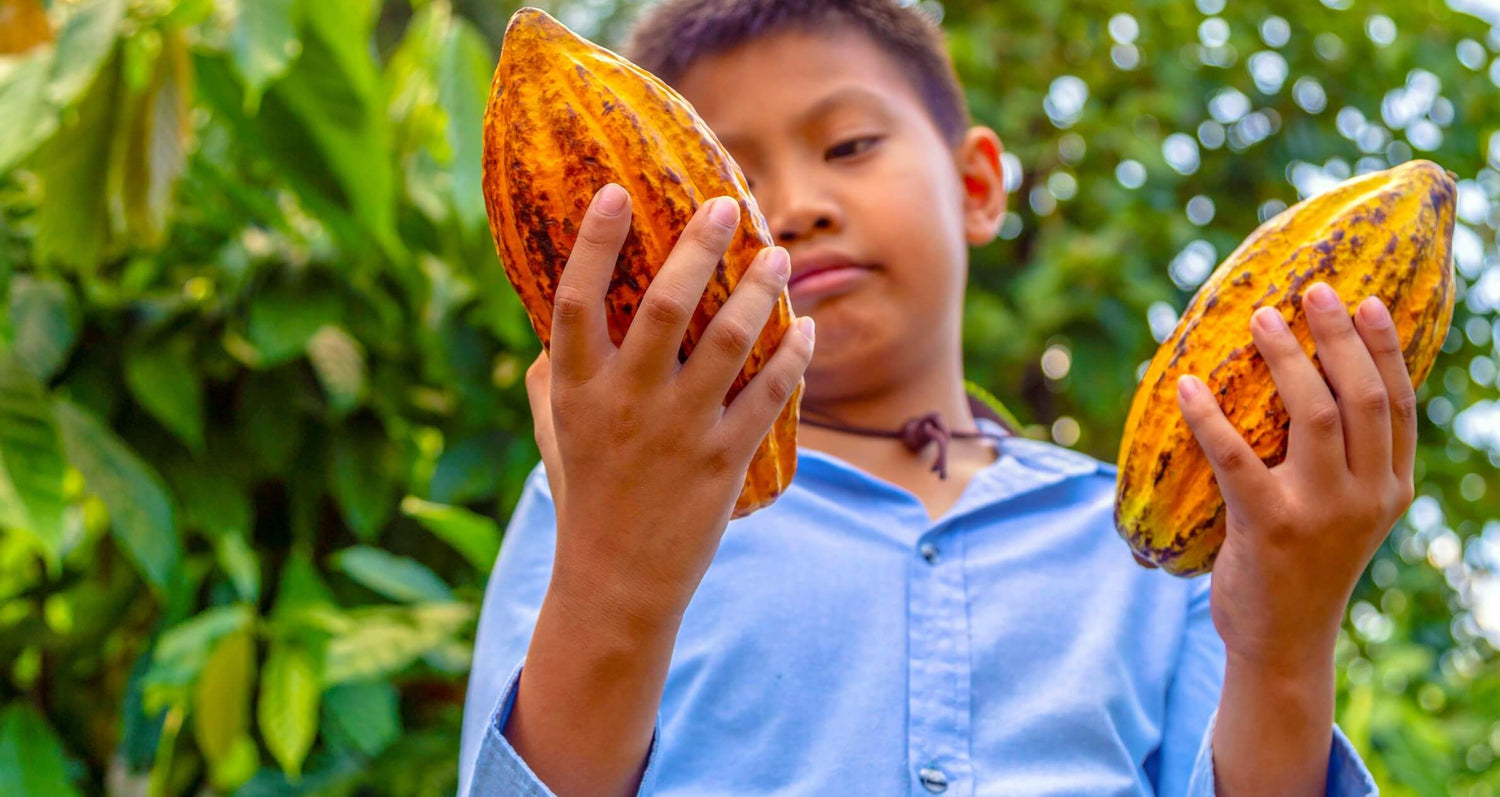
Flavor begins long before chocolate reaches the workshop. Cacao is an agricultural ingredient, and its personality is shaped by variety, soil, climate, harvest practices, fermentation, and drying. Beans from Madagascar may suggest citrus and berry; a carefully fermented cacao from Ecuador can show floral or nutty notes; other origins may lean toward dried fruit, molasses, coffee, or warm spice.
Those are not added flavors. They are natural aromatic qualities within the bean, preserved or obscured according to the choices made after harvest.
A 70% chocolate made with expressive, lightly roasted beans can taste vivid and fruit-forward. Another 70% bar made from a different origin and roasted more deeply may taste like toasted nuts, brownie, or espresso. Neither is more authentic. They simply offer different interpretations of cacao.
The same is true at high percentages. An 85% bar can be remarkably balanced if the beans are naturally sweet, cleanly fermented, and refined with care. Yet a 70% bar can taste more bitter if the cacao has excessive astringency, if the roast is too forceful, or if the texture remains coarse. Percentage affects the frame, not every detail inside it.
Origin Gives Chocolate Its Sense of Place
Single-origin chocolate is especially helpful for understanding flavor beyond the label. When beans come from one country, region, cooperative, or estate, the maker can highlight a more recognizable expression of place. That can make tasting especially rewarding for curious chocolate lovers and for gift recipients who appreciate a story with substance.
Still, origin is not a guarantee of one fixed flavor. Fermentation can vary from one harvest to another, and each chocolate maker brings a distinct approach to roasting and recipe development. The point of origin is not to promise that every bar from a country will taste the same. It is to offer traceability and a meaningful connection between the finished chocolate and the people and landscapes that produced its beans.
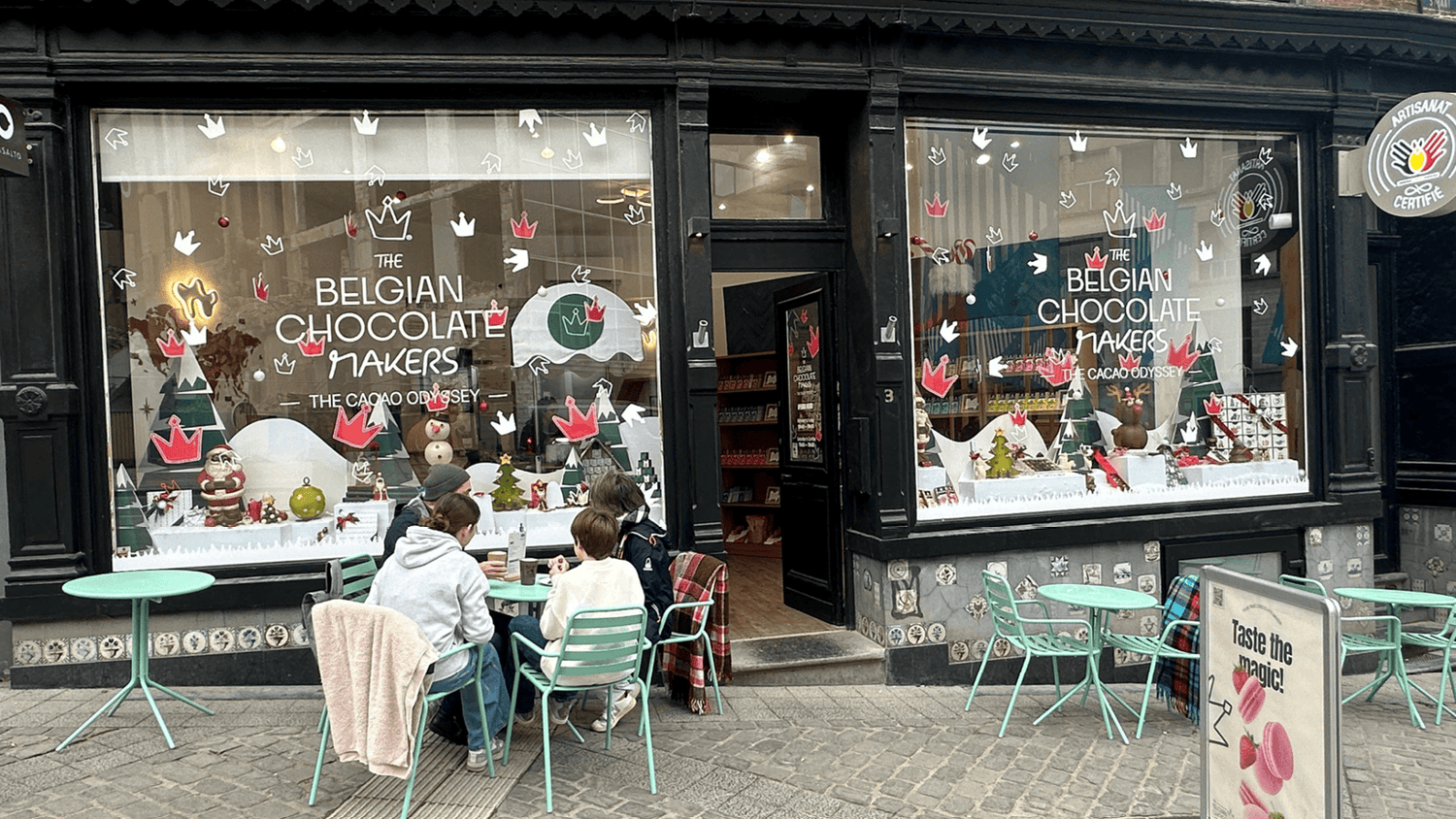
For bean-to-bar makers, sourcing matters because there is an opportunity to work with the character already present in the cacao. In a Brussels workshop, The Belgian Chocolate Makers can make those decisions from roasting through molding rather than relying on a pre-made industrial couverture. That control is where origin has the chance to remain recognizable on the palate.
Roast, Refining, and Conching Shape What You Taste
Roasting is one of chocolate making’s most influential decisions. A lighter roast may preserve delicate fruit, floral notes, and natural acidity. A deeper roast can bring comfortingly familiar flavors of toast, biscuit, coffee, and cocoa powder. Neither approach is universally better. The right roast depends on the beans and on the flavor the maker wants to present.
Refining affects texture, which affects flavor perception. When chocolate particles are refined finely and evenly, the bar melts smoothly, allowing aromas to develop gradually. If particles are too large, the chocolate can feel gritty and may distract from the cacao’s finer notes. A smooth texture is not merely luxurious - it is part of how flavor is delivered.
Conching, the extended mixing and aeration of chocolate, further shapes the final profile. It can soften sharp acidity, round rough edges, and integrate sugar with cacao. Too little may leave a bar raw or abrasive. Too much can mute some of the brighter notes that made the beans distinctive. Skilled chocolate making is a series of considered trade-offs, not a race toward the highest number or the longest process.
Bitterness Is Not the Same as Intensity
Many shoppers assume that darker chocolate must be bitter and that bitterness is proof of quality. In reality, a degree of bitterness is natural in cacao, particularly at higher percentages, but harsh bitterness can also point to over-roasting, poor fermentation, or an unbalanced recipe.
Intensity is broader than bitterness. A chocolate can be intense with fruit, nuttiness, creaminess, roasted depth, or lingering floral aroma. A 64% dark milk chocolate, for example, may carry a substantial cacao presence while its milk notes create a softer, more approachable finish. This can be an excellent choice for someone who finds traditional dark chocolate too austere but wants more complexity than a standard milk bar offers.
When tasting, notice the finish. Does the flavor disappear quickly, or does it evolve after the chocolate melts? Does the bitterness feel clean and pleasantly dry, or does it linger in a way that masks everything else? A memorable chocolate has balance, even when it is intentionally bold.
Choosing a Percentage for Your Palate
There is no correct percentage for everyone. The best choice depends on what you enjoy and when you plan to serve it. For an everyday bar, many people find the 60% to 75% range offers a satisfying meeting point between cacao character, sweetness, and ease of eating. Within that range, origin and craftsmanship create considerable variety.
If you enjoy coffee, toasted nuts, and a less sweet finish, explore 75% to 85% bars. Give them time to melt rather than biting and swallowing quickly. The warmth of the palate releases aromas that are easy to miss otherwise.
If you prefer creamier chocolate or are introducing someone to craft cacao, consider milk chocolate with a higher cacao content or a carefully made dark chocolate around 55% to 65%. These can be particularly versatile for gifting because they remain generous and accessible while offering genuine complexity.
For baking, the decision is more practical. A high-percentage bar brings less sugar to a recipe, but its roast and origin still influence the result. A fruity chocolate can be beautiful with berries or citrus; a deeper roasted profile may better suit brownies, cookies, and caramel. Taste the chocolate first, then imagine its flavor in the finished dessert.
How to Read a Chocolate Bar More Thoughtfully
Treat the cacao percentage as one useful clue among several. Look for the origin of the beans, the ingredient list, and whether the maker explains how the chocolate is produced. A short ingredient list is often a good sign, though simplicity alone does not guarantee exceptional flavor. The quality of the beans and the care of the process remain decisive.
Then let your own palate have the final word. Break off a small piece, listen for a clean snap, and allow it to melt slowly. Notice the opening flavor, the middle notes, and the finish. A bar may begin with caramel sweetness, move toward roasted hazelnut, and end with a hint of dried cherry. That progression tells you far more than a percentage ever could.
The most rewarding chocolate is not necessarily the darkest bar on the shelf. It is the one whose cacao, recipe, and craft come together in a flavor you want to return to - and one you are pleased to place in someone else’s hands.