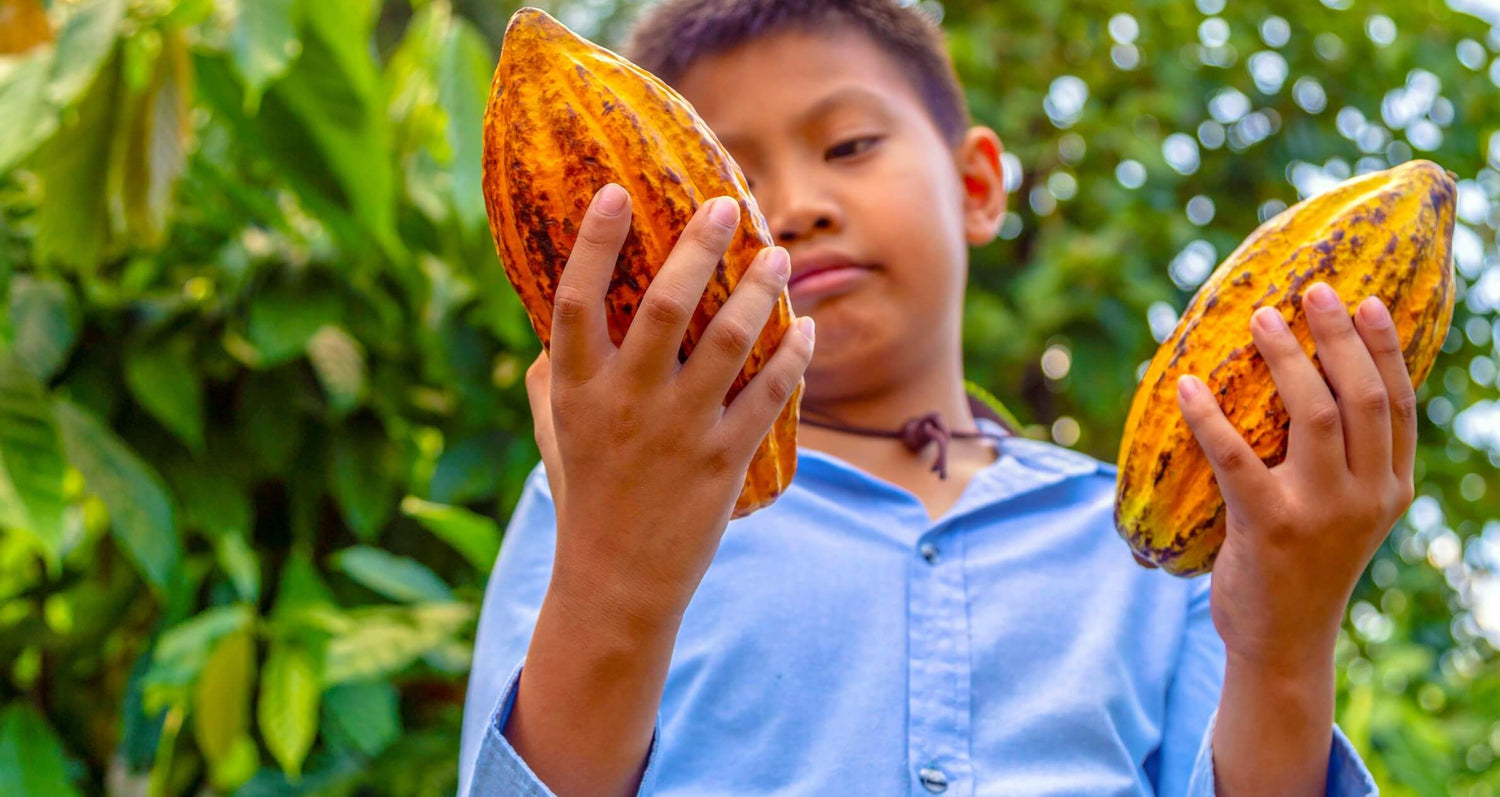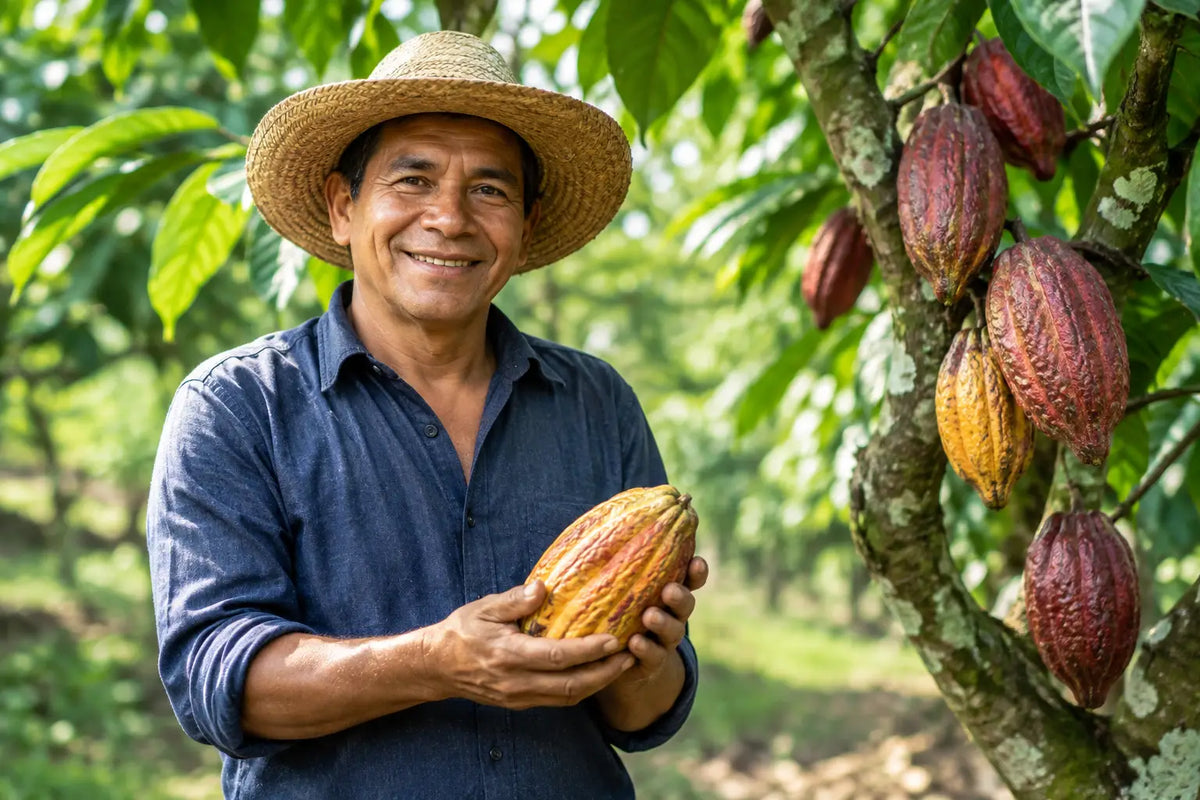
A chocolate bar begins long before cacao reaches a roasting drum in Brussels. It begins with decisions made on a farm: when to pick a pod, how long to ferment the beans, whether drying can happen under clear skies, and what price a family receives for its crop. Cacao farmer stories bring those decisions into view. They replace the vague romance of “single origin” with something more meaningful: an understanding that flavor, quality, and dignity are closely connected.
For those who choose fine chocolate for its character, origin is not a decorative detail on a wrapper. It is part of the product itself. A bar can carry notes of red fruit, toasted nuts, honey, or deep cocoa because of the genetics of the cacao, the local climate, and the care taken after harvest. Behind each of those qualities are people whose skill deserves to be recognized.
Why Cacao Farmer Stories Matter
Cacao is often discussed as a commodity, priced by the ton and traded far from the places where it is grown. That language can obscure the work involved in producing fine cacao. Most cacao is grown by smallholder farmers, often on modest plots that may also provide fruit, timber, or food crops for the household.
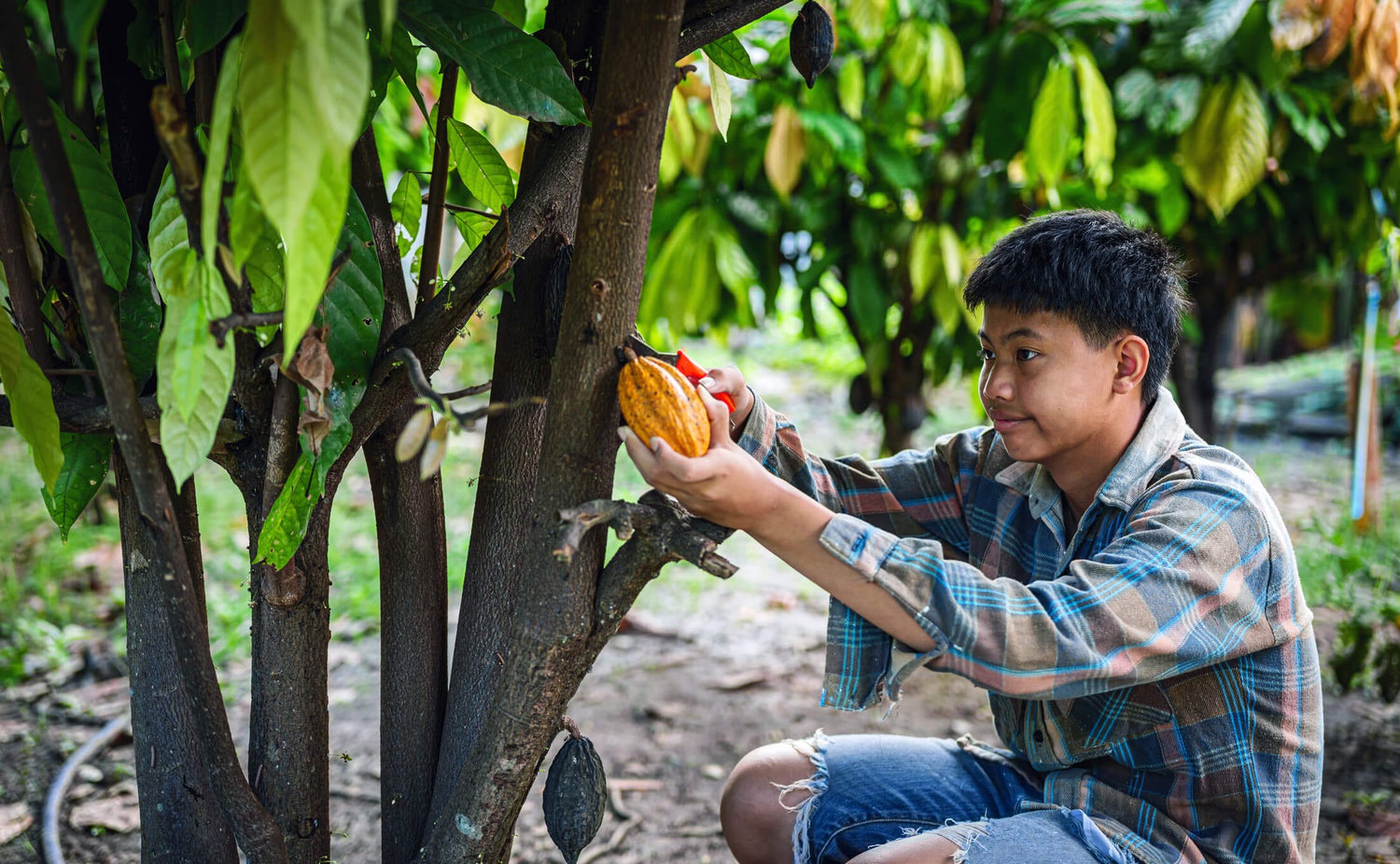
Their work is agricultural, but it is also highly technical. A farmer reads the ripeness of pods, manages tree health, and plans harvests around rain. After pods are opened, the wet beans must be gathered and fermented with care. The process is not identical from one farm or community to another. Box size, turning schedule, ambient temperature, and fermentation length can all affect the eventual flavor.
When chocolate makers understand and value that work, they can make better decisions in their own workshop. A clean, well-fermented cacao bean gives the maker more to preserve through roasting, refining, and conching. Poorly handled beans may be impossible to transform into a truly expressive bar, however polished the final packaging may be.
Farmer stories also ask a necessary question: who benefits when a chocolate is sold as exceptional? Premium chocolate should not treat origin as an aesthetic borrowed from farming communities. It should encourage a supply chain in which quality is identified, traceable, and rewarded.
The Craft Before the Chocolate Maker
The words bean-to-bar describe a chocolate maker’s control over transformation, from raw cacao to finished bar. Yet the craft begins earlier, on the farm and at the fermentation site. Good chocolate depends on a chain of skilled hands rather than one final act of manufacture.
Harvest is a quality decision
Cacao pods do not all ripen at once. Harvesting requires repeated walks through the farm and the judgment to select ripe pods while leaving immature ones on the tree. Pods that are overripe, diseased, or damaged can compromise a batch. This may sound simple, but it is careful fieldwork performed across changing weather conditions and fluctuating harvest volumes.
Cacao trees are also vulnerable to pests, disease, drought, and excessive rain. For a smallholder household, these are not abstract agricultural risks. They can determine the year’s income. Long-term sourcing relationships matter because they create room for honest conversations about crop quality, supply, and the pressures growers face.
Fermentation creates flavor potential
Fresh cacao beans are surrounded by sweet pulp. During fermentation, naturally occurring microorganisms transform that pulp and initiate chemical changes inside the bean. This is where many of chocolate’s future flavors begin to develop.
Under-fermentation can leave beans harsh, astringent, or flat. Over-fermentation can produce undesirable notes. The right result depends on the cacao variety, local conditions, and the flavor profile a producer seeks. There is no universal number of days that guarantees excellence.
Drying is equally consequential. Beans must be dried slowly and evenly enough to reach a stable moisture level without picking up smoke, mold, or off-flavors. In regions with unpredictable rain, that can demand infrastructure as well as expertise. Drying beds, protective covers, storage, and reliable transport may not look glamorous, but they have a direct relationship to the quality in a finished chocolate bar.
What Traceability Should Actually Mean
Traceability has become a familiar word in premium food, but it can mean very different things. At its most basic, it may identify a country of origin. More meaningful traceability can identify a region, cooperative, fermentation center, or farm group and explain how cacao moves from producer to maker.
The level of detail depends on the supply chain. In some regions, cacao from neighboring farms is intentionally combined at a central fermentation facility because this creates a more consistent process. In others, a small farm or estate may be separated as an individual lot. Neither model is automatically better. The important question is whether the chocolate maker can understand the lot, communicate its origin accurately, and maintain accountability in purchasing.
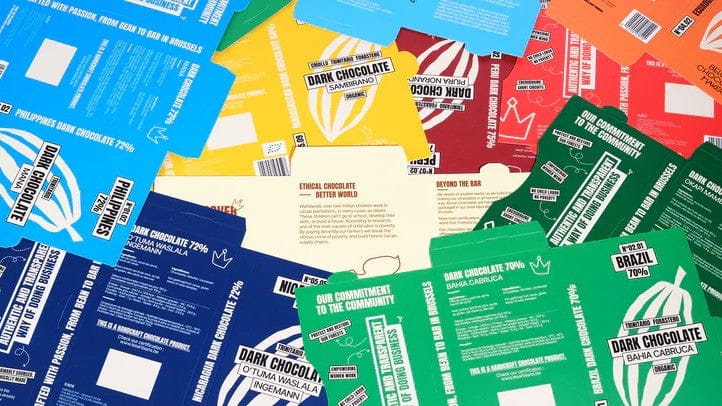
For a customer, this makes label reading more useful. Country names are a starting point, not a complete story. Consider whether a maker provides a clear origin, discusses post-harvest practices, and explains its approach to sourcing without relying on vague claims. Specificity is a stronger sign of care than a generic promise of “ethical” chocolate.
Ethical sourcing also requires humility. Paying a higher price for cacao can be meaningful, but price alone does not resolve every challenge in cacao-growing communities. Living income, land rights, gender equity, education, climate resilience, and child labor prevention require sustained local work and responsible partnerships. The most credible chocolate businesses avoid presenting a single purchase as a complete solution. They show how they make decisions, keep learning, and remain answerable for their claims.
How Farmer Partnerships Shape a Better Bar
A thoughtful sourcing relationship benefits everyone when it is built for the long term. Farmers and producer organizations gain a clearer understanding of what quality buyers seek. Makers gain access to beans with distinctive, reliable flavor. Customers receive chocolate with a real sense of place.
That does not mean every cacao harvest should taste identical. Weather varies. Fermentation conditions vary. Cacao is a crop, not a standardized industrial input. A small variation between harvests can be evidence that chocolate remains connected to agriculture. Skilled makers manage those changes carefully through roast profiles and recipe development, while respecting the character of the bean rather than covering it with excessive sugar or flavoring.
This is one reason small-batch production matters. It gives a maker the opportunity to assess each cacao lot, adjust the roast, and taste repeatedly throughout production. At The Belgian Chocolate Makers, transforming carefully sourced beans in-house makes that connection tangible: the choices at origin can be honored through every stage, from roasting and refining to molding a finished bar.
For gift buyers, this adds another dimension of value. A beautiful box of chocolates should feel generous, but it can also carry a story worth sharing at the table. The most memorable gifts are not only luxurious. They have integrity behind their presentation.
Cacao Farmer Stories Worth Asking About
When choosing craft chocolate, a few thoughtful questions can help distinguish real origin engagement from marketing language. Who grew or organized the cacao? Where was it fermented? Is the stated origin a country, region, cooperative, or specific lot? Does the maker describe how it purchases and evaluates its beans?
You do not need a lengthy report to appreciate a bar. A concise, honest account can be enough, especially when it names the people or communities involved and avoids grand promises that cannot be proven. The goal is not to turn every tasting into an investigation. It is to give attention to the expertise that made the chocolate possible.
There is also room for pleasure. Taste the chocolate slowly and notice what changes as it melts. A bright, fruit-forward bar may reflect a particular fermentation style; a rounded, nutty profile may speak to a different cacao and roast. These impressions are not a substitute for fair sourcing, but they remind us why careful farming and careful making both matter.
The next time you give or enjoy a fine chocolate bar, let its origin be more than a line on the label. Ask whose knowledge shaped the beans, then taste the answer with the attention it deserves.