A client gift is never just a gift. It signals how carefully you choose partners, how well you understand the occasion, and whether your thanks feels personal rather than procedural. The best chocolate gifts for clients strike that balance with unusual ease: they are generous without being excessive, universally enjoyable without feeling generic, and refined enough to represent your business well.
Chocolate is also one of the few premium gifts that can suit a wide range of professional relationships. A thoughtful box can welcome a new customer, recognize a long-standing account, mark the end of a project, or add warmth to a holiday message. The difference lies in the chocolate itself, the presentation, and the care taken to match the gift to its recipient.
Why chocolate makes a strong client gift
A good client gift should feel considered, not promotional. Unlike branded office accessories or novelty items, fine chocolate invites a genuine moment of pleasure. It can be shared around a team table, enjoyed after dinner, or saved for a quiet break. That makes it appropriate across industries and cultures, particularly when the selection is elegant and the ingredients are clearly presented.
Quality matters more than quantity. A large assortment made with anonymous industrial chocolate can look impressive at first glance, but it rarely leaves a lasting impression. Bean-to-bar chocolate offers a more meaningful alternative. When a maker roasts, refines, molds, and finishes chocolate in its own workshop, the resulting flavor has a clear point of view. Cacao origin, roasting profile, texture, and recipe all become part of the experience.
For clients who care about sourcing, this matters as much as flavor. Traceable cacao and thoughtful ingredient choices give a gift greater credibility. They show that luxury does not need to be detached from responsibility.
The best chocolate gifts for clients by occasion
The right format depends on the relationship, the number of recipients, and the message you want to send. A single-origin tasting set may be ideal for a client who loves food and craft. An elegant assortment of pralines may be better for a larger office or a festive gathering. The following formats cover the occasions most businesses encounter.
1. Single-origin chocolate bar collections
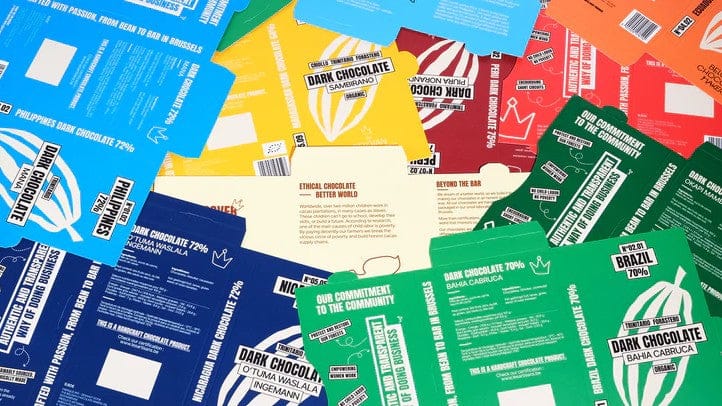
A collection of single-origin bars is one of the most distinctive gifts for a client with an interest in food, wine, coffee, or design. Each bar offers a different expression of cacao, shaped by its growing region and the maker’s process. One may have bright red-fruit notes, another a warm roasted-nut character, and another a deep, balanced cocoa finish.
This is a gift with a story, but it does not need a lengthy explanation to be appreciated. A well-presented set allows the recipient to taste the difference between origins at their own pace. It is especially suited to individual decision-makers, project leads, and clients you know well enough to choose something more personal.
2. Premium praline assortments
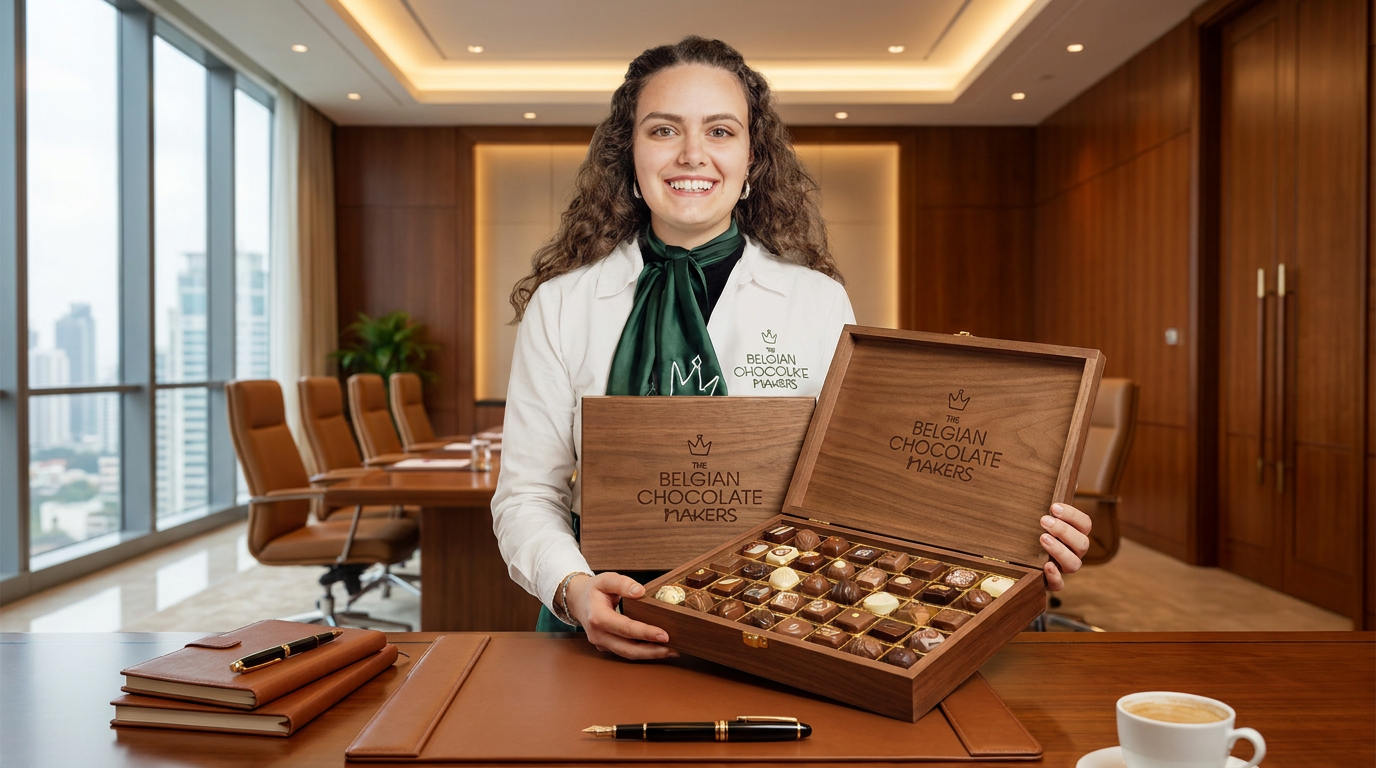
Pralines remain a classic Belgian client gift for good reason. They feel celebratory, generous, and immediately shareable. The best assortments combine a polished exterior with fillings that are balanced rather than overly sweet: silky ganaches, nut pralines, fruit-forward centers, caramels, and delicate spices.
For a corporate setting, choose an assortment with a broad range of flavors and clear ingredient information. This gives a team more opportunities to find something they enjoy. It is also wise to consider whether the recipient may need to accommodate dietary preferences. A separate dark chocolate selection, for example, can be useful when milk chocolate is not the right fit.
3. Handcrafted truffle boxes
Truffles are a natural choice when you want the gift to feel especially luxurious. Their soft centers and delicate finish create a sense of occasion, making them well suited to milestone anniversaries, executive thank-yous, and year-end gestures.
Because truffles are often more perishable than bars, timing is part of the decision. They are best ordered for delivery close to the occasion and should be kept away from heat. That little bit of planning pays off: a fresh, carefully made truffle is a memorable expression of craft, while a poorly stored one can lose much of its appeal.
4. Chocolate and spread gift sets
For a client gift that feels warm and slightly unexpected, consider pairing artisan chocolate with a premium chocolate spread. This format works particularly well for family-owned businesses, creative teams, and clients who appreciate gifts that can be enjoyed beyond the office.
A spread made with real chocolate and carefully selected nuts has an everyday usefulness that a formal gift box may not. Paired with a few bars or mendiants, it creates a generous collection without becoming overly formal. It can also work well for client households during the holidays, when a gift is likely to be shared.
5. Mendiants and chocolate discs
Mendiants - chocolate discs finished with nuts, dried fruit, or seeds - are an excellent option for a lighter, visually appealing gift. They have texture, color, and an artisanal character that feels less predictable than a standard box of chocolates.
These are especially useful for events, meeting-room hospitality, and gifts intended for a group. They are easy to serve and can offer a welcome mix of flavors in a compact format. Look for generous toppings and chocolate with enough depth to hold its own against the fruit and nuts.
6. Seasonal chocolate collections
Seasonal collections bring relevance to a client gift. A winter selection may include warming spices, festive shapes, and richer flavors, while spring and summer gifts can feel brighter and lighter. The key is to choose a collection that reflects the season without relying on gimmicks.
Holiday gifting is often the obvious moment for chocolate, but it is also the busiest. If you are sending gifts to several clients, order early and confirm delivery details well before seasonal shipping delays begin. A gift that arrives after the holiday has passed can still be enjoyed, but it loses some of its intended thoughtfulness.
What separates fine chocolate from a generic gift
The most effective client gifts have a clear standard behind them. With chocolate, that begins with the cacao. Bean-to-bar makers oversee the transformation from cacao bean to finished chocolate, rather than purchasing ready-made couverture for molding and filling. This closer control allows for more intentional flavor development and greater transparency around origin.
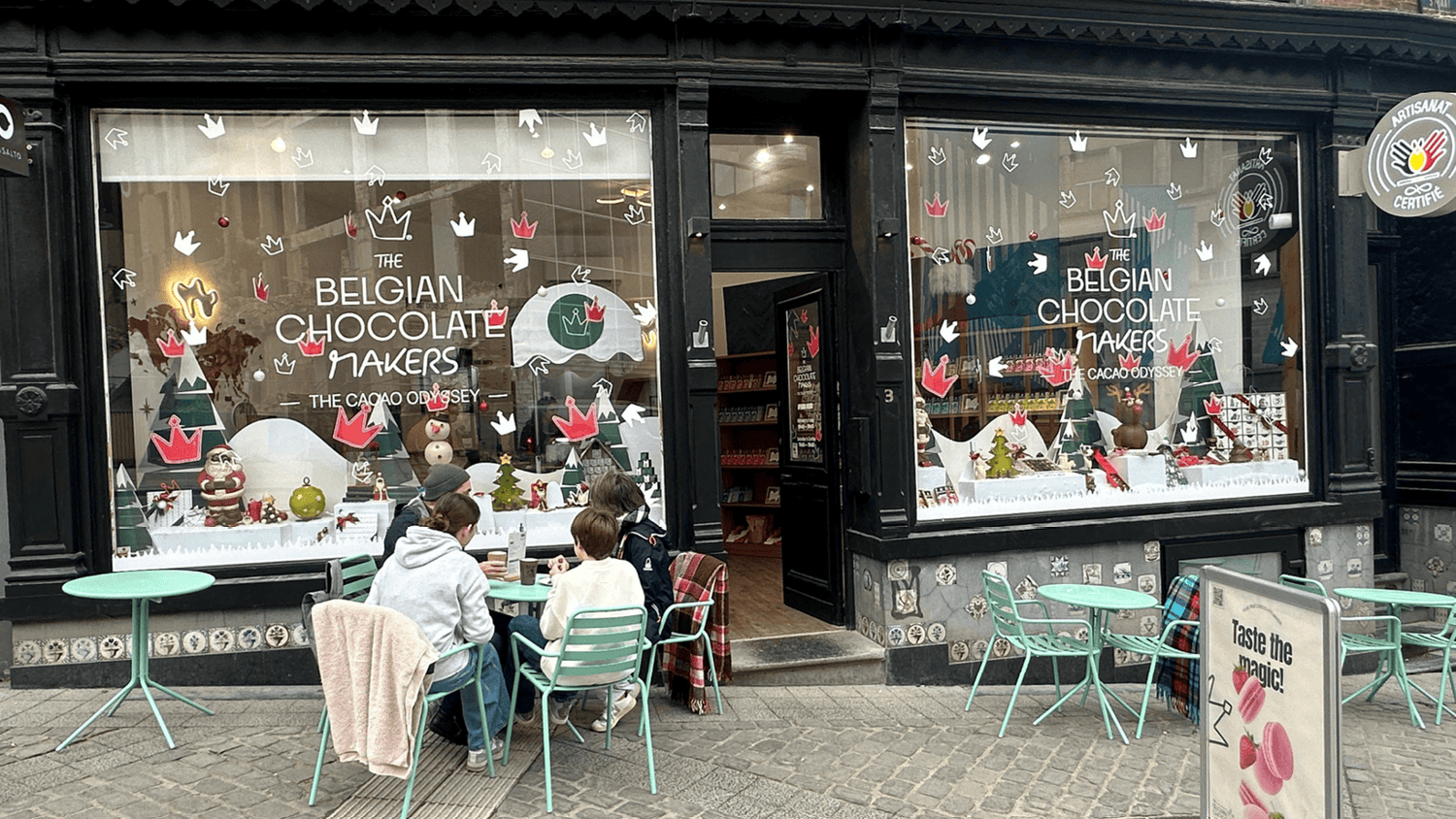
At The Belgian Chocolate Makers, chocolate is made in the central Brussels workshop from carefully sourced cacao beans, then shaped into bars, pralines, truffles, spreads, and gifting collections. For a client recipient, that process adds substance to the presentation. The gift is not simply Belgian in name or packaging. It reflects a craft tradition carried through the chocolate-making process itself.
Packaging still matters. A refined box should protect the chocolates, travel well, and feel appropriate when opened in a professional setting. Avoid packaging that is so heavily branded that it reads as advertising. A discreet card with a brief personal message is usually more effective than a large logo or a long sales note.
How to choose the right gift size and style
Start with the relationship, not the budget alone. A small but beautifully made bar collection can be more meaningful than a large, impersonal assortment. For one important contact, choose something distinctive and origin-led. For a department or office, select a larger sharing box with familiar and adventurous options.
Consider company gift policies before choosing a high-value item. Some organizations limit what employees may accept, especially in regulated fields. In those cases, a modest chocolate gift for the whole team is often more appropriate than an elaborate personal hamper.
Personalization should be subtle. If you know a client prefers dark chocolate, a dark-focused selection shows attention. If you do not know their tastes, a balanced mixed assortment is safer. It is better to offer excellent variety than to make a confident but narrow choice.
Finally, think about logistics. Chocolate is sensitive to heat, and fresh products have a shorter ideal window than shelf-stable bars. Confirm the recipient will be available, avoid leaving gifts in warm reception areas, and include a clear gift message so the package is not mistaken for an unsolicited delivery.
The finest client gifts do not ask for attention. They earn it quietly, through real flavor, thoughtful sourcing, and a presentation that tells the recipient they were worth choosing for.