A perfectly finished praline can conceal a great deal: the origin of its cacao, the quality of its ingredients, and whether anyone in the room has actually worked with chocolate beyond melting it. The best Brussels chocolate workshops make those distinctions visible. They offer more than a pleasant afternoon of decorating sweets. At their best, they reveal why Belgian chocolate has earned its reputation - and why the craft begins long before a shell is filled.
For visitors who care about food, provenance, and a gift with a genuine story behind it, choosing the right experience matters. Brussels has no shortage of chocolate activities, but they do not all provide the same level of instruction, access, or connection to the making process.
What the best Brussels chocolate workshops actually teach
A hands-on chocolate workshop can be excellent without being a full bean-to-bar lesson. Many focus on the classic Belgian arts of tempering, molding, ganache preparation, and praline decoration. These sessions are a strong choice for travelers who want to make something beautiful, understand the basic behavior of chocolate, and leave with a box of their own creations.
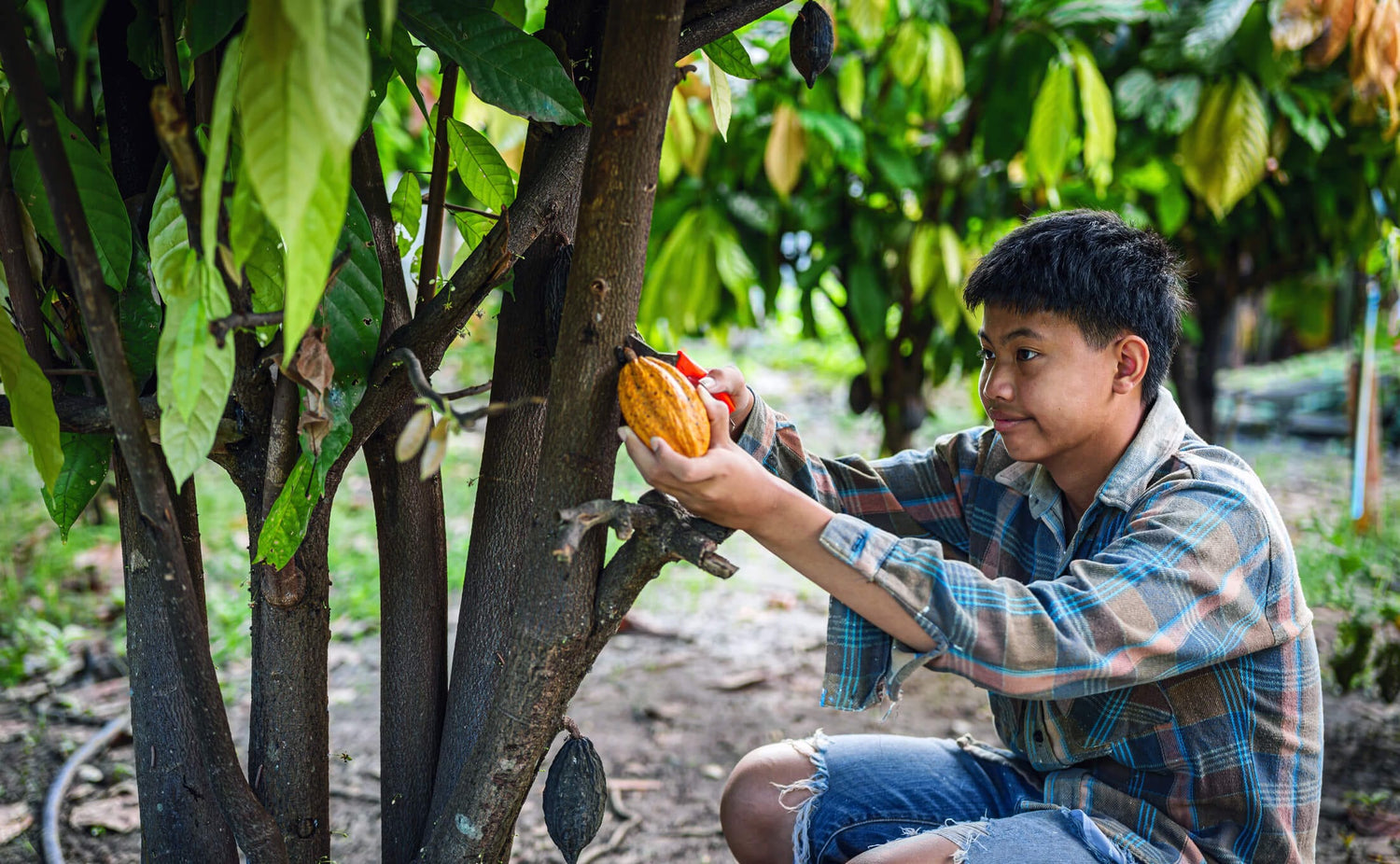
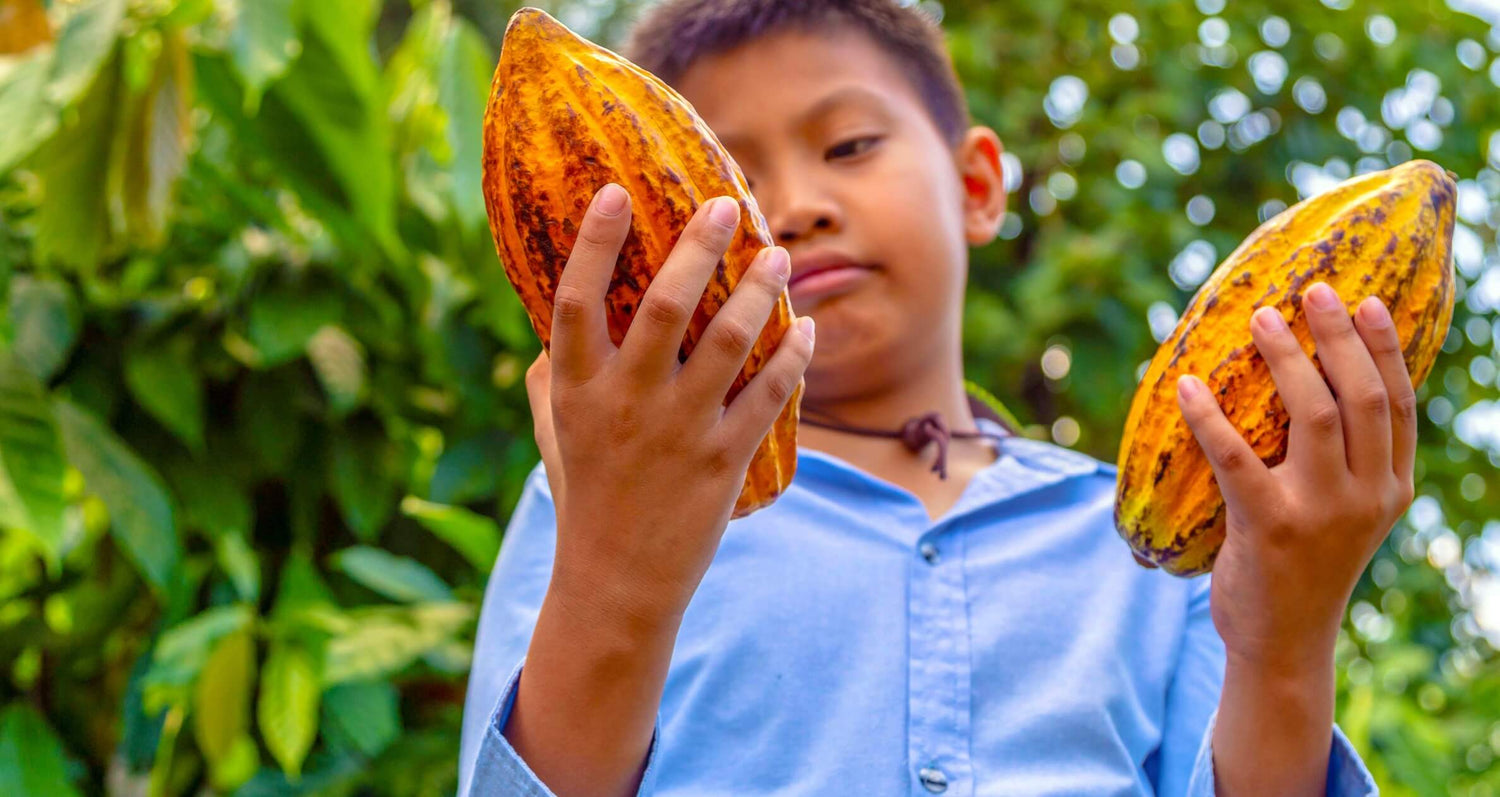
A more craft-centered experience goes further. It explains the difference between cocoa beans and finished couverture, the effect of cocoa origin on flavor, and the care required to roast, refine, conche, temper, and mold chocolate. This context changes how participants taste. A dark chocolate made from cacao with bright fruit notes will not resemble one with a deeper, nutty profile, even when both carry the same cocoa percentage.
The distinction is worth making because many conventional chocolatiers create excellent pralines using purchased couverture. Bean-to-bar makers, by contrast, transform carefully sourced cacao beans into chocolate in their own workshop. Neither format automatically guarantees a better class. It does, however, affect what you can learn about chocolate itself.
Praline-making classes
These are usually the most approachable option. Expect a guided session around fillings, molded shells, dipping, decoration, and packaging. They suit couples, families with older children, first-time visitors, and anyone who values the pleasure of taking home handmade chocolates. The strongest classes explain why temperature and timing matter rather than simply directing participants from one step to the next.
Bean-to-bar and tasting-focused experiences
These workshops or guided sessions appeal to the more curious chocolate lover. The focus may be on tasting origin bars, understanding fermentation and roasting, or seeing how small-batch chocolate is produced. They are especially rewarding for people who already enjoy specialty coffee, wine, or single-origin foods, since cacao has an equally expressive sense of place.
Not every production workshop is open for public classes, and not every class includes access to a working production space. Read the description closely. A tasting can be memorable, but it is not the same as making pralines. Likewise, a molding class may be fun and polished without covering cacao sourcing or chocolate refining.
How to choose the best Brussels chocolate workshop for you
The right choice depends on what you want to remember afterward. If your priority is an enjoyable shared activity, choose a hands-on session with a clear take-home component. If you want to understand why fine chocolate tastes the way it does, seek out a workshop that discusses cacao origin, roasting, and the path from bean to bar.
Before booking, look for these meaningful signs of quality:
- Clear information about what you will make, taste, or see during the session.
- A named instructor or chocolatier with practical production experience.
- Specific details on chocolate origin, ingredients, or sourcing rather than vague claims of premium quality.
- Small-group limits that allow participants to ask questions and work with the chocolate themselves.
- Transparent guidance on duration, language, age requirements, dietary accommodations, and what is included.
A detailed program is usually a good sign. It tells you whether the workshop includes actual tempering and filling work, a guided tasting, a factory-style demonstration, or primarily decoration. A two-hour class can feel generous when the group is small and the instruction is focused. It can feel rushed when too many participants are waiting for a single workstation.
Look past the word “artisan”
Artisan is widely used in chocolate, but it has no single definition. Ask more useful questions: Is chocolate made on site? Does the host explain where the cacao comes from? Are recipes prepared in small batches? Is the workshop led by someone who understands the process from ingredient to finished confection?
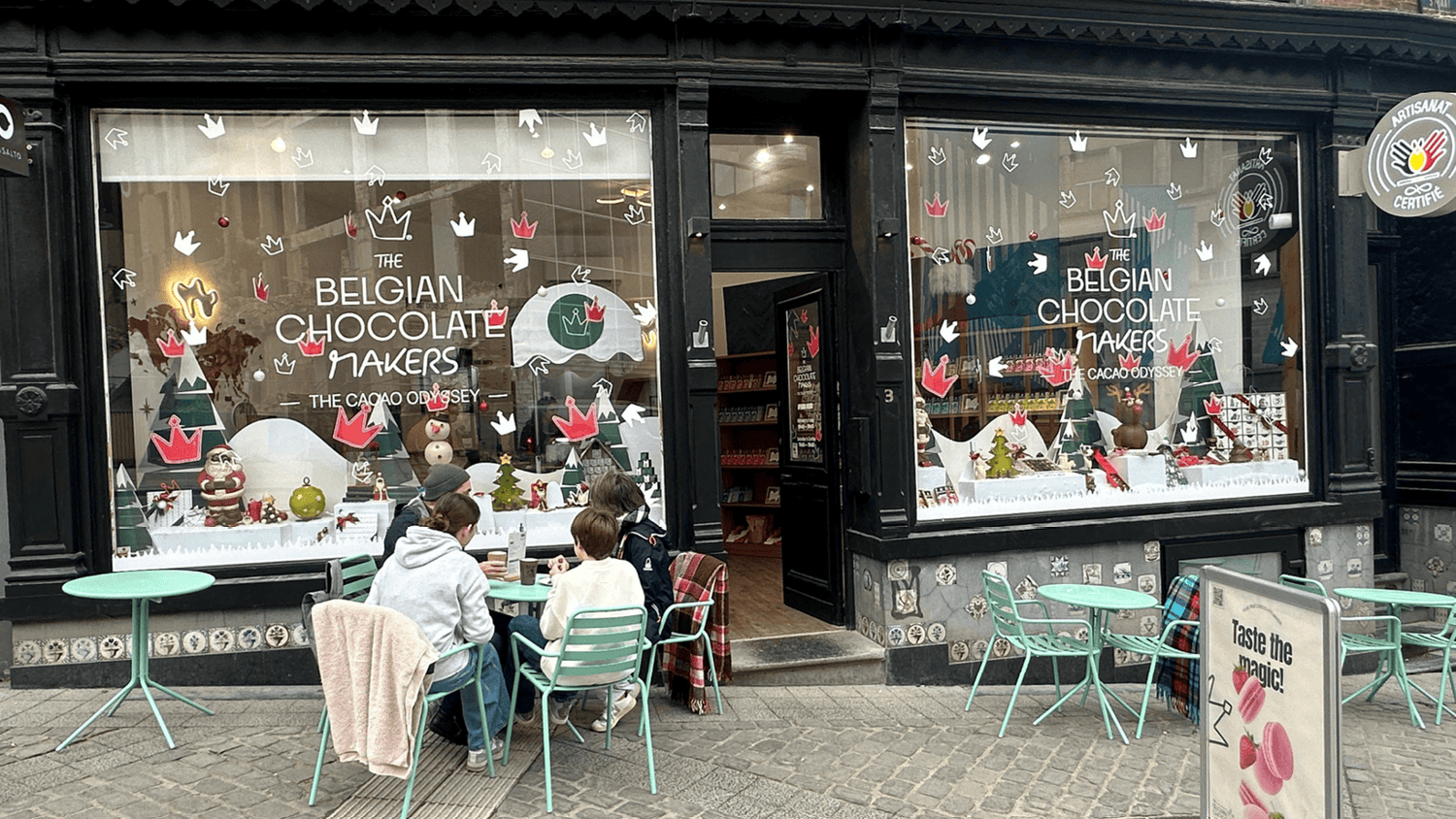
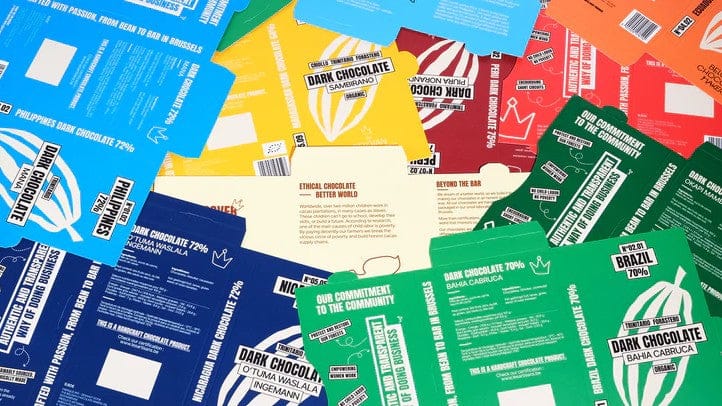
At The Belgian Chocolate Makers, the value of true in-house production lies in that complete transformation: carefully sourced cacao is roasted, refined, molded, and finished in a central Brussels workshop. For visitors, this is the kind of production story worth seeking out, whether they are booking a class or choosing chocolates to bring home. It creates a meaningful link between the bean, the maker, and the final gift.
Choose substance over spectacle when provenance matters
A photogenic setting and a generous box of treats can make for a lovely outing. Yet travelers interested in ethical sourcing should give greater weight to substance. A worthwhile host can explain how sourcing decisions influence flavor and quality, even if the presentation is understated.
Transparency does not require a lecture. It may appear in a tasting of chocolates from different origins, an explanation of why a maker selects certain cacao, or a conversation about balancing sugar, cocoa, and inclusions. Those details help separate a generic activity from an experience rooted in the actual craft of chocolate making.
Practical booking advice for Brussels visitors
Chocolate workshops are popular year-round, particularly on weekends, during school holidays, and in the weeks before Christmas, Valentine’s Day, and Easter. Book in advance if your travel dates are fixed, especially for private sessions or smaller groups. For a special occasion, confirm whether the host can arrange elevated packaging or a separate gift box for the chocolates you make.
Language is another consideration for international guests. Brussels is multilingual, and many hosts welcome English-speaking visitors, but do not assume every session is conducted in English. Confirm this before reserving, along with the level of participation expected. Some classes are designed for beginners, while others move quickly and assume comfort in a kitchen environment.
Dietary needs deserve a direct conversation. Chocolate itself may be dairy-free, but ganache, praline fillings, biscuits, and decorations often are not. Nut handling is particularly relevant in Belgian confectionery. A thoughtful workshop will state what can be accommodated and what cannot safely be promised.
Plan the timing of your day, too. Chocolate is sensitive to heat, and handmade pieces deserve careful transport. A morning or early afternoon class leaves time to explore Brussels afterward while keeping your chocolates protected from a warm bag or crowded train. If you are buying additional gifts, ask for packaging suitable for travel rather than relying on a delicate ribboned box.
Workshop, tasting, or chocolate shopping?
There is no need to treat these as competing experiences. A practical itinerary might pair a hands-on praline workshop with a later tasting of single-origin bars. The first gives you a feel for the precision behind Belgian confectionery. The second sharpens your palate and introduces the agricultural side of chocolate.
For gift buyers, a workshop can also make the chocolates you purchase afterward more personal. Once you have seen how tempering creates a clean snap or how a filling is balanced, a carefully selected box of pralines carries more meaning. Consider choosing a range rather than one familiar flavor: a dark origin bar, a classic praline assortment, and a seasonal specialty create a gift that feels both generous and considered.
The most rewarding workshop is not necessarily the one with the largest assortment of toppings or the quickest route to a souvenir. Choose the one that matches your curiosity, respects the ingredients, and leaves you tasting chocolate with a little more attention. That is a souvenir worth carrying well beyond Brussels.