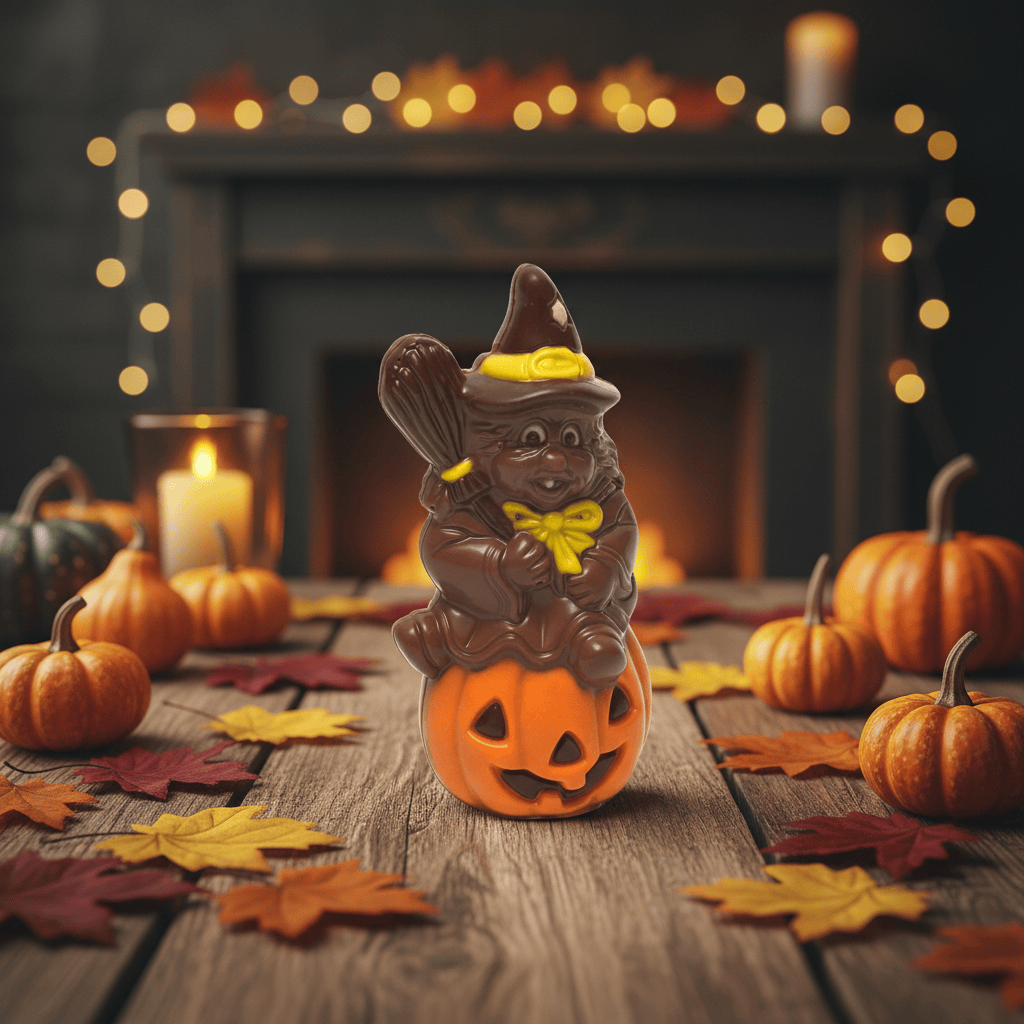
Chocolate lovers often start with a simple question: what makes a milk chocolate bar truly special? This witch 90g milk chocolate from The Belgian Chocolate Makers is a perfect example of how careful craft, quality ingredients, and a playful Halloween twist can elevate a small indulgence into a memorable moment. Handcrafted in Brussels from smooth Haitian cocoa and creamy milk, this chocolate offers a refined, creamy sweetness that pairs well with the season’s festivities and everyday snacking alike.
As you explore chocolate, you’ll notice the way different types and names shape expectations. The witch 90g milk chocolate isn’t just a sweet treat; it’s part of a broader tradition that uses specific terminology to describe flavor, texture, and ingredients. Below, we’ll walk through the essentials of chocolate naming, what goes into a classic milk chocolate, and how to compare it with other popular varieties. By the end, you’ll understand why a well-made milk chocolate bar can feel as comforting as a favorite autumn ritual.
Understanding different types of chocolate names
When people talk about chocolate, they often mention categories like dark chocolate, milk chocolate, and white chocolate. Each name points to a different balance of cocoa solids, milk, and sugar. Dark chocolate emphasizes a higher cocoa percentage and deeper, sometimes bittersweet notes. Milk chocolate, as seen in the witch 90g milk chocolate, blends cocoa with dairy to create a smoother, creamier profile that’s widely enjoyed for everyday snacking and dessert pairings. White chocolate, on the other hand, contains cocoa butter but little to no cocoa solids, delivering a buttery sweetness rather than a chocolate-forward bite. In recent years, terms like ruby chocolate have added new flavors and color stories to the conversation, expanding the playground beyond traditional dark, milk, and white categories.
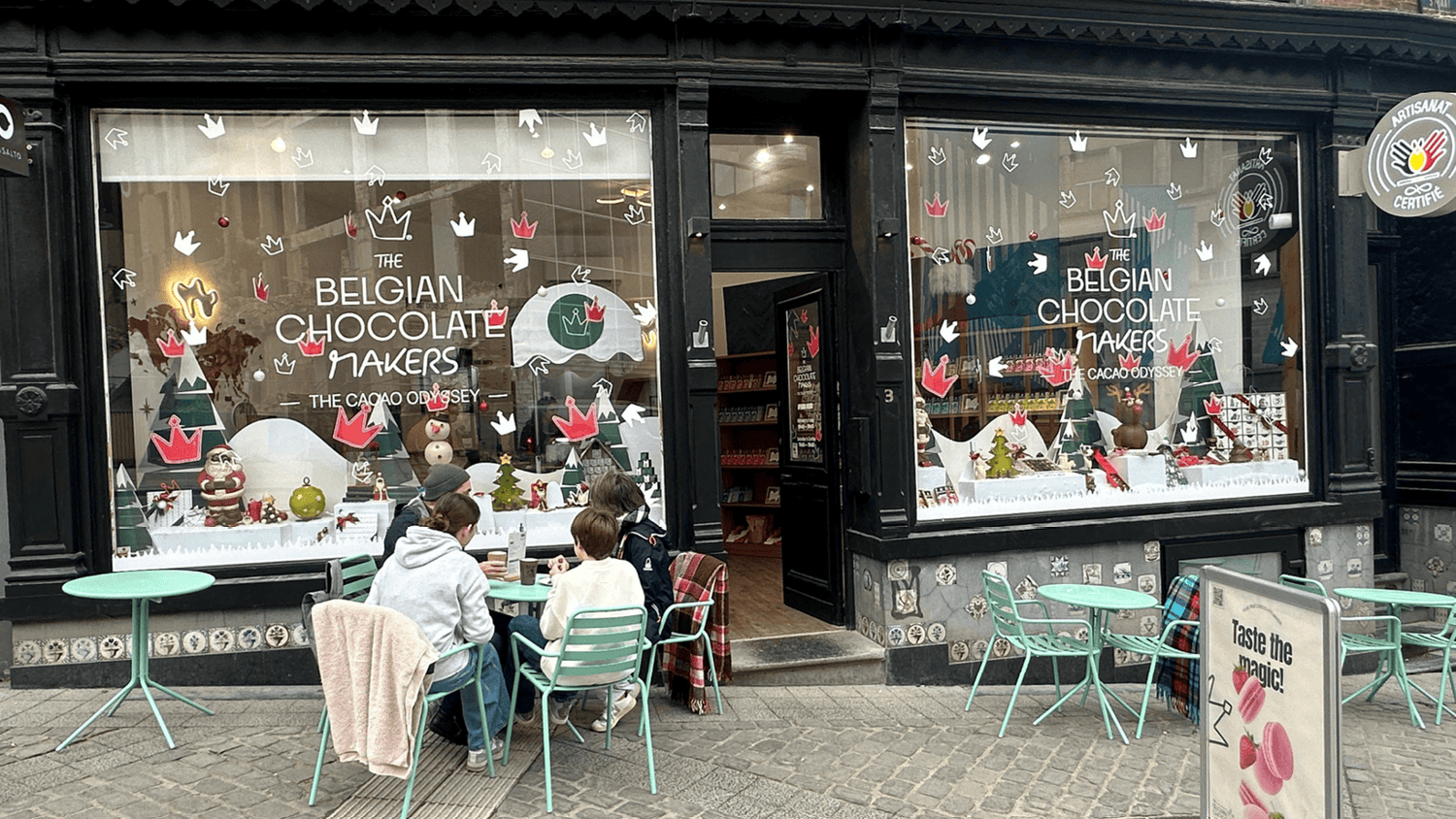
Within the craft chocolate world, naming often reflects ingredients and process as well. For example, terms like bean-to-bar highlight transparency from cacao bean to finished piece, while organic labels point to farming and sourcing practices. For a product like witch 90g milk chocolate, the name signals both the milk-forward profile you can expect and a playful Halloween twist that makes it a delightful gift or seasonal treat. The Belgian Chocolate Makers foregrounds Brussels craftsmanship, and the witch motif nods to a festive, collector-like experience that chocolate lovers often seek during October.
What goes into milk chocolate? ingredients matter
Milk chocolate is typically a balanced blend of cocoa mass or liquor, sugar, and dairy, often in the form of milk powder or condensed milk. Additional ingredients like cocoa butter, lecithin as an emulsifier, and a touch of vanilla help to smooth the texture and round out the flavor. The witch 90g milk chocolate takes advantage of smooth Haitian cocoa for a bright, nuanced cocoa base, paired with creamy milk to create a comforting, velvety mouthfeel. If you’ve ever wondered what makes milk chocolate feel so melt-in-your-mouth, the answer often lies in a careful ratio of cocoa to dairy and the texture of the grind.
For those who like to think about flavor-building, this milk chocolate offers a gentle sweetness with a soft, creamy finish. It’s a versatile companion for coffee, nuts, dried fruits, or simply enjoyed on its own. When you compare ingredients across chocolate types, you’ll notice how the presence of dairy in milk chocolate shifts expectations: the flavor leans toward creamy roundness, while lower dairy or higher cocoa in other varieties emphasizes bitterness or bitterness with sugar accents. These differences are exactly what makes the right chocolate pairing so enjoyable, for example, a milk-chocolate bar can balance a robust espresso without overpowering it.
Bittersweet chocolate substitute: what to use when you want less sugar and more depth
If you love the complexity of dark chocolates but need a substitute for milk chocolate in a recipe, bittersweet or dark chocolate can be a good option. Bittersweet chocolate typically has a higher cocoa content and less sugar, which brings out richer, more pronounced cocoa notes. Substituting bittersweet for milk chocolate will change both sweetness and texture, so you may want to adjust sugar levels and consider adding a splash of milk or cream to restore the creamy mouthfeel. In baked goods or desserts, this substitution can yield a more mature, less saccharine finish, which some bakers prize for balance and depth.
It’s also worth noting that the texture difference matters. Milk chocolate melts smoothly and often leaves a soft, lingering sweetness, while bittersweet melts with a longer, more intense cocoa finish. For Halloween treats or giftable chocolates like the witch 90g milk chocolate, sticking with the milk chocolate profile preserves the intended experience, particularly when the aim is lightness, accessibility, and a touch of whimsy.
Milk chocolate bar: what defines a great milk chocolate bar and how to enjoy it
A high-quality milk chocolate bar should offer a clean snap, a creamy melt, and a balanced sweetness that doesn’t overwhelm the cocoa notes. The witch 90g milk chocolate is sized for easy sharing or personal savoring, making it a flexible choice for gift baskets or seasonal celebrations. When tasting, look for a smooth texture, a gentle vanilla undertone, and a cocoa background that remains distinct even as the chocolate dissolves on the palate. The witch’s playful figurine and Halloween theme add a decorative element that makes the bar feel special beyond its flavor alone.
Semi-sweet chocolate vs milk chocolate: how they differ and when to choose
Semi-sweet chocolate sits between milk and dark chocolate in terms of cocoa content and sweetness. It often contains around 60 percent cocoa, which yields a rich, bittersweet profile with moderate sweetness. Milk chocolate, by contrast, typically carries a lower cocoa percentage and more dairy, resulting in a softer, creamier taste. When choosing between these options, consider whether you want a dessert that melts smoothly in your mouth with a comforting sweetness (milk chocolate) or a more assertive cocoa presence with less sugar (semi-sweet). For Halloween treats, milk chocolate’s approachable flavor often wins over guests who prefer a gentle, easy-to-appreciate chocolate experience.
In everyday use, semi-sweet chocolate can shine in baking and dessert sauces where you want to maintain chocolate flavor while allowing other ingredients to come forward. Milk chocolate, like the witch 90g milk chocolate, is excellent for snacking, pairing with fruit, or enjoying alongside coffee and nuts. Understanding these nuances helps you pick the right chocolate for the moment, whether you’re assembling a seasonal gift or decorating a dessert table.
Why the milk chocolate witch 90g stands out
The witch 90g milk chocolate stands out because it pairs a Brussels-origin craftsmanship with the bright, creamy profile that chocolate lovers crave. The use of Haitian cocoa adds a nuanced fruitiness and depth to the chocolate’s flavor, while the milk provides a lush, velvety texture. The result is a chocolate that feels both approachable and refined, a small luxury that fits well in a gift box, a Halloween party favor, or a personal afternoon treat.
Beyond flavor, the packaging and presentation reflect a celebration of artisanal chocolate. The figurine and witch motif make it a charming collectible, turning a simple bar into a memorable moment. If you’re building a seasonal chocolate selection, this witch 90g milk chocolate offers a balanced, crowd-pleasing option that still carries a sense of craft and origin you can point to in conversations with friends and customers.
Serving ideas and storage tips
To keep the flavor at its best, store chocolate in a cool, dry place away from direct sunlight. Avoid humidity and strong odors, which can affect aroma and texture. Enjoy this chocolate with a cup of coffee, a handful of roasted almonds, or a dessert with berries for a subtle contrast between creamy milk chocolate and tart fruit. If you’re stocking a seasonal display, the witch 90g milk chocolate can serve as a focal point in a gift-ready presentation that’s both visually appealing and delicious to taste.